Lina Wu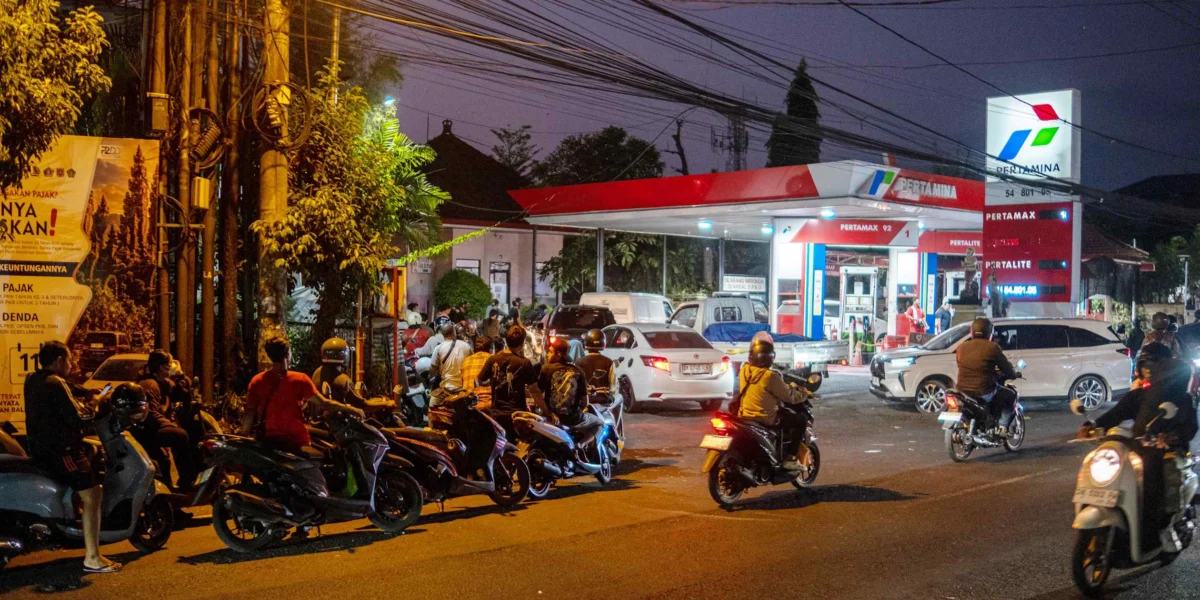
Long lines have formed in many gas stations across a number of regions in Indonesia, including resort island Bali, where fuel shortages are affecting tourists and local residents alike.
Fuel Crisis Deepens Across Indonesian Archipelago
The Indonesian archipelago, a sprawling nation of over 17,000 islands, is currently experiencing a significant and escalating fuel crisis. Reports from various provinces indicate widespread disruptions, with motorists and commercial operators facing prolonged waits at petrol stations. The situation is particularly acute in popular tourist destinations like Bali, where the economic lifeline of the island is being strained, and in remote areas where access to essential supplies is already a challenge. This widespread scarcity is not merely an inconvenience; it is a developing crisis with tangible economic and social repercussions.
The images emerging from Denpasar, Bali, of vehicles queuing for extended periods at gas stations operated by Indonesia’s state energy company, Pertamina, paint a stark picture of the current reality. These queues, stretching for hundreds of meters, have become a common sight in many parts of the country, highlighting a breakdown in the consistent supply of essential fuel. The October 13th sighting in Denpasar is not an isolated incident but a symptom of a broader national challenge.
Background: A Fragile Energy Supply Chain
Indonesia, despite being a significant oil and gas producer in the past, has seen its production decline over the years. The nation has transitioned from being a net exporter of oil to a net importer, making it increasingly reliant on international markets for its energy needs. This reliance exposes the country to global price volatility and supply chain vulnerabilities. Pertamina, the state-owned energy giant, shoulders the immense responsibility of ensuring fuel distribution across the vast and geographically complex nation. However, the sheer scale of this task, coupled with potential logistical hurdles and demand surges, can create pressure points within the supply chain.
Several factors are believed to be contributing to the current shortages. These include, but are not limited to:
- Increased Demand: A post-pandemic surge in economic activity and travel has led to a significant uptick in fuel consumption across various sectors, from transportation to industry.
- Logistical Challenges: The vast distances and diverse geography of Indonesia present inherent logistical complexities for fuel transportation. Maintaining a consistent flow of fuel to every corner of the archipelago is a monumental undertaking, susceptible to weather disruptions, infrastructure limitations, and capacity constraints.
- Global Market Fluctuations: Indonesia’s dependence on imported refined petroleum products means it is vulnerable to international price spikes and supply disruptions. Geopolitical events, refinery outages, and changes in global demand can all impact the cost and availability of fuel for Indonesia.
- Infrastructure and Maintenance: Issues related to aging infrastructure, maintenance schedules for refineries and distribution networks, and investment in upgrading these facilities can also play a role in temporary supply interruptions.
- Seasonal Factors: Certain times of the year, particularly during peak travel seasons or periods of adverse weather, can exacerbate existing supply chain pressures.
Chronology of Disruptions
While the recent images from Bali highlight the current severity, the issue of fuel scarcity in various Indonesian regions is not entirely new. However, the current wave of shortages appears to be more widespread and persistent.
Early 2026: Anecdotal reports begin to surface from several outer islands and less populated regions of sporadic fuel shortages, often attributed to localized logistical issues or temporary disruptions in supply vessels.
Mid-2026: The frequency and intensity of these reports begin to increase. Several provincial capitals and major towns experience days-long queues at petrol stations. Pertamina attributes these to "temporary supply disruptions" and assures the public that measures are being taken to rectify the situation.
Late September 2026: The problem starts to gain national attention as shortages become more pronounced in densely populated areas and key economic hubs. Tourism stakeholders in popular destinations like Bali begin to express concern.
October 2026: The situation deteriorates further. Long queues become a daily spectacle across numerous provinces. The shortages begin to impact not only private vehicle owners but also public transportation, delivery services, and small businesses reliant on fuel for their operations. The image from Denpasar on October 13th serves as a potent symbol of the unfolding crisis.
Supporting Data and Economic Impact
The economic implications of widespread fuel shortages are profound and far-reaching. Fuel is the lifeblood of modern economies, powering transportation, industry, and agriculture. When its supply is disrupted, the ripple effects can be felt across all sectors.
-
Tourism Sector: Bali, often referred to as the "Island of the Gods," is a cornerstone of Indonesia’s tourism industry, contributing significantly to the national GDP. Tourists relying on rental vehicles, taxis, and tour operators are directly affected by fuel scarcity. This can lead to:
- Increased Travel Costs: As fuel becomes scarcer, prices at the pump, where available, can surge. This directly impacts tourist budgets and can deter potential visitors.
- Disrupted Itineraries: Limited fuel availability can force tourists to cancel or shorten their planned excursions, leading to a diminished travel experience and reduced spending.
- Negative Publicity: Images of long queues and frustrated tourists can deter future bookings, creating a reputational risk for Bali and Indonesia as a whole.
- Impact on Local Businesses: Hotels, restaurants, souvenir shops, and other tourism-dependent businesses suffer from reduced tourist footfall and spending.
-
Logistics and Transportation: The cost of transporting goods, both raw materials and finished products, is heavily influenced by fuel prices and availability.
- Increased Inflationary Pressure: Higher fuel costs for transportation translate into higher prices for almost all consumer goods, exacerbating inflationary pressures.
- Supply Chain Bottlenecks: Businesses may face delays in receiving necessary supplies or delivering their products, leading to production slowdowns and lost revenue.
- Impact on Essential Services: The availability of fuel is critical for emergency services, public transportation, and the delivery of essential goods like food and medicine, particularly in remote areas.
-
Agricultural Sector: Farmers rely on fuel for machinery, irrigation pumps, and the transportation of produce. Shortages can lead to:
- Reduced Crop Yields: Inability to operate farm machinery or irrigation systems can negatively impact agricultural output.
- Spoilage of Produce: Delays in transporting harvested crops to market due to fuel scarcity can result in spoilage and significant financial losses for farmers.
Pertamina’s Role and Public Perception: As Indonesia’s sole fuel distributor, Pertamina is under immense scrutiny. The company has been the primary source of official statements regarding the shortages. Public trust in Pertamina’s ability to manage the nation’s energy needs is crucial. Any perceived mismanagement or lack of transparency can lead to public frustration and distrust.
Official Responses and Mitigation Efforts
In response to the escalating crisis, Indonesian authorities and Pertamina have been working to address the situation. Statements from government officials and the energy company typically emphasize a commitment to resolving the shortages and ensuring equitable distribution.
- Increased Supply Allocation: Pertamina has stated it is increasing fuel allocations to affected regions and rerouting supply vessels to meet demand. This often involves diverting fuel from less affected areas or accelerating import schedules.
- Logistical Prioritization: Efforts are reportedly underway to prioritize fuel deliveries to critical sectors, including public transportation, emergency services, and areas with the most severe shortages.
- Monitoring and Surveillance: Pertamina officials and government agencies are reportedly monitoring fuel stocks and distribution networks closely to identify and address bottlenecks.
- Public Appeals for Calm: Officials have urged the public to remain calm and avoid panic buying, which can further exacerbate shortages.
- Investment in Infrastructure (Long-Term): While immediate solutions are the focus, discussions around long-term investments in refining capacity, storage facilities, and transportation infrastructure are likely to be intensified. This could involve public-private partnerships or increased government spending.
However, the effectiveness and speed of these mitigation efforts are crucial. The sheer scale of the archipelago and the complexity of its energy supply chain mean that rectifying the shortages can be a protracted process. Public perception will heavily depend on the tangible results of these interventions.
Broader Implications and Future Outlook
The current fuel crisis in Indonesia has significant broader implications for the nation’s economic stability, social cohesion, and international standing.
- Economic Stability: Sustained fuel shortages can dampen economic growth, increase inflation, and deter foreign investment. The government faces the challenge of balancing energy security with economic development.
- Social Unrest: While not yet widespread, prolonged and severe fuel shortages can lead to public frustration, protests, and potentially social unrest, particularly in areas where essential services are impacted.
- Reputational Damage: For a nation heavily reliant on tourism and international trade, persistent supply chain disruptions can damage its reputation as a reliable destination and trading partner.
- Energy Policy Review: This crisis is likely to trigger a thorough review of Indonesia’s energy policies, focusing on domestic production capacity, import strategies, refining capabilities, and the efficiency of distribution networks. There may be renewed impetus for investments in renewable energy sources as a long-term strategy to reduce reliance on imported fossil fuels.
- Decentralization of Supply: The crisis may also highlight the need for greater decentralization of fuel storage and distribution facilities to reduce reliance on a few central hubs and improve resilience in the face of localized disruptions.
The coming weeks and months will be critical in determining how effectively Indonesia can navigate this challenging period. The resilience of its energy infrastructure, the efficacy of government and Pertamina’s responses, and the ability to manage public expectations will all play a vital role in overcoming the current fuel shortages and ensuring a stable energy future for the archipelago. The ongoing situation serves as a potent reminder of the complex interplay between global energy markets, national infrastructure, and the daily lives of millions.