Lina Wu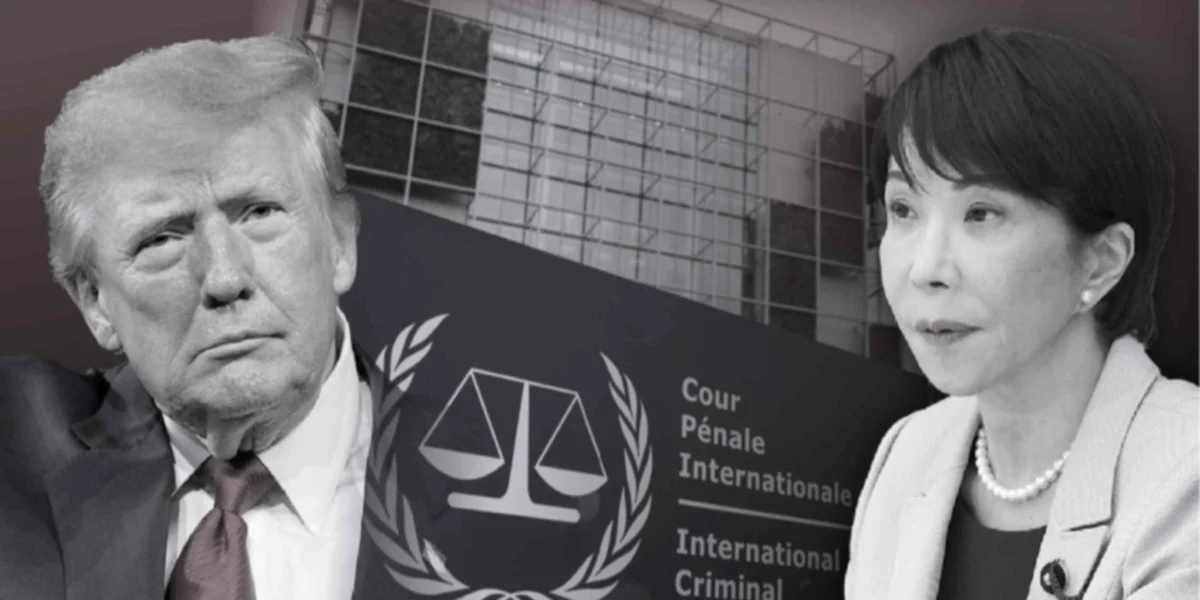
TOKYO — Japan is actively pursuing diplomatic channels to mitigate the impact of the Trump administration’s impending sanctions against the International Criminal Court (ICC), leveraging a crucial 180-day grace period to broker a resolution. The U.S. government announced its intention to impose punitive measures, which could include asset freezes and travel bans, against ICC officials investigating alleged American war crimes in Afghanistan. This move has sent ripples through the international community, with many nations expressing concern over the potential undermining of international justice mechanisms.
The Japanese government, while outwardly maintaining a stance of diplomatic engagement, is reportedly working behind the scenes to find a compromise that would avert the full implementation of these sanctions. Prime Minister Sanae Takaichi reportedly discussed the matter directly with U.S. President Donald Trump in September, underscoring Japan’s commitment to addressing the issue at the highest levels. This direct engagement highlights the seriousness with which Tokyo views the potential ramifications of a strained relationship between the U.S. and the ICC.
Background: A Contentious Investigation and U.S. Opposition
The genesis of the U.S. sanctions lies in the ICC’s ongoing preliminary examination into alleged war crimes and crimes against humanity committed by U.S. military personnel and intelligence agencies in Afghanistan, dating back to 2003. The court’s chief prosecutor, Fatou Bensouda, requested authorization in December 2019 to open a full investigation, a move that has been vehemently opposed by the Trump administration.
The U.S. has historically maintained a complex relationship with the ICC. While not a state party to the Rome Statute that established the court, it has cooperated with the ICC on certain occasions. However, the Trump administration has adopted a more confrontational stance, viewing the court’s investigations as an infringement on national sovereignty and a potential threat to American citizens and allies. In April 2019, the U.S. government revoked the visa of ICC Prosecutor Bensouda and her staff, a move that was widely condemned by human rights organizations and many international legal experts.
The planned sanctions represent a significant escalation of this policy, aiming to directly penalize individuals associated with the court’s investigative activities concerning U.S. actions. The rationale provided by the U.S. administration is that the ICC lacks jurisdiction over its personnel and that its investigations are politically motivated and biased.
Japan’s Diplomatic Balancing Act
Japan, a staunch proponent of multilateralism and the rule of law, finds itself in a delicate diplomatic position. As a close ally of the United States, Tokyo is keen to maintain a strong bilateral relationship. However, it also holds a deep commitment to the principles of international justice and the role of institutions like the ICC in upholding global security and human rights.
The 180-day delay before the sanctions take effect provides a critical window for diplomatic negotiations. During this period, Japan is reportedly engaging in extensive consultations with both U.S. officials and the ICC itself, aiming to facilitate a dialogue that could lead to a mutually agreeable outcome. The specifics of Japan’s proposed solutions remain undisclosed, but it is likely to involve encouraging the U.S. to reconsider its stance and exploring avenues for addressing U.S. concerns without jeopardizing the ICC’s mandate.
Supporting Data and International Reactions
The ICC, established in 2002, is an independent international organization tasked with prosecuting individuals for the most serious crimes of international concern: genocide, war crimes, crimes against humanity, and the crime of aggression. It operates on the principle of complementarity, meaning it only intervenes when national courts are unable or unwilling to genuinely investigate or prosecute these crimes.
As of October 2026, the ICC has opened investigations into situations in over a dozen countries, with varying degrees of cooperation from state parties. The U.S. decision to sanction ICC officials marks a significant departure from previous administrations and has drawn widespread criticism.
- International Condemnation: Numerous countries and international organizations have voiced their opposition to the U.S. sanctions. The European Union, through its High Representative for Foreign Affairs and Security Policy, issued a statement expressing "deep concern" and emphasizing the importance of the ICC in ensuring accountability for heinous crimes. Several EU member states, including Germany and France, which are strong supporters of the ICC, have echoed these sentiments.
- Human Rights Organizations: Groups like Human Rights Watch and Amnesty International have strongly condemned the U.S. action, labeling it as an "attack on international justice" and a "dangerous precedent." They argue that such measures will embolden perpetrators of atrocities and hinder efforts to bring them to justice.
- Legal Experts: International legal scholars have also weighed in, with many highlighting the potential for the U.S. sanctions to violate international law and undermine the very principles of universal jurisdiction and accountability that the ICC embodies.
Chronology of Key Events Leading to the Current Situation
- 2003 onwards: Allegations of war crimes and crimes against humanity by U.S. military and intelligence personnel in Afghanistan begin to surface.
- 2015: The ICC receives a referral from Afghanistan to investigate alleged crimes.
- December 2019: ICC Prosecutor Fatou Bensouda requests authorization to open a formal investigation into alleged crimes committed in Afghanistan by all parties, including U.S. forces.
- April 2020: The U.S. administration, under President Trump, revokes the visa of ICC Prosecutor Bensouda and threatens similar measures against other ICC officials.
- September 2026: Prime Minister Sanae Takaichi reportedly discusses the ICC situation directly with U.S. President Donald Trump.
- October 2026: The Trump administration announces its intention to impose sanctions on ICC officials involved in the Afghanistan investigation. A 180-day delay is announced before the measures take full effect.
Analysis of Implications
The U.S. sanctions, if fully implemented, could have far-reaching implications:
- Weakening the ICC: The sanctions could significantly hamper the ICC’s ability to conduct investigations and prosecutions, particularly if other nations follow the U.S. lead or if key personnel are deterred from their work due to fear of reprisal. This could create impunity for those who commit the most heinous international crimes.
- Strained Diplomatic Relations: The move is likely to create further friction between the U.S. and its traditional allies who are strong supporters of the ICC. This could impact broader diplomatic cooperation on issues of international security and human rights.
- Erosion of International Law: A successful undermining of the ICC could weaken the broader framework of international law and the institutions designed to uphold it. This could embolden authoritarian regimes and create a more unstable global order.
- Impact on Japan-U.S. Relations: While Japan is seeking to de-escalate, the situation presents a challenge to its alliance with the U.S. The extent to which Japan can influence U.S. policy on this matter will be closely watched.
Japan’s Strategic Approach and Potential Outcomes
Japan’s strategy appears to be one of quiet diplomacy and persistent engagement. By utilizing the 180-day window, Tokyo aims to:
- Facilitate Dialogue: Encourage direct communication between the U.S. and the ICC to address mutual concerns and find common ground.
- Propose Alternative Solutions: Explore diplomatic compromises that could satisfy U.S. concerns regarding sovereignty without compromising the ICC’s core mandate. This might involve discussions on improved cooperation mechanisms or assurances regarding due process.
- Build International Consensus: Work with other like-minded nations to present a united front in advocating for the importance of the ICC and the rule of international law.
The success of Japan’s efforts remains uncertain. The Trump administration has demonstrated a willingness to pursue its agenda forcefully, even in the face of international opposition. However, the diplomatic pressure from key allies like Japan, coupled with the broader international outcry, could still influence the administration’s final decision.
A positive outcome would involve the U.S. reconsidering or modifying its sanctions, perhaps through a negotiated agreement with the ICC. A less favorable outcome could see the sanctions implemented, leading to further isolation of the U.S. on this issue and a potential weakening of the ICC. Regardless of the immediate outcome, Japan’s active engagement underscores its commitment to multilateralism and its role as a responsible stakeholder in the international community, striving to uphold the principles of justice and accountability on a global scale. The coming months will be critical in determining the future trajectory of U.S.-ICC relations and the broader landscape of international justice.