Putri Inara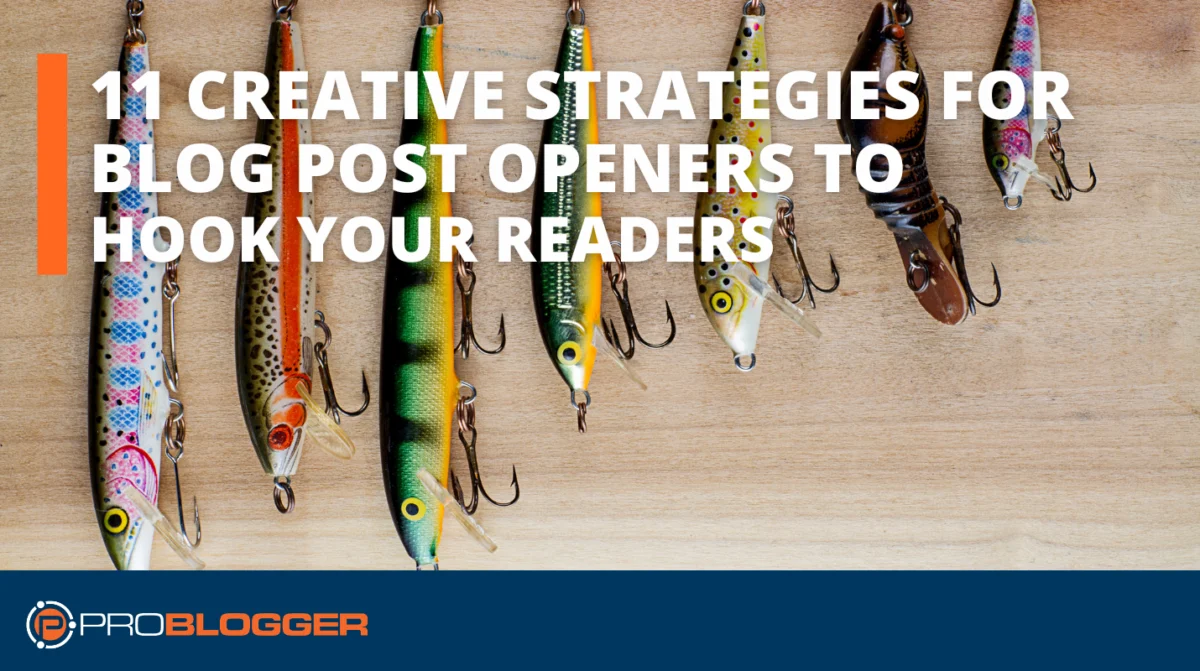
The digital publishing landscape is currently defined by an increasingly competitive "attention economy," where the success of a content piece is determined within the first few seconds of reader interaction. While the headline serves as the primary mechanism for generating initial clicks, industry analysts and veteran digital publishers identify the opening line—the "lead"—as the secondary most critical component of a blog post. Its fundamental objective is to convert a casual visitor into an engaged reader by facilitating a seamless transition from the title into the core narrative. Recent data from consumer behavior studies suggests that the average user decides whether to continue reading or bounce from a page within less than fifteen seconds, placing immense pressure on the introductory paragraph to deliver immediate value or intrigue.
The Evolution of the Digital Lead: Context and Chronology
Historically, journalism relied on the "inverted pyramid" structure, where the most vital information—who, what, where, when, and why—was delivered in the first sentence. However, the transition to digital-first content has necessitated a more nuanced approach. In the early 2000s, blogging was characterized by personal, diary-style entries where the hook was often secondary to the author’s existing community. As the volume of content exploded between 2008 and 2015, the "ProBlogger" era, led by pioneers like Darren Rowse, began codifying specific engagement strategies to combat "reader fatigue."
Today, content strategy has evolved to incorporate psychological triggers and neuromarketing principles. The chronology of this shift reflects a move from simple information delivery to the creation of an "experience." The modern reader does not merely seek data; they seek relevance, resonance, and a solution to a specific problem. Consequently, the opening line must function as a bridge between the reader’s current state of curiosity and the promised value of the full article.
Strategic Frameworks for Content Openers
To address the challenges of declining attention spans, digital strategists have identified eleven primary methodologies for crafting effective openers. These strategies are designed to leverage human psychology, specifically targeting curiosity, the need for problem-solving, and emotional resonance.
1. Identifying the Reader’s Immediate Need
This approach utilizes the "Problem-Agitate-Solve" (PAS) framework. By identifying a specific pain point or requirement in the very first sentence, the author establishes immediate relevance. Marketing analysts suggest that when a reader sees their own struggle reflected in the opening text, it triggers a "relevance filter" in the brain, signaling that the content is worth the time investment.
2. The One-Answer Question
Utilizing a "yes" question is a classic copywriting technique. By posing a question that elicits an internal "yes" from the reader, the author creates a sense of agreement and momentum. This technique, rooted in the psychological principle of consistency, makes the reader more likely to follow the subsequent arguments of the post.
3. The Curiosity Gap and Intriguing Inquiries
The "Curiosity Gap" is a theory popularized by George Loewenstein of Carnegie Mellon University. It suggests that when there is a gap between what we know and what we want to know, we feel a sense of deprivation that can only be satisfied by obtaining the information. Starting with a question that promises a surprising revelation—such as "What is the one thing successful CEOs do before 5:00 AM?"—effectively forces the reader to continue to close that mental loop.
4. The Pattern Interrupt through Surprise
A "pattern interrupt" is a technique used to change a person’s state or strategy. In a digital environment where many posts look and feel the same, starting with an unexpected fact or a personal anecdote that seems "off-topic" can snap a reader out of their passive scrolling state. For instance, sharing a humorous misunderstanding or a counter-intuitive fact forces the brain to pay closer attention to the new, unexpected information.
5. Narrative Transport and Analogies
Stories and analogies facilitate "narrative transport," a state where a reader becomes so engrossed in a story that they lose track of their surroundings. This is particularly effective for complex or technical topics. By opening with a story, the writer shifts the genre from "instructional" to "narrative," which typically has a lower barrier for engagement and a higher rate of retention.
6. The Bold Assertion
Leading with a strong, authoritative claim sets high expectations and establishes the author’s expertise. Whether it is a promise to solve a major industry problem or a bold prediction about future trends, this method appeals to readers seeking definitive answers. However, analysts warn that this strategy requires the subsequent content to provide rigorous evidence to maintain credibility.
7. Strategic Controversy
Controversy, when used judiciously, is a powerful engagement tool. By stating a counter-opinion on a popular product, company, or industry standard, a writer can provoke an immediate reaction. This encourages not only reading but also active participation in the comments section, as readers feel compelled to either defend the status quo or support the new perspective.
8. Sensory Visualization
Encouraging readers to "imagine" a scenario engages the sensory parts of the brain. This technique makes abstract concepts feel tangible. For example, asking a reader to visualize the stress of a failing project versus the relief of a streamlined workflow can evoke the emotional motivation necessary to read a technical guide on project management.
9. Data-Driven Openers and Startling Statistics
Statistics provide immediate authority and context. A startling figure—such as the fact that only 1% of blog readers typically leave comments—highlights a problem with empirical weight. This appeals to the logical, "System 2" thinking of the reader, providing a factual foundation for the rest of the discourse.
10. The Authority of the Quote
Opening with a quote from a recognized figure allows the author to "borrow" authority. It sets a philosophical or intellectual tone for the piece. When a reader sees a quote from an industry titan or a historical figure, it creates a sense of gravitas and suggests that the following content is aligned with established wisdom.
11. Multi-modal Engagement via Visuals
In the age of social media, the "opening line" is often accompanied or preceded by a visual. Research indicates that articles with relevant images receive significantly more views and higher engagement rates than text-only posts. A striking, on-theme image can act as a non-verbal hook that draws the reader into the text.
Supporting Data: The Impact of the Hook on User Behavior
Data from various digital marketing studies underscore the importance of these strategies. According to a study by Chartbeat, which analyzed 2 billion minutes of web traffic, 55% of visitors spend 15 seconds or less on a page. Furthermore, the Nielsen Norman Group found that users often read in an "F-shaped pattern," focusing heavily on the first few lines of text before scanning down the page.
| Metric | Impact of Optimized Opener |
|---|---|
| Average Time on Page | Increase of 25-40% |
| Bounce Rate | Decrease of 15-20% |
| Social Shares | Correlation with "Curiosity Gap" openers |
| Comment Volume | Higher with "Controversy" or "Question" openers |
These figures suggest that the opening line is not merely a stylistic choice but a functional component of a site’s technical performance and SEO health. High bounce rates signal to search engines that a page may not be relevant to the user’s query, potentially harming long-term search rankings.
Expert Analysis: The Psychology of Engagement
Psychologists specializing in digital media suggest that these 11 strategies work because they address fundamental human needs: the need for social connection (storytelling), the need for competence (problem-solving), and the need for autonomy (choosing to engage with a question).
"The digital reader is in a state of constant ‘cognitive load,’" notes one UX researcher. "Effective opening lines reduce this load by providing a clear ‘why’ for the reader’s presence on the page. If the opener doesn’t answer ‘What is in this for me?’ within the first two sentences, the reader will move on to a source that does."
Furthermore, the "Zeigarnik Effect"—the tendency to remember uncompleted or interrupted tasks better than completed ones—plays a role in why questions and curiosity gaps are so effective. By opening a "loop" in the reader’s mind, the writer creates a psychological tension that the reader feels compelled to resolve by finishing the article.
Broader Implications for Content Strategy
The mastery of opening lines has implications far beyond individual blog posts. For brands and independent creators, it is a foundational skill for building long-term audience loyalty. Consistently high-quality openers lead to higher "return visitor" rates, as readers begin to associate the author or brand with immediate value.
In the context of corporate communications and thought leadership, the ability to hook an audience quickly is essential for influencing stakeholders and disseminating ideas in a crowded marketplace. As artificial intelligence continues to generate vast quantities of generic content, the "human touch"—represented by creative analogies, personal anecdotes, and strategic controversy—will likely become the primary differentiator for successful digital publishers.
Ultimately, the opening line serves as the handshake of the digital world. It is the moment where a promise is made to the reader. Whether that promise is to entertain, to inform, or to solve a problem, the success of the entire communication depends on the strength of those first few words. Publishers who fail to prioritize the "hook" risk obsolescence in an era where attention is the most valuable currency.