Lina Wu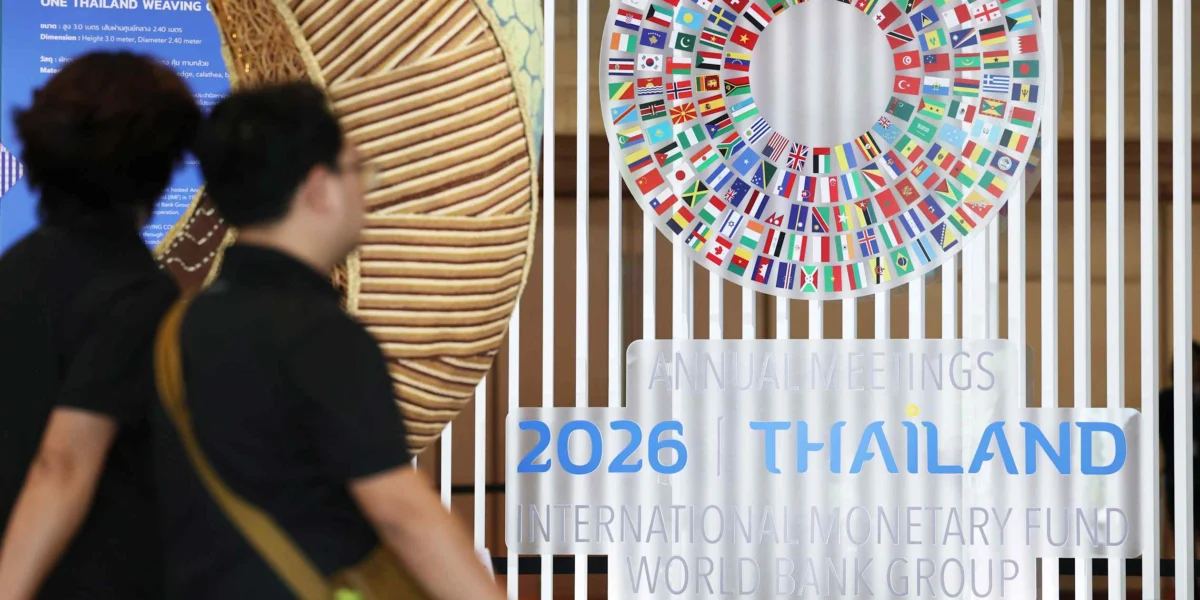
Finance officials and central bankers from across the globe are converging in Bangkok this week for the highly anticipated annual meetings of the International Monetary Fund (IMF) and the World Bank. The pivotal gathering, commencing on Monday, October 12, 2026, is set to be dominated by urgent discussions on persistent inflation, the transformative potential and pervasive risks of artificial intelligence (AI), and the escalating imperative of climate change mitigation. This confluence of global economic leaders in Thailand’s vibrant capital underscores the interconnected nature of contemporary financial challenges and the collective effort required to navigate them.
The IMF-World Bank Annual Meetings: A Global Forum for Economic Dialogue
The IMF-World Bank Annual Meetings are a cornerstone of the international financial calendar, bringing together central bankers, ministers of finance and development, parliamentarians, private sector executives, representatives from civil society organizations, and academics. Held annually, typically in October, the meetings rotate between Washington D.C. and another major global city, providing a platform for robust dialogue on critical global economic issues. The 2026 Bangkok gathering marks a significant return to Southeast Asia, a region that has experienced rapid economic growth and development in recent decades, making it a pertinent location for discussing the future of the global economy.
Historically, these meetings have served as a crucial venue for shaping international economic policy, fostering cooperation, and addressing systemic risks. The agenda is meticulously curated to reflect the most pressing concerns facing member countries. This year, the shadow of sustained inflationary pressures, which have defied initial expectations of rapid resolution in many advanced economies, looms large. Simultaneously, the rapid advancement and integration of AI technologies present both unprecedented opportunities for productivity gains and significant challenges related to job displacement, ethical considerations, and regulatory frameworks. Furthermore, the existential threat of climate change continues to demand immediate and substantial financial commitments and policy coordination to facilitate a just transition to a sustainable global economy.
Inflationary Pressures: A Persistent Global Concern
The global economy in late 2026 continues to grapple with inflation that, while showing signs of moderation in some regions, remains stubbornly above central bank targets. Factors contributing to this persistence include the lingering effects of supply chain disruptions, geopolitical tensions impacting energy and food prices, and robust labor markets in several major economies that are fueling wage growth. For instance, recent data from the IMF’s World Economic Outlook, released in April 2026, projected global inflation to average 5.5% in 2026, a slight downward revision from previous forecasts but still significantly elevated compared to pre-pandemic levels.
Central bankers attending the Bangkok meetings face the delicate balancing act of taming inflation without triggering a significant economic downturn. The effectiveness and pace of monetary policy tightening, the potential for fiscal policy to either exacerbate or alleviate inflationary pressures, and the impact of these policies on developing economies are all critical discussion points. The potential for divergent inflation trajectories across different regions – with some emerging markets facing even higher price pressures due to currency depreciation and import costs – adds another layer of complexity. Discussions are expected to delve into the nuances of inflation dynamics, including the role of expectations, and the strategies for achieving price stability while supporting sustainable growth.
Artificial Intelligence: The Double-Edged Sword of Innovation
The burgeoning influence of artificial intelligence on economies worldwide is an inescapable theme for the 2026 IMF-World Bank Annual Meetings. AI’s capacity to automate tasks, enhance decision-making, and drive innovation holds immense promise for boosting productivity and creating new industries. Projections from leading technology consultancies suggest that AI could add trillions of dollars to the global economy in the coming decade. However, this transformative power is accompanied by significant concerns.
The potential for widespread job displacement as AI systems become more sophisticated is a primary worry. This raises questions about the need for reskilling and upskilling initiatives, social safety nets, and policies to ensure that the benefits of AI are broadly shared. Ethical considerations, including algorithmic bias, data privacy, and the concentration of power in a few technology giants, are also high on the agenda. Governments and international bodies are increasingly tasked with developing regulatory frameworks that foster innovation while mitigating risks. The Bangkok meetings provide a vital platform for sharing best practices, exploring international cooperation on AI governance, and considering the implications of AI for financial stability, labor markets, and inequality. The participation of technology leaders and AI experts alongside finance officials is anticipated, highlighting the interdisciplinary nature of this challenge.
Climate Change: The Urgent Call for Financial Action
The accelerating impacts of climate change, from extreme weather events to rising sea levels, are no longer distant threats but present realities that demand immediate and substantial financial and policy responses. The 2026 IMF-World Bank Annual Meetings will undoubtedly feature intense deliberations on how to mobilize the trillions of dollars in investment required for climate mitigation and adaptation. Discussions will likely revolve around the role of public finance, the scaling up of private sector investment through innovative financial instruments, and the mechanisms for providing financial support to developing countries disproportionately affected by climate change.
Key areas of focus will include the development of robust carbon pricing mechanisms, the phasing out of fossil fuel subsidies, and the promotion of green finance. The concept of a “just transition” – ensuring that the shift to a low-carbon economy does not leave vulnerable communities and workers behind – will also be a central theme. The IMF and World Bank, as key multilateral institutions, have a critical role to play in providing technical assistance, policy advice, and financial resources to support countries in their climate action plans. Statements from representatives of climate-vulnerable nations are expected to highlight the urgency of increased financial flows and the need for developed countries to meet their climate finance commitments.
Broader Implications and Outlook
The outcomes of the 2026 IMF-World Bank Annual Meetings in Bangkok will have far-reaching implications for the global economic landscape. The consensus reached on inflation management strategies will influence monetary policy decisions worldwide, impacting borrowing costs, investment decisions, and consumer spending. The direction of international cooperation on AI governance could shape the trajectory of technological development and its societal impact for years to come. Furthermore, the commitments made and strategies devised for climate finance will be crucial in determining the world’s ability to meet its climate goals and build a more resilient future.
The choice of Bangkok as the host city is itself symbolic. Thailand, a nation that has achieved remarkable economic progress, also faces its own unique challenges related to climate vulnerability and the integration of new technologies. The presence of delegates from across the ASEAN region, a dynamic and rapidly evolving economic bloc, will undoubtedly lend a unique perspective to the discussions. As the delegates depart Bangkok, the hope is that they will carry with them not only a deeper understanding of the complex global challenges but also concrete plans and a renewed commitment to collaborative action. The success of these meetings will be measured not just by the discussions held, but by the tangible progress made in addressing the interconnected economic, technological, and environmental imperatives of our time. The world will be watching closely to see if the Bangkok summit can chart a course towards a more stable, equitable, and sustainable global future.