Ella Zulfa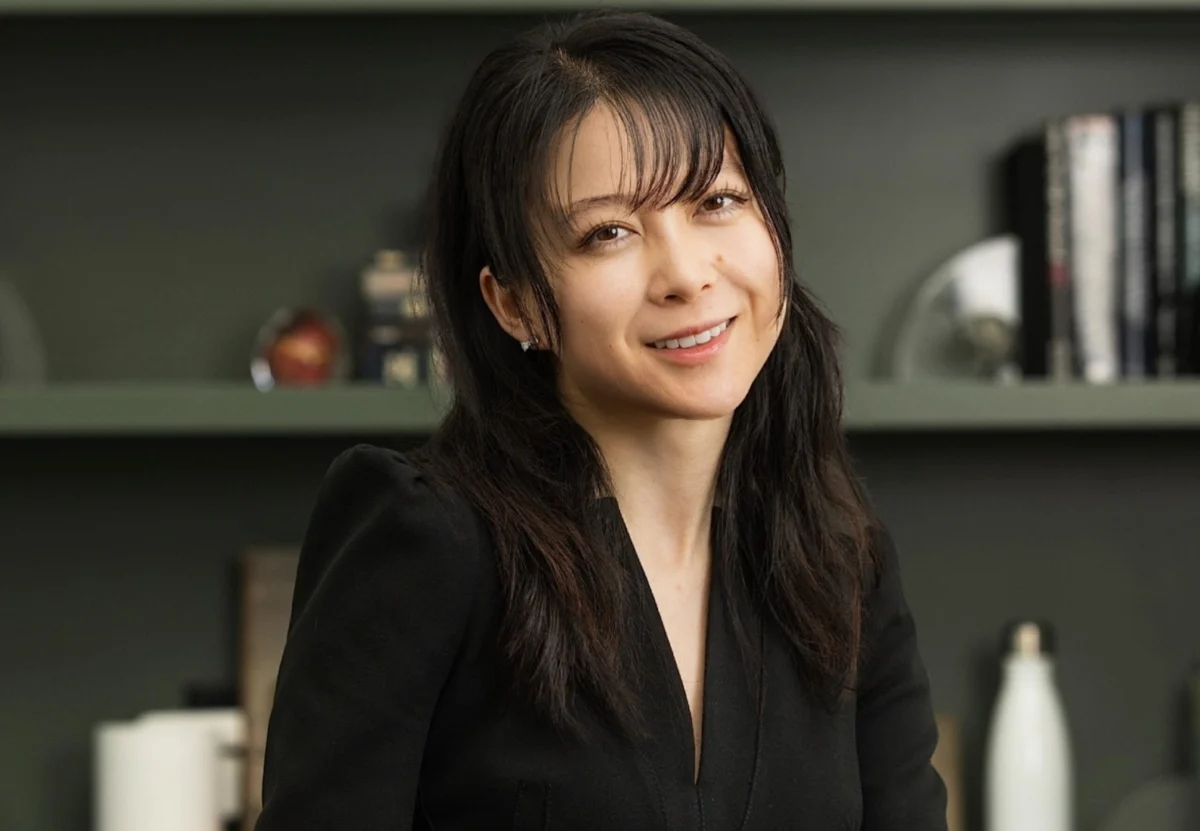
Christina Qi’s trajectory in the finance and technology sectors is a compelling narrative of ambition, resilience, and strategic pivots. At the remarkably young age of 21, while still an undergraduate at the Massachusetts Institute of Technology (MIT), Qi achieved a feat that eludes many seasoned finance professionals: she founded her own hedge fund, Domeyard. Under her leadership, Domeyard experienced significant growth, reaching a peak daily trading volume of $7 billion, a testament to her early prowess in the complex world of quantitative finance.
The foundation of Domeyard was laid during Qi’s formative years at MIT, a period often characterized by intense academic pursuit. Her decision to launch a hedge fund while still a student signaled an entrepreneurial spirit that transcended traditional academic paths. This early success highlighted her exceptional aptitude for understanding and navigating financial markets, leveraging sophisticated analytical strategies. The fund’s ability to manage substantial capital flows and execute high-volume trades within its initial years positioned it as a noteworthy player in the competitive hedge fund landscape.
However, the journey of Domeyard was not without its challenges. After eight years of operation, Qi and her co-founding partners encountered significant headwinds. In 2020, the fund experienced a substantial performance downturn, with a 12% decline in returns. This downturn, coupled with the realization that the fund’s operational model was becoming increasingly difficult to scale effectively, led to a pivotal decision. "We had a really bad year in 2020; performance was down 12%, and so we told our investors that we were shutting down," Qi shared in a recent interview with Entrepreneur. This candid admission underscores the inherent volatility and competitive pressures that define the hedge fund industry, where even well-established firms can face significant performance challenges.
The closure of Domeyard marked not an end, but a strategic redirection. In the same transformative year of 2020, Qi embarked on a new venture, co-founding Databento and assuming the role of its Chief Executive Officer. This new enterprise was born from a clear vision: to establish Databento as "the single source of truth for financial information." The company’s core mission revolves around providing comprehensive and high-quality market data to a diverse clientele, including researchers at hedge funds and artificial intelligence laboratories. This focus on data infrastructure and accessibility addresses a critical need within the rapidly evolving financial and technological ecosystems.
Databento’s impact has been swift and significant. The company now boasts an impressive customer base of 70,000 users, a figure that includes industry giants like Nvidia and OpenAI. This widespread adoption highlights the critical demand for reliable and granular financial data, particularly for organizations engaged in advanced research, algorithmic trading, and artificial intelligence development. The company’s rapid growth trajectory has been further validated by substantial financial backing. In July, Databento successfully closed a $97 million Series B funding round, bringing its total disclosed funding to approximately $127 million. While the startup’s valuation remains undisclosed, the substantial investment underscores investor confidence in its business model and market potential.
Further evidence of Databento’s financial health emerged earlier this year when Lou Lindley, the company’s head of quantitative analytics, revealed that the startup had achieved an 8-figure annual recurring revenue (ARR). This significant revenue milestone indicates a robust and sustainable business operation. Qi elaborated on this growth, stating, "We grew our revenue almost tenfold from a base well above single-digit millions." She also acknowledged the competitive landscape, noting, "We have a lot of competitors in this industry, which is probably why we don’t share exact figures." This strategic reticence regarding precise financial details is a common practice in highly competitive sectors, aimed at safeguarding proprietary information and maintaining a competitive edge.
Despite the concentration of its clientele in major financial hubs like Wall Street and Silicon Valley, Qi has chosen to maintain her operational base in her home state of Utah. This decision reflects a commitment to a different lifestyle and a belief in the efficacy of remote work. The company’s workforce of 38 employees operates entirely remotely, allowing for a diverse talent pool unconstrained by geographical limitations. Qi’s personal environment, characterized by her chickens, turtles, and long-time canine companion, stands in stark contrast to the fast-paced, often high-pressure environments typically associated with tech and finance leadership.
An Unconventional Founder’s Journey
Christina Qi’s narrative is deeply intertwined with the archetype of the American dream, albeit one forged through considerable personal struggle and against prevailing societal expectations. She grew up in a low-income household in Utah, relying on food stamps and welfare. Her educational journey to MIT represents a significant upward mobility, a testament to her academic merit and determination. "Was it harder? Maybe. Look, the starting line might have been a few steps back," Qi reflected, acknowledging the inherent disadvantages she faced due to her socioeconomic background. "It might have been a little bit more difficult as a result because of where I’m from."
This sense of being an outsider, compounded by her background, has sometimes led to her being underestimated in professional and social settings. Qi candidly shared experiences where her identity as a CEO was questioned or misconstrued. "When I go to a networking event, people sometimes ask if I can speak English," she recounted. "Or people think I’m a waitress. I got mistaken for a waitress eight or nine times now in my career. Even two weeks ago, I got mistaken as a waitress at a cafeteria." These incidents, while seemingly minor, point to deeper biases and assumptions that can impact individuals from underrepresented backgrounds.
Furthermore, persistent questions about her origins, often met with skepticism when she states she is from Utah, highlight an underlying expectation that her background must be something other than American. "People also say my English is great all the time, but it’s my native language," she added, underscoring the subtle yet pervasive nature of these microaggressions. These experiences, she noted, created a distinct "disadvantage" compared to her peers, a hurdle she had to continually overcome.
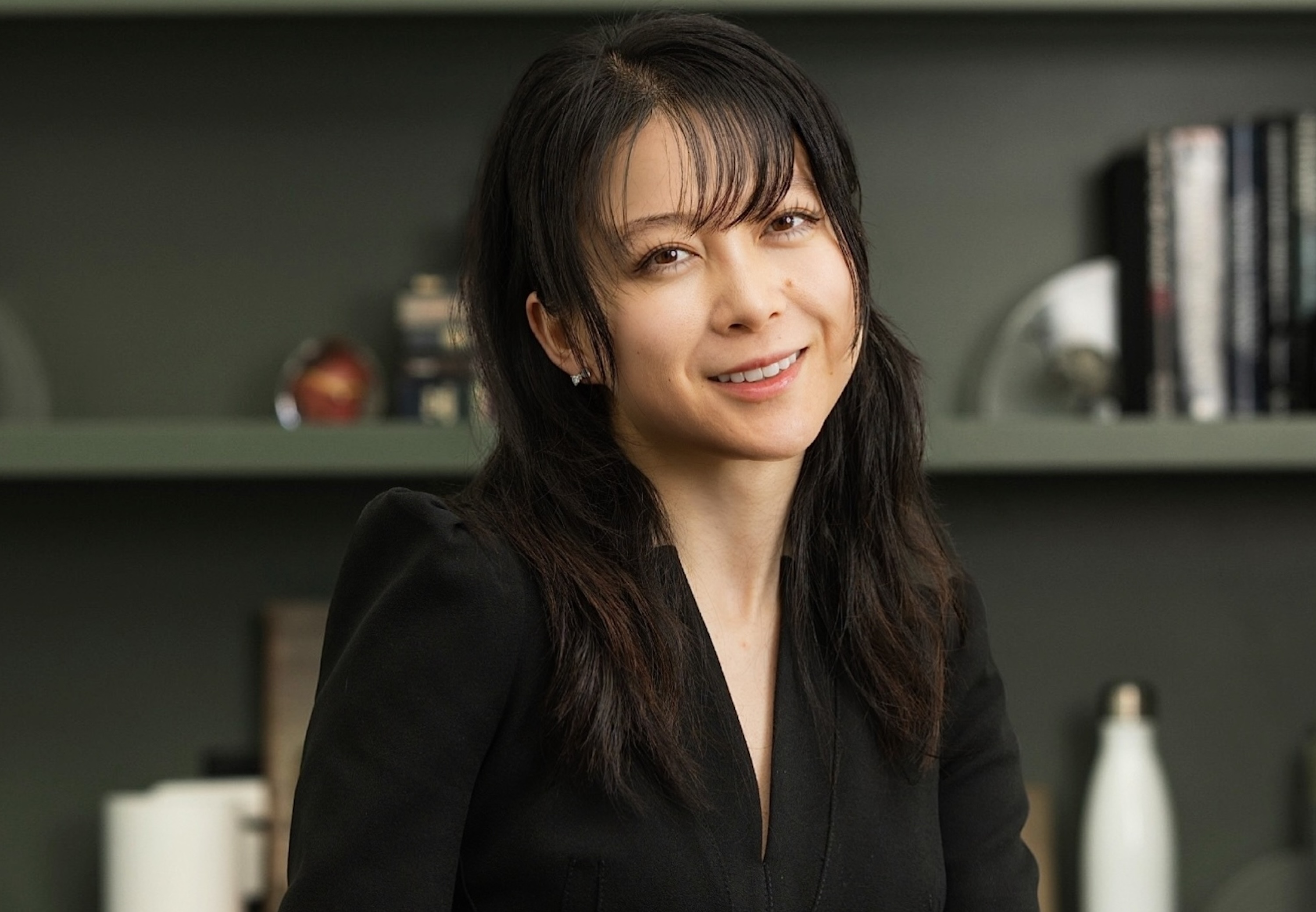
Despite these challenges, Qi’s professional achievements speak volumes. "I still managed to raise a lot of funding, hire a fantastic team and run a tech business selling to quants, who are mostly men in finance," she stated. "I’m in a very male-dominated industry, and I’ve managed to still be fine." Her success in navigating and excelling within a field historically dominated by men, and often characterized by implicit biases, serves as a powerful validation of her capabilities. Qi hopes her story will inspire others facing similar disadvantages to pursue their entrepreneurial aspirations without fear.
Beyond her business endeavors, Qi has actively engaged in initiatives aimed at empowering young women. In 2019, she was elected co-chair of the board of Invest in Girls, a non-profit organization dedicated to fostering financial literacy among high school girls. Her involvement with organizations like 100 Women in Finance, which supports women’s career advancement in the financial sector, further demonstrates her commitment to creating a more equitable and inclusive industry. These roles reflect a dedication to mentorship and a desire to equip the next generation with the knowledge and confidence to succeed.
A Shift in Mindset: Embracing Failure as a Catalyst
In many cultures, including the Asian American community from which Qi hails, admitting failure is often viewed with significant stigma. This cultural backdrop influenced Qi’s early perception of setbacks. During her freshman year at MIT, a rejection from her first internship application triggered a profound emotional response. "I cried," she recalled, describing it as a "core memory." This initial sting of failure was a formative experience, prompting her to re-evaluate her approach.
The subsequent application process involved a rigorous campaign of applying to approximately 100 internships. This iterative process led to a significant recalibration of her perspective. "You realize, ‘Oh, rejection is just normal,’" Qi explained. "The first time, it hurts the most." This realization marked a critical turning point, transforming her understanding of failure from a catastrophic event to an inevitable and even instructive part of the journey.
This evolved mindset has become a cornerstone of her professional life. Qi now views failure not as an endpoint, but as an intrinsic component of her daily activities as a founder and CEO. She acknowledges that rejections from investors and customers are commonplace and a necessary part of putting herself and her company forward. "If she is not facing failure, then she is not doing enough or putting herself out there enough," she stated. This philosophy aligns with the entrepreneurial adage that one must embrace risk and actively seek opportunities, even if they lead to setbacks.
"Part of your job description as a founder, as a CEO, is to put yourself out there, embarrass yourself on stage and get rejected," Qi asserted. This perspective was particularly relevant when she made the difficult decision to close Domeyard. In a LinkedIn post from July 2023, she described the experience as "losing a part of my identity" and acknowledged that "letting go was one of the most difficult decisions we’ve ever made." This vulnerability in sharing the emotional toll of such a significant business closure resonates with many entrepreneurs who have navigated similar transitions.
Reflecting on the period leading up to the closure of Domeyard, Qi credited her friends for their encouragement during a particularly challenging year in 2020. They urged her to take a break and reassess her career path. This period of introspection proved to be the fertile ground from which Databento emerged. The courage to initiate a new venture after the dissolution of her first, despite the inherent risks and emotional weight, demonstrates a profound capacity for learning and reinvention. She was able to leverage the lessons learned from Domeyard’s challenges to inform the strategic direction and operational framework of Databento.
The Founder Archetype: Collaboration Over Competition
Qi also advocates for a departure from the traditional, often cutthroat, founder archetype. She observes a prevalent mindset in the entrepreneurial world that prioritizes aggressive competition, where individuals may "step over other founders to obtain funding and attention." In contrast, Qi champions a more collaborative approach, encouraging leaders to foster mutual support within the entrepreneurial ecosystem.
"You can succeed and raise each other up and support each other, even as competitors in this industry," she stated. "That is absolutely possible. That’s what I have done and strive to do with a lot of our competitors in this space, with other founders." This philosophy underscores a belief that collective progress and shared success can coexist with individual ambition. By fostering a spirit of camaraderie and mutual encouragement, entrepreneurs can create a more robust and supportive environment for innovation and growth, ultimately benefiting the entire industry. This approach suggests that true leadership lies not only in achieving personal success but also in lifting others along the way, creating a more sustainable and ethical business landscape.