Lina Wu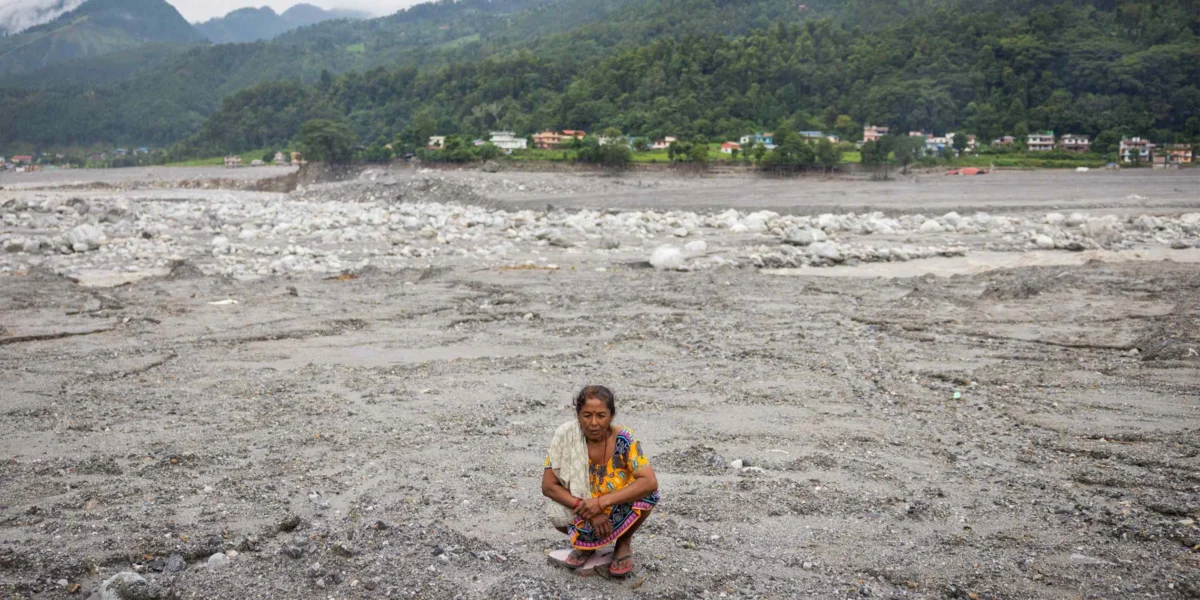
The recent deluge that swept across Nepal, triggered by relentless monsoon rains, has unleashed a catastrophic wave of flash floods and mudslides, leaving a devastating scar on the nation’s landscape and its people. The sheer ferocity of the storms, which intensified in late August and continued through September, has resulted in widespread destruction, claiming lives, displacing thousands, and crippling essential infrastructure. The images emerging from affected regions, particularly from the districts of Nuwakot, Sindhupalchok, and Gorkha, paint a grim picture of a nation grappling with the immediate aftermath of nature’s fury. Homes have been reduced to rubble, fertile agricultural land submerged under thick layers of silt, and vital transportation routes severed, isolating communities and hindering rescue efforts. The human toll is particularly heart-wrenching, with reports of missing persons and the permanent loss of loved ones casting a long shadow over the affected families.
The Onset of the Catastrophe: A Chronology of Devastation
The monsoon season in Nepal, typically a period of much-needed rainfall for agriculture, took a perilous turn this year. While intermittent heavy showers are normal, the intensity and duration of the downpours in late August and September escalated beyond seasonal expectations. Meteorologists attributed the extreme weather patterns to a confluence of factors, including a particularly active monsoon trough and shifting atmospheric conditions.
The first major wave of incidents began in earnest around the last week of August. Reports of rising river levels and localized flooding started trickling in from various mountainous and mid-hill districts. By early September, the situation had deteriorated significantly. The Trishuli River, a major waterway flowing through central Nepal, breached its banks in several locations, inundating communities along its course. Nuwakot district, a region known for its agricultural productivity and close proximity to the capital, Kathmandu, became one of the hardest-hit areas.
On September 9th, the image of Shanti Dangol, standing atop the mud-caked remnants of her home in Betrawati, Nuwakot, became a stark symbol of the destruction. Her home, like countless others, was buried under thick layers of sludge and debris, a chilling testament to the power of the flash floods. This event, while deeply personal for Ms. Dangol, represented the widespread reality faced by thousands across the country.
As the month progressed, the scale of the disaster became increasingly apparent. Sindhupalchok district, situated in the northeastern part of the country, also experienced severe landslides and flash floods, further compounding the crisis. The challenging terrain of these hilly regions made rescue and relief operations exceptionally difficult, with many areas becoming inaccessible due to damaged roads and bridges. The monsoon’s relentless grip continued into October, with sporadic heavy rainfall exacerbating the already precarious situation and raising concerns about further landslides.
The Human Cost: Displacement and Loss
The immediate and most devastating impact of the floods has been on the lives and livelihoods of the Nepalese people. Official figures, though constantly being updated as assessments continue, indicate a significant number of fatalities and injuries. Beyond the tragic loss of life, the floods have rendered tens of thousands of people homeless. Families have lost their homes, their belongings, and their sources of income, thrusting them into a state of profound vulnerability.
The agricultural sector, the backbone of Nepal’s economy, has suffered immensely. Vast tracts of fertile land have been rendered unusable, buried under meters of silt and debris. This not only represents an immediate loss of crops and potential harvests but also poses a long-term threat to food security and the economic stability of farming communities. The economic implications are far-reaching, impacting not just individual farmers but the broader national economy that relies heavily on agricultural output.
Displacement has become a harsh reality for many. Temporary shelters, often overcrowded and lacking adequate sanitation and resources, have become the new homes for those who have lost everything. The psychological toll of such displacement, coupled with the trauma of witnessing destruction and loss, is immense and will require sustained support and rehabilitation efforts.
Supporting Data: Quantifying the Impact
While precise, up-to-the-minute statistics are challenging to compile in the immediate aftermath of such a widespread disaster, available data offers a sobering insight into the scale of the catastrophe.
- Affected Population: Preliminary assessments by national disaster management authorities and international aid agencies indicate that well over 100,000 people have been directly affected by the floods and landslides, with a significant portion requiring immediate assistance and temporary shelter.
- Displaced Households: Reports suggest that tens of thousands of households have been displaced, losing their homes and most of their possessions. This figure is likely to rise as more comprehensive surveys are conducted.
- Infrastructure Damage: The damage to critical infrastructure is extensive. Hundreds of kilometers of roads have been rendered impassable, isolating many communities. Numerous bridges have been washed away, hampering relief efforts and economic activity. Damage to schools, health facilities, and power lines further exacerbates the crisis.
- Agricultural Losses: While exact figures are still being compiled, preliminary estimates point to substantial losses in agricultural production. This includes damage to standing crops, loss of livestock, and the destruction of irrigation systems. The long-term impact on food security is a significant concern.
- Economic Impact: The economic ramifications are profound. Beyond agricultural losses, the destruction of homes, businesses, and infrastructure represents a significant setback for Nepal’s already developing economy. Reconstruction efforts will require substantial financial investment and will likely impact national budgets for years to come.
Official Responses and International Aid
The Nepalese government, in coordination with its various disaster management agencies, has been at the forefront of the relief and rescue operations. The National Disaster Risk Reduction and Management Authority (NDRRMA) has been instrumental in coordinating efforts, mobilizing resources, and disseminating information.
- Immediate Relief Efforts: The government has deployed security forces, including the Nepali Army, Nepal Police, and Armed Police Force, to assist in rescue operations, evacuation of affected populations, and the distribution of essential supplies such as food, water, and medicine.
- Emergency Shelters and Medical Aid: Efforts have been made to establish temporary shelters for the displaced and to provide medical assistance to the injured. Mobile medical teams have been dispatched to remote areas to address immediate health needs and prevent outbreaks of waterborne diseases.
- Damage Assessment and Reconstruction Planning: The government has initiated comprehensive damage assessments to understand the full extent of the destruction and to formulate long-term reconstruction and rehabilitation plans. This includes identifying priority areas for rebuilding homes, infrastructure, and restoring livelihoods.
The scale of the disaster has also prompted an outpouring of international support.
- International Humanitarian Assistance: Several countries and international organizations, including the United Nations, the World Health Organization, and various non-governmental organizations, have pledged and are providing crucial humanitarian aid. This includes financial assistance, emergency supplies, and technical expertise for rescue and rehabilitation efforts.
- Logistical Support: International partners are also contributing to logistical support, helping to transport relief materials and personnel to affected areas, particularly those that are difficult to access.
- Expertise in Disaster Management: Foreign aid is also being directed towards providing expertise in areas such as infrastructure assessment, health support, and long-term recovery planning.
However, the sheer magnitude of the devastation presents a formidable challenge, and the needs on the ground continue to outstrip the available resources. Effective coordination between national and international efforts remains paramount to ensure that aid reaches those who need it most efficiently.
Broader Implications: Climate Resilience and Future Preparedness
The recent floods serve as a stark reminder of Nepal’s vulnerability to the impacts of climate change. While monsoons are a natural phenomenon, the increasing frequency and intensity of extreme weather events are consistent with global climate change projections.
- Climate Change Vulnerability: Nepal, with its mountainous terrain and reliance on climate-sensitive sectors like agriculture and hydropower, is particularly susceptible to the vagaries of climate change. The recent floods underscore the urgent need for robust climate adaptation and mitigation strategies.
- Infrastructure Resilience: The extensive damage to infrastructure highlights the need for more resilient construction practices and better urban planning, particularly in disaster-prone areas. Investing in earthquake-resistant and flood-resilient infrastructure is crucial for long-term development.
- Early Warning Systems: Enhancing and expanding early warning systems for floods and landslides is critical. Timely and accurate information can significantly reduce loss of life and property by allowing for timely evacuations and preparedness measures.
- Community Preparedness and Education: Empowering local communities with knowledge and resources for disaster preparedness is vital. This includes training in search and rescue, first aid, and understanding early warning signals.
- Sustainable Land Use and Environmental Management: Addressing issues such as deforestation, unsustainable agricultural practices, and haphazard construction in vulnerable areas can help mitigate the risk of landslides and floods. Promoting responsible land use and environmental conservation is essential for long-term resilience.
The road to recovery for Nepal will be long and arduous. Beyond the immediate relief and rehabilitation efforts, the nation must also focus on building long-term resilience against future climate-related disasters. This requires sustained investment, effective policy implementation, and a collective commitment to adapting to a changing climate. The images of devastation, like that of Shanti Dangol amidst the ruins of her home, serve as a powerful call to action, urging both national and international communities to support Nepal not only in its immediate recovery but also in its journey towards a more resilient future.