Lina Wu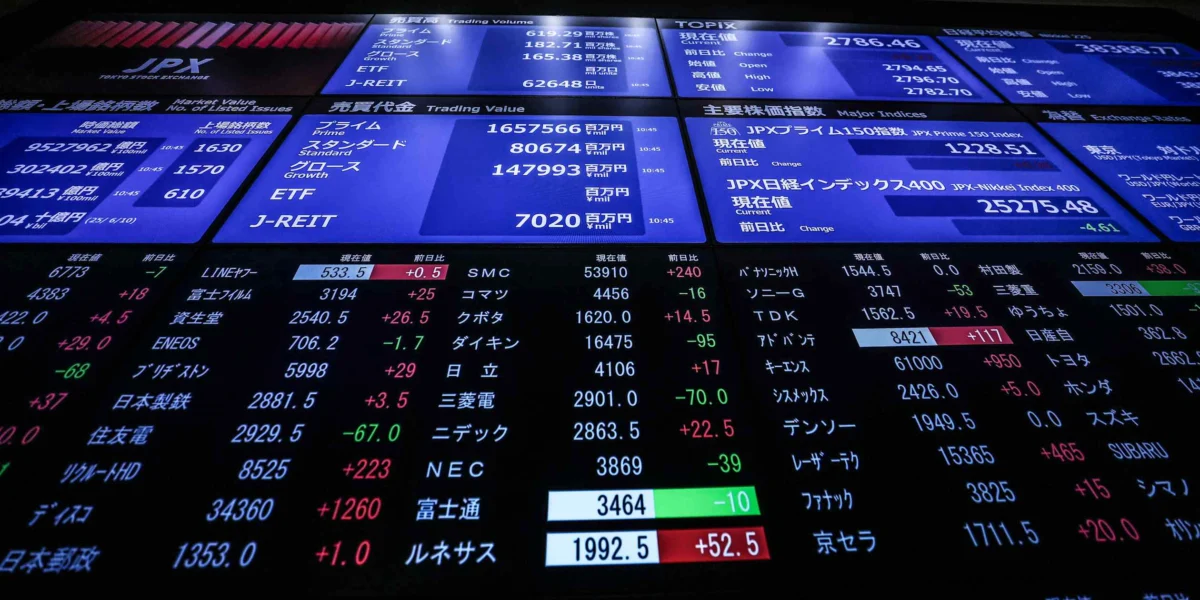
TOKYO – The Tokyo Stock Exchange’s concerted push for enhanced corporate governance has reached a significant inflection point, as its parent entity, the Japan Exchange Group (JPX), revealed on Wednesday an ambitious plan to reduce the constituent companies of the widely tracked TOPIX stock market index by up to 40%. This substantial contraction, bringing the number of included firms down from 1,636 to an estimated 986, signifies a tightening of listing standards and a clear signal of the exchange’s commitment to elevating the quality and attractiveness of its listed companies. The move, slated to take effect in the coming year, is expected to reshape the landscape of Japanese equities and further bolster the nation’s appeal to discerning international investors.
The Genesis of a Governance Overhaul
The roots of this significant index adjustment can be traced back to a broader, multi-year initiative by the Tokyo Stock Exchange to fundamentally reform Japan’s corporate governance framework. Launched in earnest in the early 2010s, these reforms were a direct response to persistent concerns regarding issues such as cross-shareholdings, entrenched management, a lack of independent oversight, and ultimately, a perceived undervaluation of Japanese corporate assets compared to their global peers. Foreign investors, a crucial source of capital for any major stock market, had long cited these governance deficiencies as a deterrent, leading to a chronic discount in the valuation of Japanese stocks.
A pivotal moment in this reform trajectory was the introduction of the Corporate Governance Code in 2015. This landmark code, while not legally binding, set forth principles and guidelines for companies to adopt more robust governance practices. It encouraged the appointment of independent directors, promoted greater transparency in executive compensation, and urged companies to actively engage with shareholders. The code has been revised periodically, with subsequent updates in 2018 and 2021 further strengthening its provisions and expanding its scope, including a greater emphasis on diversity and sustainability.
The JPX’s decision to recalibrate the TOPIX index is a direct consequence of the evolution and strengthening of these governance requirements. The exchange has progressively raised the bar for companies seeking or maintaining a listing, and the index’s composition now reflects these elevated standards. By removing companies that have not met the more stringent criteria, the TOPIX will, in theory, become a more concentrated and higher-quality representation of the Japanese corporate sector.
A Chronology of Change
The journey to this point has been a deliberate and phased process. The initial impetus for governance reform gained momentum in the aftermath of the global financial crisis, as Japan sought to regain its economic footing and attract foreign investment. Key milestones include:
- 2013: The Abe administration, under Prime Minister Shinzo Abe, announced its "three arrows" economic policy, with "third arrow" focusing on structural reforms, including corporate governance improvements. This provided a strong political tailwind for the exchange’s initiatives.
- 2015: The first iteration of the Corporate Governance Code was introduced, setting foundational principles for listed companies.
- 2018: The Code was revised to enhance its effectiveness, with a greater focus on the role of independent directors and shareholder engagement.
- 2020: The Tokyo Stock Exchange announced its plan to overhaul its market segments, moving towards a more streamlined structure with clearer distinctions based on company size and governance quality. This included the establishment of the Prime Market, the top tier, which has become the de facto benchmark for companies demonstrating strong governance.
- 2021: The revised Corporate Governance Code was implemented, introducing stricter requirements and a greater emphasis on diversity, sustainability, and disclosure.
- October 2026: The JPX announces the significant reduction in TOPIX constituents, a direct outcome of the tightened listing standards and the ongoing governance reforms.
This extended timeline highlights the strategic and patient approach taken by Japanese authorities and the stock exchange to foster sustainable improvements in corporate behavior rather than implementing hasty, superficial changes.
Supporting Data: The TOPIX and Its Significance
The TOPIX (Tokyo Stock Price Index) is a cornerstone of the Japanese equity market, serving as a broad-based measure of the performance of domestic stocks listed on the Tokyo Stock Exchange’s Prime Market. Its broad composition, encompassing a significant portion of the Japanese equity universe, makes it a vital benchmark for institutional investors, fund managers, and financial analysts. Historically, the TOPIX has included a large number of companies, reflecting Japan’s vast industrial base and the historical prevalence of smaller, family-controlled businesses.
The decision to reduce the number of constituents by up to 40% means that approximately 650 companies will be removed from the index. This is not merely a statistical adjustment; it signifies that these companies, by the exchange’s new benchmarks, do not meet the required standards for governance, liquidity, or market capitalization. Companies that are removed will likely face increased scrutiny from investors and may experience a decline in their stock’s liquidity and attractiveness.
The TOPIX has historically been influenced by the performance of large-cap companies, but its broad nature also provides insights into the health of the broader Japanese economy. The current reform aims to create a TOPIX that is more reflective of companies that are actively embracing global best practices in governance and are therefore more likely to be attractive to international investors seeking transparency and accountability. This could lead to a higher overall valuation for the remaining companies in the index.
Official Responses and Market Reactions
The announcement from the Japan Exchange Group was met with a mixture of anticipation and strategic assessment from market participants. While the precise list of companies to be removed has not yet been finalized, the broad outline has provided clarity for investment strategies.
A spokesperson for the Japan Exchange Group, speaking on condition of anonymity due to the ongoing nature of the review process, stated, "This recalibration of the TOPIX index is a crucial step in our ongoing commitment to enhancing the quality and attractiveness of the Japanese equity market. By raising our listing standards and ensuring that companies within our key indices adhere to the highest levels of corporate governance, we aim to provide greater confidence to both domestic and international investors. This move is designed to foster a more dynamic and transparent market environment that rewards well-governed companies."
Industry analysts have largely viewed the move positively, albeit with some caveats. Masaru Tanaka, Chief Equity Strategist at a prominent Tokyo-based investment bank, commented, "This is a bold and necessary move. For years, foreign investors have highlighted governance as a key concern. By culling the index, the TSE is sending a strong message that compliance and best practices are paramount. While some smaller companies might face challenges, the overall effect should be a more robust and internationally competitive market. We anticipate increased foreign inflows into the remaining TOPIX constituents."
However, concerns have been raised about the potential impact on smaller companies that may struggle to meet the elevated requirements. "While the intention is commendable, we must ensure that this reform does not inadvertently disadvantage promising smaller businesses that may be on a growth trajectory but haven’t yet fully implemented all aspects of the governance code," cautioned a representative from a Japanese small-cap investor association. "Support mechanisms and guidance for these companies will be crucial to ensure a smooth transition."
Broader Impact and Implications
The implications of this significant reduction in TOPIX constituents are far-reaching and multifaceted.
Enhanced Investor Confidence and Inflows
Perhaps the most immediate and intended consequence is the potential for a substantial boost in foreign investor confidence. By presenting a more curated and governance-focused index, the Tokyo Stock Exchange is actively addressing a long-standing barrier to international capital. This could translate into increased demand for Japanese equities, leading to higher valuations and improved liquidity for the companies that remain in the TOPIX. International index funds and ETFs that track the TOPIX will also need to rebalance their portfolios, potentially directing significant capital towards the remaining constituents.
Increased Scrutiny and Corporate Action
The companies that are removed from the TOPIX will face heightened scrutiny from investors, analysts, and the market at large. This could pressure them to accelerate their governance reforms to regain inclusion or to improve their overall corporate performance. For some, the removal might serve as a catalyst for strategic reviews, mergers, or even delistings if they are unable to meet the evolving standards.
A More Focused and Efficient Market
A more concentrated index means that the TOPIX will be more representative of the leading, well-governed companies in Japan. This can lead to a more efficient market, where capital is more likely to flow to companies with stronger fundamentals and better management. It could also simplify investment decisions for those who rely on broad market indices as a proxy for the Japanese economy.
Potential for Sectoral Shifts
The composition of the TOPIX will undoubtedly shift. It is anticipated that sectors with a higher concentration of large, globally-oriented companies with established governance practices, such as technology, automotive, and certain financial services, may see their representation increase. Conversely, sectors with a larger number of smaller, domestically focused companies that may lag in governance adoption could see their influence diminish.
Long-Term Economic Benefits
Ultimately, the success of these governance reforms and the subsequent index recalibration is expected to contribute to Japan’s long-term economic vitality. By fostering a more transparent, accountable, and investor-friendly corporate environment, Japan aims to unlock greater shareholder value, attract sustained foreign investment, and enhance its overall competitiveness on the global economic stage. The move by the JPX is a clear testament to the nation’s dedication to achieving these ambitious goals.