Clara Shinta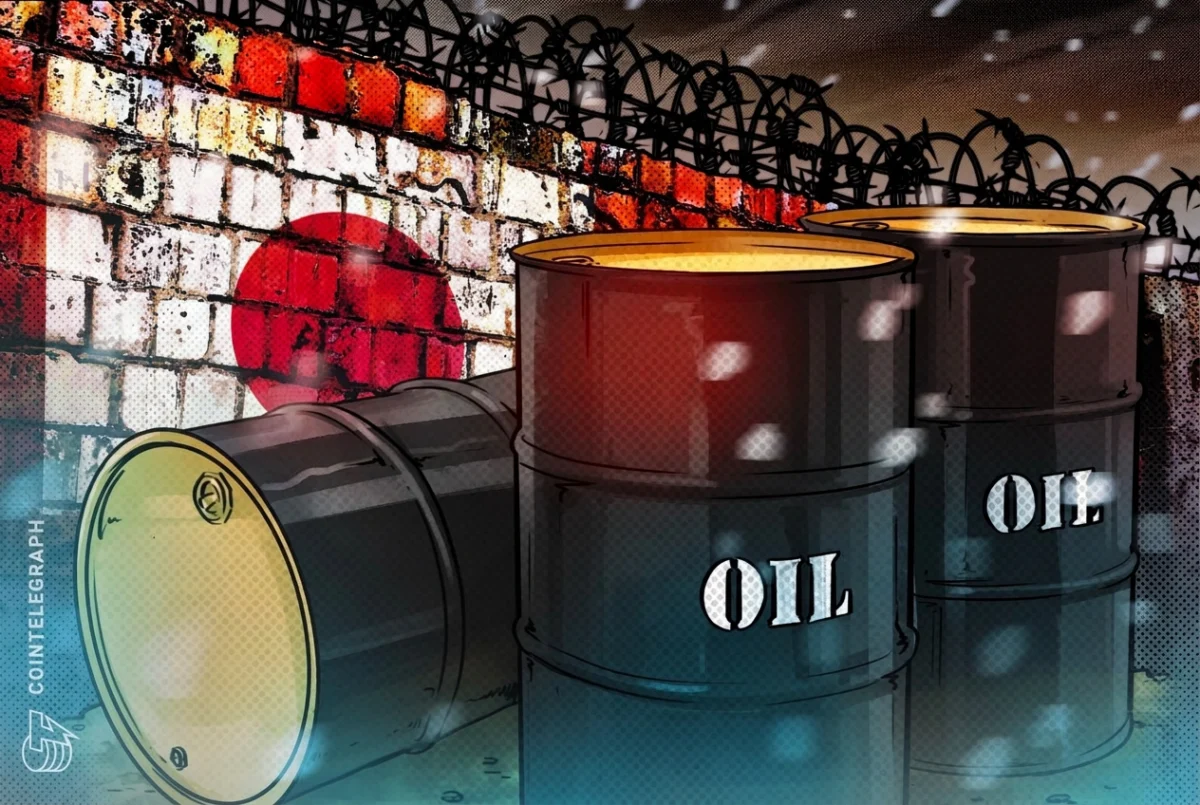
The Japanese government has significantly broadened its punitive measures against Russia, citing the protracted and devastating war in Ukraine, in a move that aligns with international partners to intensify economic pressure on Moscow. This latest round of sanctions, announced on Friday through a joint statement from Japan’s Ministry of Foreign Affairs, Ministry of Finance, and Ministry of Economy, Trade and Industry, specifically targets the Russian cryptocurrency exchange Garantex, adding it to an asset freeze list that severely restricts payments and capital transactions with designated entities. Beyond the realm of digital assets, the comprehensive package also includes 33 additional organizations and nine individuals with ties to Russia, alongside a substantial focus on Russia’s maritime oil trade by designating 35 vessels identified as part of the clandestine "shadow fleet" – a network crucial for circumventing existing global energy sanctions.
Deep Dive into the New Sanctions
The inclusion of Garantex marks a critical escalation in Japan’s strategy to disrupt Russia’s access to international finance, particularly through channels perceived as opaque or difficult to monitor. Garantex has garnered international notoriety for allegedly facilitating illicit financial transactions and aiding Russian entities in evading the stringent financial restrictions imposed by numerous nations since the full-scale invasion of Ukraine in February 2022. The exchange had previously been sanctioned by the United States, the European Union, and other key jurisdictions, underscoring a concerted global effort to sever Russia’s financial lifelines. By placing Garantex on its asset-freeze list, Japan aims to cut off any remaining avenues through which the exchange might operate within its jurisdiction or leverage its financial system. The asset freeze mechanism prohibits Japanese individuals and entities from engaging in any transactions, including payments and capital movements, with Garantex or any other designated party, effectively isolating them from the Japanese financial ecosystem.
The sanctions against the 35 vessels belonging to the "shadow fleet" represent a potent new front in the economic war against Russia. This fleet, comprising often older and less regulated tankers, operates outside conventional maritime insurance and registration frameworks, enabling Russia to export its crude oil discreetly and bypass the G7-led price cap mechanism. The new Japanese measures are designed to cripple the operational viability of these vessels by specifically restricting essential services such as repairs and insurance coverage. Without access to reputable insurance providers or maintenance facilities, these ships face increased risks of accidents, environmental disasters, and ultimately, an inability to transport oil efficiently or safely. This targeted approach seeks to directly reduce Russia’s substantial earnings from crude oil exports, which remain a primary source of funding for its military operations in Ukraine.
Background and Context: A Global Effort Against Russian Aggression
Japan’s expanded sanctions are part of a broader, synchronized international response to Russia’s ongoing aggression against Ukraine. Since February 2022, when Russia launched its full-scale invasion, a coalition of nations, primarily led by the G7 and the European Union, has implemented unprecedented sanctions designed to cripple the Russian economy, degrade its military-industrial complex, and isolate it financially and politically. These measures have targeted Russia’s central bank, major state-owned enterprises, key financial institutions, high-ranking officials, oligarchs, and critical sectors such as energy, technology, and defense.
Japan, as a prominent member of the G7, has consistently aligned itself with these international efforts, despite its historical economic ties to Russia, particularly in energy. Prior to the invasion, Russia was a significant supplier of natural gas and oil to Japan, and Japanese companies held stakes in major Russian energy projects like Sakhalin-2. However, in solidarity with Ukraine and its Western allies, Tokyo has progressively tightened its sanctions regime, demonstrating its commitment to upholding international law and condemning unilateral territorial aggression. The latest measures underscore Japan’s resolve to close any remaining loopholes that Russia might exploit to finance its war machine.
Chronology of Sanctions and Evasion Tactics
The history of sanctions against Garantex and the broader challenge of crypto-based evasion reveals a complex cat-and-mouse game between financial regulators and illicit actors.
- 2014-2021: Following Russia’s annexation of Crimea, initial, more limited sanctions were imposed by Western nations. During this period, the use of cryptocurrencies for illicit finance began to grow, though not yet a primary focus for sanctions evasion against Russia.
- February 2022: Russia’s full-scale invasion of Ukraine triggers an immediate and sweeping wave of international sanctions from the US, EU, UK, Japan, Canada, and others. These include freezing central bank assets, disconnecting major Russian banks from SWIFT, and targeting key individuals and industries.
- April 2022: The U.S. Treasury’s Office of Foreign Assets Control (OFAC) first sanctions Garantex, alleging its involvement in facilitating transactions for illicit actors, including darknet markets and ransomware gangs, and subsequently aiding Russian entities in evading sanctions. This marked a significant move in targeting cryptocurrency exchanges for sanctions evasion.
- Mid-2022 onwards: Reports emerge from blockchain intelligence firms like Chainalysis and TRM Labs highlighting an uptick in crypto usage by Russian entities and individuals to circumvent financial restrictions. Specific exchanges, including Garantex, are identified as key facilitators.
- Late 2023 – Early 2024: The EU and other jurisdictions follow suit, imposing their own sanctions on Garantex and similar entities, reflecting a growing international consensus on the need to address crypto-enabled sanctions evasion.
- August 2025 (as per original article’s reporting): Cointelegraph reported that blockchain intelligence firm TRM Labs uncovered evidence suggesting Garantex had developed a "contingency plan" to skirt the impact of U.S. actions. This plan reportedly involved preparing for enforcement measures well in advance, allowing the rapid migration of clients, infrastructure, and funds to successor platforms. This report highlighted the inherent agility of crypto entities in adapting to regulatory pressure.
- Shortly after August 2025 (as per original article’s reporting): The U.S. Treasury’s OFAC takes further action, sanctioning Garantex a second time, alongside its alleged successor, Grinex. This move underscored the challenge of sanctioning decentralized or agile digital asset platforms that can quickly rebrand or reconstitute themselves. TRM Labs’ analysis at the time suggested these sanctions might still prove ineffective due to the pre-planned migration strategies.
- This Friday (recent announcement): Japan officially adds Garantex to its asset-freeze list, joining the growing chorus of nations attempting to curb its operations.
The Resilience of Evasion: Shadow Fleets and Crypto Loopholes
The ongoing battle against sanctions evasion highlights the persistent challenges faced by international bodies. The "shadow fleet," for instance, is a testament to Russia’s determination to maintain its oil revenues. Estimates suggest this fleet could comprise hundreds of tankers, many of which are older vessels nearing the end of their operational lives. They often operate under flags of convenience, switch off their transponders to avoid detection ("dark activities"), and engage in ship-to-ship transfers in international waters to obscure the origin and destination of their cargo. The lack of proper insurance and maintenance for these vessels not only poses significant environmental risks but also complicates enforcement efforts, as tracing ownership and liability becomes exceedingly difficult.
Similarly, cryptocurrency exchanges like Garantex exploit the pseudonymous nature of digital asset transactions and the global, borderless architecture of the blockchain. While transactions are recorded on a public ledger, identifying the real-world identities behind wallet addresses requires sophisticated forensic analysis. Entities like Garantex often cater specifically to populations or organizations seeking to bypass traditional financial systems, sometimes for legitimate reasons, but frequently for illicit activities including money laundering, ransomware payments, and sanctions evasion. The ability of these platforms to "reboot" or migrate to new iterations, as seen with Garantex and Grinex, presents a continuous challenge for regulators. It necessitates a dynamic and coordinated international response that can adapt as quickly as the evasive tactics evolve.
International Coordination and Broader Impact
Japan’s latest measures are a direct outcome of intensified coordination among G7 nations. During recent G7 summits and ministerial meetings, leaders have repeatedly affirmed their commitment to maximizing pressure on Russia. The targeting of both cryptocurrency exchanges and the shadow fleet reflects a strategic shift towards comprehensive enforcement across all potential avenues of evasion.
The economic impact of sanctions on Russia has been significant, though not catastrophic, largely due to Russia’s ability to adapt and find new markets, particularly for its energy exports in Asia. Data from the International Monetary Fund (IMF) and other financial institutions indicates that Russia’s GDP initially contracted sharply after the invasion but has shown resilience, partly fueled by high energy prices in 2022 and substantial government spending on defense. However, long-term projections point to a weakening industrial base, a brain drain, and reduced access to critical Western technology, hindering modernization and growth. These new sanctions, by specifically targeting oil revenue and the financial infrastructure that facilitates evasion, aim to further constrict Russia’s fiscal capacity. Each percentage point reduction in Russia’s oil export earnings translates directly into less funding for its military.
Expert Analysis and Future Outlook
Experts on international sanctions and financial crime generally commend the coordinated efforts but also highlight the persistent challenges. "Japan’s move to sanction Garantex and the shadow fleet is crucial for closing loopholes, but the cat-and-mouse game will continue," stated Dr. Eleanor Vance, a senior fellow at the Global Sanctions Institute. "The agility of crypto platforms and the opaque nature of maritime shipping demand constant vigilance and adaptive enforcement from international bodies. The key will be sustained pressure and shared intelligence across jurisdictions."
The effectiveness of these sanctions will hinge on several factors: the robustness of enforcement within Japan, the degree of international cooperation in identifying and interdicting shadow fleet vessels, and the ability of regulators to anticipate and counter the next generation of evasion tactics in the crypto space. The specific restriction of services like repairs and insurance to the designated vessels is a powerful tool, as most legitimate maritime operations cannot function without these provisions. However, a parallel, illicit network of service providers could emerge, mirroring the shadow fleet itself.
Looking ahead, the international community is likely to continue refining its sanctions architecture. This could include further targeting of entities providing logistical support to the shadow fleet, deeper collaboration with maritime intelligence agencies, and more sophisticated approaches to tracking and disrupting crypto networks involved in sanctions evasion. The ongoing struggle against Russia’s war economy underscores the evolving nature of modern financial warfare, where traditional economic levers are increasingly complemented by targeted measures against digital assets and clandestine supply chains. Japan’s latest actions represent a significant, albeit challenging, step forward in this complex global endeavor to hold Russia accountable for its actions in Ukraine.