Lina Wu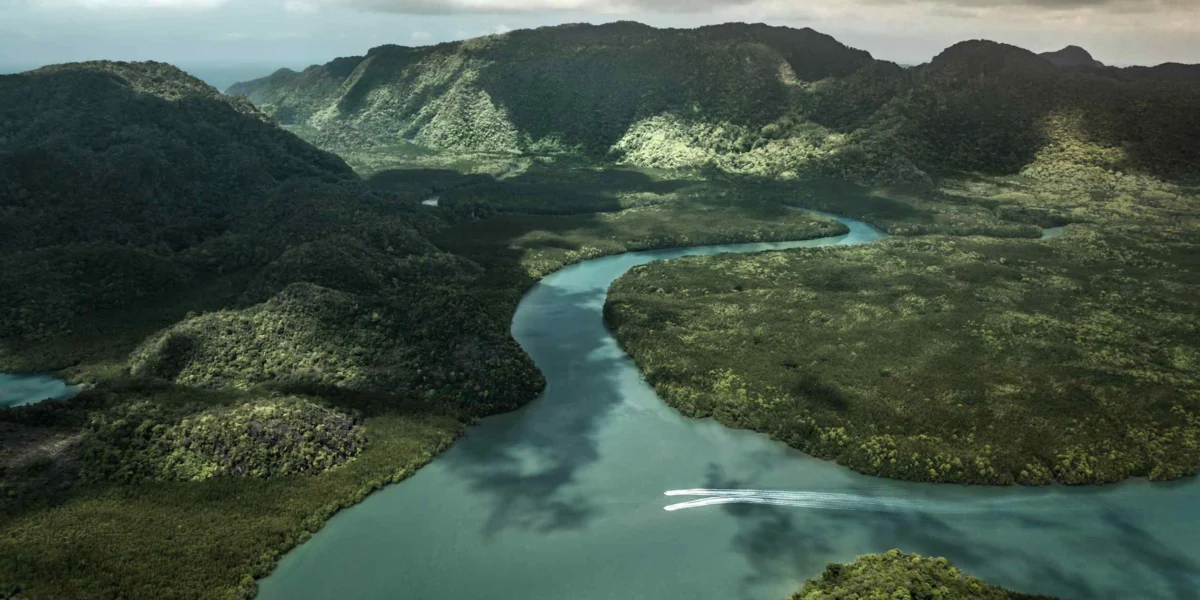
KUAH, Malaysia – The allure of Langkawi, an archipelago of 99 islands off Malaysia’s west coast, often conjures images of idyllic beachside retreats, a staple of travel aspirations for many. Visitors typically arrive with a pre-conceived notion of languid afternoons spent basking on sun-drenched shores, followed by evenings indulging in the vibrant culinary scene, with dishes like nasi lemak – fragrant rice cooked in coconut milk and pandan leaves – leading the gastronomic journey, and the bustling night markets offering a sensory feast. This quintessential island fantasy, however, represents only one facet of Langkawi’s multifaceted appeal, a destination that has evolved significantly in its tourism offerings and infrastructure, driven by strategic development and a keen understanding of global travel trends.
Historical Context and Evolution of Langkawi’s Tourism
Langkawi’s transformation from a relatively sleepy agricultural and fishing community to a prominent international tourist destination is a narrative of deliberate planning and investment. For decades, the islands remained largely untouched by mass tourism, preserving their natural beauty and traditional way of life. The pivotal shift began in the late 1980s and early 1990s when the Malaysian government identified Langkawi as a key area for tourism development. This strategic initiative aimed to diversify the national economy and leverage the islands’ natural assets.
The declaration of Langkawi as a duty-free island in 1987 was a watershed moment. This policy change spurred significant investment in infrastructure, including the development of hotels, resorts, transportation links, and commercial centers. The goal was to attract not only leisure travelers but also to position Langkawi as a hub for shopping and business tourism. The subsequent decades saw a concerted effort to enhance accessibility, with improvements to the Langkawi International Airport and the ferry terminals, making it easier for both domestic and international visitors to reach the islands.
The "Island Fantasy" – A Deeper Dive into Tourist Expectations
The "island fantasy" that draws visitors is built upon several core components, each contributing to Langkawi’s unique charm.
Beachfront Bliss: Langkawi boasts a variety of beaches, each offering a distinct experience. Pantai Cenang, perhaps the most famous, is characterized by its long stretch of white sand, clear waters, and a lively atmosphere with numerous water sports operators, beach bars, and restaurants. Pantai Tengah, adjacent to Cenang, offers a slightly more relaxed ambiance while still providing access to amenities. Further afield, beaches like Tanjung Rhu, with its dramatic limestone karsts and calm waters, appeal to those seeking tranquility and natural beauty. The demand for beachfront accommodation remains high, with occupancy rates often peaking during the dry season, typically from December to March. Data from the Langkawi Tourism Association often indicates that over 70% of tourist bookings are for properties with direct or easy access to the coast.
Culinary Delights: The mention of nasi lemak is just the tip of the iceberg of Langkawi’s rich gastronomic landscape. Beyond this national dish, visitors are eager to sample a diverse array of Malaysian cuisine, influenced by Malay, Chinese, and Indian traditions. Seafood, naturally, is a major draw, with freshly caught fish, prawns, and squid prepared in various styles, from grilled to spicy curries. Night markets, such as the one in Kuah town, are legendary for offering an authentic and affordable culinary experience. Here, vendors sell an array of local snacks, traditional sweets, and savory dishes, providing a genuine taste of Malaysian street food culture. The sheer variety and affordability of food at these markets contribute significantly to the overall visitor experience, with average daily food expenditure for tourists often cited in local surveys to be between RM50-RM100 (approximately $12-$24 USD).
Night Market Vibrancy: The night markets are more than just places to eat; they are cultural immersion zones. They offer a glimpse into the local way of life, a chance to interact with vendors, and to purchase souvenirs, clothing, and local handicrafts. The sensory overload – the aroma of grilling meats, the cacophony of hawkers’ calls, the vibrant colors of the merchandise – creates an unforgettable atmosphere. The operating days and locations of these markets vary, with the main Kuah night market typically held on Wednesdays and Saturdays, attracting hundreds, if not thousands, of locals and tourists alike.
Beyond the Familiar: Emerging Attractions and Experiences
While the classic island fantasy remains a strong draw, Langkawi has actively diversified its tourism offerings to cater to a broader spectrum of interests and to encourage repeat visitation.
Eco-Tourism and Nature: Langkawi’s commitment to preserving its natural heritage is evident in its designation as a UNESCO Global Geopark. The Kilim Karst Geoforest Park is a prime example, offering boat tours through mangrove forests, limestone caves, and dramatic rock formations. These tours often highlight the unique flora and fauna of the region, including eagles, monkeys, and various bird species. The demand for eco-friendly and nature-based tourism has seen a steady increase, with visitor numbers to the geopark averaging over 500,000 annually in recent pre-pandemic years. This aligns with a global trend towards sustainable travel.
Adventure and Thrills: For those seeking an adrenaline rush, Langkawi offers a range of adventure activities. The Langkawi Sky Bridge and SkyCab, one of the steepest cable car rides in the world, provides breathtaking panoramic views of the islands and the Andaman Sea. Visitors can also engage in activities like zip-lining, ATV riding through jungle trails, and parasailing. The popularity of these attractions has led to significant investment in safety measures and capacity expansion, with the SkyCab alone attracting over a million visitors annually in peak seasons.
Cultural Immersion: Efforts have been made to showcase Langkawi’s cultural heritage. The Atma Alam Batik Village offers visitors a chance to learn about and participate in batik painting, a traditional Malaysian art form. The Laman Padi Rice Garden provides insights into the island’s agricultural past and present, with demonstrations and cultural performances. These initiatives aim to provide visitors with a deeper understanding of the local culture beyond the superficial tourist experience.
Economic Impact and Future Outlook
The tourism sector is a cornerstone of Langkawi’s economy. According to the Malaysian Ministry of Tourism, Arts and Culture, Langkawi consistently ranks among the top domestic tourist destinations and has a significant international visitor base. The direct and indirect economic contributions are substantial, encompassing employment in hospitality, transportation, retail, and food services.
The COVID-19 pandemic presented unprecedented challenges to the global tourism industry, and Langkawi was no exception. International travel restrictions and domestic movement controls led to a sharp decline in visitor numbers and revenue. However, the island has been a key focus for recovery efforts, including the implementation of travel bubbles and targeted marketing campaigns to revive the sector. Data from the Langkawi Development Authority (LADA) indicated a gradual recovery in domestic tourism post-pandemic, with strategic efforts now underway to attract international visitors back.
The implications of Langkawi’s continued development are significant. The balancing act between preserving its natural beauty and environmental integrity while catering to growing tourism demands remains a critical challenge. Sustainable tourism practices, effective waste management, and responsible development are paramount to ensuring the long-term viability of Langkawi as a premier tourist destination.
Official Responses and Future Strategies
Government agencies, such as LADA and the Ministry of Tourism, Arts and Culture, play a crucial role in shaping Langkawi’s tourism landscape. Their strategies often involve:
- Infrastructure Development: Continued investment in upgrading and expanding transportation networks, including airports, ferry terminals, and road systems, to improve accessibility and visitor experience.
- Product Diversification: Encouraging the development of new tourism products and experiences that appeal to diverse traveler segments, including adventure, wellness, and cultural tourism.
- Marketing and Promotion: Targeted campaigns to promote Langkawi to key international and domestic markets, highlighting its unique selling propositions and diverse offerings.
- Sustainability Initiatives: Implementing policies and programs to promote eco-tourism, conservation efforts, and responsible tourism practices to protect the island’s natural environment.
- Community Engagement: Ensuring that local communities benefit from tourism development through job creation, entrepreneurship opportunities, and cultural preservation.
The commitment to maintaining Langkawi’s duty-free status, coupled with ongoing efforts to enhance its appeal as a nature-based, adventure-rich, and culturally vibrant destination, suggests a continued focus on solidifying its position as a leading tourist hub in Southeast Asia. The island fantasy, while enduring, is increasingly being augmented by a richer, more nuanced experience that caters to the evolving expectations of modern travelers.