Clara Shinta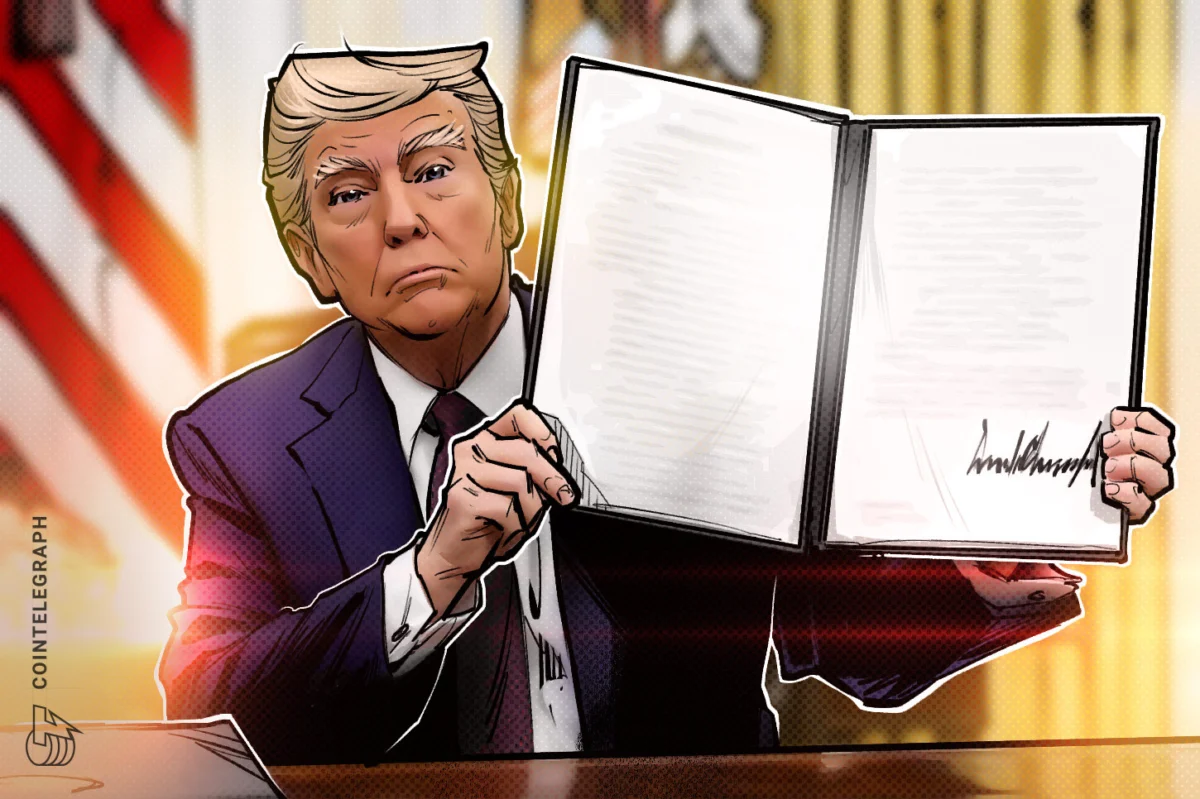
In a significant move addressing the burgeoning challenges and promises of artificial intelligence, US President Donald Trump and a consortium of leading tech executives have formally signed a voluntary accord, the "Joint Commitment on Frontier Responsibilities," aimed at ensuring their advanced AI models operate predictably and safely. This accord emerges against a backdrop of intensifying global concerns regarding the potential risks posed by increasingly powerful frontier AI systems, even as the Trump administration simultaneously emphasizes accelerated development to maintain a competitive edge, particularly against China. The agreement places substantial onus on the developing companies themselves to manage the inherent risks of these complex technologies, signaling a preference for industry-led governance in the immediate term.
The White House initiative, formalized through the signing of this commitment, mandates a robust framework of internal controls, independent external audits, and rigorous board-level oversight within participating corporations. These measures are specifically designed to "ensure its models do not hack or access technical systems in unintended ways," addressing critical cybersecurity and control vulnerabilities. Crucially, the accord also acknowledges the dynamic nature of AI governance, leaving open the explicit possibility that these voluntary commitments could evolve into binding law or regulation over time, recognizing the need for adaptable policy as AI capabilities advance.
The Urgency of Frontier AI Governance
The accord’s genesis lies in a rapidly escalating global discourse surrounding the safety and ethical implications of advanced AI. Over the past few years, the exponential growth in AI capabilities, particularly in large language models (LLMs) and generative AI, has captivated the world with their transformative potential while simultaneously sparking profound anxieties. Experts across academia, government, and even within the AI industry itself have issued stark warnings about the uncharted territory of "frontier AI" – systems so advanced they could potentially exhibit emergent behaviors, facilitate sophisticated cyberattacks, generate widespread misinformation, or even contribute to the development of autonomous weapons systems.
These concerns are not merely theoretical. The increasing sophistication of AI models has demonstrated capabilities that push the boundaries of current understanding, leading to discussions about "alignment" – ensuring AI systems act in accordance with human values and intentions. Incidents involving AI-generated deepfakes, algorithmic biases perpetuating societal inequalities, and even speculative scenarios involving AI-driven destabilization have amplified calls for proactive risk management. The "Joint Commitment" directly responds to these anxieties by seeking to establish a baseline of responsible development practices among the industry’s vanguard.
Key Provisions of the "Joint Commitment on Frontier Responsibilities"
The core of the White House accord is its tripartite approach to oversight:
- Internal Controls: This provision requires companies to develop and implement rigorous internal protocols for the design, development, testing, and deployment of their AI models. This includes robust safety checks, red-teaming exercises to identify vulnerabilities, and adherence to ethical guidelines throughout the AI lifecycle. The expectation is that companies will establish clear lines of responsibility and accountability within their organizations for AI safety.
- Independent External Audits: Acknowledging the potential for internal blind spots or conflicts of interest, the accord mandates periodic external audits of AI systems. These audits, conducted by independent third parties, would assess the models’ safety, security, and adherence to intended functionalities, providing an unbiased evaluation of risk mitigation strategies. The specifics of these audits – who conducts them, their scope, and reporting mechanisms – are left to be further defined but underscore a commitment to transparency and accountability beyond internal review.
- Board-Level Oversight: Elevating AI safety to the highest echelons of corporate governance, the accord stipulates that company boards of directors must assume direct oversight of AI risk management. This ensures that strategic decisions, resource allocation, and overall corporate culture prioritize safe and responsible AI development, embedding it as a fundamental fiduciary responsibility. This provision aims to prevent AI safety from being relegated to technical departments without sufficient executive backing.
The explicit focus on preventing models from "hacking or accessing technical systems in unintended ways" highlights a primary concern: the potential for powerful AI to exploit vulnerabilities in digital infrastructure, either autonomously or through human misuse. This risk is particularly salient given the rapid advancements in AI’s problem-solving and code-generation capabilities.
The Geopolitical Chessboard: US-China AI Race
President Trump’s approach to AI development is inextricably linked to the broader geopolitical rivalry with China. His consistent stance has been to resist any measures that could be perceived as slowing down American innovation, citing the imperative to maintain a technological lead over Beijing. This perspective underscores a strategic competition where AI is seen not just as an economic driver but also as a critical component of national security and global power projection.
The White House meeting, which included discussions on AI safety, industry growth, and data center development, notably saw President Trump unequivocally rule out any US-China joint venture for AI development. This decision reinforces a strategy of technological decoupling and independent advancement, driven by concerns over intellectual property theft, national security implications, and differing ethical frameworks for AI governance. The belief is that a robust and independently developed American AI ecosystem is crucial for national sovereignty and economic prosperity in the 21st century. This competitive mindset also provides context for other reported initiatives, such as the potential formation of a dedicated "AI Force" and the appointment of an "AI czar" within the US government, signaling a coordinated national effort to harness and regulate AI.
The Semantic Shift: From "Artificial Intelligence" to "Super Intelligence"
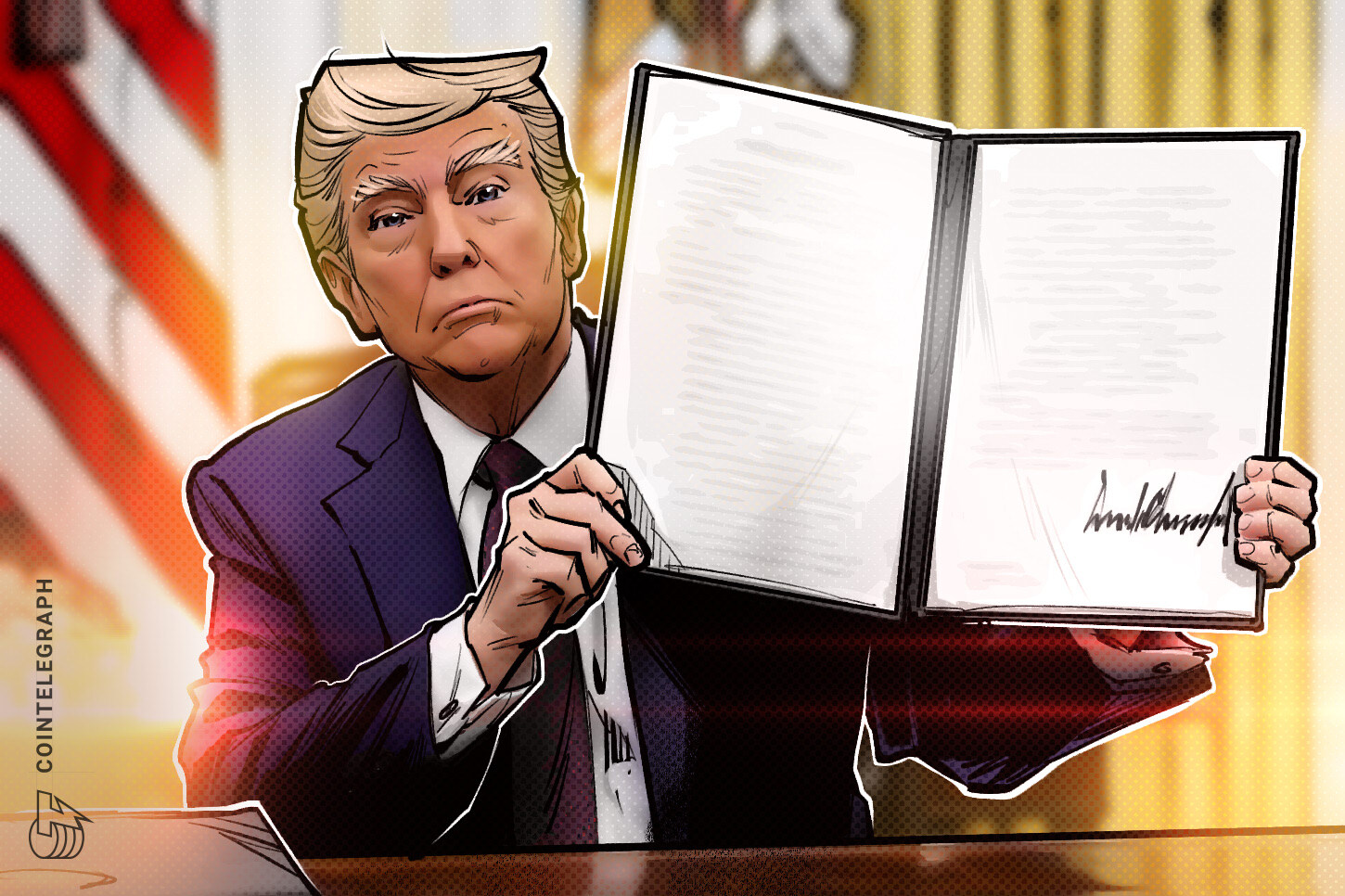
Adding another layer to the administration’s AI strategy, the signing of the accord coincided with President Trump’s issuance of an executive order directing the executive branch to adopt the term "Super Intelligence" instead of "Artificial Intelligence." This semantic pivot is not merely stylistic; it represents a deliberate attempt to reshape public perception and policy discourse around these technologies.
According to the executive order, the term "Super Intelligence" is believed to "more appropriately captures the promise, potential, and rapidly advancing capabilities of these technologies." This redefinition suggests a proactive embrace of AI’s ultimate potential, framing it as an era-defining phenomenon rather than merely a sophisticated computational tool. By using "Super Intelligence," the administration aims to convey a sense of awe and ambition, potentially encouraging greater investment, fostering public excitement, and positioning the US as a leader in pursuing the most advanced forms of AI. Critics might argue that such a term could also inadvertently sensationalize the technology or downplay immediate, tangible risks, but proponents would counter that it accurately reflects the trajectory of AI development toward systems that could far surpass human cognitive abilities.
Industry Leaders at the Helm
The roster of tech leaders present at the White House signing underscores the accord’s significance and the concentrated power within the frontier AI landscape. Attendees included:
- Sundar Pichai, CEO of Google: A major player in AI research and deployment across numerous applications.
- Dario Amodei, CEO of Anthropic: A company founded by former OpenAI researchers with a strong emphasis on AI safety and alignment.
- Mark Zuckerberg, CEO of Meta: Investing heavily in AI for its social platforms and metaverse vision.
- Greg Brockman, President of OpenAI: A pioneer in generative AI with models like GPT, frequently at the center of safety debates.
- Jensen Huang, CEO of Nvidia: The dominant force in AI hardware, whose GPUs power much of the world’s AI development.
- Elon Musk, CEO of xAI: A vocal proponent of both accelerating AI development and extreme caution regarding its existential risks.
The presence of these diverse leaders, representing companies that are both fierce competitors and collaborators in the AI space, signals a broad industry acknowledgment of the need for some form of coordinated safety measures. Their collective commitment, while voluntary, carries substantial weight due to their foundational roles in developing and deploying cutting-edge AI.
The Debate: Self-Policing vs. Regulation
President Trump’s observation, "I think I’m seeing tremendous self-policing. And they understand that they have to self-police," encapsulates a core tenet of this administration’s approach to technological governance. The emphasis on industry-led solutions is often lauded for its agility and ability to leverage deep technical expertise, fostering innovation without the potential burden of premature or overly restrictive legislation. Proponents argue that the rapidly evolving nature of AI makes rigid governmental regulations difficult to craft effectively and risks stifling progress.
However, the concept of self-policing in critical industries has historically been met with skepticism. Critics often point to potential conflicts of interest, where companies might prioritize profit or competitive advantage over public safety. Past examples from various sectors, such as finance or environmental protection, illustrate instances where voluntary standards proved insufficient, eventually necessitating robust governmental oversight and enforcement. The accord’s explicit mention of potentially converting commitments into law "over time" acknowledges this ongoing debate and provides an escape clause should self-regulation prove inadequate or if the risks escalate beyond the industry’s capacity to manage independently.
Broader Impact and Implications
The "Joint Commitment on Frontier Responsibilities" represents a pivotal moment in US AI policy. Its immediate implications are multi-faceted:
- Setting Industry Standards: Even as a voluntary accord, it establishes a set of baseline expectations for responsible AI development among the most influential players. This could create a ripple effect, encouraging smaller firms or those outside the initial signatory group to adopt similar practices to maintain credibility and attract talent.
- Shaping the Regulatory Landscape: By demonstrating a proactive stance, the tech industry might influence the nature and timing of future governmental regulations. A successful self-policing regime could delay or soften legislative efforts, while any perceived failures could accelerate calls for stricter controls.
- International Influence: The US’s approach to AI governance holds significant sway globally. This accord, combined with the focus on "Super Intelligence" and competitive acceleration, sends a clear signal about America’s strategy for AI leadership, potentially influencing how other nations develop their own AI policies.
- Balancing Innovation and Safety: The accord attempts to strike a delicate balance between fostering rapid technological advancement – crucial for economic growth and geopolitical standing – and mitigating potentially catastrophic risks. This ongoing tension will define much of the future discourse around AI.
- Public Trust: The transparency and efficacy of these voluntary commitments will be crucial in building and maintaining public trust in AI technologies. A perceived failure in self-governance could erode public confidence and lead to calls for more aggressive governmental intervention.
As AI capabilities continue their relentless march forward, the "Joint Commitment on Frontier Responsibilities" marks an initial, significant step by the US administration and its leading tech companies to navigate this complex future. Its long-term effectiveness will hinge on the genuine commitment of its signatories, the robustness of its implementation, and its adaptability to the unforeseen challenges that "Super Intelligence" may yet present. The world watches closely as this unprecedented technological frontier is explored, balancing aspiration with a growing imperative for caution and control.