Lina Wu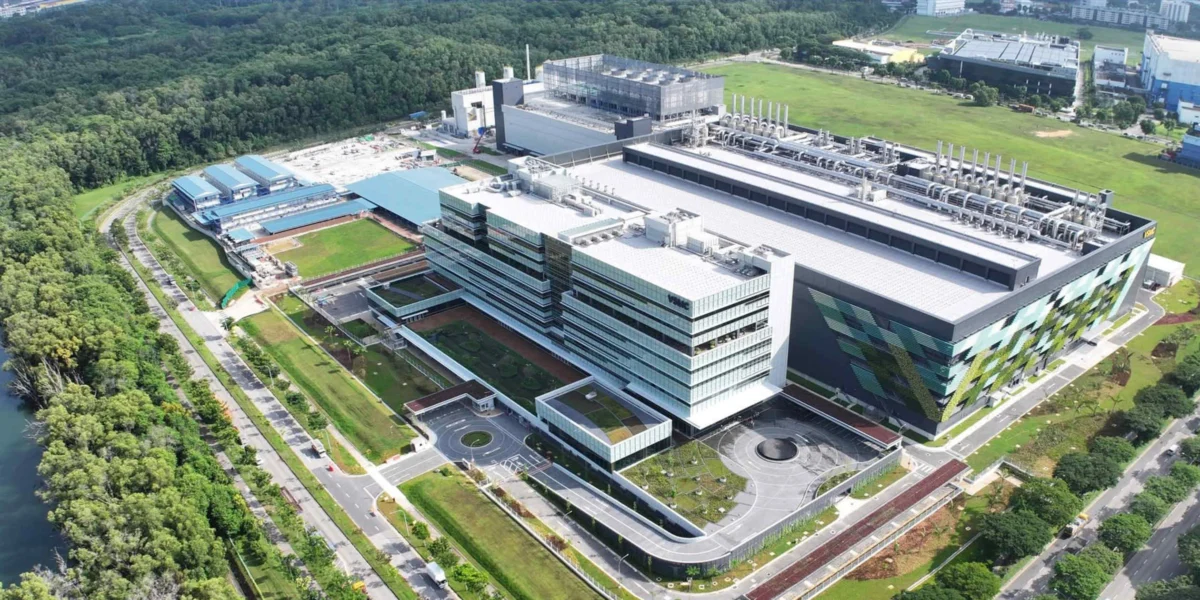
SINGAPORE – Vanguard International Semiconductor (VIS), an affiliate of the world’s largest contract chip manufacturer TSMC, officially opened its inaugural advanced manufacturing facility in Singapore on Monday, a significant development driven by the unprecedented surge in demand for data center components fueling the artificial intelligence revolution. The company has reported that the entire capacity of its newly commissioned plant is already "sold out," underscoring the urgency and scale of the AI infrastructure build-out. This strong initial demand has prompted VIS to actively explore the construction of a second manufacturing site within the island nation, signaling a substantial long-term commitment to Singapore’s strategic position in the global semiconductor supply chain.
The inauguration ceremony, held on September 28, 2026, marks a pivotal moment for VIS and further solidifies Singapore’s role as a critical hub for advanced semiconductor manufacturing. The new plant, constructed in an impressively short timeframe of less than two years, is a testament to the industry’s rapid response to the escalating needs of AI development. The relentless pursuit of more powerful and efficient AI systems has created an insatiable appetite for specialized chips, particularly those designed for data centers that process vast amounts of information and train complex machine learning models. These chips are the backbone of cloud computing, advanced analytics, and the rapidly expanding AI ecosystem.
The AI Boom: A Catalyst for Semiconductor Expansion
The current global semiconductor landscape is inextricably linked to the ongoing AI boom. The exponential growth in AI applications, from generative language models to sophisticated image and video processing, necessitates significant upgrades and expansions in data center capabilities. This, in turn, drives demand for high-performance processors, accelerators, and memory chips. Industry analysts predict that the AI chip market alone could reach hundreds of billions of dollars within the next decade, creating a fertile ground for manufacturers like VIS to expand their production.
This demand is not limited to hyperscale cloud providers; it also extends to enterprises integrating AI into their operations, automotive companies developing autonomous driving systems, and research institutions pushing the boundaries of scientific discovery. The fundamental requirement across all these sectors is a robust and scalable supply of advanced semiconductors. VIS’s strategic investment in Singapore directly addresses this critical need.
Chronology of a Strategic Expansion
The decision to establish a manufacturing presence in Singapore was a strategic move by VIS, building upon TSMC’s established footprint and Singapore’s supportive ecosystem. While specific dates for the initial planning phases are not publicly disclosed, the rapid construction timeline suggests a swift execution once the green light was given.
- Early 2020s (Estimated): Initial strategic discussions and feasibility studies are likely conducted by VIS and TSMC leadership, assessing the market demand for AI-related chips and the optimal locations for expansion. Singapore emerges as a prime candidate due to its skilled workforce, robust infrastructure, and favorable business environment.
- Mid-2024 (Estimated): Formal announcements regarding VIS’s investment in a new Singaporean facility are made, outlining the projected timeline and the technology nodes to be employed.
- Late 2024 – Early 2026: The construction of the advanced chipmaking plant takes place at an accelerated pace, overcoming potential logistical and supply chain challenges inherent in such large-scale industrial projects.
- September 28, 2026: The new VIS plant is officially inaugurated, marking the commencement of operations and the immediate fulfillment of pre-committed production capacity.
- Post-Inauguration: VIS confirms that existing capacity is "sold out" and begins actively exploring plans for a second facility, signaling sustained growth and confidence in the Singaporean market.
This accelerated timeline reflects the industry’s agility in responding to market imperatives. The speed at which VIS has brought this facility online is a critical competitive advantage in a sector where lead times can significantly impact market share.
Supporting Data: The Undersupply and the AI Imperative
The "sold out" status of VIS’s new plant is not an isolated incident but symptomatic of a broader trend in the semiconductor industry. Global semiconductor foundries, including TSMC and its affiliates, have been operating at near-capacity for much of the past few years, grappling with a persistent demand that has outstripped supply.
- AI Chip Market Growth: Projections from market research firms consistently highlight a compound annual growth rate (CAGR) exceeding 30% for the AI chip market over the next five to seven years. This exponential growth translates into a substantial and sustained demand for advanced manufacturing capabilities.
- Data Center Investment: Global investment in data centers has surged, with companies pouring billions of dollars into expanding their computational infrastructure to support AI workloads. This investment directly fuels the demand for the chips that power these centers. For example, major cloud providers have announced multi-year capital expenditure plans in the tens of billions of dollars, a significant portion of which is allocated to procuring advanced semiconductors.
- Foundry Utilization Rates: Leading foundries have reported high utilization rates, often exceeding 90%, for their advanced manufacturing nodes. This indicates that existing capacity is being fully leveraged, and new capacity is critically needed to meet projected demand.
- Lead Times: Lead times for advanced semiconductor manufacturing can range from six months to over a year, further emphasizing the importance of rapid capacity expansion to secure market positions. VIS’s ability to deliver new capacity quickly is therefore a significant differentiator.
The new VIS plant is likely to be manufacturing chips utilizing advanced process technologies, possibly in the 7nm to 5nm range, which are critical for the performance demands of AI applications. These nodes offer enhanced power efficiency and processing power, essential for the dense computing environments of data centers.
Official Responses and Strategic Partnerships
While specific public statements from VIS executives immediately following the inauguration are not detailed in the initial report, it is highly probable that the company reiterated its commitment to innovation and customer support. Such an event typically involves expressions of gratitude to local authorities, employees, and customers.
- VIS Leadership: It can be inferred that VIS leadership expressed enthusiasm for the new facility’s role in addressing the global AI demand and highlighted Singapore’s strengths as a manufacturing base. Discussions would likely have centered on the company’s long-term vision for its operations in Singapore.
- Singaporean Government: Government officials, including representatives from agencies like the Economic Development Board (EDB), would have lauded the investment as a testament to Singapore’s attractiveness as a global semiconductor hub. They would likely have emphasized the job creation, technology transfer, and economic contributions associated with such a high-value manufacturing operation. Singapore has historically offered significant incentives and support for semiconductor companies, recognizing the industry’s strategic importance.
- Customers: While not directly quoted, the "sold out" capacity implies strong commitments from major technology companies and cloud service providers who are the primary consumers of these advanced chips. These customers rely on VIS and TSMC for a consistent and reliable supply of critical components for their AI infrastructure.
The relationship between VIS, TSMC, and the Singaporean government is a prime example of a mutually beneficial strategic partnership. Singapore provides a stable operating environment, access to a skilled talent pool, and government support, while VIS and TSMC gain access to advanced manufacturing capabilities and a strategic geographic location.
Broader Impact and Implications
The inauguration of VIS’s new plant and its immediate capacity sales carry significant implications for the semiconductor industry, the global AI ecosystem, and Singapore’s economic standing.
- Strengthening the Global AI Supply Chain: By adding new advanced manufacturing capacity, VIS directly contributes to alleviating bottlenecks in the AI chip supply chain. This increased supply is crucial for enabling the continued innovation and deployment of AI technologies worldwide. The ability to meet demand more effectively will accelerate the pace of AI adoption across various sectors.
- Enhancing Singapore’s Semiconductor Leadership: This investment further cements Singapore’s position as a vital node in the global semiconductor manufacturing network. It attracts further investment, fosters the development of specialized skills within the local workforce, and contributes to the nation’s economic diversification and technological advancement. Singapore’s strategic location in Southeast Asia also provides a logistical advantage for serving markets across Asia.
- Competitive Landscape: The expansion of VIS in Singapore intensifies competition among semiconductor manufacturing hubs. It underscores the ongoing race among nations to attract and retain high-value manufacturing, particularly in strategically critical sectors like semiconductors. This could spur further investments and technological advancements in other regions as well.
- Technological Advancement: The focus on advanced nodes for AI components signifies a commitment to pushing the boundaries of semiconductor technology. This will likely lead to the development of more powerful, energy-efficient, and specialized chips, further accelerating AI capabilities and opening up new avenues for innovation.
- Economic Multiplier Effect: The establishment of a new advanced manufacturing plant generates significant economic activity beyond direct employment. It creates demand for local suppliers, logistics providers, and related services, leading to a broader economic multiplier effect within Singapore.
The prospect of a second VIS facility in Singapore further signals a long-term outlook by the company, indicating confidence in the island’s continued ability to support and facilitate advanced manufacturing. This sustained investment is a powerful endorsement of Singapore’s strategic vision for the semiconductor industry. As the AI revolution continues to unfold, the reliable and scalable production of advanced chips will remain a critical determinant of progress, making VIS’s new Singaporean plant a significant contributor to this ongoing transformation. The company’s immediate success in securing full capacity sales is a clear indicator of the profound and enduring demand that characterizes the current era of artificial intelligence.