Ena Muazin
Novo Nordisk, the Danish pharmaceutical giant renowned for its groundbreaking weight-loss injections and its long-standing dominance in insulin production, is facing increased scrutiny from investors despite its ambitious long-term vision. The company’s recent capital markets day in London, intended to showcase its future strategies, has instead ignited debate and led to a significant dip in its stock value, with a prominent competitor reportedly outperforming in investor confidence.

The Promise and Peril of Future Ambitions
The core of the investor unease appears to stem from Novo Nordisk’s strategic pivot towards expanding its portfolio beyond its established core areas. While the company presented promising research data on Cagri-Sema, a new weight-loss drug that reportedly offers greater efficacy than existing treatments, and anticipates a U.S. approval decision in the fourth quarter of this year, investors are hungry for more concrete financial projections. The broader outlook presented by Novo Nordisk includes venturing into lucrative, yet highly competitive, therapeutic areas such as cardiovascular diseases, liver diseases, and hemophilia. These are seen as potential growth engines, but the transition from ambition to tangible financial returns remains a significant hurdle in the eyes of many market participants.
This strategic expansion, while indicative of a forward-thinking approach, lacks the concrete financial forecasts that investors typically seek. The absence of detailed revenue projections for these new ventures has created a vacuum, allowing for speculation and concern to take root. In contrast, a key competitor in the pharmaceutical sector has seemingly managed to articulate its future strategy in a manner that has resonated more positively with the investment community, leading to a divergence in market sentiment.

Stock Performance Reflects Investor Discontent
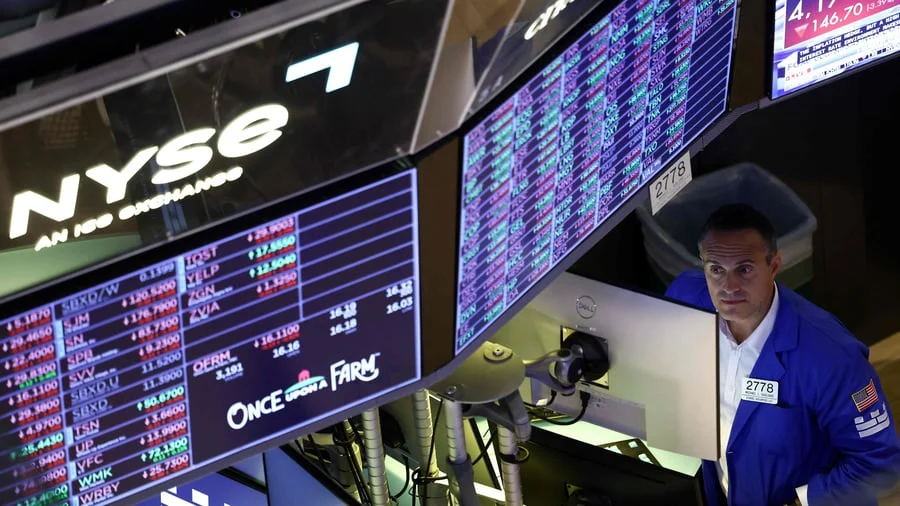
The apprehension surrounding Novo Nordisk’s future strategy has translated directly into a tangible market reaction. The company’s stock experienced a decline of approximately ten percent in the past week, a significant move for a company of its stature. This downturn suggests that investors were seeking more immediate and quantifiable returns rather than long-term aspirations. The emphasis on future potential, without the accompanying detailed financial roadmaps, has evidently failed to instill the confidence needed to sustain the stock’s upward trajectory.
Analysts from prominent financial institutions, including Jefferies and Deutsche Bank, have responded to this sentiment by revising their price targets for Novo Nordisk downward. This recalibration of expectations by key market observers further underscores the prevailing investor sentiment and highlights the challenges Novo Nordisk faces in translating its visionary plans into market-approved financial realities.
Background: The Rise of Novo Nordisk and the Weight-Loss Revolution
Novo Nordisk’s journey to its current market position has been remarkable, particularly its recent success in the obesity market. The development and widespread adoption of GLP-1 receptor agonists, such as Ozempic (primarily for diabetes but with significant weight-loss off-label use) and Wegovy (specifically approved for chronic weight management), have transformed the company’s fortunes and the landscape of pharmaceutical innovation. These drugs have not only addressed a critical unmet medical need for millions suffering from obesity but have also unlocked a multi-billion-dollar market.
The scientific underpinnings of these drugs involve mimicking the action of the GLP-1 hormone, which regulates appetite and glucose levels. By stimulating insulin release and slowing gastric emptying, these medications contribute to reduced food intake and improved glycemic control. The efficacy demonstrated by these treatments has been a game-changer, positioning Novo Nordisk at the forefront of a burgeoning therapeutic revolution.

However, this rapid ascent has also brought increased scrutiny. The demand for these drugs has, at times, outstripped supply, leading to production challenges and heightened competition. Furthermore, the long-term implications and potential side effects of these medications are still being studied, adding another layer of complexity to their market integration.
The Competitive Landscape: A Shifting Dynamic
The pharmaceutical industry is inherently competitive, with companies constantly vying for market share and therapeutic dominance. In the realm of obesity and metabolic diseases, Novo Nordisk faces formidable rivals. Eli Lilly and Company, another major player, has also been developing and marketing similar groundbreaking drugs for diabetes and weight loss, such as Mounjaro. The performance of Eli Lilly’s stock and its strategic communications have often been viewed in direct comparison to Novo Nordisk’s, creating a narrative of intense rivalry.

The market’s reaction to Novo Nordisk’s recent capital markets day, juxtaposed with the perceived success of a competitor’s strategic presentations, suggests a potential shift in investor confidence. While Novo Nordisk has established a strong foothold, the ability of other companies to articulate a compelling and financially grounded vision for the future can significantly sway market perception and capital allocation. This competitive dynamic underscores the importance of not only scientific innovation but also effective investor relations and clear strategic communication.
Analyzing the Implications: Beyond the Immediate Stock Dip
The current investor sentiment towards Novo Nordisk, while concerning in the short term, has broader implications for the pharmaceutical sector and the market’s approach to long-term growth strategies.

- The Demand for Tangible Returns: The market’s response highlights a fundamental investor preference for concrete financial projections, especially when investing in companies with already significant market capitalizations. While innovation and future potential are crucial, they must be substantiated with credible financial forecasts to maintain investor confidence.
- The Importance of Strategic Communication: Novo Nordisk’s experience underscores the critical role of clear, consistent, and financially robust communication with investors. The way a company articulates its vision, its challenges, and its path to profitability can significantly influence market perception and stock performance.
- The Evolving Obesity Market: The intense focus on Novo Nordisk also reflects the immense market potential and the high stakes involved in the obesity treatment sector. The success of drugs like Wegovy has opened up a vast therapeutic area, attracting significant investment and intense competition. Companies that can effectively navigate this evolving landscape, both scientifically and financially, are poised for substantial growth.
- Diversification Risks and Rewards: Novo Nordisk’s strategy to diversify into new therapeutic areas, while potentially rewarding in the long run, also introduces new risks. Each new market segment comes with its own set of regulatory hurdles, competitive dynamics, and research and development costs. Investors will be closely watching how effectively the company manages these diversification efforts and translates them into successful product launches and revenue streams.
Moving Forward: Navigating Future Growth
Novo Nordisk’s current situation presents a critical juncture for the company. While its past innovations have been undeniably impactful, the market’s current skepticism demands a strategic recalibration of its investor relations approach. The company will need to provide more detailed financial insights into its long-term plans, particularly regarding its expansion into new therapeutic areas. Demonstrating a clear and achievable roadmap, backed by robust data and realistic financial projections, will be essential to regaining investor trust and sustaining its growth trajectory.
The pharmaceutical industry is in a constant state of flux, driven by scientific breakthroughs and evolving market demands. Novo Nordisk’s ability to adapt and effectively communicate its strategy in this dynamic environment will be paramount to its continued success and its ability to meet the expectations of a discerning investor base. The coming quarters will be crucial in determining whether Novo Nordisk can successfully bridge the gap between its ambitious future and the immediate financial realities that investors demand.