Lina Wu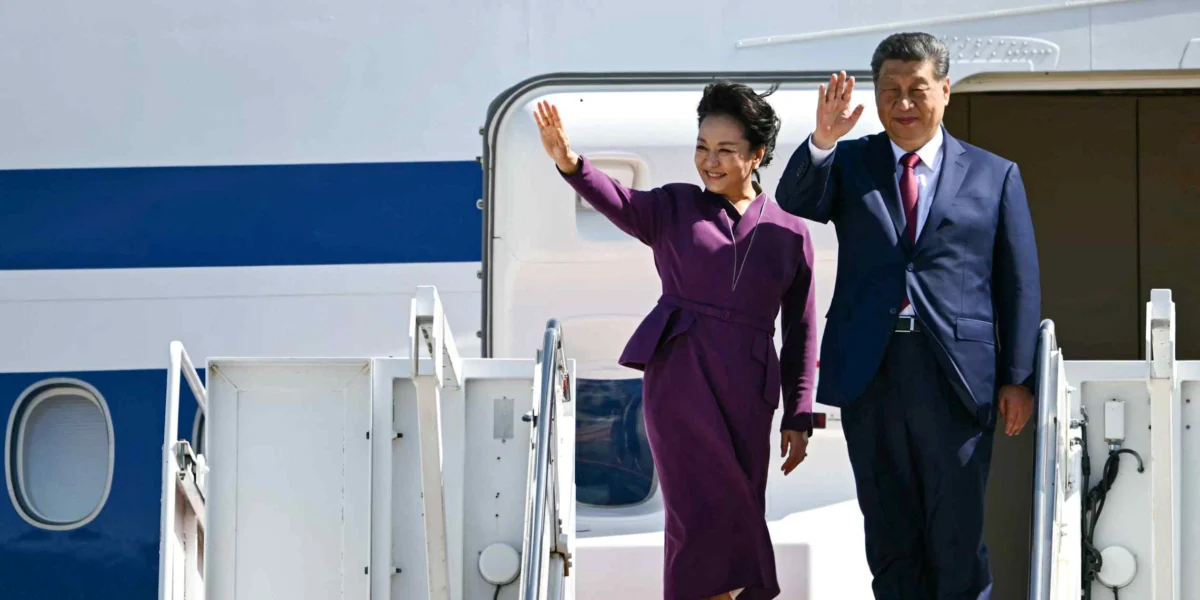
WASHINGTON/NEW YORK/TOKYO — Chinese President Xi Jinping and U.S. President Donald Trump concluded their second formal summit of the year in Washington, a meeting marked by a temporary extension of the trade truce but a backdrop of persistent strategic and economic friction. The three-day state visit, which began on September 23, 2026, saw elaborate White House welcoming ceremonies, including a state dinner, and culminated with Xi’s departure on September 25. While an agreement to extend the trade truce until January 10, 2027, was announced, signaling a desire to manage immediate economic fallout, broader breakthroughs on contentious issues like tariffs, rare-earth minerals, and artificial intelligence remained elusive, leaving the long-term trajectory of the bilateral relationship uncertain.
The summit followed President Trump’s visit to Beijing in May 2026, with this reciprocal meeting in Washington underscoring the high-stakes diplomatic dance between the world’s two largest economies. The decision to extend the trade truce, originally set to expire on November 10, 2026, was a key outcome, providing a measure of stability for global markets and businesses grappling with the ongoing trade war. However, the immediate impact of the summit did little to fundamentally alter the perceptions of deep-seated rivalry and competition that define the current U.S.-China dynamic.
A Trade Truce Extended, But Underlying Issues Persist
The agreement to extend the trade truce, confirmed by Treasury Secretary Scott Bessent and Chinese Vice Premier He Lifeng, was a significant, albeit tactical, development. This extension, pushing the deadline to January 10, 2027, offered a reprieve from escalating tariff actions and provided a window for further negotiations. Secretary Bessent emphasized the importance of "strategic stability" being "based in reciprocity and fairness," suggesting that while dialogue is ongoing, the U.S. maintains its stance on equitable trade practices.
Prior to the summit, discussions between Bessent and He Lifeng had already yielded progress on carving out "nonsensitive" goods from future tariff actions, a move aimed at mitigating the impact on certain industries. However, the European Chamber of Commerce in China cautioned that the extension did not address fundamental challenges faced by businesses in obtaining export licenses for critical materials like rare earths, highlighting ongoing complexities in the bilateral trade framework.
Diplomatic Overtures and Strategic Divergences
The summit was characterized by a blend of carefully orchestrated diplomatic gestures and stark policy disagreements. President Trump hosted Xi Jinping at Joint Base Andrews with a rare tarmac welcome, a departure from convention that underscored the ceremonial significance of the visit. The three-day itinerary included extensive meetings, a state dinner, and a tour of the National Archives, where leaders viewed foundational American documents.
During bilateral meetings, President Xi emphasized the need for "constructive strategic stability" and reiterated China’s commitment to national rejuvenation, while acknowledging President Trump’s "Make America Great Again" agenda. Xi highlighted historical ties, referencing "ping pong diplomacy" and shared wartime alliances, suggesting a desire to frame the relationship within a broader historical context of cooperation. He also extended an invitation to President Trump to attend the APEC Economic Leaders’ Meeting in Shenzhen and expressed anticipation for another meeting at the G20 summit in December.
However, significant policy divergences remained evident. On the sensitive issue of Taiwan, President Xi urged the U.S. to uphold its "correct position" of opposing "Taiwan independence" and warned against actions that could destabilize the region. Taipei’s Ministry of Foreign Affairs swiftly pushed back, accusing Xi of "distorting facts" and asserting that the Chinese Communist Party has no right to represent the Taiwanese people, underscoring the enduring complexities surrounding cross-strait relations.
Artificial Intelligence: A New Frontier of Competition and Cooperation
The burgeoning field of artificial intelligence emerged as a critical agenda item, reflecting its growing importance in both economic and national security spheres. President Trump publicly stated that "Super Intelligence (SI)," his term for AI, would be a "big topic of discussion," while also indicating a desire to maintain the status quo on its development. President Xi, meanwhile, called for AI to be kept under human control, advocating for a "human-centered and benevolent approach."
The summit included discussions on AI guardrails, with both leaders acknowledging the potential for both competition and cooperation. China’s Xinhua News Agency reported that Xi stressed the need for dialogue on AI’s risks and benefits, and for preventing its misuse. This focus on AI signals a recognition of its transformative potential and the strategic imperative for both nations to navigate its development responsibly.
Geopolitical Hotspots and Regional Security Concerns
Beyond bilateral economic and technological issues, the summit touched upon several global geopolitical flashpoints. Discussions included the Middle East, Ukraine, and the Korean Peninsula, reflecting the interconnectedness of international security.
In the South China Sea, a point of ongoing contention, the coast guard of the Philippines, a U.S. treaty ally, accused China of obstructing a resupply mission, highlighting continued regional tensions. These incidents, characterized by dangerous maneuvers by Chinese vessels, underscore the persistent maritime disputes in the disputed waters.
Domestic Undercurrents and Global Perceptions
The summit took place against a backdrop of evolving domestic priorities and shifting global perceptions. In the U.S., concerns over living costs and economic affordability have impacted President Trump’s approval ratings, with polls indicating a significant portion of the electorate dissatisfied with his handling of these issues. Concurrently, a generational shift in American attitudes towards China suggests a growing openness among younger and Democratic-leaning demographics to closer ties, contrasting with the anxieties of older and more conservative segments regarding Chinese espionage and influence.
Globally, China’s image has seen some improvement, with recent surveys indicating that China has surpassed the U.S. in global approval ratings. While this reflects Beijing’s efforts to portray itself as a responsible global power, it also points to a perceived decline in American standing during Trump’s second term. However, the U.S. government continues to rank higher than Beijing in terms of respect for personal freedom, indicating that core values remain a point of differentiation.
A Glimpse into the Future: Challenges and Opportunities
As President Xi Jinping departed Joint Base Andrews, the outcomes of the summit painted a complex picture. The extension of the trade truce offered a temporary de-escalation, but the fundamental issues driving U.S.-China rivalry—technological competition, geopolitical influence, and differing political systems—remain unresolved. The focus on AI signals a new arena of competition and potential cooperation, while ongoing tensions in regions like the South China Sea and concerning human rights issues within China continue to cast a shadow over the bilateral relationship.
The summit underscored that while direct engagement between the leaders of the U.S. and China is crucial for managing immediate crises and maintaining a degree of predictability, the path forward will likely be characterized by continued strategic competition and the ongoing effort to find a delicate balance between mutual interests and fundamental disagreements. The long-term implications of this dynamic will continue to shape the global geopolitical and economic landscape for years to come.