Gilang Muhammad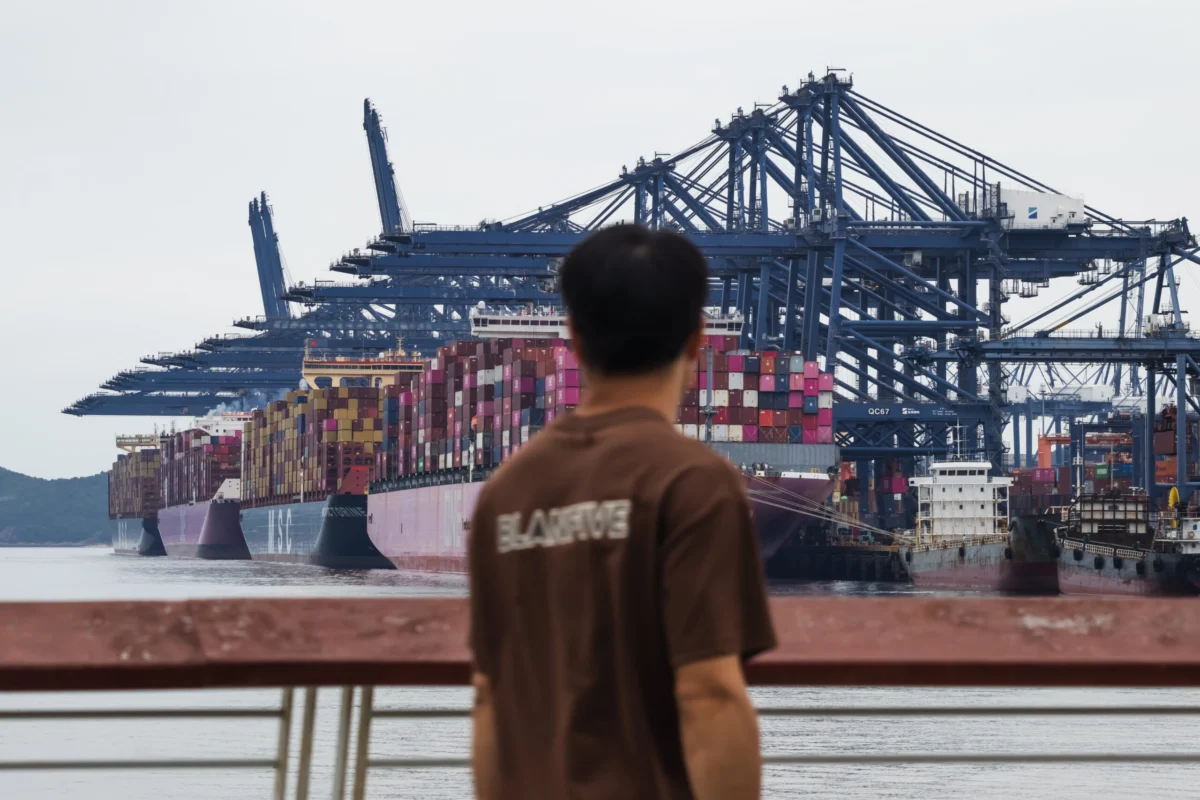
American businesses dramatically increased their orders for Chinese goods in the weeks leading up to the high-stakes summit between President Donald Trump and Chinese leader Xi Jinping in Washington this week, signaling a strategic positioning for continued stability between the world’s two largest economies. This unexpected surge in demand was a "surprise," according to the China Beige Book (CBB), a New York-based research firm. Their comprehensive survey of 1,295 Chinese companies, conducted between September 1 and 22, revealed that shipments to the U.S. rose on both a yearly and monthly basis, a phenomenon attributed to "China’s relative tariff position improved" in the immediate pre-summit period.
The CBB’s proprietary gauge, which measures orders from the U.S. by subtracting the proportion of surveyed firms reporting a decrease from those reporting an increase, jumped to a robust 13 in September. This marks a significant turnaround from negative-12 recorded a year earlier and a more modest 3 in August, underscoring a clear shift in purchasing patterns by American companies. Despite this concentrated demand from the U.S., the broader picture for China’s economy remained tempered, with overall Chinese domestic and export orders still below their levels from a year earlier, and new orders showing a weakening trend from August. This divergence highlights the specific, anticipatory nature of U.S.-bound trade flows.
Background to a Crucial Summit: Navigating a Complex Relationship
The U.S.-China relationship has been characterized by periods of intense competition and strategic friction, particularly concerning trade, technology, and geopolitical influence. Following a contentious trade war during President Trump’s first term, which saw billions of dollars in tariffs imposed by both sides, the global economy has remained sensitive to any shifts in bilateral relations. Key points of contention have historically included China’s intellectual property practices, forced technology transfers, state subsidies to its industries leading to overcapacity, market access for foreign companies, and the persistent trade deficit.
President Xi Jinping’s visit to Washington marked his first state visit to the U.S. in over a decade, a testament to the critical juncture at which the two nations found themselves. The summit was widely anticipated as an opportunity to de-escalate tensions and establish a framework for managing an increasingly complex relationship that has profound implications for global stability and economic growth. Business communities globally, and particularly in the U.S., were keenly watching for any signals of a thaw, hoping to mitigate the uncertainties that have plagued supply chains and investment decisions for years. The backdrop included ongoing debates in Washington about "decoupling" from China versus maintaining engagement, reflecting deep divisions within policy circles on the optimal approach to Beijing.
Immediate Outcomes: A Fragile Truce and Strategic Delays
The high-stakes negotiations bore fruit almost immediately, as the two countries agreed to extend a trade truce by two months, pushing its expiration to January. This extension was a critical component of the summit’s immediate deliverables, designed to provide a much-needed breathing room for further negotiations and prevent an immediate re-escalation of trade hostilities. The terms of the truce were multifaceted:
- Tariff Levels: It ensures that current, lower tariff rates remain in place, staving off planned increases that would have impacted a wider range of goods.
- Rare Earth Exports: Restrictive controls on China’s rare earth exports were suspended. Rare earths are vital minerals critical for advanced technologies, defense applications, and renewable energy, making their supply a strategic concern for the U.S. and its allies. The suspension alleviates immediate concerns about supply chain disruptions for these essential materials.
- Port Fees: Higher port fees on ships, which would have increased shipping costs and consumer prices, were held off, offering relief to logistics and import-export businesses.
Adding to the positive momentum, the U.S. had reportedly planned to delay a threatened round of tariffs specifically tied to industrial overcapacity until at least after this week’s summit. This strategic delay was a significant goodwill gesture, easing near-term pressure on Chinese exporters who operate in sectors often accused of receiving excessive state subsidies and flooding global markets. While these measures offer temporary relief, the underlying U.S. effective tariff rate on Chinese goods still stands at approximately 23%, according to Barclays, remaining significantly higher than the average levy the U.S. imposes on other major trading partners. This stark difference underscores the distance still to be covered in achieving a more normalized trade relationship.
Supporting Economic Indicators and Market Sentiment
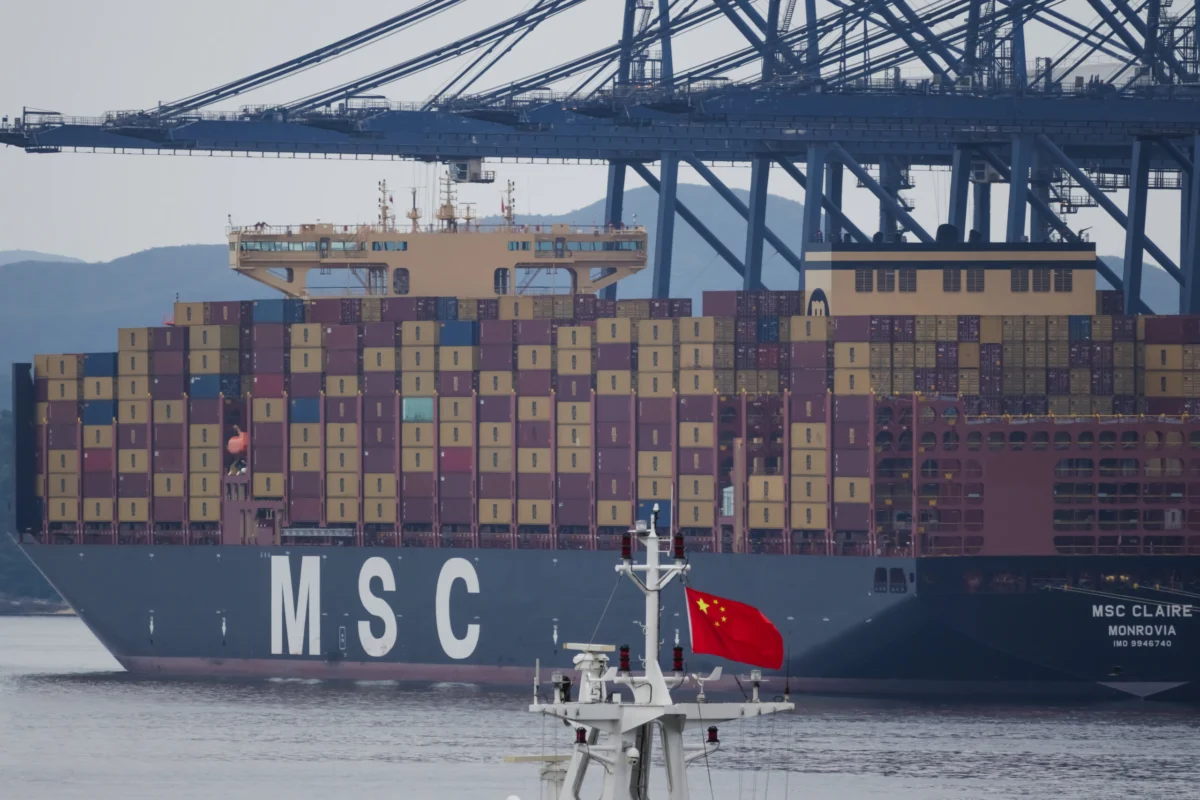
The CBB’s findings on the surge in U.S.-bound orders were not isolated. They aligned closely with recent official data from China, which indicated that the nation’s ports experienced their busiest week on record in the run-up to the Trump-Xi summit. This unprecedented activity, as reported by Bloomberg, served as another powerful indicator that trade flows were indeed recovering, fueled by widespread hopes for a further thaw in bilateral relations. The sight of MSC and Ocean Network Express (ONE) container ships berthed beneath gantry cranes at Yantian Port in Shenzhen on August 30, 2026, as captured in news imagery, visually encapsulated the bustling trade activity underpinning these economic reports. The increased port traffic suggests that businesses were not just placing orders but actively moving goods, anticipating a more favorable trade environment.
The market’s reaction to the truce extension was generally positive, albeit cautiously so. Eurasia Group, a leading political risk consultancy, responded by raising its odds of continued stability in the bilateral relationship to the highest level since President Trump’s return to office. This assessment reflects a belief that despite the relatively short two-month extension, the diplomatic engagement itself, coupled with the concrete measures taken, reduces the immediate risk of a renewed escalation of tensions. Dan Wang, China director at Eurasia Group, articulated this sentiment, stating, "Neither government has an interest in renewed escalation." Wang further projected that both sides would likely leverage this period of fragile stability to press for near-term commitments from each other.

Bilateral Demands and Future Negotiations
The path forward, even with the extended truce, is expected to involve persistent negotiation over specific demands from both Washington and Beijing. The U.S. is likely to prioritize further progress on several key fronts:
- Rare-Earth Export Licenses: Washington will seek expedited Chinese approval of rare-earth export licenses for U.S. end-users, ensuring a reliable and predictable supply chain for these critical materials. This aligns with broader U.S. efforts to secure strategic resources and reduce reliance on single-source suppliers.
- Agricultural Goods Purchases: Increased purchases of U.S. agricultural goods remain a perennial demand from the U.S., addressing concerns of American farmers and aiming to rebalance the trade deficit in certain sectors.
In a reciprocal move, Beijing would expect the White House to maintain its current pause on arms sales to Taiwan. Taiwan remains one of the most sensitive and potentially volatile issues in U.S.-China relations. China views Taiwan as an inalienable part of its territory and consistently opposes any actions by other nations that could be perceived as supporting Taiwanese independence or enhancing its defensive capabilities. A continued pause on arms sales would be a significant concession for China, signaling a commitment from the U.S. to manage this critical geopolitical flashpoint.
Broader Impact and Implications for the Global Economy
The recent developments carry significant implications across economic, political, and geopolitical spheres:
Economic Implications:
- Global Supply Chains: The temporary stability offers a respite for global supply chains, allowing businesses to plan with slightly more certainty. However, the short duration of the truce means that long-term strategic adjustments, such as diversification away from China, may continue, albeit at a slower pace.
- Inflationary Pressures: By maintaining lower tariffs and avoiding higher port fees, the truce helps mitigate some inflationary pressures that would have been passed on to consumers. This is particularly relevant given global economic concerns about rising costs.
- Investment and Trade Volumes: The positive sentiment could spur a cautious increase in investment, especially in sectors heavily reliant on U.S.-China trade. The record port volumes already demonstrate an immediate uptick in trade.
- Commodity Markets: Stability in U.S.-China relations often has a calming effect on commodity markets, particularly for agricultural products and industrial raw materials, given China’s role as a major consumer.
Political Implications:
- Domestic Politics: For President Trump, demonstrating a capacity to manage the relationship with China without immediate escalation could be a political asset, particularly if it translates into economic benefits for American businesses and consumers. For President Xi, securing a pause on Taiwan arms sales and avoiding new tariffs would be a diplomatic win.
- International Alliances: The U.S.’s allies will be closely watching how Washington navigates this relationship. A stable U.S.-China dynamic can ease pressures on allied economies, while renewed tensions can force difficult choices.
Geopolitical Implications:
- Strategic Competition: While trade tensions might be temporarily defused, the underlying strategic competition between the U.S. and China across technology, military influence, and regional power dynamics will persist. The truce is a tactical pause, not a resolution of these deeper issues.
- Regional Stability: Managing flashpoints like Taiwan, the South China Sea, and human rights issues remains crucial for regional stability in the Indo-Pacific. The current truce provides a window for diplomatic engagement on these fronts.
Looking Ahead: Continued Dialogue and Remaining Challenges
The path to enduring stability in U.S.-China relations is long and fraught with challenges. While the two-month truce offers a crucial window, it is a short-term measure. Many structural issues, such as China’s industrial policies, intellectual property enforcement, and human rights record, remain unresolved and will require sustained diplomatic engagement.
Looking ahead, the two leaders are expected to have further opportunities for dialogue. A potential meeting on the sidelines of the APEC summit in Shenzhen in November could provide a platform to review the progress of the truce and discuss next steps. Following that, the G20 summit, which the U.S. is hosting in Miami in December, presents another high-level forum for bilateral discussions, although no specific bilateral meeting after this week’s summit has been formally confirmed. These upcoming engagements will be vital in determining whether the current fragile stability can evolve into a more durable and predictable framework for managing the world’s most consequential bilateral relationship. The cautious optimism currently pervading business and diplomatic circles hinges on the effective utilization of these opportunities to address fundamental differences and build trust.