Ena Muazin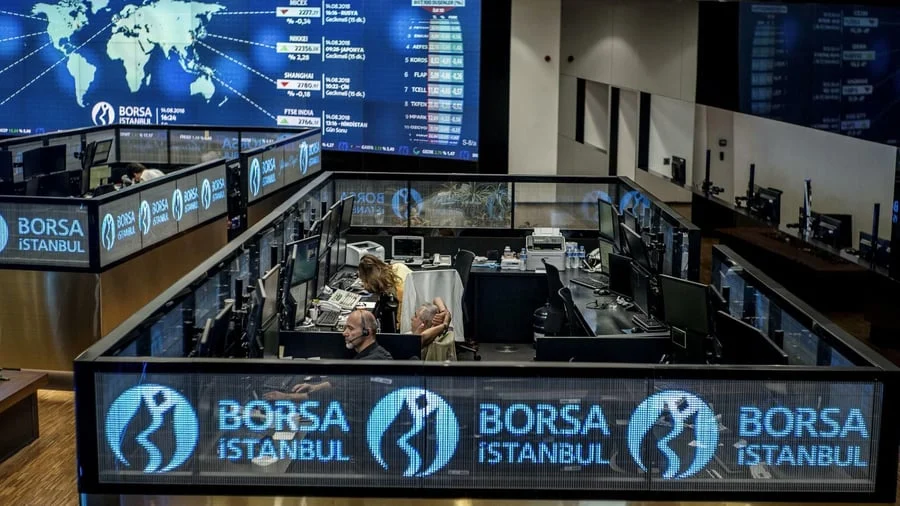
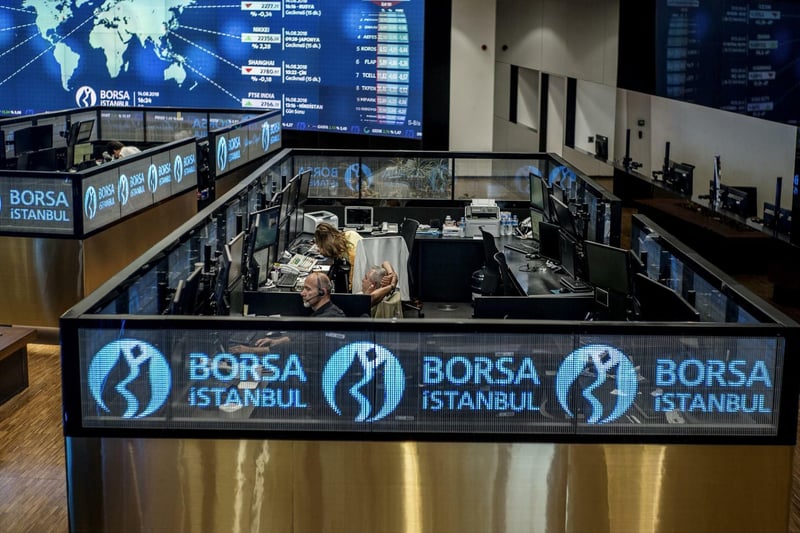
Following recent market turbulence, more than a quarter of the members of the Istanbul Stock Exchange’s flagship BIST-100 index are set to be removed. The operator of the Turkish stock exchange announced the changes, which will take effect next month, without providing a specific reason for the overhaul. This significant reshuffling of the index composition comes on the heels of a tumultuous period for the Turkish capital market, marked by substantial capital injections, forced liquidations, and arrests related to alleged market manipulation.

Background of Market Instability
The Turkish financial landscape has been under considerable strain in recent weeks. In a bid to stabilize the market, the Turkish Central Bank injected additional liquidity into the capital markets. This intervention was prompted by a crisis that saw several asset managers facing solvency issues, triggering a widespread sell-off of equities. The fallout was severe, with over 100 affected funds undergoing forced liquidation. Concurrently, authorities initiated investigations and made arrests concerning suspected market manipulation activities, highlighting a period of significant regulatory and economic pressure on the Turkish stock exchange.
The Mechanics of the BIST-100 Index Rebalancing
The Borsa Istanbul’s decision to revise its leading indices, including the BIST-100, signifies a broader effort to refine market oversight and potentially restore investor confidence. While the direct cause for the exclusion of these specific companies was not explicitly stated, the timing and context suggest a link to the recent market instability and the subsequent regulatory actions. The removal of such a substantial portion of the index’s constituents points to a significant re-evaluation of the criteria for inclusion, aiming for a more robust and reliable benchmark.
Companies Facing Exclusion
Among the prominent entities slated for removal from the Istanbul leading index are the financial institutions Destek and Katilimevim. These companies experienced a remarkable surge in their stock values since the beginning of the year, multiplying their worth significantly. However, in the weeks preceding this announcement, they witnessed a substantial erosion of these gains, with a considerable portion of their market value being relinquished. Notably, some of the funds that were subject to forced liquidation were identified as major investors in these very companies, underscoring a potential connection between the recent market distress and the index rebalancing.
Evolving Index Inclusion Criteria
The Borsa Istanbul is not only adjusting its membership but also fundamentally altering the criteria for entry into its leading indices. The primary prerequisite for inclusion in the BIST-100 will now be membership in the "Star Market" segment of the exchange. To qualify for this segment, companies must meet specific equity thresholds. Furthermore, the volatility of a stock’s price will play a more significant role in future inclusion decisions. This shift indicates a move towards a more dynamic and responsive index construction, designed to better reflect market conditions and investor sentiment.
Expert Reactions to the Reforms
Investment advisors have largely welcomed these reforms, viewing them as a positive step towards market stability and transparency. Onurcan Bal, an investment advisor at the brokerage firm Gedik Yatirim, commented on the significance of these changes. He stated that the reforms contribute to a more balanced price formation mechanism and enhance the reliability of the Star Market as a benchmark for investors. This sentiment suggests that the market participants are looking for increased predictability and a more resilient market structure, which these new criteria aim to provide.
Data on Market Performance and Volatility
The Turkish stock market, represented by the BIST 100 index, has experienced significant fluctuations over the past year. While it has shown periods of strong growth, it has also been susceptible to sharp downturns, often influenced by domestic economic policies, inflation rates, and geopolitical factors. For instance, according to data from Refinitiv, the BIST 100 index saw a substantial decline of over 20% in the last quarter of the previous year, driven by concerns over monetary policy and rising inflation. While it had shown some recovery in early parts of the current year, the recent events have cast a shadow on its stability. The inclusion of stock price volatility as a key criterion for index membership suggests a direct response to the heightened market swings observed. Historically, markets with high volatility often see a higher turnover in their benchmark indices as companies struggle to meet sustained performance and stability requirements.

Implications for Investors and the Turkish Economy
The exclusion of a significant number of companies from the BIST-100 index is likely to have several implications. Firstly, it will impact the investment strategies of funds that track the index, potentially requiring portfolio adjustments. Investors holding shares in the excluded companies may see a decrease in demand for their holdings, as index-tracking funds divest. Conversely, companies that meet the new, stricter criteria may attract increased investor attention and capital, as they are perceived to be more stable and resilient.
From a broader economic perspective, these reforms signal a commitment by the Borsa Istanbul to enhance market integrity and attract both domestic and international investment. A more stable and transparent stock market is crucial for economic development, facilitating capital allocation, corporate financing, and wealth creation. The focus on factors like equity thresholds and volatility suggests a move towards a market that values sustainable growth and risk management, aligning with international best practices.

Chronology of Recent Events
- Early Year: Destek and Katilimevim stocks experience significant price appreciation.
- Recent Weeks: A period of market turbulence ensues, marked by liquidity injections by the Turkish Central Bank and widespread equity sell-offs. Several asset managers face solvency issues.
- Concurrently: Over 100 funds are subject to forced liquidation. Investigations into alleged market manipulation lead to arrests.
- Recent Announcement: Borsa Istanbul reveals its decision to remove more than a quarter of the BIST-100 index members, effective next month. New inclusion criteria, emphasizing "Star Market" membership, equity thresholds, and stock volatility, are outlined.
- Forward-Looking: The changes are set to take effect in the upcoming month, with experts anticipating a more balanced and reliable market benchmark.
Regulatory Landscape and Market Confidence
The Turkish financial authorities have been actively working to bolster market confidence following a period of economic uncertainty. The inclusion of volatility as a decisive factor in index composition is a direct response to the observed market instability. By tightening the requirements for inclusion, the exchange aims to ensure that its leading index is composed of companies that demonstrate a certain level of financial health and operational stability, thereby providing a more reliable indicator of the Turkish economy’s performance. This move is also expected to encourage companies to maintain sound financial practices to ensure their continued presence in the benchmark index.
The "Star Market" and Its Significance
The designation of the "Star Market" as a prerequisite for index inclusion suggests a tiered approach to market segmentation. This market likely caters to companies that have met a higher standard of financial reporting and governance. By requiring companies to be part of this segment, Borsa Istanbul is signaling a preference for more established and transparent entities. The specific equity thresholds and volatility measures will further refine this selection process, ensuring that the BIST-100 truly reflects the performance of the most robust and significant players in the Turkish market. This structured approach is designed to instill greater confidence among investors, both local and international, who seek predictable and well-regulated investment environments. The reforms represent a significant step in Borsa Istanbul’s ongoing efforts to modernize its market infrastructure and align with global standards, fostering a more attractive environment for capital investment.