Ena Muazin
Following the significant electoral gains of Die Linke (The Left Party) in Berlin’s recent state elections, Vonovia CEO Luka Mucic has articulated a clear stance against their proposed expropriation of large private housing companies. Mucic emphasized that public opinion, as indicated by post-election surveys, does not support such measures and that the focus should instead be on increasing new housing construction and fostering stable regulatory frameworks. His comments underscore a division between political ambitions and the perceived needs of the populace and the real estate market.

The Political Landscape and Expropriation Debates
Die Linke’s electoral success in Berlin, where they achieved a significant victory, has revitalized their long-standing campaign for the expropriation of large private housing companies. The party’s core argument is rooted in the 2021 referendum, where a majority of Berliners (58%) voted in favor of developing legislation to expropriate these companies. This vote was seen as a mandate to address the city’s severe housing shortage and rising rental costs by bringing a substantial portion of the private housing stock under public control. However, a concrete legislative proposal has yet to materialize, leaving the practical implementation of such a complex policy uncertain.
The rationale behind Die Linke’s proposal is to combat speculative practices, stabilize rents, and ensure affordable housing for Berlin’s residents. They argue that large, profit-driven corporations have failed to adequately address the housing crisis, prioritizing financial returns over the needs of tenants. Expropriation, in their view, is a necessary step to rectify this imbalance and create a more socially equitable housing market.

Vonovia’s CEO Cites Public Opinion and Alternative Solutions
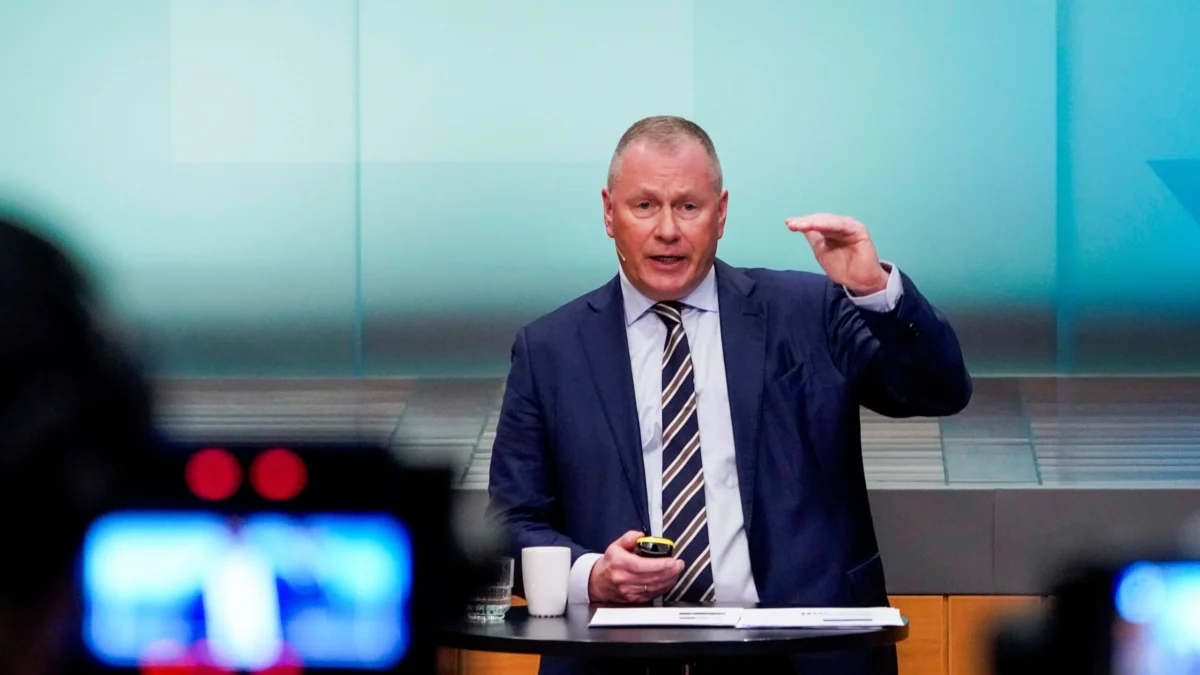
Luka Mucic, the chief executive of Vonovia, one of Germany’s largest private housing providers, has directly challenged the premise that the expropriation plans command widespread public support. Citing a recent post-election poll conducted by Infratest dimap, Mucic stated that "the absolute majority of Berliners are against the expropriation of large private housing companies." According to this survey, 51% of respondents opposed expropriation, while only 37% supported it.
Mucic’s counter-argument focuses on what he perceives as the public’s genuine desires: more new housing construction, reliable framework conditions, and collaboration. He firmly asserted, "Expropriation creates not a single new apartment." This statement directly addresses the fundamental issue of housing supply, suggesting that the proposed policy is unlikely to alleviate the core problem of scarcity.
Addressing the Housing Shortage: Vonovia’s Contribution
In the lead-up to the elections, Mucic had previously positioned Vonovia as "part of the solution" to Berlin’s housing crisis. He highlighted the company’s efforts in increasing new construction. According to his statements, Vonovia currently has approximately 1,000 new residential units under construction in Berlin and has completed 6,000 new units since 2013. While acknowledging that this contribution might seem like "a drop in the ocean" given the scale of the problem, he stressed that it represents a tangible effort to increase housing availability.
Vonovia’s strategy, as articulated by Mucic, involves a dual approach: continued investment in new construction and a commitment to responsible management of its existing portfolio. The company emphasizes its role as a significant player in the housing market, responsible for maintaining and developing a large number of homes. Their approach seeks to balance commercial interests with the social responsibility of providing housing.

Historical Context and the 2021 Referendum
The current debate over expropriation in Berlin is deeply intertwined with the results of the 2021 referendum. This vote, initiated by a coalition of housing activists and tenant groups, saw an overwhelming majority in favor of exploring expropriation. The referendum’s success was a significant political event, putting the issue of housing affordability and corporate responsibility at the forefront of public discourse.
The referendum’s outcome prompted the Berlin Senate to consider the feasibility of expropriation. However, the legal and financial complexities involved in such a process are substantial. Valuing the assets of large real estate companies, determining appropriate compensation, and navigating the intricate legal frameworks for expropriation are all significant hurdles. The lack of a concrete legislative proposal following the referendum has been a point of contention, with critics arguing that the political will to implement such a measure has waned or that the practical challenges are proving insurmountable.

The Role of Public Opinion in Policy Making
The divergence between the 2021 referendum results and the more recent Infratest dimap poll highlights the evolving nature of public opinion on housing policy. While the initial referendum may have reflected a strong desire for decisive action against perceived corporate overreach, subsequent considerations and the practical realities of implementing such policies may have led to a shift in sentiment.
Factors influencing this shift could include:

- Economic Concerns: The potential financial implications of expropriation, including compensation costs and the impact on the broader economy, may be a growing concern for a segment of the population.
- Focus on Construction: A growing consensus that increasing supply through new construction is a more direct and effective solution to the housing shortage.
- Complexity of Implementation: The realization that expropriation is not a simple or quick fix, but a complex legal and administrative undertaking.
- Political Messaging: The effectiveness of counter-arguments from industry groups and politicians who advocate for alternative solutions.
Mucic’s reference to the post-election survey underscores a strategic effort by Vonovia and similar companies to influence public discourse and policy decisions by highlighting data that supports their position.
Broader Implications for the German Housing Market
The ongoing debate in Berlin has significant implications for the broader German housing market. Germany faces a nationwide housing shortage, particularly in its major urban centers. Policies enacted in Berlin could set precedents or influence discussions in other cities grappling with similar challenges.

The conflict between political proposals for expropriation and the real estate industry’s focus on market-based solutions like construction and investment is a recurring theme. The outcome of these debates will shape the future of urban housing development, affordability, and the relationship between private enterprise and public policy in Germany.
Potential Future Scenarios
Several scenarios could unfold from the current situation:

- Legislative Action: Die Linke, potentially as part of a governing coalition, could push for the development and introduction of an expropriation law. This would likely lead to lengthy legal battles and intense political debate.
- Focus on Alternative Policies: The Berlin government might opt for less drastic measures, such as stricter rent controls, incentives for affordable housing development, or streamlined approval processes for new construction.
- Continued Stalemate: The issue could remain a subject of political debate without concrete legislative action, reflecting the complexities and potential divisions surrounding expropriation.
- Increased Dialogue and Compromise: A scenario where political parties and industry stakeholders engage in more constructive dialogue to find mutually agreeable solutions that address the housing crisis effectively.
The statements from Vonovia’s CEO indicate a preference for the latter scenarios, emphasizing collaboration and construction as the path forward. The coming months will be crucial in determining which direction Berlin’s housing policy will take and what impact it will have on the national housing landscape. The key challenge remains finding sustainable solutions that balance the needs of residents with the requirements of a functioning housing market.