Ena Muazin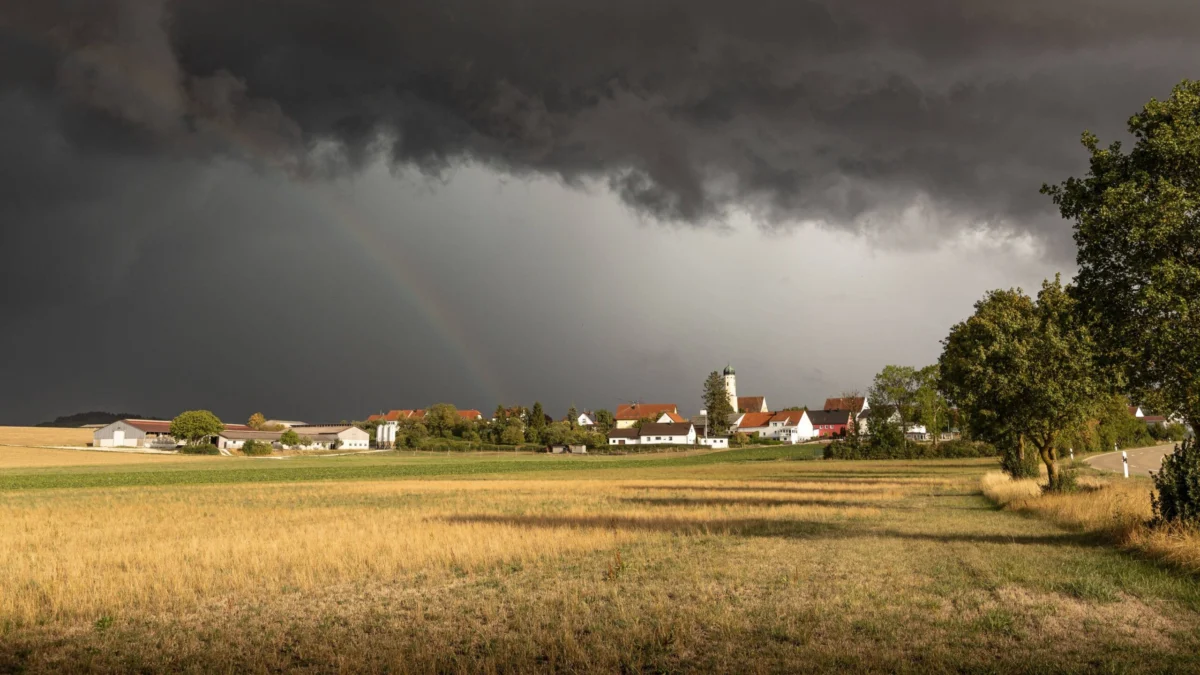
The escalating costs associated with climate change and its tangible impacts are placing an increasing burden on homeowners. Between 2016 and 2025, the German Insurance Association (GDV) estimates that damages from natural catastrophes in Germany will amount to approximately 2.4 billion euros annually. This figure represents a significant surge compared to the period between 2000 and 2009, when annual damages averaged around 1.4 billion euros. These rising costs directly affect property owners, as damage to homes from heatwaves, storms, and heavy rainfall becomes more frequent, consequently driving up premiums for elemental insurance. For those seeking to mitigate potentially substantial repair expenses, proactive measures to protect their properties are becoming increasingly essential. Furthermore, the risk posed by climate change should be a critical consideration during the home-buying process, as geographical location can significantly influence the cost implications of natural hazards. This article delves into the most effective protective measures and their associated costs, offering a comprehensive guide for homeowners navigating an era of increasing climate volatility.
The Growing Threat: Climate Change and Property Damage
The scientific consensus on climate change points to an undeniable increase in the frequency and intensity of extreme weather events worldwide. Germany, like many nations, is experiencing the consequences firsthand. Heatwaves are becoming more prolonged and severe, leading to issues such as increased risk of wildfires and structural damage due to thermal expansion. Heavy rainfall, often occurring in short, intense bursts, can overwhelm drainage systems and lead to flash floods, causing extensive water damage to properties, particularly in low-lying areas or those with inadequate infrastructure. Storms, including severe thunderstorms and gales, can inflict significant damage through high winds, flying debris, and lightning strikes.
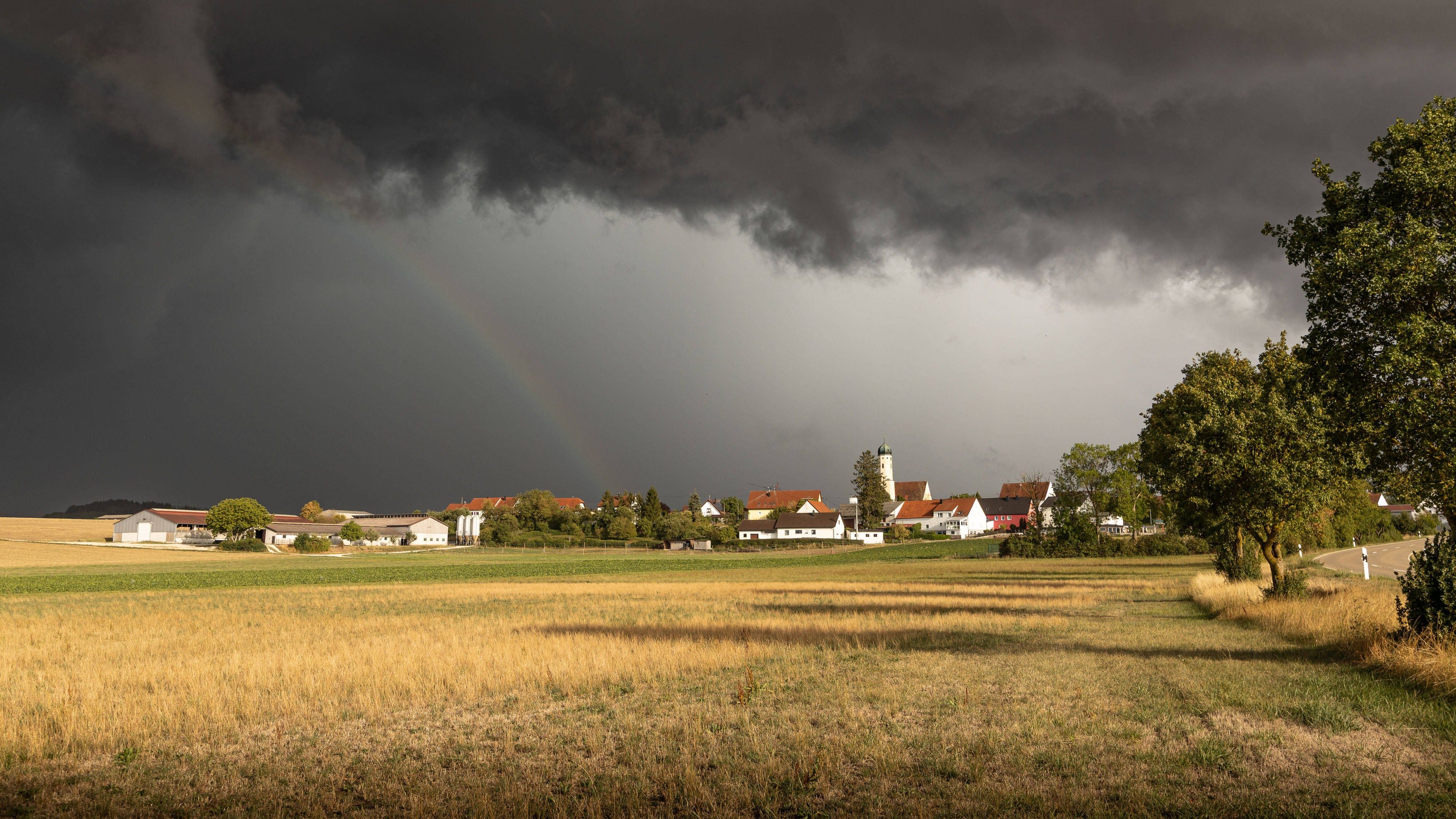
The financial repercussions of these events are not merely theoretical. The increase in insurance claims directly translates into higher premiums for property owners. Insurers are recalibrating their risk assessments based on historical data and future climate projections, leading to increased costs for elemental insurance policies, which cover damage from natural hazards like floods, storms, and earthquakes. This trend is particularly concerning for homeowners in areas deemed to be at higher risk.
Identifying Climate Hotspots in Germany
Understanding regional vulnerabilities is crucial for targeted protection. Germany can be broadly categorized into several climate regions, each with distinct primary risks:
- Coastal Regions (North Germany): These areas face a higher risk of storm surges and severe windstorms due to their proximity to the North Sea and Baltic Sea. The increased frequency of intense storms can lead to coastal erosion and damage to infrastructure, including homes.
- Southwest Germany and the Upper Rhine Valley: This region is particularly susceptible to heatwaves. Prolonged periods of high temperatures can lead to issues such as increased demand on energy grids for cooling, potential water scarcity, and damage to building materials due to extreme heat. The dense urban development in these areas can also exacerbate the urban heat island effect.
- Low-lying Areas and Sinkholes: Regardless of geographical location, areas characterized by depressions and lower elevations are at increased risk of flooding during periods of heavy rainfall. Water can accumulate and ingress into buildings, causing extensive damage to foundations, basements, and living spaces.
- Urban Areas: Densely populated urban centers often experience a more pronounced urban heat island effect, making them more vulnerable to heatwaves. Additionally, the extensive impervious surfaces in cities can contribute to rapid surface runoff during heavy rainfall, increasing the risk of localized flooding.
While these classifications highlight regional predispositions, it is important to note that extreme weather events, including heavy rainfall and severe storms, can occur anywhere in Germany, underscoring the need for a universally applicable approach to property protection.

Proactive Measures: Protecting Your Home
The investment in preventative measures can significantly reduce the likelihood and severity of damage, ultimately saving homeowners considerable expense and stress in the long run. Several key strategies can be implemented, ranging in cost and complexity.
1. Flood Protection Measures
Given the increasing threat of heavy rainfall and rising water levels, robust flood protection is paramount.
- Water-Resistant Building Materials: Utilizing materials like waterproof concrete, specialized sealants, and non-porous flooring in basements and ground floors can prevent water ingress. The cost for such materials can add a premium of 5-15% to construction or renovation costs, but the long-term savings from preventing flood damage are substantial.
- Elevated Utilities: Ensuring that critical utilities such as electrical panels, heating systems, and washing machines are installed at a higher elevation, ideally above potential flood levels, can prevent catastrophic damage and costly replacements. This is a relatively low-cost measure, often integrated into new construction or major renovations, typically adding a few hundred to a couple of thousand euros depending on the system.
- Flood Barriers and Backflow Valves: Installing removable flood barriers for doors and windows, particularly in vulnerable areas like basements, can provide an immediate defense against rising water. Backflow valves in sewage systems prevent wastewater from backing up into the house during heavy rainfall or sewer overflows. The cost for flood barriers can range from a few hundred euros for basic kits to several thousand for custom-designed systems. Backflow valve installation typically costs between €500 and €1,500 per valve.
- Landscaping for Drainage: Strategic landscaping can direct water away from the house. This includes creating gentle slopes away from the foundation, installing French drains, or using permeable paving materials for driveways and patios. These measures can range from a few hundred euros for simple grading to several thousand for extensive drainage systems.
2. Heat Protection Measures
As heatwaves become more intense, protecting homes from excessive heat is crucial for comfort and structural integrity.
- Improved Insulation and Ventilation: High-quality insulation in walls, roofs, and floors helps to keep heat out during the summer months, much like it keeps heat in during winter. Coupled with effective ventilation systems, such as heat recovery ventilation (HRV) or energy recovery ventilation (ERV) systems, this can significantly reduce reliance on air conditioning. The cost of enhanced insulation can add 10-20% to construction costs, while HRV/ERV systems can range from €3,000 to €8,000 installed.
- External Shading: Installing external blinds, shutters, or awnings is highly effective in blocking solar radiation before it enters the house. These are generally more effective than internal blinds, as they prevent the heat from reaching the window panes. External blinds can cost between €200 and €1,000 per window, depending on size and material.
- Cool Roofs and Green Roofs: For flat or gently sloped roofs, reflective "cool roof" coatings can significantly reduce heat absorption. Green roofs, covered with vegetation, offer excellent insulation and cooling properties, along with environmental benefits. Cool roof coatings can cost €30-€60 per square meter, while green roof installations are considerably more expensive, ranging from €100 to €300 per square meter, depending on the system’s complexity and plant selection.
- Planting Trees and Vegetation: Strategically planting deciduous trees on the south and west sides of a house can provide natural shade during the summer while allowing sunlight to penetrate in the winter. This is a cost-effective long-term solution, with the initial cost of trees and planting varying widely but generally being a few hundred euros for mature specimens.
3. Storm and Wind Protection Measures
Protecting against high winds and flying debris requires reinforcement and careful consideration of building components.
- Impact-Resistant Windows and Doors: Investing in windows and doors with higher impact resistance ratings can prevent breakage from flying debris during storms. These can add 10-25% to the cost of standard windows and doors but offer crucial protection.
- Reinforced Roofing: Ensuring that roofing materials are securely fastened and that the roof structure itself is robust is vital. This may involve using stronger fasteners, additional bracing, or choosing materials designed for high-wind areas. The cost can vary significantly, but reinforcement could add several thousand euros to a roofing project.
- Secure Outdoor Structures: Items like garden sheds, fences, and pergolas should be well-anchored to the ground to prevent them from becoming projectiles during strong winds. The cost of securing these structures is generally minimal, involving reinforced foundations or anchoring systems.
- Tree Management: Regular inspection and maintenance of trees on your property are essential. Removing dead branches or unhealthy trees can prevent them from falling on your house during storms. Professional tree trimming services can cost a few hundred euros.
Cost Considerations and Investment Analysis
The financial outlay for these protective measures varies considerably. Some interventions, like improving landscaping for drainage or securing outdoor structures, are relatively inexpensive. Others, such as installing advanced flood barriers, replacing windows with impact-resistant models, or implementing green roof systems, represent a more significant investment.
It is crucial to view these expenditures not as costs, but as investments in the long-term resilience and value of a property. The potential savings from avoiding major repair bills, increased insurance premiums, and the loss of use of a home can far outweigh the initial investment. For instance, a severe flood can result in tens of thousands of euros in damages, while preventative measures might cost a fraction of that amount. Similarly, sustained heat can lead to costly air conditioning usage or structural damage, which improved insulation and shading can mitigate.

Indicative Cost Ranges for Key Measures:
- Flood Barriers (Basic Kits): €300 – €1,500
- Backflow Valves (Installed): €500 – €1,500 per valve
- External Blinds/Shutters: €200 – €1,000 per window
- Improved Insulation (Significant Upgrade): 10-20% on construction/renovation costs
- Impact-Resistant Windows: 10-25% premium over standard windows
- Green Roof Installation: €100 – €300 per square meter
- Strategic Tree Planting: €200 – €1,000+ for mature trees
A detailed assessment of a property’s specific vulnerabilities, in consultation with local authorities, insurance providers, and building professionals, is recommended to prioritize the most effective and cost-efficient measures.
The Role of Insurance and Policy Considerations
While preventative measures are the first line of defense, adequate insurance coverage remains a critical safety net. Elemental insurance (Elementarschadenversicherung) in Germany typically covers damages caused by natural hazards such as floods, heavy rain, storms, hail, snow load, landslides, and earthquakes.

It is essential for homeowners to understand the scope of their insurance policies. Premiums are often determined by factors such as the property’s location, its construction type, and the level of risk associated with natural events in that area. As climate change intensifies, insurers are increasingly factoring these risks into their pricing models. Some insurers may even offer discounts for properties that have implemented recognized climate adaptation measures.
Furthermore, policyholders should be aware of any deductibles and coverage limits. In some cases, specific types of damage or certain preventative measures might be excluded from coverage, necessitating a thorough review of policy terms and conditions. Engaging with an insurance broker can provide valuable insights into optimizing coverage and understanding the interplay between preventative actions and insurance premiums.
Broader Implications and Future Outlook
The increasing frequency and severity of extreme weather events have profound implications beyond individual property protection. They highlight the urgent need for broader societal adaptation strategies. This includes:

- Urban Planning and Infrastructure Development: Municipalities must invest in climate-resilient infrastructure, such as enhanced stormwater management systems, elevated critical infrastructure, and the creation of green spaces that can absorb excess water. Zoning regulations should also consider climate risks, potentially restricting new construction in high-risk floodplains or areas prone to landslides.
- Governmental Support and Incentives: Financial incentives, subsidies, or tax breaks for homeowners who invest in climate adaptation measures can encourage wider adoption of protective strategies. Public awareness campaigns can also play a vital role in educating citizens about the risks and available solutions.
- Technological Advancements: Continued research and development in areas like advanced weather forecasting, early warning systems, and innovative building materials will be crucial in helping communities prepare for and respond to extreme weather.
The trend towards more frequent and intense extreme weather events is expected to continue. Therefore, proactive protection of homes is not merely a prudent financial decision but an essential component of responsible property ownership in the face of a changing climate. By understanding the risks, implementing targeted protective measures, and ensuring adequate insurance coverage, homeowners can significantly enhance their property’s resilience and safeguard their investments against the growing threats posed by extreme weather. The costs associated with inaction—both financial and personal—are likely to far exceed the investment required for preparedness.