Lina Wu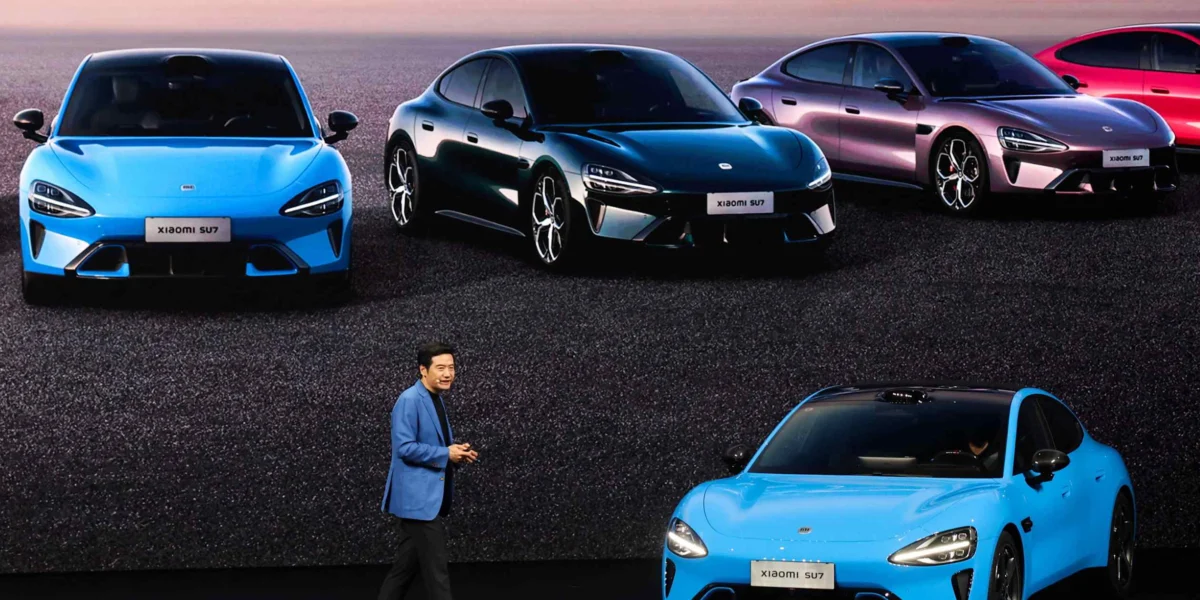
Xiaomi, the Chinese technology conglomerate known for its smartphones and increasingly for its foray into the electric vehicle (EV) market, has reported a significant and unexpected 24% decline in net profit for the fourth quarter of 2025. This downturn comes as the company navigates a complex landscape of slowing consumer demand, fierce domestic and international competition, and ongoing regulatory scrutiny within China’s dynamic tech sector. The profit slump casts a shadow over the company’s ambitious expansion plans, particularly its substantial investment in research and development, and highlights the formidable hurdles it faces in diversifying its revenue streams beyond its traditional hardware dominance.
The company’s recent performance figures reveal a net profit of approximately $3.8 billion for the final three months of 2025, a notable decrease from the $5.0 billion recorded in the same period of the previous year. This decline, which surprised many market analysts who had projected a more stable financial quarter, has been attributed to a confluence of factors. Chief among these are the sluggish sales of its flagship smartphone models, a core revenue driver for Xiaomi, and the considerable financial outlay associated with its nascent electric vehicle division.
The Electric Vehicle Gamble: High Stakes and Early Hurdles
Xiaomi’s entry into the highly competitive automotive industry has been a central theme of its recent corporate strategy. In March 2026, the company officially unveiled its first electric sedan, the SU7, at a high-profile launch event in Beijing. Founder and CEO Lei Jun presented the vehicle with considerable fanfare, positioning it as a direct competitor to established domestic players and even premium international brands. However, the initial reception and sales performance of the SU7 have encountered significant headwinds. Reports from the ground indicate that while initial order numbers were robust, driven by significant pre-launch hype and Xiaomi’s extensive brand recognition, the actual delivery pace and sustained demand are proving to be a challenge.
The automotive sector is notoriously capital-intensive, demanding vast investments in manufacturing, supply chains, and research and development. Xiaomi’s commitment to this new frontier is substantial, with the company earmarking billions of dollars for its EV division over the next five years. This R&D investment, while crucial for long-term growth and innovation, is placing a considerable strain on its current profitability, especially when juxtaposed with moderating performance in its core businesses.
The SU7 itself has faced scrutiny regarding its pricing, which, while competitive in some segments, is perceived by some analysts as being at the higher end for a new entrant. Furthermore, the sheer volume of EV options available in the Chinese market, which is already saturated with offerings from Tesla, BYD, Nio, and a host of other domestic manufacturers, means that carving out a significant market share will be an arduous task. Industry observers note that while Xiaomi’s brand loyalty among its smartphone users could translate into early EV adopters, convincing a broader consumer base to switch to a new automotive brand requires more than just innovative technology and aggressive marketing. It necessitates a proven track record of reliability, exceptional customer service, and a compelling value proposition that resonates with a diverse range of buyers.
Smartphone Segment Struggles Amidst Fierce Competition
Beyond the EV ventures, Xiaomi’s traditional stronghold – the smartphone market – is also experiencing increased pressure. While the company has consistently ranked among the top global smartphone vendors, the fierce competition within China and on the international stage has intensified. Huawei’s resurgence, bolstered by its advancements in domestic chip technology, has recaptured market share that was once considered lost. Apple continues to command a significant premium segment, and domestic rivals like Vivo and Oppo are aggressively innovating and expanding their global footprints.
The global smartphone market, in general, has shown signs of maturation, with growth rates slowing down. Consumers are holding onto their devices for longer periods, and the incremental improvements in new models are often not compelling enough to drive widespread upgrades. This has led to a more challenging environment for all manufacturers, including Xiaomi, to achieve significant sales volume growth.
In the fourth quarter of 2025, Xiaomi’s smartphone revenue saw a modest decline of approximately 5%, a figure that, while not catastrophic, signals a deviation from the robust growth that has characterized the company in previous years. This slowdown is exacerbated by higher production costs and increased marketing expenditures aimed at differentiating its products in a crowded marketplace. The company’s strategy to move upmarket and compete in the premium smartphone segment, while a logical step towards higher margins, has also proven to be a difficult battle against established players with strong brand equity and loyal customer bases.
R&D Investment: A Double-Edged Sword
Xiaomi’s commitment to substantial R&D investment is a testament to its long-term vision. The company plans to allocate a significant portion of its future earnings towards developing cutting-edge technologies across its diverse business units, including AI, IoT devices, and, of course, its automotive division. This strategic focus on innovation is essential for staying competitive and for driving future growth in an era defined by rapid technological advancements.
However, the immediate impact of these investments on the company’s bottom line is undeniable. High R&D spending, coupled with the initial losses incurred by new ventures like the EV business, naturally exerts downward pressure on net profit margins. For Xiaomi, the challenge lies in balancing this long-term investment strategy with the need to demonstrate consistent profitability to investors and maintain market confidence.
The timing of this profit dip is particularly sensitive, occurring amidst a period of heightened regulatory scrutiny for Chinese tech giants. While the most intense crackdowns of previous years may have subsided, the government continues to monitor and guide the development of its technology sector, with a focus on areas like data security, fair competition, and national technological self-reliance. This environment necessitates careful navigation and can add layers of complexity to business operations and expansion plans.
Market Reactions and Future Outlook
The market’s reaction to Xiaomi’s profit decline has been mixed, with some investors expressing concern about the short-term financial performance while others acknowledge the strategic importance of its long-term investments. The company’s stock price experienced a slight dip following the announcement, reflecting the immediate impact of the news.
Analysts are closely watching how Xiaomi will manage its cash flow and profitability in the coming quarters. Key metrics to monitor include the sales trajectory of the SU7, the growth of its other business segments (such as IoT devices and services), and its ability to optimize its smartphone operations amidst intense competition.
The broader implications of Xiaomi’s current challenges extend beyond the company itself. As a bellwether for China’s technological ambitions, its performance offers insights into the broader trends shaping the nation’s economy. The success or failure of its EV venture, in particular, will be closely observed as a test case for other Chinese tech companies looking to diversify into new and challenging industries.
Looking ahead, Xiaomi faces a critical juncture. The company must demonstrate its ability to navigate the complex interplay of market dynamics, technological innovation, and financial management. Its success will hinge on its capacity to:
- Accelerate EV Sales and Production: Beyond the initial launch buzz, sustained sales and efficient production of the SU7 will be crucial to justify the significant investment.
- Revitalize Smartphone Growth: Finding new avenues for growth in the mature smartphone market, perhaps through innovation in foldable devices, enhanced AI integration, or by expanding its presence in emerging markets, will be vital.
- Optimize Cost Structures: While R&D is essential, the company will need to ensure that its overall cost structures are efficient and sustainable, especially in its traditional hardware businesses.
- Diversify Revenue Streams: Continued growth in its Internet of Things (IoT) ecosystem and software/services segments will be important for reducing reliance on hardware sales.
- Adapt to Regulatory Landscapes: Proactively adhering to evolving regulatory requirements in China and international markets will be paramount for long-term stability.
The coming months will be a critical period for Xiaomi as it seeks to prove that its ambitious diversification strategy can ultimately translate into sustained profitability and market leadership, even in the face of significant headwinds. The surprise profit drop serves as a stark reminder of the inherent risks and challenges associated with rapid expansion and aggressive investment in highly competitive and rapidly evolving industries.