Gilang Muhammad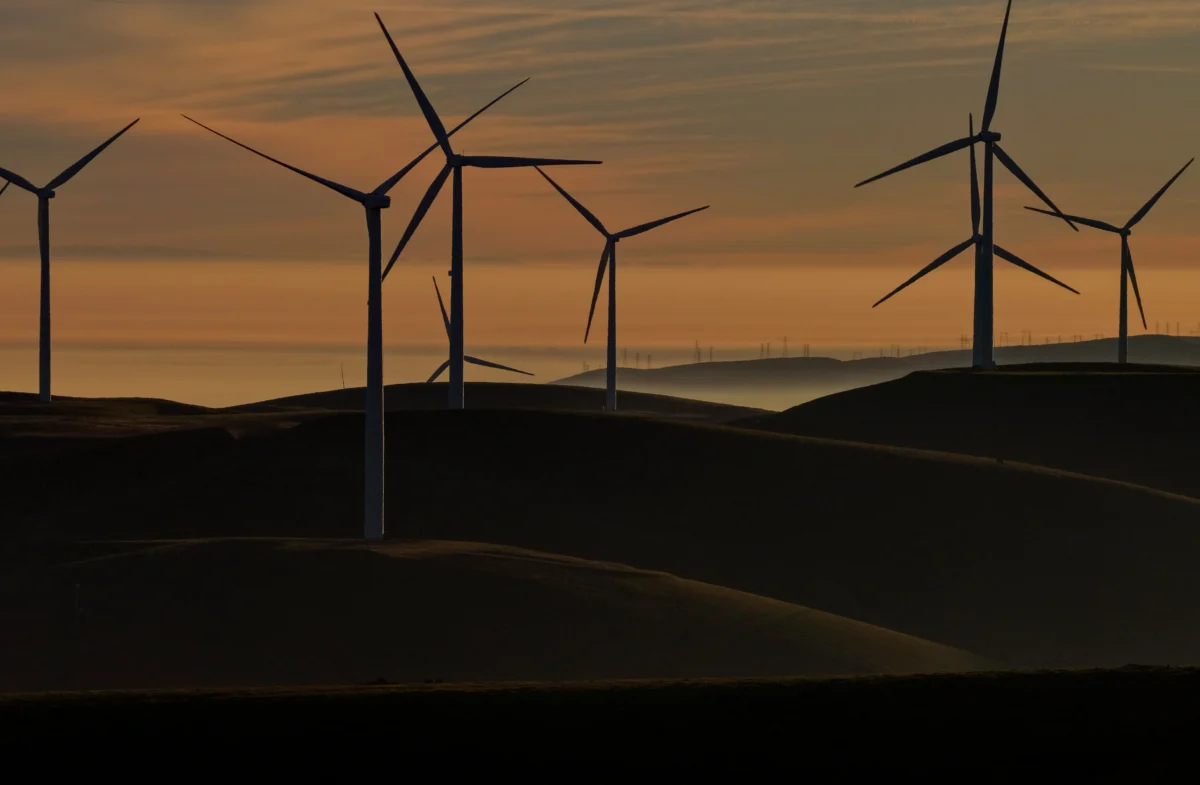
The White House has finalized a landmark agreement with French energy giant TotalEnergies, committing to pay the company $1 billion to shelve its planned East Coast offshore wind farm projects. This significant policy reversal, announced on Monday by the U.S. Department of the Interior (DOI), will see TotalEnergies redirect its substantial investment—equivalent to the value of its renounced offshore wind leases—into U.S. liquefied natural gas (LNG) production and conventional oil and gas exploration. This strategic pivot underscores the Trump administration’s commitment to prioritizing "affordable, reliable natural gas projects" over renewable energy sources it deems "costly" and "unreliable," particularly in the context of escalating global energy security concerns.
The Strategic Reorientation: From Wind to Fossil Fuels
The core of the agreement involves a direct reimbursement mechanism: the U.S. government will pay TotalEnergies dollar-for-dollar, up to $1 billion, for the lease purchases it made for offshore wind development in New York and Carolina. In return, TotalEnergies has pledged to channel approximately $1 billion into bolstering U.S. fossil fuel infrastructure and production. Specifically, the French energy major will invest in the expansion of four trains at the Rio Grande LNG plant in Texas, a critical facility for U.S. natural gas exports. Additionally, the company will commit capital to upstream conventional oil projects in the U.S. Gulf and expand its shale gas production activities across the United States. This re-allocation of capital marks a definitive shift, effectively exchanging planned renewable energy capacity for increased fossil fuel output.
U.S. President Donald Trump has consistently voiced strong opposition to offshore wind developments throughout his political career, frequently characterizing such projects as economically inefficient, environmentally disruptive, and aesthetically displeasing. His administration’s energy policy has historically championed "energy dominance" through the robust production of domestic oil, natural gas, and coal, emphasizing energy independence and affordability for American consumers. This latest agreement aligns squarely with that long-standing philosophy, reinforcing a clear preference for hydrocarbon-based energy solutions.
Geopolitical Context and National Security Imperatives
The timing of this announcement is particularly pertinent, coinciding with persistent geopolitical tensions and disruptions in global energy markets. The ongoing conflict in Iran, for instance, has continued to exert upward pressure on international oil and gas prices and has introduced significant volatility into supply chains, underscoring the fragility of global energy security. In this turbulent landscape, the United States, already the world’s largest exporter of LNG, assumes an even more critical role as a stable and secure supplier to energy-hungry markets in Europe and Asia.
The Department of the Interior explicitly stated that "in light of the national security concerns," TotalEnergies had committed not to pursue any new offshore wind projects in the U.S. This framing suggests that the decision was not solely driven by economic arguments but also by a broader strategic assessment of energy resilience and geopolitical influence. By boosting LNG production, the U.S. can enhance its leverage on the international stage, providing vital energy supplies to allies and partners, particularly those in Europe still seeking to diversify away from Russian gas following the 2022 invasion of Ukraine. This commitment from TotalEnergies to forgo future U.S. offshore wind development further solidifies the administration’s stated direction for the nation’s energy future.
Statements from Key Stakeholders
Patrick Pouyanné, chairman of the Board of Directors and CEO of TotalEnergies, issued a statement through the DOI, expressing the company’s satisfaction with the settlement. "Considering that the development of offshore wind projects is not in the country’s interest, we have decided to renounce offshore wind development in the United States, in exchange for the reimbursement of the lease fees," Pouyanné was quoted as saying. He emphasized that the agreement would enable TotalEnergies to "support the development of U.S. gas production and export," thereby contributing to "supplying Europe with much-needed LNG from the U.S. and provide gas for U.S. data center development." He concluded by asserting, "We believe this is a more efficient use of capital in the United States."
U.S. Secretary of the Interior Doug Burgum echoed the administration’s stance, hailing the agreement as "yet another win for President Trump’s commitment to affordable and reliable energy for all Americans." Burgum sharply criticized offshore wind, stating, "Offshore wind is one of the most expensive, unreliable, environmentally disruptive, and subsidy-dependent schemes ever forced on American ratepayers and taxpayers. We welcome TotalEnergies’ commitment to developing projects that produce dependable, affordable power to lower Americans’ monthly bills." His remarks underscore the administration’s consistent narrative that renewable energy, particularly offshore wind, represents an undue financial burden and an unreliable power source.
Background and Chronology of U.S. Offshore Wind Development

The U.S. offshore wind sector has experienced a complex and often turbulent trajectory. While European nations have significantly advanced their offshore wind capacities over the past two decades, the U.S. market has lagged, grappling with regulatory hurdles, high costs, and local opposition.
- Early 2000s: Initial proposals for offshore wind farms, notably Cape Wind in Massachusetts, faced protracted legal battles and local resistance, highlighting the nascent industry’s challenges.
- 2010s: The Obama administration made efforts to jumpstart the industry, initiating lease sales and regulatory frameworks, albeit with limited immediate success in large-scale deployment.
- 2016: The first commercial offshore wind farm, the 30 MW Block Island Wind Farm, began operations off Rhode Island, signaling a potential turning point.
- 2020-2024 (Hypothetical Previous Administration): A hypothetical administration prioritizing climate change mitigation could have significantly accelerated offshore wind development, setting ambitious targets and streamlining permitting processes. This period likely saw increased interest from international energy companies like TotalEnergies in acquiring U.S. offshore leases. States like New York and North Carolina, with extensive coastlines and strong renewable energy goals, actively sought to attract such investments, envisioning thousands of jobs and billions in economic activity.
- 2025-2026 (Trump Administration): Upon taking office, the Trump administration quickly signaled a pivot away from aggressive renewable energy mandates. Statements from the White House and DOI consistently questioned the economic viability and grid integration challenges of large-scale offshore wind. This period likely saw a reassessment of existing leases and a more critical review of proposed projects, culminating in the TotalEnergies agreement. The Altamont Pass wind farm, shown in the accompanying image from January 2026, serves as a visual reminder of existing, albeit often aging, onshore wind infrastructure, even as offshore prospects face headwinds.
This chronology illustrates a fluctuating policy landscape, with the latest agreement representing a significant policy reversal that will undoubtedly have ripple effects across the nascent U.S. offshore wind industry.
Economic Implications and the Cost Debate
The administration’s primary justification for the pivot centers on the economic burden of offshore wind. Secretary Burgum’s description of offshore wind as "one of the most expensive, unreliable, environmentally disruptive, and subsidy-dependent schemes" directly challenges the conventional wisdom embraced by many renewable energy advocates.
Proponents of offshore wind argue that while initial capital costs are high, the levelized cost of energy (LCOE) for offshore wind has been steadily decreasing globally, driven by technological advancements and economies of scale. They also point to the long-term benefits of stable, fuel-free energy generation, job creation in manufacturing and installation, and energy independence from volatile fossil fuel markets. However, critics, often aligned with the administration, emphasize the significant grid integration costs, the intermittency of wind power requiring substantial backup generation (often natural gas), and the need for extensive transmission infrastructure. They also highlight the substantial federal and state subsidies historically offered to make these projects financially viable, which they argue ultimately burden taxpayers and ratepayers.
Conversely, the shift to LNG and conventional oil and gas production is presented as an economically superior alternative. The U.S. has abundant shale gas reserves, and technological advancements in hydraulic fracturing and horizontal drilling have significantly lowered extraction costs, making natural gas a competitive energy source. The expansion of LNG export capacity, such as at the Rio Grande plant, promises to generate substantial export revenues, create jobs in construction, operation, and related logistics, and strengthen the U.S. trade balance. TotalEnergies’ commitment of $1 billion into these sectors is projected to stimulate economic activity in states like Texas and across the Gulf Coast, aligning with the administration’s "America First" economic agenda.
Environmental and Climate Impact
The environmental implications of this policy shift are profound and contentious. From the perspective of climate change mitigation, the decision to halt offshore wind development and simultaneously boost fossil fuel production is likely to draw sharp criticism from environmental organizations and climate scientists. Offshore wind is a zero-emission electricity source during operation and is considered a critical component of global efforts to decarbonize energy systems and combat climate change. By contrast, natural gas, while cleaner burning than coal, is still a fossil fuel that releases significant greenhouse gases, primarily carbon dioxide and methane, throughout its lifecycle from extraction to combustion. Increased LNG exports imply increased global greenhouse gas emissions, even if domestic U.S. emissions are theoretically offset by a shift from coal to gas.
Environmental groups would likely argue that the administration is sacrificing long-term climate goals for short-term economic and geopolitical gains. They might also highlight potential ecological impacts of increased oil and gas drilling, such as risks of spills, habitat disruption, and methane leakage, which is a potent greenhouse gas. Conversely, the administration and its supporters might downplay the climate impact, arguing that natural gas serves as a necessary "bridge fuel" in the transition to a lower-carbon economy and that the economic stability and energy security it provides are paramount. They might also point to local environmental concerns sometimes raised against offshore wind, such as potential impacts on marine mammals, commercial fishing, and coastal aesthetics, although these are often debated and mitigated through careful planning.
Reactions and Broader Implications
The agreement is expected to elicit a diverse range of reactions from various stakeholders:
- Environmental Advocates: Groups like the Sierra Club, Natural Resources Defense Council (NRDC), and Greenpeace are anticipated to condemn the decision unequivocally. They would likely label it a severe setback for renewable energy and climate action, accusing the administration of prioritizing fossil fuel interests over a sustainable future. They might highlight the long-term costs of climate inaction and the potential for the U.S. to fall behind in the global green energy race.
- Renewable Energy Industry and Investors: Developers and investors in the U.S. offshore wind sector would likely express deep concern over policy instability and regulatory uncertainty. This agreement could have a chilling effect on future investments in U.S. clean energy projects, as companies may perceive a higher risk of policy reversals and stranded assets. The states of New York and North Carolina, which had invested significant planning and resources into fostering offshore wind supply chains and job creation, would likely face economic disruption and a need to reassess their renewable energy targets.
- Fossil Fuel Industry: The oil and gas sector, including organizations like the American Petroleum Institute (API), would likely laud the decision as a pragmatic and economically sound move. They would emphasize the benefits of increased domestic production for energy security, job creation, and economic growth, aligning with their long-standing advocacy for an "all-of-the-above" energy strategy with a strong emphasis on hydrocarbons.
- Congressional Leaders: Reactions from Capitol Hill would likely be polarized. Republican lawmakers, particularly those from energy-producing states, would probably praise the administration for strengthening energy independence and supporting traditional energy industries. Democratic lawmakers, especially those focused on climate and environmental issues, would likely criticize the decision as a retrograde step that undermines climate goals and harms the emerging green economy.
- Energy Analysts: Industry analysts might offer a more nuanced perspective. While acknowledging the political and environmental implications, some might view the decision as a pragmatic response to current market realities, high inflation, and the imperative for energy security in a volatile geopolitical climate. Others might criticize it as short-sighted, arguing that it fails to account for the long-term economic benefits and environmental necessities of transitioning to renewable energy.
This agreement, therefore, is not merely a financial transaction between the U.S. government and a foreign energy company; it is a profound statement about the direction of U.S. energy policy under the current administration. It signals a clear preference for established fossil fuel industries, driven by arguments of cost, reliability, and national security, even if it comes at the expense of accelerating the transition to renewable energy sources. The long-term ramifications for the U.S. energy mix, its climate commitments, and its standing in the global energy transition remain to be fully seen, but the immediate impact is a definitive shift away from offshore wind and towards an expanded role for oil and natural gas.