Ella Zulfa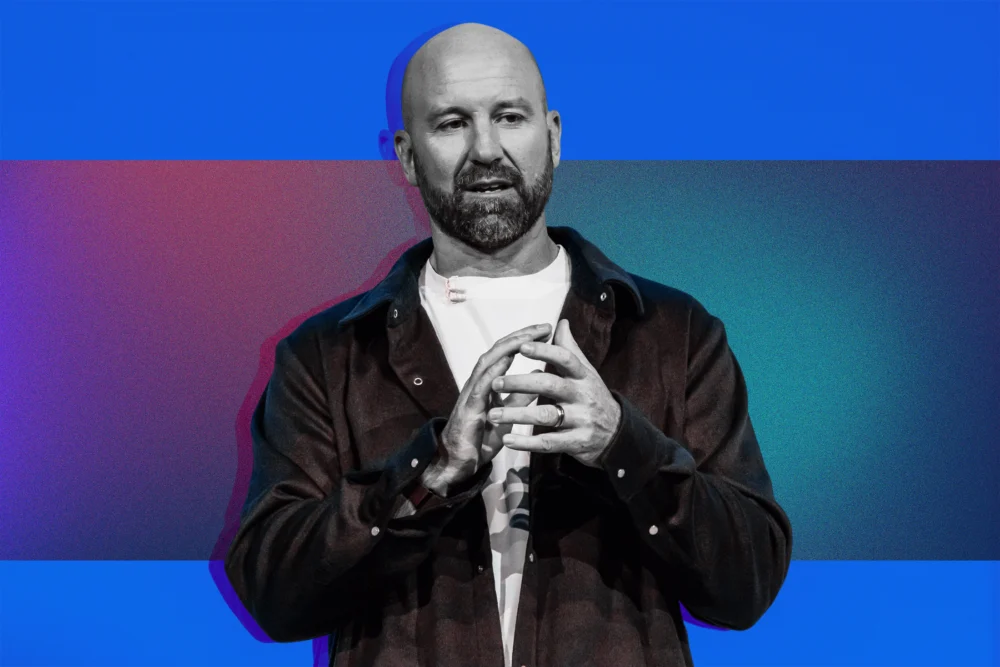
The allure of Silicon Valley, with its groundbreaking innovation and often astronomical compensation packages, continues to draw top talent worldwide. Recent federal filings underscore the lucrative nature of roles within leading technology firms. For instance, research scientists at OpenAI are reported to command annual salaries ranging from $245,000 to $685,000, a testament to the high value placed on expertise in artificial intelligence. Similarly, software engineers at Meta, the tech giant formerly known as Facebook, can expect base salaries between $120,000 and $480,000, reflecting the competitive landscape for skilled professionals in the industry.
Securing such positions at elite tech companies requires more than just technical proficiency; it demands a specific mindset and a set of personal attributes that align with the demanding culture of these organizations. Andrew Bosworth, Meta’s Chief Technology Officer, recently shed light on these essential qualities. In response to a question posed on social media regarding the profile of individuals who thrive at Meta, Bosworth, who oversees critical divisions including the metaverse and AI-powered smart glasses, articulated a vision of the ideal employee. His insights offer a valuable glimpse into the strategic hiring and development philosophy at one of the world’s most influential technology corporations.
The Drive for Excellence: Relentlessness in Pursuit of Great Work
Bosworth’s initial emphasis was on a profound dedication to the quality of one’s output. He described this as being "relentless in pursuit of doing great work." This isn’t merely about completing tasks; it’s about fostering a deep sense of pride and ownership in the creations. Employees at Meta are expected to internalize the impact of their contributions, treating the outcomes of their labor as personal achievements. This intrinsic motivation drives a commitment to excellence that goes beyond contractual obligations, pushing individuals to iterate, improve, and innovate consistently.
This philosophy echoes a broader trend in high-performance environments where a passion for the craft is a significant differentiator. In fields like AI and advanced computing, where the pace of change is relentless and the complexity of challenges is immense, a team that is genuinely invested in the success of its projects is far more likely to achieve breakthroughs. The ability to derive satisfaction from overcoming obstacles and delivering high-impact solutions is a cornerstone of sustained success.
Navigating the Unpredictable: Adaptability as a Core Competency
The technology sector is characterized by its dynamic nature, with market trends, strategic priorities, and technological landscapes shifting with remarkable speed. Bosworth highlighted "adaptability" as another crucial trait, describing it as the ability to "roll with the punches." In an environment where strategic pivots are common, individuals who exhibit reflexive fear or resistance to change are less likely to thrive. Instead, Meta seeks employees whose initial reaction to shifting plans is one of curiosity and an eagerness to explore the new possibilities that emerge.
This characteristic is particularly pertinent given Meta’s recent strategic adjustments. In January of the current year, the company began implementing significant layoffs, cutting over 1,000 jobs within its Reality Labs division. This move signaled a pronounced shift in focus, moving away from a singular emphasis on virtual reality towards a more integrated approach encompassing AI and the development of smart glasses. Employees who can embrace such organizational realignments, viewing them as opportunities for growth and learning rather than setbacks, are invaluable assets. Their ability to pivot their skills and perspectives in response to evolving company objectives ensures continued productivity and innovation, even amidst organizational restructuring.
The Power of Directness: Communication and Feedback
Bosworth also underscored the importance of straightforward communication. He stated that successful employees are direct in their interactions and value the same candor from their colleagues and leadership. This extends to the acceptance of direct feedback. Rather than viewing constructive criticism as a personal attack, individuals who can embrace it in the spirit in which it is given, and subsequently leverage it for personal and professional development, are highly regarded.
This emphasis on direct communication is not without its challenges. In any collaborative environment, differing perspectives can lead to conflict. However, Bosworth has proactively addressed this by developing a structured approach to conflict resolution. In a post shared on his personal blog in September 2025, he outlined a four-step methodology designed to facilitate productive dialogue and reconciliation:

- Individual Listening: The process begins by giving one party the space to articulate their perspective without interruption.
- Reflective Inquiry: The first individual is then prompted to reflect on the root causes and dynamics of the conflict.
- Empathic Consideration: The focus shifts to the second party, who is encouraged to consider the situation from the other person’s viewpoint.
- Facilitated Reconciliation: Finally, both parties are brought together with the objective of finding common ground and resolving the disagreement.
This methodical approach to conflict resolution suggests a mature understanding of interpersonal dynamics within a high-stakes corporate environment. It acknowledges that while directness is valued, it must be paired with mechanisms that ensure respect, understanding, and ultimately, the preservation of productive working relationships.
The Foundational Element: Being a "Good Person"
Beyond the specific skill sets and behavioral traits, Bosworth concluded his articulation of desirable employee qualities with a simple yet profound statement: the importance of being "a good person." This encompasses a range of ethical considerations, interpersonal decency, and a commitment to fostering a positive and inclusive work environment. In the complex and often intense world of Big Tech, where rapid innovation and competitive pressures can sometimes lead to challenging situations, the presence of individuals with strong moral compasses and genuine consideration for others is paramount. This fundamental attribute serves as the bedrock upon which all other professional competencies are built.
A Consensus Among Tech Leaders
The traits identified by Andrew Bosworth are not unique to Meta; they resonate with the leadership philosophies of other prominent figures in the technology industry. This shared understanding highlights a convergence of thought regarding the essential qualities that drive success in the contemporary tech landscape.
Patrick Collison, the CEO of Stripe, a leading payment processing company, has articulated similar values. In a podcast interview in 2018, Collison emphasized the importance of "determination and competitiveness" in new hires, coupled with an awareness that "doing anything of significance is hard." This speaks to the same relentless pursuit of excellence that Bosworth described. Furthermore, Collison also seeks individuals who exhibit "interpersonal warmth" and a genuine "desire to make others around them better." This focus on collaborative spirit and positive influence aligns directly with Bosworth’s call for employees to be "good people."
Microsoft CEO Satya Nadella has consistently championed empathy as a cornerstone of effective leadership and a critical hiring criterion. Nadella argues that without empathy and a "learn-it-all" mindset—a commitment to continuous learning and intellectual humility—other qualities become less impactful. This perspective underscores the growing recognition that emotional intelligence and a capacity for understanding and connecting with others are as vital as technical acumen in driving long-term organizational success. The emphasis on empathy fosters a culture of psychological safety, encouraging innovation and collaboration by ensuring that employees feel valued and understood.
Implications for the Tech Workforce and Beyond
The insights from Meta’s CTO and his counterparts at other tech giants offer valuable guidance for aspiring professionals and established employees alike. They signal a shift beyond purely technical metrics, emphasizing the integral role of soft skills, character, and a growth mindset in navigating the complexities of the modern workplace.
For individuals seeking to enter or advance within the tech industry, understanding these desired attributes can inform their career development strategies. Cultivating resilience in the face of change, honing communication skills, demonstrating a commitment to collaborative success, and nurturing a strong ethical compass are investments that yield significant returns.
Furthermore, the emphasis on adaptability is particularly relevant in an era where technological disruption is a constant. Companies that can successfully integrate AI, virtual and augmented reality, and other emerging technologies will require a workforce that is not only skilled but also agile and open to evolving roles and responsibilities. The layoffs at Meta’s Reality Labs, while impactful, underscore the company’s strategic redirection and the need for its employees to align with these new priorities.
The consensus among these tech leaders suggests that the future of work in innovation-driven sectors will increasingly depend on individuals who possess a blend of technical prowess, intellectual curiosity, emotional intelligence, and a fundamental commitment to integrity and collaboration. As these companies continue to shape the technological landscape, the qualities they seek in their employees will undoubtedly influence broader trends in talent acquisition and workforce development across various industries. The pursuit of "great work," the ability to adapt to evolving challenges, the clarity of communication, and the foundational principle of being a "good person" are not merely desirable traits; they are becoming essential pillars of success in the competitive and ever-changing world of technology.