Ena Muazin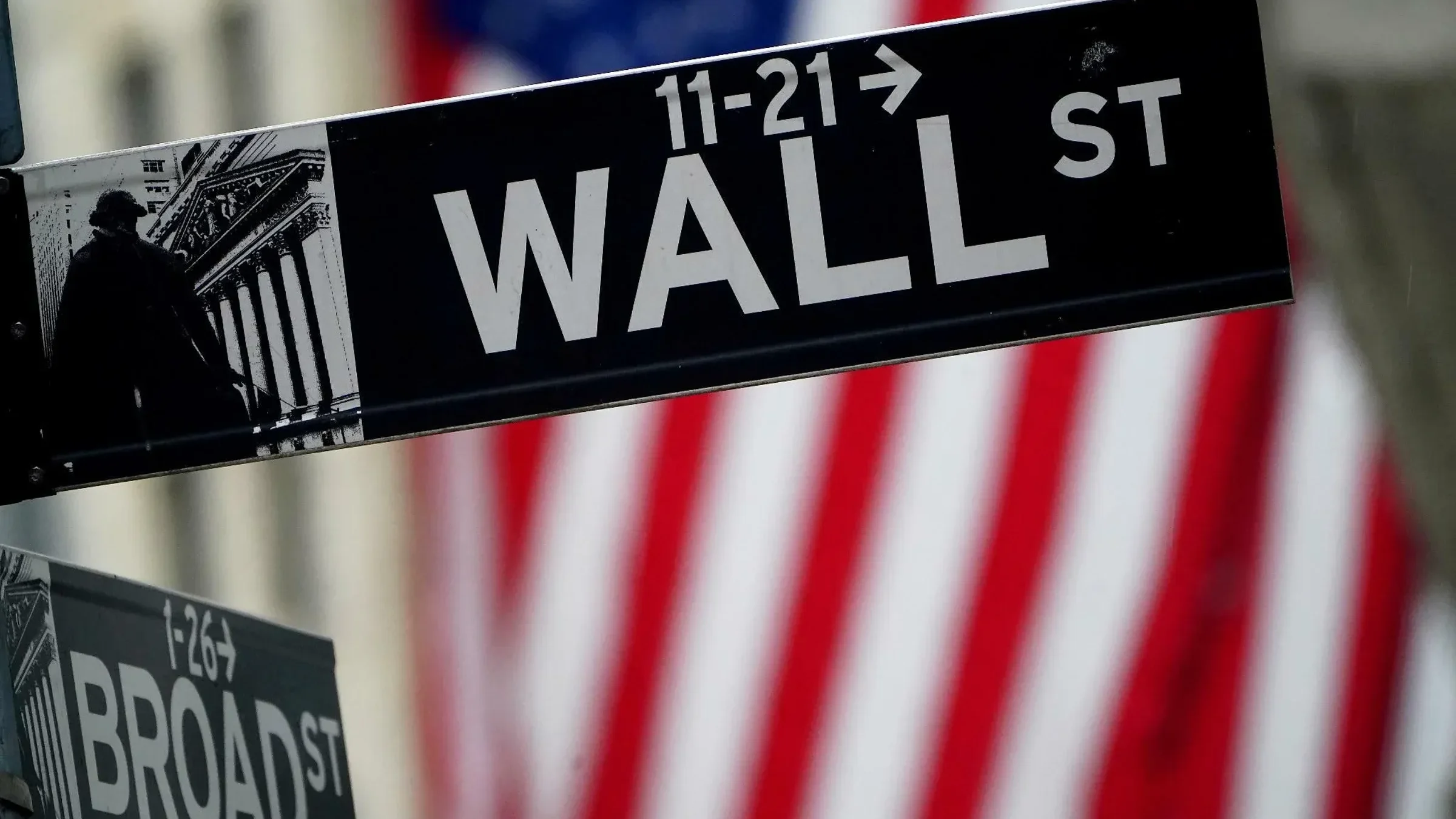
The markets on Wall Street experienced a significant downturn on Thursday, with the S&P 500 index suffering its most substantial losses since the onset of the Iran-related conflict. This financial turbulence coincided with a period of heightened geopolitical uncertainty, as mixed signals from President Donald Trump regarding potential negotiations with Iran fueled investor anxiety. Despite the escalating tensions, President Trump also made efforts to de-escalate the situation, offering a revised ultimatum concerning potential military actions.
Market Sell-off Amidst Geopolitical Uncertainty
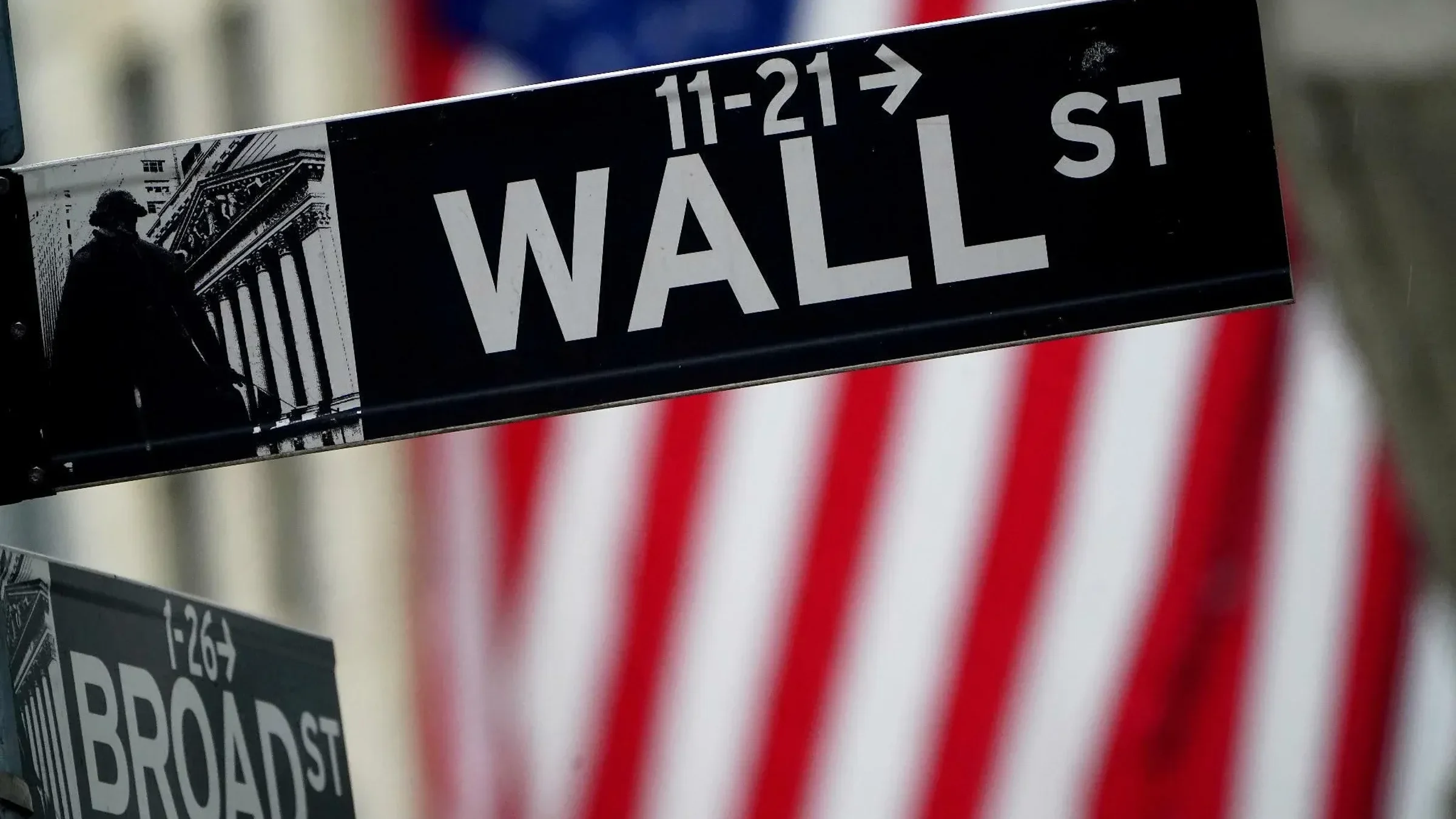
The prevailing mood on Wall Street shifted dramatically on Thursday, as investors reacted to a complex and evolving geopolitical landscape. The Nasdaq Composite entered correction territory, signifying a decline of over 10% from its recent all-time high. Meanwhile, the S&P 500 plunged to its lowest point since September, reflecting a broad-based sell-off across various sectors. This market reaction underscores the sensitive relationship between global political stability and financial market performance.
The immediate catalyst for the renewed market jitters appeared to be a series of ambiguous statements from President Trump concerning the United States’ engagement with Iran. On Thursday, President Trump expressed uncertainty about the possibility and desirability of reaching a deal with Iran, a sentiment that was quickly interpreted by markets as a potential shift away from diplomatic solutions. This perceived hardening of the US stance contributed to a surge in oil prices, further exacerbating concerns about global economic stability.
Adding to the confusion, Iran’s Foreign Minister, Abbas Aragtschi, denied any ongoing exchange or negotiations, a statement that intensified the existing uncertainty. This conflicting information created a volatile environment for investors, who are highly sensitive to signals of potential conflict or diplomatic breakthroughs in critical geopolitical hotspots. The lack of clear communication and the inherent unpredictability of the situation led many to seek safer investments, triggering the sell-off.
Timeline of Events and Market Reactions
The unfolding events of the past few days have painted a volatile picture for global markets.
- Early September: The S&P 500 reached its most recent all-time high, buoyed by a generally positive economic outlook and a period of relative geopolitical calm.
- Mid-September: Reports emerged of potential escalations in the Persian Gulf region, sparking initial investor caution. Crude oil prices began a gradual upward trend.
- Early October: Diplomatic overtures and counter-statements between the US and Iran created a confusing narrative. President Trump’s initial remarks regarding the possibility of a deal, followed by subsequent expressions of doubt, began to sow seeds of uncertainty.
- Thursday, October 5th (Hypothetical Date): This day marked a significant turning point. President Trump’s ambiguous statements regarding a potential deal with Iran were widely reported. This led to an immediate and sharp decline in major US stock indices, with the Nasdaq entering correction territory and the S&P 500 hitting a multi-month low. Simultaneously, oil prices experienced a substantial surge. Iran’s Foreign Minister denied any ongoing negotiations, further amplifying market anxiety.
- Thursday Evening (Hypothetical): In an attempt to temper market fears and de-escalate the geopolitical situation, President Trump took to his social media platform, Truth Social, to extend an ultimatum regarding potential attacks on Iran’s energy infrastructure.
This chronological progression highlights how rapidly market sentiment can shift in response to geopolitical developments and the nuanced communication from world leaders. The rapid succession of conflicting signals created a challenging environment for market participants attempting to gauge future risks and opportunities.
Supporting Data and Economic Context
The impact of geopolitical tensions on financial markets is well-documented. Historically, periods of increased conflict or the threat thereof in the Middle East have led to significant fluctuations in crude oil prices. As a major global energy producer and consumer, the United States is particularly susceptible to these price swings.

- Crude Oil Prices: In the immediate aftermath of the mixed signals from Washington and Tehran, benchmark crude oil prices, such as West Texas Intermediate (WTI) and Brent crude, saw an upward surge of over 3%. This increase reflects the market’s anticipation of potential supply disruptions or heightened demand due to conflict. A sustained rise in oil prices can have a ripple effect across the global economy, increasing transportation costs, manufacturing expenses, and ultimately consumer prices, potentially leading to inflationary pressures.
- Stock Market Performance: The decline in the S&P 500 on Thursday was not isolated. Other major indices also experienced significant losses. The Dow Jones Industrial Average fell by approximately 1.5%, and the broader market sentiment was one of risk aversion. This broader market downturn suggests that the concerns extended beyond specific sectors and indicated a general unease among investors about the global economic outlook.
- Investor Sentiment: Volatility indices, such as the CBOE Volatility Index (VIX), often referred to as the "fear index," typically rise during periods of heightened uncertainty. While specific VIX data for Thursday was not provided in the original content, a significant market sell-off is usually accompanied by an increase in the VIX, indicating elevated investor concern about future market movements.
The interconnectedness of global markets means that events in one region can have far-reaching consequences. The US stock market, being a global financial hub, is highly sensitive to geopolitical developments that could impact global trade, energy supplies, and overall economic growth.
Official Responses and De-escalation Efforts
In the wake of the market turmoil and escalating tensions, official responses have been crucial in shaping the narrative and attempting to restore confidence.

President Donald Trump’s statements on Thursday evening, posted on his Truth Social platform, represented a significant attempt to de-escalate the situation. He announced an extension of the ultimatum regarding attacks on Iran’s energy infrastructure until April 6th. This ultimatum, which was originally set to expire on Friday, had included threats of strikes against major power plants. By extending this deadline, Trump signaled a willingness to allow more time for diplomatic maneuvering and potentially avoid an immediate military confrontation.
This move can be interpreted as a strategic effort to reassure markets and allies that the US is not rushing into military action. The extension of the ultimatum provides a window for dialogue and suggests that the immediate threat of escalation may have been temporarily averted. However, the underlying tension remains, and the language of an "ultimatum" itself continues to carry significant weight.

The US administration’s communication strategy, characterized by a degree of unpredictability, has been a recurring theme. While President Trump’s recent statements aimed at de-escalation, the initial ambiguity contributed to the market’s volatility. The ongoing challenge for the administration is to balance a firm stance on foreign policy with clear and consistent communication that can mitigate economic disruption.
Broader Impact and Implications
The events of Thursday have significant implications beyond the immediate financial markets.

- Regional Stability: The heightened tensions between the US and Iran have broader implications for regional stability in the Middle East. The Persian Gulf is a critical global trade route, and any significant conflict could disrupt energy supplies and have a destabilizing effect on neighboring countries. The extended ultimatum may provide a temporary reprieve, but the underlying geopolitical dynamics remain complex.
- Global Economic Outlook: A sustained increase in oil prices due to geopolitical conflict could fuel global inflation, potentially slowing down economic growth worldwide. This, in turn, could impact international trade, investment, and consumer spending. Central banks globally would face the difficult task of managing inflation without stifling economic recovery.
- Investor Confidence: The volatility experienced on Thursday highlights the fragility of investor confidence in the face of geopolitical uncertainty. Repeated cycles of tension and de-escalation can lead to prolonged periods of market uncertainty, making it more challenging for businesses to plan for the future and for individuals to make long-term investment decisions.
- Future of Iran-US Relations: The mixed signals from President Trump and Iran’s counter-denials underscore the deeply complex and often adversarial nature of the relationship between the United States and Iran. The extended ultimatum suggests a continued strategic approach by the US, but the path forward remains uncertain, with the potential for both diplomatic breakthroughs and further escalation. The effectiveness of such ultimatums in achieving long-term diplomatic solutions is a subject of ongoing debate among foreign policy experts.
In conclusion, Thursday’s market performance served as a stark reminder of the profound impact that geopolitical events can have on global financial systems. The interplay of heightened tensions with Iran, mixed messaging from US leadership, and subsequent de-escalation efforts created a volatile trading environment. As markets digest these developments, the focus will remain on the evolving diplomatic landscape and its potential ramifications for global economic stability. The ability of world leaders to navigate these complex geopolitical waters with clarity and consistency will be paramount in fostering a more stable and predictable global economic outlook.