Lina Wu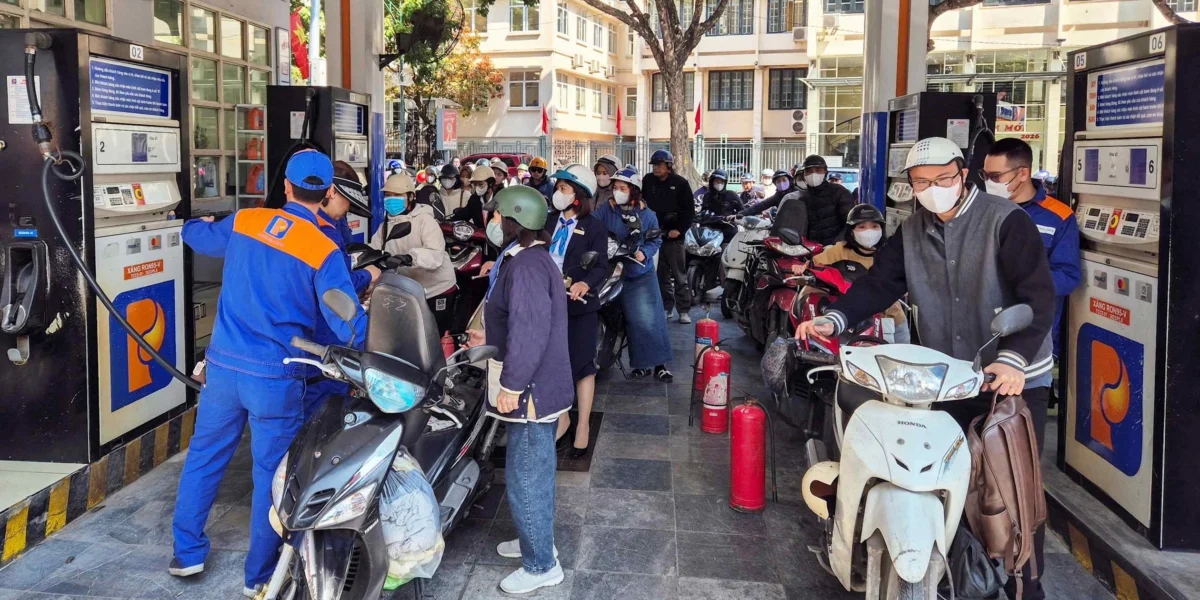
HANOI – Gasoline prices in Vietnam experienced a dramatic 19% plunge on Friday, March 27, 2026, as the government enacted significant tax reductions on key petroleum products. This decisive move, which saw the removal of the environmental protection tax, value-added tax (VAT), and special consumption tax on gasoline, diesel, and aviation fuel, is a direct response to persistent and soaring energy prices, exacerbated by the ongoing and seemingly intractable crisis in the Middle East. The price cut, effective immediately, aims to alleviate inflationary pressures on consumers and businesses, offering a much-needed respite in a volatile global economic climate.
The Immediate Impact: A Significant Price Drop
The 19% reduction translates into a substantial decrease for the average Vietnamese consumer and the nation’s transport sector. Prior to this intervention, fuel prices had been on a relentless upward trajectory, driven by a complex interplay of global supply disruptions, increased demand, and geopolitical instability. The removal of these specific taxes, which historically contributed a significant portion to the retail price of fuel, demonstrates the government’s commitment to safeguarding its economy from external shocks. For instance, a liter of gasoline that previously cost VND 25,000 (approximately $1.00 USD) would now be priced around VND 20,250 (approximately $0.81 USD), a tangible difference for daily commuters and freight companies alike.
Background: A Lingering Middle East Crisis
The decision to implement such a drastic tax cut is intrinsically linked to the protracted and increasingly severe crisis in the Middle East. For months, escalating tensions and direct military confrontations in the region have cast a long shadow over global energy markets. The Strait of Hormuz, a critical chokepoint for oil and gas shipments, has been a focal point of concern, with disruptions and threats to maritime traffic becoming increasingly frequent. This has led to a sustained surge in crude oil prices on international exchanges. Brent crude, the global benchmark, has hovered above $100 per barrel for much of the preceding year, a level that significantly impacts import-dependent nations like Vietnam.
The crisis has not only affected the physical flow of oil but has also fueled significant market speculation, further driving up prices. Insurance premiums for vessels transiting the affected areas have skyrocketed, adding to the overall cost of oil transportation. The lack of a clear resolution or de-escalation in the Middle East has created an environment of persistent uncertainty, making it challenging for governments and businesses to plan and manage their energy expenditures.
Chronology of Escalating Fuel Prices and Government Response
The current situation is the culmination of a series of events that have steadily increased fuel costs in Vietnam over the past year.
- Early 2025: Global oil prices begin a gradual ascent due to nascent geopolitical concerns in the Middle East and a recovering global economy post-pandemic. Vietnamese fuel prices see modest increases.
- Mid-2025: Tensions in the Middle East intensify. Minor skirmishes and increased military posturing lead to a noticeable spike in crude oil prices. The Vietnamese government implements minor adjustments to fuel subsidies and expresses concerns about inflationary pressures.
- Late 2025 – Early 2026: The Middle East crisis escalates into direct confrontations, significantly disrupting supply routes and causing widespread fear in global energy markets. Crude oil prices breach the $100 per barrel mark and remain volatile. Vietnamese gasoline prices experience sharp and frequent increases, leading to public outcry and concerns about the impact on economic growth and household incomes.
- February-March 2026: The Vietnamese government engages in intensive deliberations regarding measures to counter the rising fuel costs. Discussions involve various ministries, including Finance, Industry and Trade, and Planning and Investment. Several options are considered, including direct subsidies, strategic petroleum reserve releases, and tax adjustments.
- March 27, 2026: The government announces a significant tax reduction package, removing the environmental protection tax, VAT, and special consumption tax from gasoline, diesel, and aviation fuel. This leads to the 19% price drop observed on the same day.
Supporting Data: The Economic Strain of High Fuel Prices
The impact of sustained high fuel prices on Vietnam’s economy has been multifaceted and significant.
- Inflationary Pressures: Energy costs are a primary driver of inflation. The rising price of gasoline and diesel directly impacts transportation costs, which then ripple through the supply chain, increasing the price of nearly all goods and services. Vietnam’s consumer price index (CPI) had shown a consistent upward trend, with energy prices being a major contributor. Prior to the tax cut, inflation figures had been a significant concern for the State Bank of Vietnam.
- Transportation Costs: The logistics and transportation sector, crucial for Vietnam’s export-oriented economy, has been heavily burdened. Freight costs have increased substantially, impacting the competitiveness of Vietnamese goods in international markets. For example, trucking companies had reported a 25-30% increase in operating costs over the preceding six months due to fuel price hikes.
- Household Budgets: For ordinary Vietnamese households, fuel constitutes a significant portion of discretionary spending. Rising gasoline prices directly reduce disposable income, forcing consumers to cut back on other essential or non-essential purchases, thereby dampening domestic consumption, a key engine of Vietnam’s economic growth.
- Aviation Sector: The removal of taxes on aviation fuel offers a critical lifeline to Vietnam’s burgeoning aviation industry, which has been struggling with soaring operating costs. This could lead to a stabilization or even a reduction in airfares, boosting domestic and international tourism.
Official Responses and Statements
While specific direct quotes from officials were not immediately available at the time of reporting, the government’s action speaks volumes. The Ministry of Finance, in conjunction with the Ministry of Industry and Trade, has been at the forefront of these deliberations. Their public statements in the preceding weeks had consistently highlighted the government’s awareness of the challenges posed by high energy prices and its commitment to implementing measures to mitigate the impact. The coordinated nature of the tax removal across multiple categories of fuel indicates a strategic and comprehensive approach to addressing the issue.
Sources within the government, speaking on condition of anonymity, indicated that the decision was made after extensive analysis of the potential economic fallout and the fiscal implications of such a substantial tax reduction. The prevailing sentiment was that the immediate economic stability and relief for citizens outweighed the short-term revenue loss from the waived taxes. The government likely factored in the potential for increased economic activity and consumer spending as a result of lower fuel costs, which could partially offset the fiscal impact.
Broader Impact and Implications
The Vietnamese government’s bold move has several far-reaching implications:
- Economic Stabilization: By directly tackling a major inflationary driver, Vietnam aims to stabilize its economy and prevent a broader economic downturn. This measure is expected to provide a much-needed boost to consumer confidence and business investment.
- Competitiveness: Reduced fuel costs will enhance the competitiveness of Vietnamese exports by lowering logistical expenses. This is particularly important for industries that rely heavily on transportation for their supply chains.
- Fiscal Considerations: The removal of significant tax revenue will undoubtedly impact the national budget. The government will need to carefully manage its finances and potentially seek alternative revenue streams or implement cost-saving measures in other areas. However, the long-term benefits of a stable economy and stimulated domestic demand might prove to be a worthwhile trade-off.
- Regional Example: Vietnam’s decisive action could set a precedent for other nations in Southeast Asia grappling with similar energy price challenges. It signals a willingness by governments to intervene decisively to protect their economies from external shocks.
- Consumer Relief: The most immediate and tangible benefit will be for the average Vietnamese citizen, who will experience a direct reduction in their daily expenses. This could lead to increased consumer spending, further stimulating economic activity.
The ongoing Middle East crisis remains a significant wildcard. Should the situation worsen or persist indefinitely, global oil prices could once again surge, testing the limits of Vietnam’s fiscal capacity to provide relief. However, for now, this decisive tax cut represents a critical intervention, a strategic move to navigate turbulent economic waters and safeguard the nation’s economic well-being in the face of unprecedented global energy challenges. The long-term success of this policy will depend on the evolution of the geopolitical situation and the government’s ability to adapt and manage its fiscal responsibilities effectively.