Evan Lee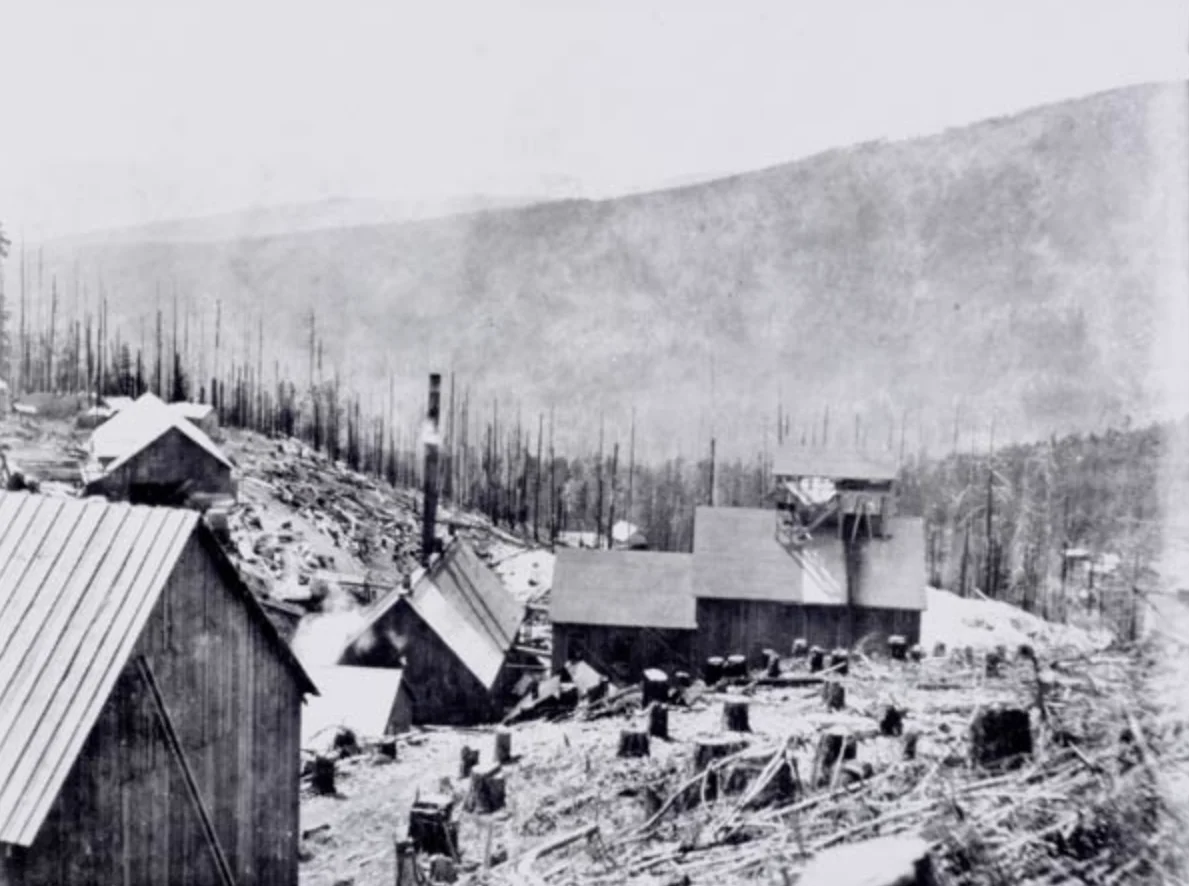
A burgeoning junior mining company is charting an innovative course in British Columbia’s resource sector, proposing to unlock value not from virgin ore bodies, but from the environmental liabilities of the past. Sasquatch Resources (CSE: SASQ) is pioneering a project at the historic Mount Sicker mine on Vancouver Island, aiming to recover valuable critical minerals from century-old waste rock piles while simultaneously addressing significant, long-standing environmental damage. This pioneering approach could establish a new paradigm for managing the thousands of legacy mine sites scattered across Canada and the United States, many of which predate modern environmental regulations and pose ongoing ecological risks.
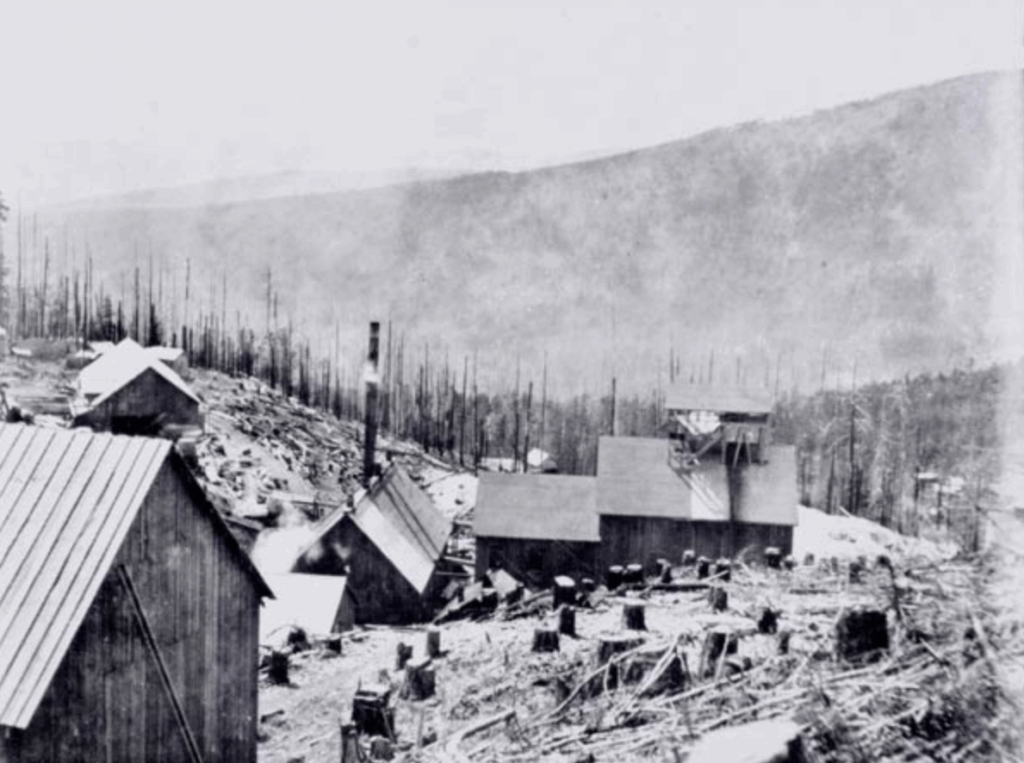
The Mount Sicker mine, a former copper-gold district that operated intermittently from the late 1890s to around 1910, represents a typical example of historical mining practices. During its operational peak, cutoff grades were exceptionally high, often exceeding 8% copper. Material that fell below this stringent threshold was simply discarded into extensive waste piles, despite still containing considerable mineralization. This historical practice has resulted in the accumulation of over 300,000 tonnes of sulphide-bearing waste rock at the Mount Sicker site alone, a figure based on historical operational data and Sasquatch Resources’ own preliminary assessments.
A Century of Discarded Wealth and Environmental Neglect
The history of the Mount Sicker mine is intertwined with the early days of resource development on Vancouver Island. Discovered in 1897, the mineral potential of the area was recognized by prospectors who staked claims, leading to the establishment of operations that continued for over a decade. The Tyee Copper Company of London, for instance, acquired significant portions of the property around 1900 and undertook substantial underground development, including the sinking of a 1,250-foot main shaft by 1906. The extracted ore was processed using a smelter located in Ladysmith, a testament to the industrial scale of operations at the time. However, the mine eventually closed due to ore depletion, a common narrative in early mining ventures where rich, easily accessible deposits were exploited without long-term planning or environmental considerations.
The legacy of this era is a landscape scarred by mining activity and burdened by substantial volumes of waste rock. This material, rich in sulphide minerals, was often left exposed at the surface, a practice that, in hindsight, was environmentally precarious. Independent testing conducted by Sasquatch Resources has confirmed the environmental risks associated with the Mount Sicker waste rock. The material scored a 0.2 on the neutralization scale, a strong indicator of its potential to generate acid rock drainage (ARD). ARD is a significant environmental concern where sulphide minerals react with air and water to produce sulfuric acid, which can then leach heavy metals from the surrounding rock, contaminating soil and water bodies.
Turning Environmental Liabilities into Economic Opportunities
Crucially, recent sampling of these historic waste piles has revealed that they still contain significant concentrations of valuable metals, including copper, gold, silver, and zinc. Sasquatch Resources’ analysis indicates average grades of approximately 2 grams per tonne of gold within the waste rock, alongside other potentially recoverable elements. This discovery forms the cornerstone of the company’s strategy: to process these discarded materials, extract the valuable metals, and in doing so, remediate the environmental damage.
"We realized we didn’t need to mine at all," stated Peter Smith, CEO of Sasquatch Resources, in a recent interview with MINING.com. "We could take this low-hanging fruit, clean up the environment, and get valuable material into the supply chain at the same time." This dual objective underscores the innovative nature of the project, which seeks to harmonize economic gain with environmental stewardship.
The approach moves away from traditional mining by focusing exclusively on the processing of existing surface waste piles. This strategy offers a compelling alternative to the significant capital investment and environmental footprint typically associated with opening new mines. The potential to generate revenue from material that is currently a liability, while simultaneously removing an environmental hazard, presents a compelling business case.
Addressing the Environmental Scars of the Past
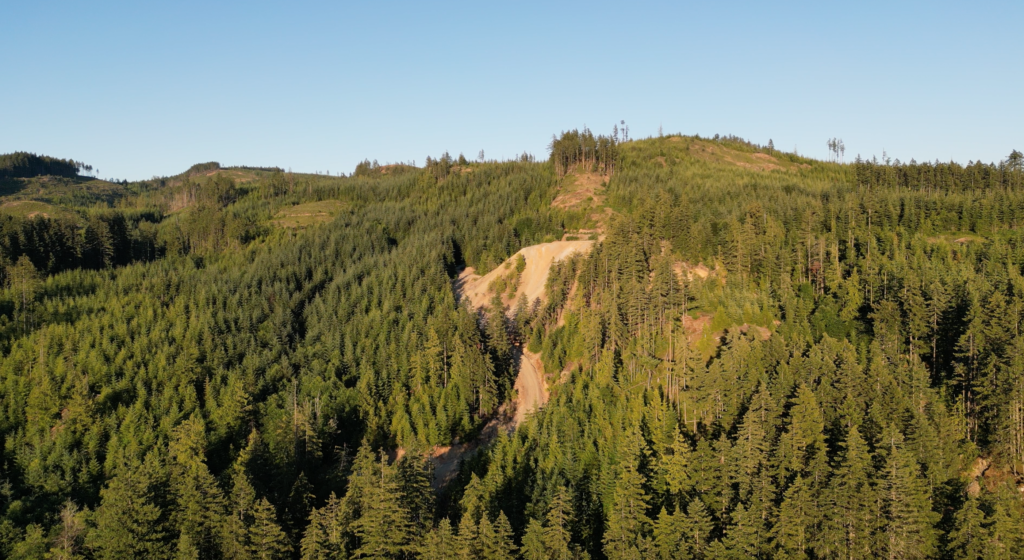
The environmental imperative for the Mount Sicker project is as significant as its economic potential. Unlike modern tailings facilities, which are engineered for containment and stability, the waste rock at Mount Sicker was historically deposited without such safeguards. Consequently, these piles continue to be a source of acidic runoff, leaching contaminants into the surrounding ecosystem. Furthermore, the site poses physical hazards, including open mine shafts that descend up to 200 feet. These remnants of a bygone era, existing in an area now frequented by hikers and mountain bikers near the town of Duncan, represent a direct safety concern. The stark, barren landscape of the mine site, a barren expanse more than a century after its closure, stands as a visible testament to the lasting environmental impact of historical mining.
"It’s essentially a wasteland," Smith remarked, highlighting the inability of nature to reclaim the site over such an extended period. Sasquatch Resources plans to employ conventional ore-sorting technology for the processing of the waste material. This method involves crushing the waste rock and then utilizing systems that leverage density and X-ray fluorescence (XRF) to efficiently separate the sulphide-rich material from inert rock. The company anticipates that from an estimated 300,000 tonnes of raw waste rock, it will produce a smaller volume of higher-grade concentrate. The remaining, now inert and cleaned material, can then be safely returned to the site, contributing to its eventual rehabilitation. A key advantage of this system is its closed-loop operation, which does not rely on chemical reagents, thereby minimizing its environmental footprint.
Navigating a Complex Regulatory Landscape
The innovative nature of Sasquatch Resources’ project also presents unique regulatory challenges. Because the company is not proposing to open a new mine but is handling volumes of material far exceeding typical bulk sampling programs, its activities fall into a regulatory grey zone. Existing permitting frameworks are often designed for either new mine development or small-scale environmental remediation. Sasquatch Resources is actively engaged in discussions with regulatory bodies to define an appropriate pathway forward. The goal is to establish a process that ensures rigorous environmental protection without imposing the full burden and complexity of a conventional mining permit, which could be prohibitive for such remediation-focused projects.
The outcome of these discussions could have far-reaching implications for British Columbia and beyond. With an estimated 2,000 legacy mine sites in British Columbia alone, and thousands more across North America, the establishment of a clear and efficient regulatory framework for remediation-focused resource recovery could unlock a significant new segment of the mining industry. Such a framework could incentivize companies to undertake the complex and often costly task of cleaning up historical mine sites, transforming them from environmental burdens into potential sources of valuable resources.
A Scalable Model for Future Remediation and Resource Recovery
The Mount Sicker project is envisioned by Sasquatch Resources as a foundational initiative, with the company already identifying additional nearby targets, including the historic Blue Grouse mine. The company believes that similar opportunities for legacy mine remediation and resource recovery are widespread across British Columbia and other resource-rich jurisdictions.
"These sites are everywhere," Smith emphasized, suggesting that the company could be engaged in similar projects for decades without exhausting the available opportunities. By focusing on existing waste rather than new extraction, Sasquatch Resources posits that it can offer a faster, lower-cost, and more environmentally responsible pathway to supplying critical minerals. This approach aligns with the growing global demand for metals essential for renewable energy technologies, electric vehicles, and advanced electronics, while also addressing the pressing need to mitigate the environmental impact of historical industrial activities.
As governments and industries worldwide grapple with the dual challenges of securing critical mineral supply chains and reducing environmental impact, projects like the one at Mount Sicker may herald a fundamental shift in how mining is perceived and conducted. Instead of simply expanding the industry’s physical footprint, Sasquatch Resources aims to shrink its legacy, demonstrating that responsible resource development can involve healing past environmental wounds. "We want to be able to point to that mountain and say—we fixed that," Smith concluded, articulating a vision of restorative resource extraction that benefits both the economy and the environment.