Ena Muazin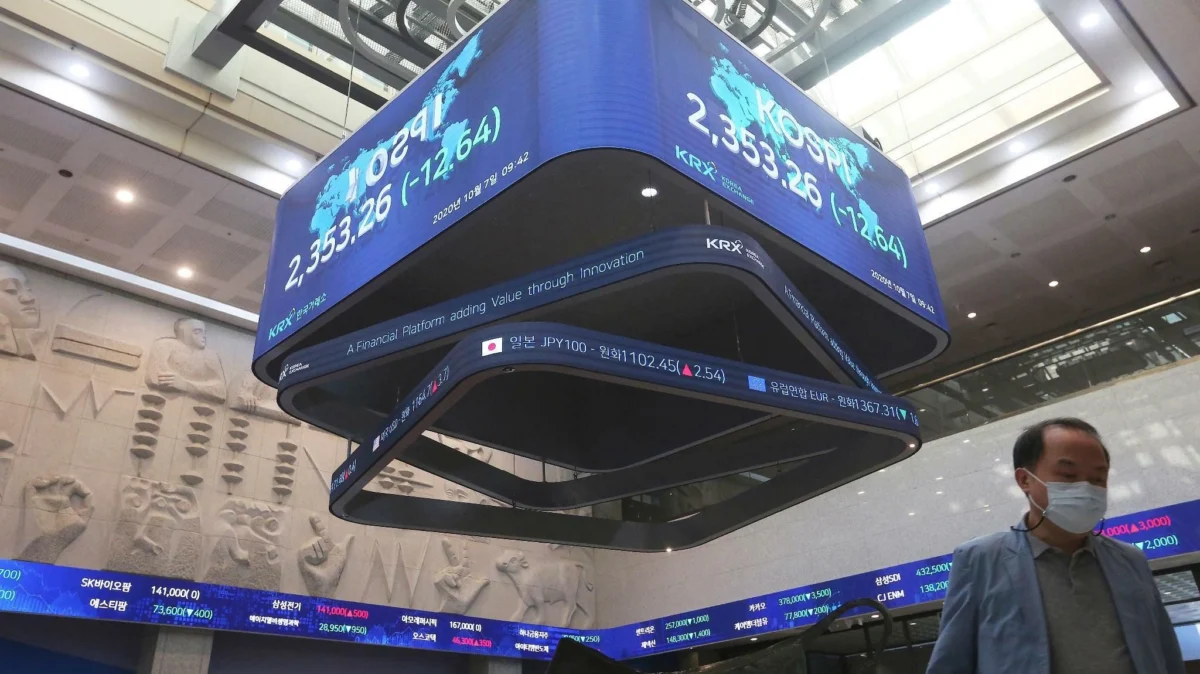
The United States has reportedly put forth a comprehensive 15-point plan aimed at de-escalating and ultimately ending the ongoing conflict with Iran. While official confirmation from Tehran remains absent, the mere circulation of this proposal has injected a wave of optimism into Asian financial markets, with investors responding positively to the prospect of a resolution. The initiative, disclosed through media reports on March 25, 2026, suggests a significant diplomatic push to quell the escalating tensions that have gripped the region and reverberated through global economic and political spheres.
Diplomatic Overture and Market Response
The crux of the American proposal, as reported, centers on a potential one-month ceasefire. This proposed pause in hostilities is intended to create a window for more substantive negotiations and the eventual cessation of conflict. The details of the 15 points have not been fully disclosed, but sources suggest they encompass various aspects of a peace settlement, likely including security guarantees, humanitarian aid, and the framework for future diplomatic relations.
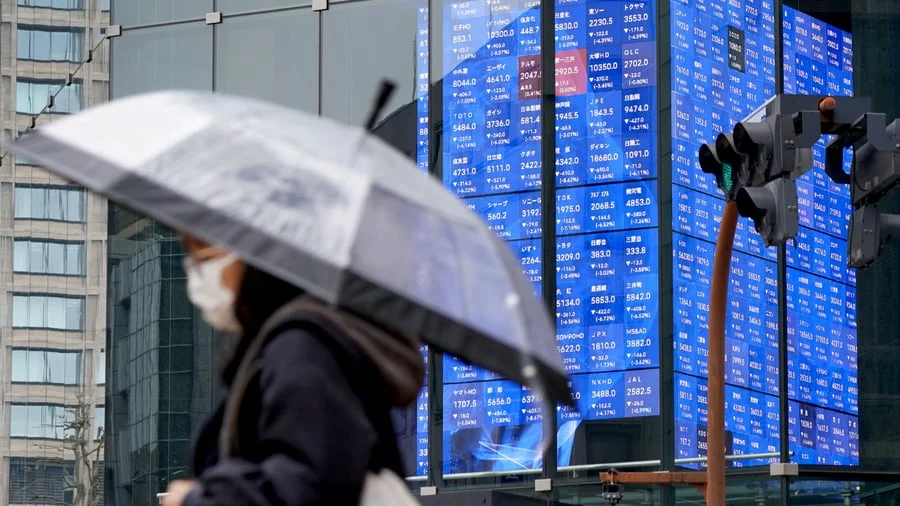
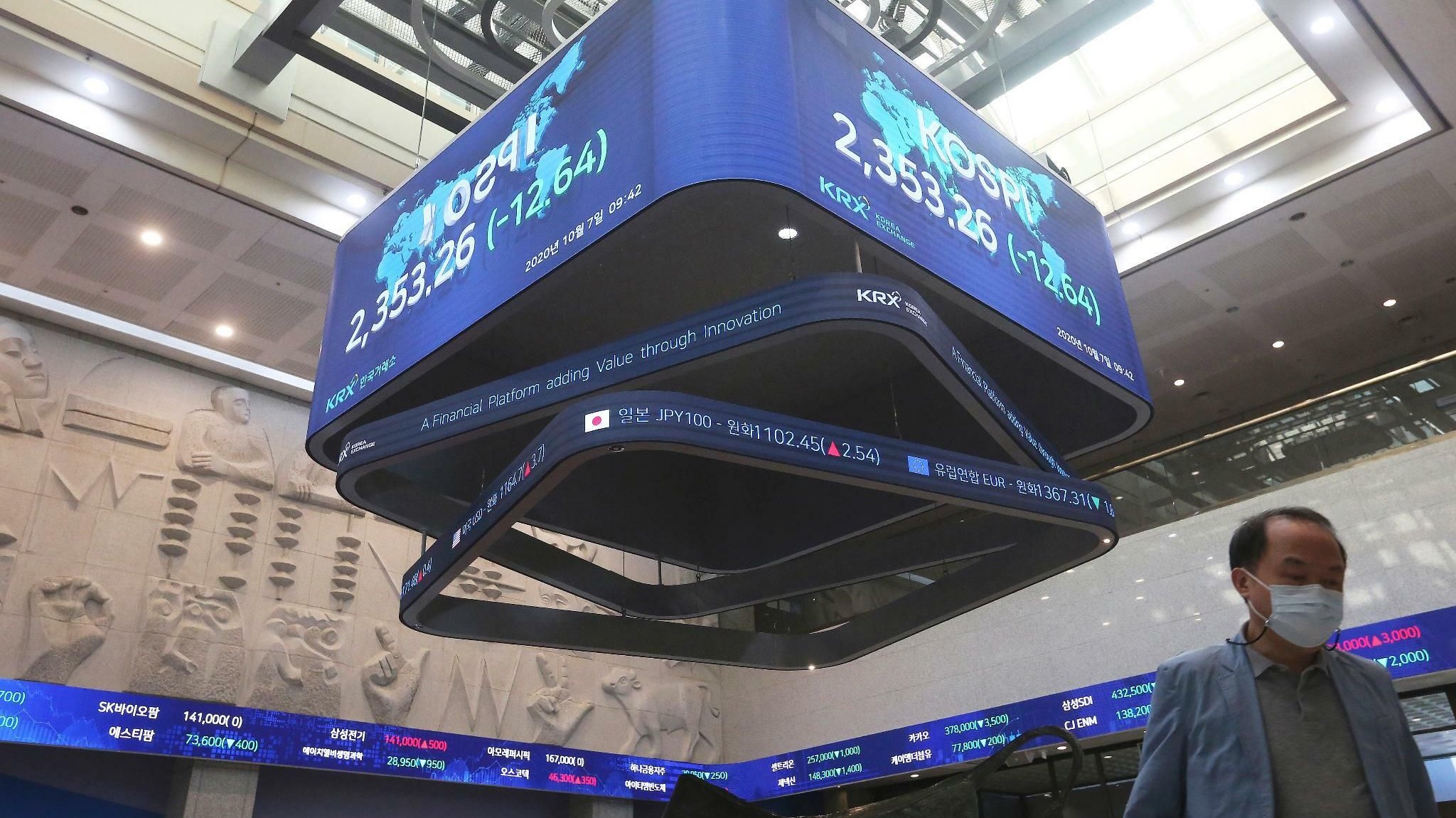
The immediate impact of this news was palpable in Asian stock markets. The Nikkei index in Japan and the Kospi in South Korea both saw notable gains, reflecting a broader investor sentiment shift. This positive reaction underscores the significant economic disruption that prolonged regional conflicts can cause, from supply chain vulnerabilities to increased energy price volatility. Investors are keen to see any development that promises a return to stability and a reduction in geopolitical risk premiums.
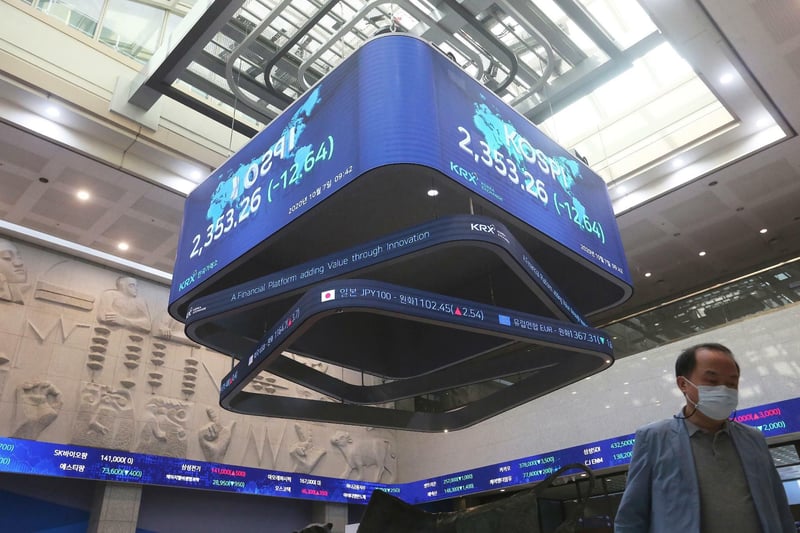
Kerry Craig, a market strategist at J.P. Morgan Asset Management in Melbourne, commented on the market’s reaction, stating, "The market is currently trading on headlines. It remains uncertain, however, whether there will be material progress towards a ceasefire." This sentiment highlights the cautious optimism pervading the financial world; while the proposal is a welcome development, its ultimate success hinges on the willingness of both parties to engage constructively and the concrete outcomes of any subsequent negotiations.
Background: Escalating Tensions and the Need for Resolution
The reported peace plan emerges against a backdrop of heightened tensions between the United States and Iran. The exact triggers for the current phase of the conflict are multifaceted and have evolved over time, involving a complex interplay of geopolitical rivalries, regional power dynamics, and economic sanctions. For years, the US and Iran have been engaged in a protracted struggle, characterized by proxy conflicts, naval incidents in the Persian Gulf, and a tense diplomatic standoff.
The economic implications of this ongoing conflict have been far-reaching. Disruptions to shipping lanes, particularly in the Strait of Hormuz, a critical chokepoint for global oil supplies, have periodically sent crude oil prices soaring. This has had a ripple effect on global inflation, impacting economies worldwide. Furthermore, the uncertainty generated by the conflict has deterred foreign investment in the region and hampered economic development.
The development of this 15-point plan can be viewed as a strategic response to these escalating pressures. The US, likely seeking to avoid further military entanglements and to stabilize a volatile region, is signaling a preference for a diplomatic resolution. The inclusion of a one-month ceasefire as a potential initial step suggests a pragmatic approach, aiming to build trust and create the necessary conditions for deeper dialogue.

Potential Timeline and Key Elements of the Proposal
While specific details remain under wraps, a 15-point plan for ending a conflict of this magnitude would typically address a range of critical issues. Based on historical precedents and the known complexities of US-Iran relations, the plan could potentially include:
- Immediate Ceasefire: A cessation of all hostilities, including direct military actions and proxy engagements.
- Withdrawal of Forces: Provisions for the phased withdrawal of military personnel and assets from contested areas.
- Humanitarian Corridors: Establishment of safe passage for humanitarian aid to affected populations.
- Prisoner Exchange: A mechanism for the release of detained individuals from both sides.
- Sanctions Relief: A potential roadmap for the gradual lifting of economic sanctions in exchange for de-escalatory measures.
- Security Guarantees: Assurances regarding the security of borders and regional stability.
- Disarmament: Discussions on arms control and limitations on certain types of weaponry.
- Diplomatic Normalization: Steps towards restoring diplomatic relations and establishing channels for ongoing dialogue.
- Regional Security Architecture: Proposals for a broader framework involving regional powers to ensure long-term peace.
- International Monitoring: The potential involvement of international bodies or third-party nations to oversee compliance with any agreement.
The timeline for such a plan would likely be ambitious, with the immediate focus on securing the initial ceasefire. Should this prove successful, the subsequent phases of negotiation and implementation could span months, if not years, given the deep-seated mistrust and complex issues at play.

Inferred Reactions and Broader Implications
The absence of an immediate, official response from Tehran is noteworthy. Iran’s strategic communication often involves careful deliberation, and their silence could indicate several possibilities: an internal review of the proposal, a desire to gauge international reaction, or a strategy to leverage the proposal for their own negotiating advantage. Historically, Iran has shown a willingness to engage in dialogue when it perceives a strategic benefit or when faced with significant pressure.
The reaction from other regional players, such as Saudi Arabia, the United Arab Emirates, and Turkey, will also be crucial. These nations have a direct stake in the stability of the Middle East and their perspectives could significantly influence the trajectory of any peace initiative. Their support or concerns could either bolster or undermine the US proposal.

The implications of a successful resolution to the Iran conflict would be profound. Economically, it could lead to a significant drop in global oil prices, easing inflationary pressures and boosting consumer spending worldwide. The resumption of normal trade and investment flows would revitalize regional economies and contribute to global economic growth. Geopolitically, a de-escalation would reduce the risk of a wider regional war, which could have devastating humanitarian and economic consequences. It could also open avenues for greater cooperation on other regional challenges, such as counter-terrorism and climate change.
However, the path to peace is fraught with challenges. The deep-seated animosity and historical grievances between the US and Iran are significant hurdles. The complex web of proxy forces and regional alliances means that de-escalation in one area could lead to unforeseen consequences elsewhere. Furthermore, the internal political dynamics within both countries could influence their willingness to compromise.

Conclusion: A Glimmer of Hope in a Troubled Region
The US proposal represents a significant diplomatic gambit, offering a potential pathway out of a protracted and dangerous conflict. The positive reaction in Asian markets underscores the global desire for peace and stability in the Middle East. While the road ahead is uncertain, and the success of the 15-point plan hinges on the willingness of all parties to engage in good faith, the mere existence of such a proposal provides a glimmer of hope in a region long marked by turmoil. The coming days and weeks will be critical in determining whether this diplomatic overture can translate into tangible progress towards ending the Iran conflict and fostering a more secure and prosperous future for the region and the world.