Gilang Muhammad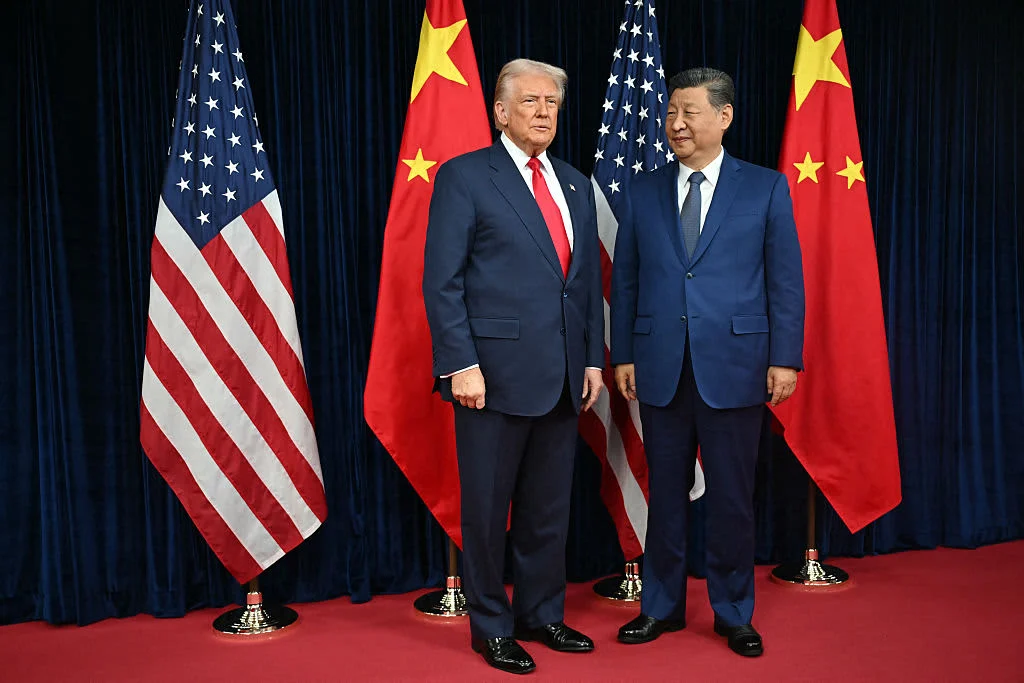
Less than three weeks before a pivotal summit in Beijing, the United States has initiated sweeping trade investigations that squarely target China, adding a new layer of friction to an already complex and volatile bilateral relationship. These probes, conducted under Section 301 of the Trade Act of 1974, aim to identify and address what the U.S. alleges are unfair trade practices, particularly structural excess capacity and production in key manufacturing sectors. The announcement comes amidst a backdrop of recent legal setbacks for the Trump administration’s tariff powers and escalating military aggression in the Middle East, which has significant implications for China’s energy security, further complicating the diplomatic landscape for the anticipated meeting between U.S. President Donald Trump and Chinese President Xi Jinping.
A New Front in the Trade War: Section 301 Investigations
The Office of the United States Trade Representative (USTR) announced the launch of multiple Section 301 investigations on March 11, 2026, casting a wide net over a dozen trading partners but with a clear focus on China. While the USTR’s official statement referred to "structural excess capacity and production" as the primary concern, analysts widely interpret the move as a direct challenge to Beijing’s industrial policies. Section 301 is a potent tool, historically used to investigate and address foreign trade practices deemed unfair or discriminatory that burden or restrict U.S. commerce. It grants the President the authority to impose tariffs and other trade restrictions without requiring congressional approval, making it a powerful instrument in trade disputes.
The specific targets of these new investigations are understood to include sectors where China has demonstrated significant state-backed growth, often leading to global oversupply. These sectors typically encompass steel, aluminum, solar panels, electric vehicles (EVs), and advanced batteries, where Chinese firms have achieved dominant market positions, sometimes at the expense of international competitors. Dan Wang, China director at the political consultancy Eurasia Group, observed that given China’s well-documented issues with overcapacity and concerns regarding forced labor practices, the U.S. move unequivocally takes aim at Beijing. "Maximizing leverage before major bilateral meetings seems to be a standard move now," Wang noted, suggesting Beijing was likely prepared for such an escalation.
The Trump administration previously invoked Section 301 during its first term, initiating investigations into China’s intellectual property theft and forced technology transfer policies in 2017. These probes ultimately led to the imposition of tariffs on hundreds of billions of dollars worth of Chinese goods, triggering a protracted trade war that significantly impacted global supply chains and economic growth. The current investigations signal a revival of this strategy, albeit with a refined focus on industrial overcapacity, reflecting evolving U.S. economic concerns.
The Fading Tariff Trump Card and Supreme Court’s Impact
The timing of these new investigations is particularly noteworthy, following a significant legal setback for the Trump administration’s trade agenda. Just last month, in February 2026, the U.S. Supreme Court struck down Trump’s "reciprocal" tariffs, a policy initiative that aimed to impose tariffs on goods from countries that levied tariffs on American products, often without specific findings of unfair trade practices. The Court’s decision curtailed the President’s ability to deploy tariffs at will, citing constitutional limits on executive power regarding trade policy that traditionally rests with Congress. This ruling was perceived as a boost to China’s leverage ahead of the upcoming summit, as it limited one of Trump’s most frequently used pressure tools.

Lynn Song, chief economist at ING Bank, commented on the administration’s pivot: "The Trump administration is clearly pivoting to its other tools to continue its tariff agenda… [tariffs are] clearly a card that Trump wishes to have in his pocket for negotiations." The re-invocation of Section 301 is thus seen as a strategic move to re-establish a credible tariff threat, compensating for the diminished scope of the "reciprocal" tariff mechanism. This maneuver allows the administration to demonstrate resolve and maintain negotiating leverage, even as its broader discretionary tariff authority has been constrained.
China’s Export Juggernaut and Global Overcapacity Concerns
Despite mounting international criticism, including from the U.S. Treasury Secretary Janet Yellen, regarding its over-reliance on external demand and persistent issues of industrial overcapacity, China’s export machine has continued to operate at full throttle. In the first two months of 2026, Chinese exports surged by an impressive 21.8% compared to the previous year, propelling its trade surplus to a record high of $213.6 billion. This robust export performance underscores China’s economic resilience and its continued role as a global manufacturing powerhouse, but it also exacerbates concerns among trading partners about unfair competition and market distortion.
The concept of "overcapacity" refers to the situation where a country’s production capacity for certain goods significantly outstrips its domestic demand, leading to an aggressive push for exports at potentially subsidized prices. This can flood global markets, depress prices, and harm industries in other countries. For instance, China’s vast investments in renewable energy technologies, such as solar panels and electric vehicle batteries, have led to production capacities that far exceed internal needs, prompting significant exports. Similarly, its steel and aluminum industries have long been sources of global tension due to oversupply.
This export-driven growth, while bolstering China’s economy, faces increasing scrutiny from developed nations that argue it stifles innovation and job creation in their own markets. The European Union, for example, has also launched its own investigations into Chinese subsidies in sectors like EVs, highlighting a broad international consensus on the need to address these structural economic issues. The U.S. Section 301 investigations are therefore not isolated but part of a wider global pushback against China’s industrial policies.
Geopolitical Storms: Iran and Energy Security
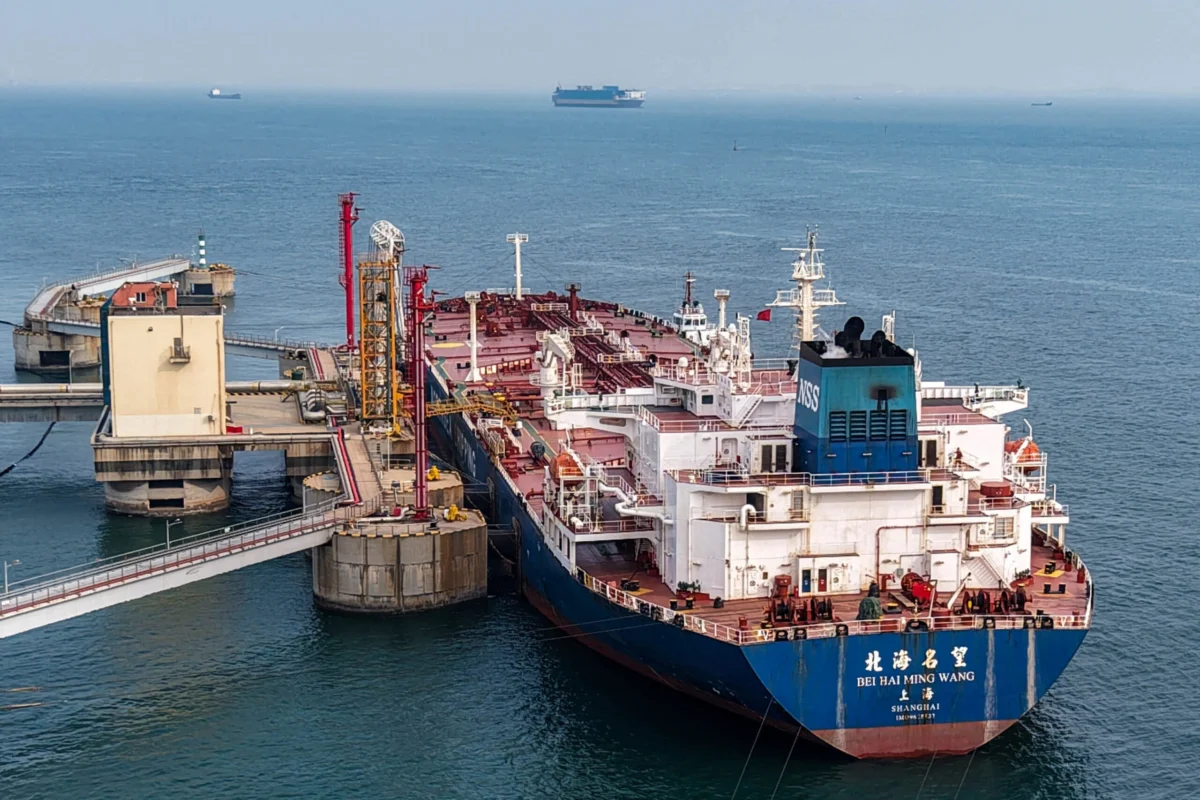
Adding another layer of profound complexity to the U.S.-China relationship and the upcoming summit is the rapidly escalating geopolitical crisis in the Middle East. Recent U.S. and Israeli strikes that resulted in the death of Iranian Supreme Leader Ayatollah Ali Khamenei have drawn sweeping and severe retaliation from Tehran. Iran has moved to choke off the Strait of Hormuz, a critical maritime chokepoint that carries roughly one-fifth of the world’s oil supply, threatening global energy markets and supply chains.
This development places China in a particularly precarious position. As the world’s largest importer of crude oil and a major buyer of Iranian crude, China’s energy security is directly threatened by disruptions in the Strait of Hormuz. While China maintains strategic oil and gas reserves, it is not immune to prolonged supply chain disruptions emanating from the region. According to Alfredo Montufar-Helu, managing director at Ankura Consulting in Beijing, "A volatile external environment is the exact opposite of what policymakers in Beijing need right now."

Beijing has responded diplomatically, dispatching a special envoy to the region to mediate the crisis, urging an immediate ceasefire and a return to diplomatic negotiations. This regional instability directly impacts China’s calculus for the bilateral talks with the U.S. President. On one hand, China might seek U.S. de-escalation in the Middle East to safeguard its energy supplies. On the other, the crisis could be perceived by Beijing as a demonstration of American unilateralism and unpredictability, potentially hardening its stance in trade negotiations. The confluence of trade tensions and geopolitical instability creates an unprecedented challenge for both leaders as they prepare to meet.
High-Stakes Summit Amidst Low Expectations
President Trump is scheduled to visit China from March 31 to April 2, 2026, for a meeting with President Xi Jinping. This marks the first trip by an American president to China since Trump’s initial visit in 2017. Trade negotiators from both sides are reportedly slated to meet in mid-March to lay the groundwork, but the recent developments suggest a challenging path ahead.
Expectations for significant breakthroughs at the summit appear to be remarkably low. Instead, both sides are primarily focused on maintaining the fragile stability that has characterized the bilateral relations since their meeting in Busan in late 2025. During that encounter, Trump and Xi had sought a truce in their bruising trade war, with the U.S. president predicting a "great meeting" while Beijing remained more circumspect. The current situation suggests that merely sustaining this truce and preventing further deterioration might be considered a success.
"We should not expect a fundamental reframing of the bilateral relationship," stated Montufar-Helu. "Maintaining the stability achieved in Busan is, in itself, an excellent result." Chinese Foreign Minister Wang Yi echoed this sentiment during a press briefing, emphasizing the need for both sides to "create a suitable environment" for the summit and "remove unnecessary disruptions," underscoring Beijing’s desire to manage tensions rather than achieve grand bargains.
Navigating the Narrow Path: Potential Deliverables and Sticking Points
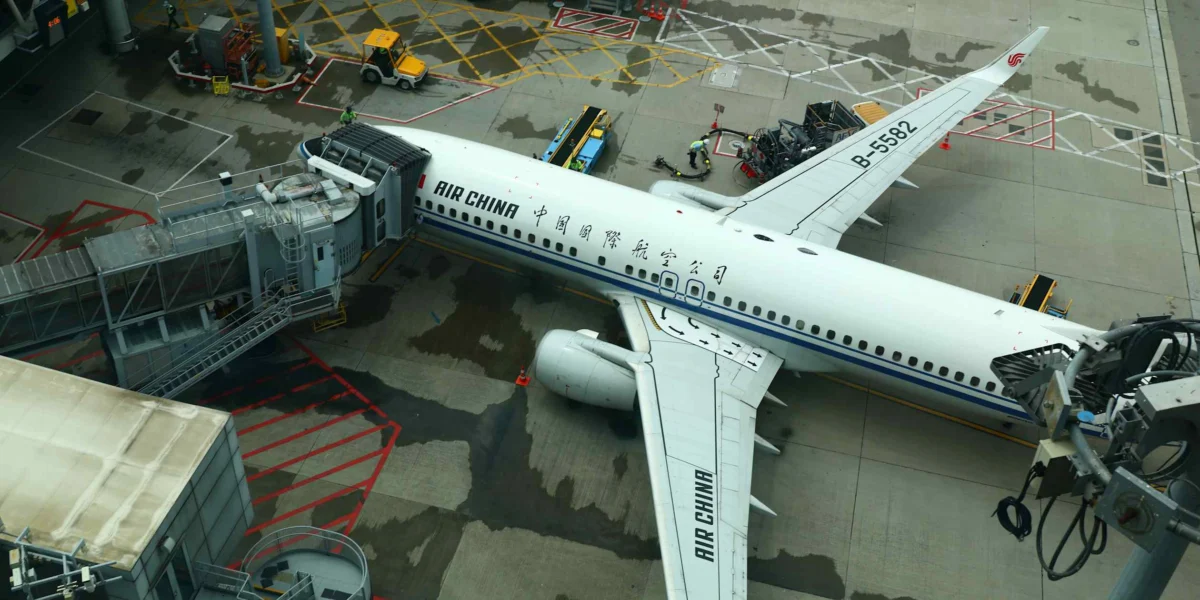
Despite the low expectations for comprehensive agreements, certain deliverables are likely to be on the table. Washington is expected to push for extended commitments on agricultural purchases, particularly soybeans and aircraft, which are vital for U.S. farmers and industries. These large-scale commercial purchases offer a tangible win for the U.S. administration and can be showcased as concrete progress. Additionally, the U.S. will likely seek assurances from China regarding its rare earth exports, a strategically critical sector where China holds significant global dominance. Rare earths are essential for numerous high-tech industries, including defense and renewable energy.
Deborah Elms, head of trade policy at Hinrich Foundation, suggested that deliverables have likely narrowed to such commercial purchases rather than any grand bargain. She anticipates that the two leaders will frame the meeting as the opening of a longer conversation set to unfold across the rest of 2026, indicating a gradual, iterative approach to resolving complex issues.

China, for its part, will likely seek clarity on the trajectory of U.S. technology export restrictions. These restrictions, particularly those targeting semiconductors, artificial intelligence, and other dual-use technologies, have severely impacted key Chinese industries and companies, creating significant uncertainty for Beijing’s technological advancement plans. "Beijing will essentially be asking how high the fence will get and how big the yard will be," Montufar-Helu explained, referring to the scope and intensity of future U.S. tech controls.
Further signaling the scaled-back expectations for the summit is the diminishing prospect of a formal American executive delegation accompanying President Trump. Han Lin, China Country Director at The Asia Group, noted that "With each passing day, the chances of a formal CEO delegation joining the president’s trip are fading… Few CEOs have been invited, and even fewer have likely agreed to come given how little time remains." The absence of a robust business contingent typically signals a summit focused more on political and diplomatic signaling rather than on concrete commercial deal-making.
Analyst Perspectives and Future Trajectories
The consensus among analysts is that the U.S.-China relationship remains deeply complex, characterized by structural economic divergences, strategic competition, and now, unforeseen geopolitical challenges. The new Section 301 investigations represent a hardening of the U.S. stance on trade, indicating a continued commitment to confront what it views as unfair practices, irrespective of other diplomatic engagements. This approach suggests that even if a limited truce is maintained, the underlying tensions and competitive dynamics will persist.
The interwoven nature of trade and security issues, exacerbated by the Iran crisis, means that economic discussions cannot be isolated from broader strategic considerations. China’s delicate balancing act between securing its energy supplies and navigating trade disputes with its largest trading partner underscores the intricate web of interdependencies and rivalries.
Looking ahead, the Beijing summit is unlikely to fundamentally alter the trajectory of U.S.-China relations but rather serve as a temperature check and a forum for managing ongoing friction. The emphasis on "stability" rather than "breakthroughs" reflects the deep-seated challenges that defy easy solutions. The outcome will likely be measured not in grand declarations, but in the careful management of expectations and the prevention of further escalation in a relationship that continues to shape the global economic and political order. The path forward for the world’s two largest economies remains fraught with uncertainty, demanding astute diplomacy and a recognition of the profound implications of their every move.