Evan Lee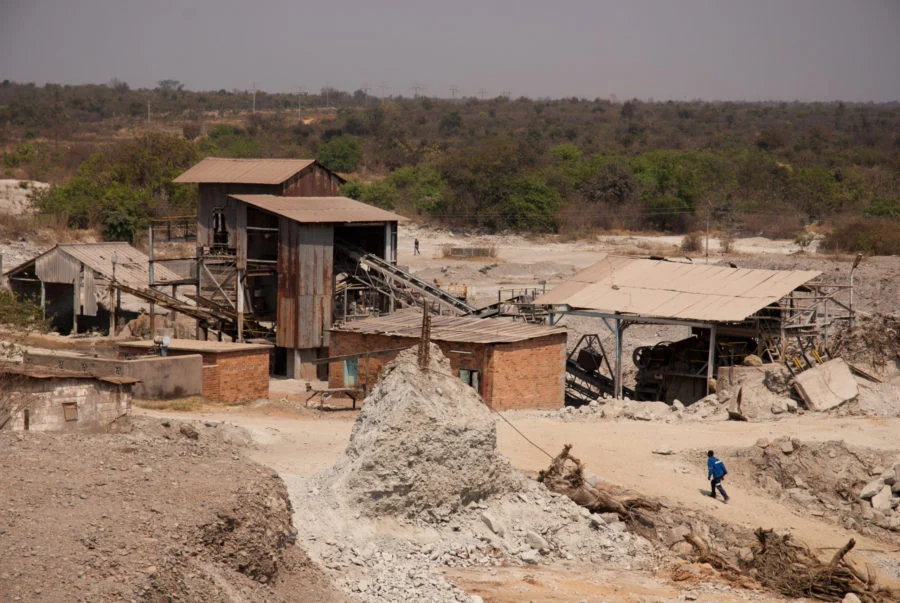
The Trump administration has reportedly linked discussions regarding vital HIV/AIDS funding for Zambia with broader negotiations concerning the African nation’s burgeoning mining sector, a development that underscores the intricate nexus between the global race for critical minerals and the deployment of foreign aid, according to a detailed report by The New York Times. This complex entanglement has raised concerns among global health advocates and lawmakers about the potential politicization of humanitarian assistance.
At the heart of this unfolding situation is a proposed $1.5 billion U.S. health aid package, earmarked to bolster Zambia’s formidable efforts in combating HIV and other infectious diseases. The New York Times report indicates that Washington has, for the time being, placed the finalization of this crucial funding on hold, while simultaneously engaging in extensive discussions centered on a more comprehensive economic partnership. This broader engagement explicitly includes collaboration in the vital mining sector, a key component of Zambia’s economy.
Zambia stands as one of the African nations most profoundly impacted by the HIV epidemic, with southern Africa bearing a disproportionate burden of the disease. For years, U.S.-backed programs, most notably those operating under the President’s Emergency Plan for AIDS Relief (PEPFAR), have served as an indispensable pillar in the country’s multifaceted approach to HIV treatment and prevention. Launched in 2003, PEPFAR has become a global cornerstone of public health initiatives, credited with saving millions of lives worldwide through its extensive funding of comprehensive care and prevention strategies. The potential delay or conditioning of such a significant aid package therefore carries substantial implications for ongoing public health efforts on the ground.
The Strategic Landscape: Minerals and Geopolitics
This report emerges at a critical juncture in global geopolitics, as Washington intensifies its efforts to secure and diversify supply chains for strategic minerals while simultaneously navigating a complex competitive landscape with China for influence and economic partnerships in resource-rich regions across Africa. The United States, alongside many other industrialized nations, is keenly aware of the imperative to secure reliable access to minerals essential for the global transition to clean energy and advanced technological development.
Zambia, a nation endowed with substantial natural wealth, is a leading global producer of copper. It forms a significant part of the Central African Copperbelt, a region renowned as one of the world’s most vital sources of both copper and cobalt. These two metals are not merely commodities; they are foundational elements for the manufacturing of electric vehicles, the development of robust power infrastructure, and the production of advanced battery technologies, all of which are central to the global energy transition and the future of mobility. The Democratic Republic of Congo, a neighbor of Zambia, is also a major producer of cobalt. The combined reserves and production capacity of these two nations make the Copperbelt a region of immense strategic importance for global supply chains.
U.S. officials have, in recent times, framed broader economic partnerships with African nations as a dual-pronged strategy: one that aims to strengthen and secure critical mineral supply chains, and another that seeks to foster sustainable economic development within these partner countries. This approach, however, has drawn criticism from various quarters, with opponents arguing that conditioning humanitarian aid on preferential access to natural resources risks blurring the crucial distinction between development assistance and strategic geopolitical maneuvering.
Voices of Concern: Humanitarian Aid and Economic Interests
A notable voice of caution has been raised by Representative Gregory Meeks, the ranking member of the U.S. House Foreign Affairs Committee. He has articulated serious concerns that tying life-saving health funding to the accessibility of mineral resources could potentially undermine decades of dedicated global health diplomacy. "Lifesaving aid should not be conditioned on opaque business deals benefiting the president’s allies," he stated in an interview with The New York Times, highlighting a sentiment shared by many who believe that humanitarian assistance should remain insulated from purely commercial or geopolitical considerations.
The underlying debate centers on what some analysts describe as a shift towards increasingly "transactional" foreign aid arrangements. This evolution is seen as particularly pronounced in the context of escalating competition between the United States and China for influence and access to strategic resources across the African continent. As both global powers vie for partnerships and economic leverage, the traditional paradigms of foreign aid are being re-examined and, in some cases, recalibrated.
The Evolving Nature of Foreign Aid
Some observers suggest that the current approach, which links health funding to broader economic cooperation, including significant mining interests, represents a departure from the established norms of global health programs. Historically, these programs have largely operated with a degree of independence from commercial deals, focusing primarily on public health outcomes. The integration of mining discussions into health aid negotiations, therefore, signifies a notable evolution in how such assistance is conceptualized and deployed.
Conversely, other analysts contend that this strategy is a pragmatic reflection of the escalating importance of critical minerals in the contemporary global geopolitical arena. The urgency to secure these resources, essential for powering the ongoing energy transition and fueling advancements in modern manufacturing, is driving a more integrated approach to international relations and economic diplomacy. This perspective suggests that foreign aid is increasingly being viewed not just as a tool for humanitarian relief but also as a lever for advancing national strategic interests in a rapidly changing world order.
Zambia’s Economic Context and HIV/AIDS Burden
Zambia’s economy is heavily reliant on its mining sector, which is a primary source of foreign exchange earnings and employment. The country’s copper reserves are estimated to be among the largest in the world, and its mining industry has been a significant driver of economic growth for decades. However, the sector has also been subject to fluctuations in global commodity prices, leading to periods of economic instability. The allure of securing access to these valuable resources is therefore a powerful motivator for international economic engagement.
The burden of HIV/AIDS in Zambia remains a significant public health challenge. According to UNAIDS, as of 2022, an estimated 1.2 million people were living with HIV in Zambia, and the country has one of the highest adult HIV prevalence rates globally. PEPFAR and other international initiatives have been instrumental in providing antiretroviral therapy (ART) to a substantial portion of those living with the virus, as well as supporting prevention programs, testing services, and efforts to reduce mother-to-child transmission. The sustained funding for these programs is critical for maintaining and expanding access to life-saving treatments and for continuing the progress made in controlling the epidemic.
The timeline of U.S. engagement with Zambia’s health sector stretches back over two decades. PEPFAR, launched under the George W. Bush administration, marked a significant increase in U.S. commitment to combating HIV/AIDS globally. Zambia was an early and consistent recipient of PEPFAR funding, which has enabled the country to build a robust health infrastructure and implement effective public health strategies. The proposed $1.5 billion aid package represents a continuation and significant expansion of this commitment, underscoring the long-standing U.S. investment in Zambia’s public health.
The "Critical Minerals Race" and its Ramifications
The concept of a "critical minerals race" refers to the intensified global competition to secure supplies of minerals deemed essential for modern technologies and national security. These minerals, including copper, cobalt, lithium, nickel, and rare earth elements, are crucial for renewable energy technologies, electric vehicles, advanced electronics, and defense systems. China currently dominates many of these supply chains, leading countries like the United States to seek alternative sources and forge new partnerships.
Africa, with its vast mineral wealth, is a central theater in this competition. Zambia’s position as a major copper and cobalt producer makes it a key player in these global dynamics. The U.S. objective, as articulated by its officials, is to foster a more diversified and secure supply of these critical materials, reducing reliance on any single nation and promoting economic development in partner countries.
However, the strategy of linking humanitarian aid to economic concessions, particularly in resource extraction, raises complex ethical and practical questions. Critics argue that it could lead to a situation where developing nations feel pressured to prioritize resource exploitation over other development needs or environmental concerns. Furthermore, it could create a perception that U.S. foreign policy is driven more by commercial interests than by genuine humanitarian concerns, potentially undermining U.S. soft power and credibility on the global stage.
Analysis of Implications
The implications of this reported linkage are far-reaching. For Zambia, it presents a delicate balancing act: the potential for significant economic cooperation and investment in its vital mining sector, juxtaposed with the risk of compromising the long-term sustainability of its HIV/AIDS response. The nation’s health infrastructure, built over years with crucial external support, could be jeopardized if funding becomes a political bargaining chip.
From a global health perspective, the precedent set by conditioning humanitarian aid on geopolitical or economic considerations could have a chilling effect on future public health initiatives. It raises concerns that other critical health programs in other nations could similarly become subject to external pressures, diverting focus from the primary goal of saving lives and improving health outcomes.
For the United States, this approach signals a more assertive and perhaps more transactional foreign policy, reflecting a strategic shift in its engagement with Africa. While the aim of securing critical minerals is a recognized national interest, the method of achieving it through the conditional deployment of health aid could alienate potential partners and invite criticism of neo-colonial tendencies.
The report by The New York Times serves as a stark reminder of the complex interdependencies that define international relations in the 21st century. The fight against HIV/AIDS, a critical global health priority, is now seemingly interwoven with the strategic imperatives of securing vital resources for the future economy. The unfolding situation in Zambia highlights the ongoing debate about the ethical boundaries of foreign aid and the evolving nature of geopolitical competition in the era of resource scarcity and technological advancement. The long-term consequences of this approach for both global health and international development are yet to be fully realized, but the initial concerns raised by lawmakers and health advocates underscore the profound implications of this complex diplomatic maneuver.