Gilang Muhammad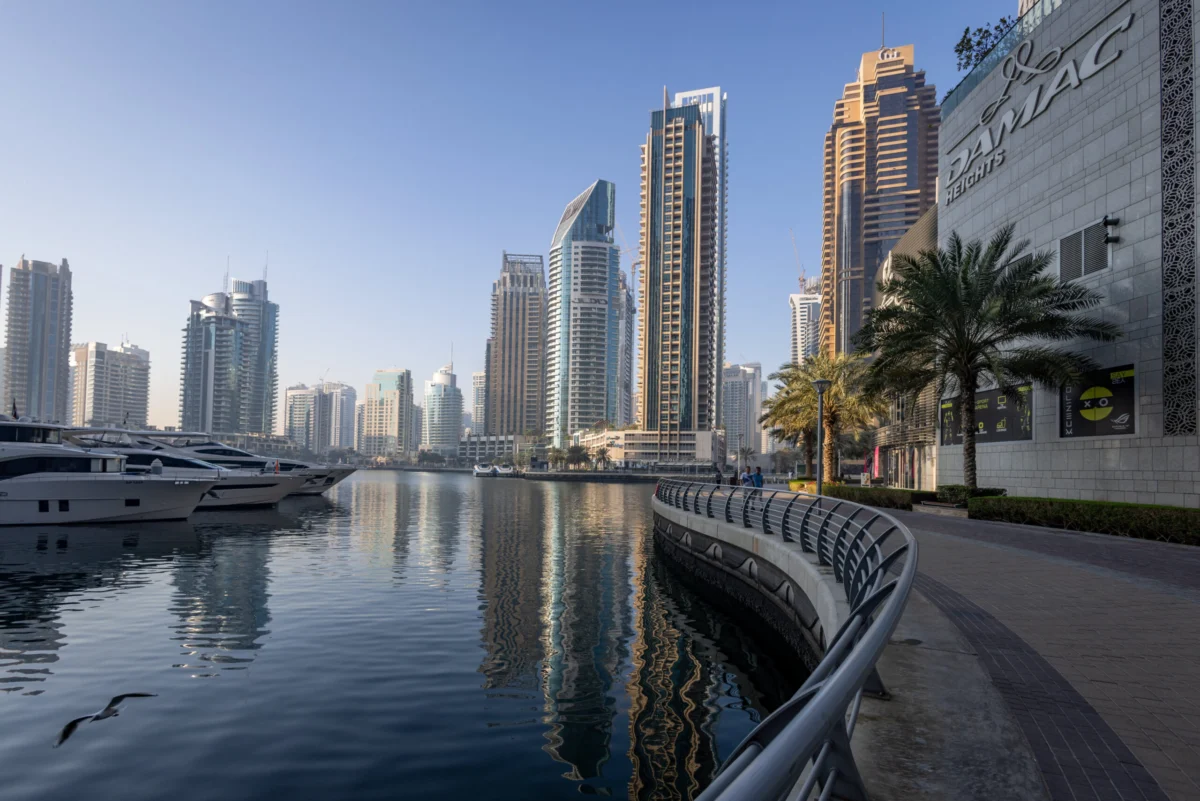
The United Arab Emirates is reportedly considering a significant policy shift that could see it restrict Iranian access to billions of dollars held within the Gulf state, a move that would represent a profound change in its long-standing delicate diplomatic and economic balance. This potential action, first reported by the Wall Street Journal on Thursday, comes at a critical juncture when Iran’s economy is already under severe strain and its military engagements with U.S. and Israeli forces have intensified regional pressures. The deliberations underscore a growing frustration in Abu Dhabi over Tehran’s recent aggressive actions, which have directly impacted Emirati infrastructure and the nation’s carefully cultivated image of stability.
Emirati authorities have reportedly conveyed warnings to Iranian officials regarding the potential asset freeze, signaling the seriousness of these internal discussions. However, sources familiar with the ongoing deliberations emphasize that no definitive decision has been made regarding the timing or implementation of such a measure. For decades, the UAE, particularly its commercial hub Dubai, has served as a vital financial conduit for Iranian businesses and individuals seeking to navigate the labyrinthine network of Western sanctions. This role has allowed Iran to facilitate oil sales abroad and channel crucial proceeds into its military programs and regional proxy groups, a dynamic extensively documented by institutions like the U.S.-based Atlantic Council. The proposed freeze, if enacted, would dramatically alter this established financial ecosystem, potentially crippling Tehran’s access to foreign currency and critical global trade networks.
The Dubai-Tehran Financial Nexus: A Historical Overview
Dubai’s rise as a global financial and trade center has been intrinsically linked with its role as a regional entrepôt, a position that historically extended to facilitating trade with Iran. For many years, the two nations maintained robust commercial ties, driven by geographical proximity and shared historical linkages. Iranian merchants established deep roots in Dubai, contributing significantly to its economic vibrancy. This relationship, however, became increasingly complex and scrutinized following the imposition of stringent international sanctions on Iran, particularly by the United States and the European Union, aimed at curtailing Tehran’s nuclear program and its alleged support for terrorism.
Despite these sanctions, Dubai maintained its status as a crucial artery for Iranian commerce. The city’s sprawling free zones, known for their lax regulatory oversight compared to conventional banking systems, inadvertently became fertile ground for shell companies. These entities, often operating with opaque ownership structures, have for years masked the true origin of Iranian oil and various commodities, enabling their sale on international markets. Furthermore, a sophisticated network of informal currency exchange houses, or hawalas, has facilitated the cross-border movement of funds, operating largely outside the purview of traditional banking oversight and circumventing official financial channels. This parallel financial system has been instrumental in allowing Iran to repatriate billions of dollars from its overseas oil sales, providing a lifeline to its embattled economy and funding various state initiatives, including military expenditures and support for regional allies.
The scale of financial flows between the UAE and Iran is difficult to ascertain precisely due to the clandestine nature of much of the activity, but estimates suggest it involves billions of dollars annually. Before stricter enforcement measures, the volume of re-exports from the UAE to Iran alone often reached several billion dollars per year, with significant additional flows through informal channels. This deep financial integration has historically provided a buffer for Iran against the full force of international sanctions, making Dubai an indispensable node in Tehran’s economic survival strategy.
Mounting Pressure from Washington
The United States has long viewed the UAE’s role as a financial gateway for Iran with growing concern, exerting consistent pressure on Abu Dhabi to dismantle these illicit networks. American officials have argued that the UAE’s enforcement efforts against sanctions evasion have fallen short of its stated commitments, leading to repeated calls for more robust action. Over recent years, the U.S. Treasury Department has explicitly sanctioned numerous UAE-based entities and individuals for their alleged involvement in facilitating Iranian oil sales, money laundering, and financing of designated terrorist organizations. These sanctions have targeted a wide array of businesses, from shipping companies to financial facilitators, highlighting Washington’s determination to sever Iran’s access to global finance.
For instance, in August 2020, the U.S. Treasury Department sanctioned several entities based in the UAE, along with others in China and Iran, for their role in facilitating the sale of Iranian petrochemicals. Again, in May 2022, the Treasury Department designated a network of companies, including several in the UAE, that were allegedly involved in shipping and selling Iranian oil and petrochemical products to East Asia. These actions, accompanied by public statements from U.S. officials, have underscored the message that Washington expects its allies to fully comply with international sanctions regimes and actively prevent their territories from being used for sanctions evasion. The prospect of the UAE freezing Iranian assets represents a significant step towards aligning its financial policies more closely with U.S. objectives, a move that would undoubtedly be welcomed by Washington as a major victory in its maximum pressure campaign against Tehran.
A Rethink in Policy: The Impact of Iranian Aggression
The UAE’s long-standing policy has been characterized by a delicate balancing act: maintaining its strategic alliance with the United States, a key security partner, while also managing its complex relationship with neighboring Iran. This equilibrium has been severely tested by a series of recent Iranian actions that have directly targeted the Gulf nation. In what Iran has described as retaliation against a joint U.S.-Israel attack, the UAE has reportedly been subjected to a barrage of over 1,000 drones and missiles. These attacks have caused significant damage to critical infrastructure, including sections of Dubai International Airport, one of the world’s busiest aviation hubs, and popular tourist destinations such as the Fairmont hotel. Residential areas across the Emirates have also been affected, signaling a dangerous escalation in regional hostilities.
These strikes have sent shockwaves through the expatriate business community and international investors who have been drawn to Dubai for decades by its reputation for stability and security in an otherwise volatile region. The economic confidence that underpins Dubai’s status as a global business hub is directly tied to its perceived safety. Direct attacks on its infrastructure and civilian areas threaten to erode this confidence, potentially deterring future investment and talent. The psychological impact on residents and the business community has been profound, prompting a re-evaluation of the risks associated with operating in the region.

Just earlier this week, the UAE Ministry of Foreign Affairs publicly affirmed its commitment to a defensive posture, reiterating its policy of "good neighborliness, de-escalation and its firm commitment to the Charter of the United Nations." This statement underscored the UAE’s reluctance to directly engage in military action against Iran, even as it faced direct aggression. However, the continuous targeting of its territory appears to be forcing a fundamental rethink of this policy, pushing the Emirates towards economic countermeasures that could inflict significant pain on Tehran without direct military involvement. The consideration of an asset freeze can be seen as a powerful, non-military retaliatory measure designed to protect national interests and restore a sense of security and deterrence.
The Mechanics of a Potential Freeze
Emirati authorities are reportedly examining a multi-faceted approach to potential countermeasures. At the forefront are targeted asset freezes against UAE-based shell companies that have been identified as integral to Iran’s sanctions evasion efforts. Such a move would involve identifying and blocking financial accounts and assets linked to these entities, effectively severing their access to the global financial system through the UAE. This would require extensive intelligence gathering and coordination between Emirati financial regulators and security agencies, likely with significant input from U.S. intelligence.
Beyond corporate entities, a sweeping financial crackdown on local currency exchange houses is also reportedly under consideration. These informal exchange networks are often at the very heart of Iran’s financial plumbing, facilitating the conversion and transfer of funds across borders with minimal oversight. Implementing stringent regulations, increased surveillance, and potentially even closures of non-compliant exchange houses would choke off a vital channel for Iranian financial transactions. Such measures would involve enhanced anti-money laundering (AML) and counter-terrorist financing (CTF) protocols, greater transparency requirements, and severe penalties for non-compliance. The practical implementation of these measures would be complex, given the long-standing and often intricate nature of these financial networks, but their impact on Iran’s ability to access foreign currency would be immediate and severe.
Broader Implications and Regional Fallout
The decision to freeze Iranian assets would carry profound economic and geopolitical ramifications, both for Iran and the wider Middle East. For Tehran, it would represent a significant blow to its already struggling economy. Crippling access to foreign currency would exacerbate inflation, devalue the national currency, and make it even harder for Iran to import essential goods, ranging from medicine to industrial components. This would intensify domestic economic hardship, potentially fueling social unrest and putting further pressure on the Iranian regime. It would also severely hamper Iran’s ability to fund its regional proxy groups and military programs, impacting its strategic influence across the Middle East.
For the UAE, such a move would solidify its position as a staunch ally of the United States and a committed partner in combating illicit financial flows. It would demonstrate a willingness to prioritize strategic security concerns over purely commercial interests, potentially enhancing its standing with Western nations. However, it would also carry risks. Iran could view an asset freeze as an act of economic warfare, potentially leading to further escalation of tensions, cyberattacks, or even more direct military provocations against Emirati interests. The move could also trigger a backlash from elements within the UAE’s own business community who have long benefited from the lucrative Iranian trade, potentially leading to some economic disruption in specific sectors.
Regionally, an asset freeze by the UAE could encourage other Gulf states, some of whom also host Iranian financial interests, to reconsider their own policies. While Saudi Arabia and Bahrain have historically taken a harder line against Iran, Oman and Qatar have maintained more cordial relations. A decisive move by the UAE could set a precedent, further isolating Iran economically within the Gulf Cooperation Council (GCC) bloc and intensifying the regional power struggle. It would also undoubtedly be interpreted by Israel as a positive development, aligning with its own efforts to contain Iranian influence and capabilities.
International Reactions and Future Outlook
Should the UAE proceed with freezing Iranian assets, the international community’s reactions would be varied. The United States and its allies would likely laud the decision as a critical step in enforcing sanctions and promoting regional stability. This would strengthen diplomatic ties between Washington and Abu Dhabi, potentially opening doors for further security cooperation and economic partnerships. Conversely, Iran would almost certainly condemn the move as an illegal act of aggression, threatening retaliation through diplomatic, economic, or even military channels.
The business community in Dubai, while understanding the security imperatives, would likely face a period of adjustment. While the measures are aimed at illicit networks, the broader perception could temporarily affect investor confidence, necessitating clear communication from Emirati authorities to reassure legitimate businesses and investors. The long-term implications for Dubai’s identity as a global financial hub are also a consideration; while the crackdown targets illicit finance, it could reinforce the city’s commitment to international financial standards and transparency, ultimately enhancing its reputation as a legitimate and secure place for global commerce.
As discussions continue within the Emirati leadership, the world watches closely. The decision facing Abu Dhabi is not merely an economic one; it is a strategic choice that could reshape the geopolitical landscape of the Middle East, signaling a significant recalibration of the UAE’s regional role and its approach to confronting one of its most persistent and challenging neighbors. The balance between economic prosperity, regional stability, and international alliances has never been more precarious, and the UAE’s next steps will undoubtedly have far-reaching consequences.