Lina Wu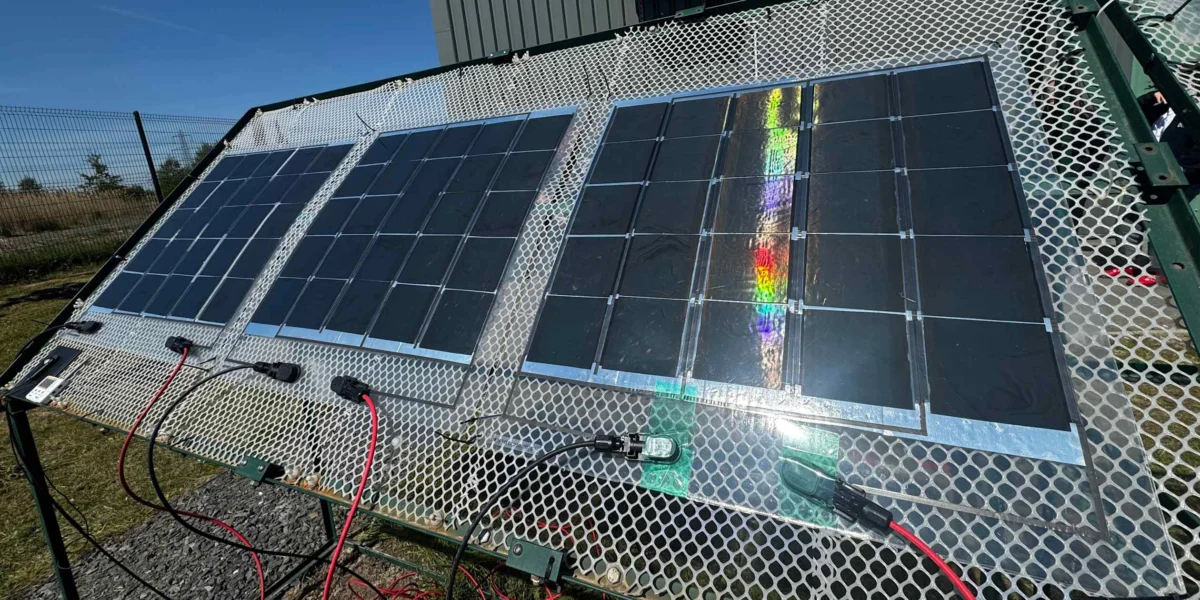
TOKYO — A U.K.-based startup specializing in ultrathin, flexible solar panels is making its debut in Japan, signaling growing international interest in the nation’s strategic pivot towards next-generation renewable energy solutions. Power Roll, the company in question, has developed a proprietary perovskite solar cell technology that promises significant cost reductions and enhanced versatility compared to traditional silicon-based panels. This move underscores Japan’s commitment, under the Takaichi administration, to fostering innovation in the energy sector and attracting foreign investment in cutting-edge technologies.
The allure for companies like Power Roll lies in Japan’s concerted efforts to accelerate its transition to clean energy. Driven by ambitious decarbonization targets and a desire to secure energy independence, the Japanese government has been actively promoting research and development, as well as the commercialization, of advanced solar technologies. This proactive stance includes favorable policy frameworks, potential subsidies, and a growing domestic market receptive to innovative solutions. The Takaichi government, in particular, has been vocal about prioritizing technological advancements that can offer both environmental benefits and economic competitiveness.
Power Roll’s technology stands out due to its unique manufacturing process and material composition. Unlike conventional solar cells that rely on rigid silicon wafers and often expensive indium tin oxide (ITO) as a transparent conductive layer, Power Roll utilizes a microgroove structure and eschews ITO. This approach not only simplifies the manufacturing process, allowing for the creation of lightweight, rollable solar sheets, but also significantly lowers production costs. The ability to produce these thin-film solar cells at scale and at a lower price point makes them particularly attractive for a wide range of applications, from integration into building materials to powering portable electronic devices and even for deployment in remote or challenging environments.
Background and Timeline of Japan’s Renewable Energy Push
Japan’s journey towards greater renewable energy adoption has been a gradual but increasingly determined one. Following the Fukushima Daiichi nuclear disaster in 2011, which led to a significant reduction in nuclear power generation, the country faced an urgent need to diversify its energy sources and bolster its energy security. This event acted as a catalyst for increased investment in renewables, including solar, wind, and geothermal energy.
Initially, Japan’s solar market was dominated by crystalline silicon technology, mirroring global trends. However, the inherent limitations of silicon – its rigidity, weight, and manufacturing complexity – spurred research into alternative materials and designs. Perovskite solar cells emerged as a promising candidate due to their potential for high efficiency, low-cost manufacturing, and flexibility.
The Takaichi administration, named after Sanae Takaichi, who has held key ministerial positions related to economic revitalization and technology, has signaled a renewed focus on "growth strategies driven by new technologies." This encompasses a broad spectrum of innovation, with a particular emphasis on areas like artificial intelligence, quantum computing, and advanced materials for energy. The government’s stated goal is to create new industries and export opportunities by fostering domestic technological leadership and attracting international players who can contribute expertise and capital.
The timing of Power Roll’s entry into Japan is significant. Japan has been actively seeking to establish itself as a global leader in the production and deployment of next-generation solar technologies. Initiatives aimed at supporting research institutions, providing incentives for pilot projects, and streamlining regulatory processes for new energy technologies have been put in place over the past few years. The recent emphasis on perovskite and other emerging solar technologies suggests a strategic shift to move beyond incremental improvements in existing technologies and embrace potentially disruptive innovations.
Power Roll’s Technology: A Cost-Effective and Versatile Solution
The core of Power Roll’s innovation lies in its proprietary "microgroove" technology. This process allows for the deposition of active solar materials onto a flexible substrate in a highly controlled manner. By creating microscopic grooves on the surface, the technology enhances light absorption and charge extraction, leading to improved efficiency. Crucially, it bypasses the need for expensive and brittle ITO, a material commonly used in touchscreens and solar cells.
"Our technology offers a compelling combination of low cost, flexibility, and environmental sustainability," stated a representative from Power Roll, speaking generally about their technological advantages. "We believe that by eliminating costly materials and simplifying the manufacturing process, we can make solar energy more accessible and deployable across a far wider range of applications than is currently possible."
The absence of indium, a rare earth metal, is a significant advantage for Power Roll, particularly in the context of global supply chain vulnerabilities and rising material costs. Furthermore, the thin-film nature of their panels means they are lighter and more adaptable to curved surfaces or uneven terrains, opening up possibilities for integration into building facades, vehicle bodies, and even temporary structures.
Attracting Foreign Investment: A Government Priority
The Japanese government, through various agencies and initiatives, has been actively working to create an environment conducive to foreign direct investment in the technology sector. This includes streamlining visa processes for skilled workers, offering tax incentives, and facilitating partnerships between foreign companies and Japanese research institutions or established corporations.
For a company like Power Roll, the appeal of the Japanese market extends beyond its technological ambitions. Japan possesses a robust industrial base, a highly skilled workforce, and a strong domestic demand for advanced manufacturing and sustainable solutions. The government’s explicit prioritization of new energy technologies under the Takaichi administration likely translates into tangible support mechanisms, such as R&D grants, preferential procurement policies, or support for establishing local manufacturing facilities.
"We are very encouraged by the proactive approach of the Japanese government in embracing and supporting innovative clean energy solutions," commented a hypothetical industry analyst. "This creates a fertile ground for companies like Power Roll to not only introduce their technology but also to scale up production and contribute to Japan’s broader energy transition goals. The focus on cost reduction is particularly important for mass adoption, and Power Roll’s approach seems well-aligned with that objective."
Implications for Japan’s Energy Landscape
The entry of Power Roll, and potentially other similar foreign companies, into Japan’s burgeoning advanced solar market carries several significant implications:
- Accelerated Technological Advancement: Increased competition and the introduction of novel technologies can stimulate domestic innovation and push Japanese companies to accelerate their own R&D efforts. This could lead to a faster overall pace of technological development in the solar sector.
- Diversification of Energy Sources: The deployment of flexible and low-cost solar solutions can complement existing renewable energy sources, such as utility-scale solar farms and offshore wind, by enabling distributed generation and integration into urban environments.
- Economic Growth and Job Creation: The establishment of manufacturing facilities and the scaling up of production can lead to the creation of new jobs in the high-tech manufacturing sector, contributing to economic growth.
- Enhanced Energy Security: By fostering domestic production and adoption of advanced solar technologies, Japan can reduce its reliance on imported fossil fuels, thereby strengthening its energy security.
- Global Leadership Potential: Japan’s commitment to being at the forefront of next-generation solar technology could position it as a key player in the global clean energy market, with the potential to export its expertise and manufactured products.
Challenges and Future Outlook
While the outlook is promising, challenges remain. The widespread commercialization of any new technology involves overcoming hurdles related to scaling up manufacturing, ensuring long-term durability and performance under various environmental conditions, and navigating complex regulatory landscapes. Furthermore, established players in the silicon solar industry will likely continue to innovate, presenting ongoing competition.
However, the clear policy direction from the Takaichi government, coupled with the inherent advantages of Power Roll’s technology, suggests a strong foundation for success. As Japan continues to prioritize the adoption of advanced energy solutions, the landscape is ripe for foreign companies that can offer innovative, cost-effective, and sustainable technologies. Power Roll’s entry is likely just the beginning of a new wave of international collaboration and competition in Japan’s dynamic renewable energy sector. The company’s focus on a technology that is both cheaper and more versatile than current market leaders positions it to play a significant role in Japan’s ongoing energy transformation.