Lina Wu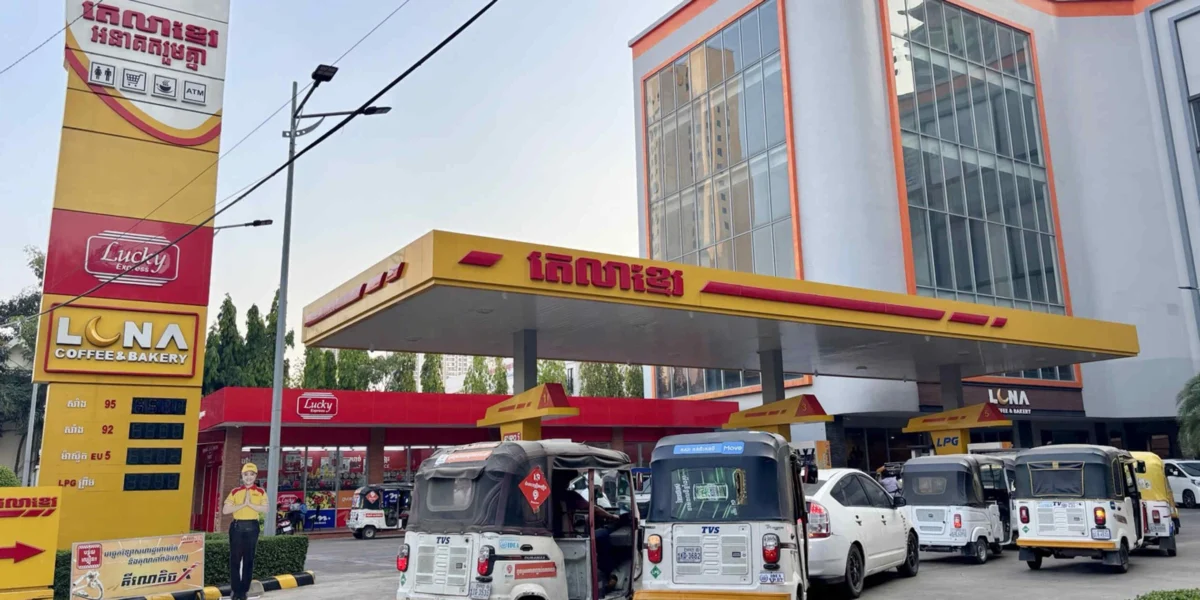
Cambodia’s already precarious fuel supply chain is facing a significant new challenge as a major liquefied petroleum gas (LPG) supplier in Phnom Penh has announced it will cease sales starting April 1st, 2026. This decision by a prominent local distributor has triggered immediate concerns among LPG sellers and consumers alike, raising fears of widespread shortages and escalating prices across the country. The move exacerbates existing anxieties in a nation entirely dependent on imported fuel, highlighting the vulnerabilities inherent in its energy infrastructure.
The announcement, made by an unnamed but reportedly significant local supplier, has sent ripples of apprehension through the nation’s tuk-tuk community, a vital segment of Cambodia’s transportation sector. These iconic three-wheeled vehicles, powered predominantly by LPG, are a common sight on the streets of Phnom Penh and other urban centers, serving as a primary mode of transport for many citizens and a crucial source of income for thousands of drivers. Any disruption to their fuel supply directly impacts their ability to operate, potentially leading to increased operational costs and reduced earnings.
Background: Cambodia’s Reliance on Imported Energy
Cambodia’s energy landscape is characterized by a profound reliance on imports. The country possesses limited domestic fossil fuel reserves, necessitating the procurement of oil and gas from international markets. This dependency makes Cambodia particularly susceptible to global price fluctuations and supply chain disruptions. LPG, a mixture of propane and butane, is a preferred fuel for many vehicles, especially tuk-tuks, due to its perceived cost-effectiveness and lower emissions compared to traditional gasoline. However, the infrastructure for its domestic production is virtually non-existent, meaning all LPG consumed in Cambodia is imported.
The primary source of Cambodia’s LPG imports has historically been Thailand, with smaller volumes sometimes sourced from Vietnam. This bilateral trade agreement, while functional, underscores the nation’s vulnerability to the political and economic stability of its neighbors, as well as global shipping and logistics. Any interruption, whether due to geopolitical events, trade disputes, or logistical challenges, can have immediate and cascading effects on the domestic market.
The Immediate Impact: Rising Prices and Panic Buying
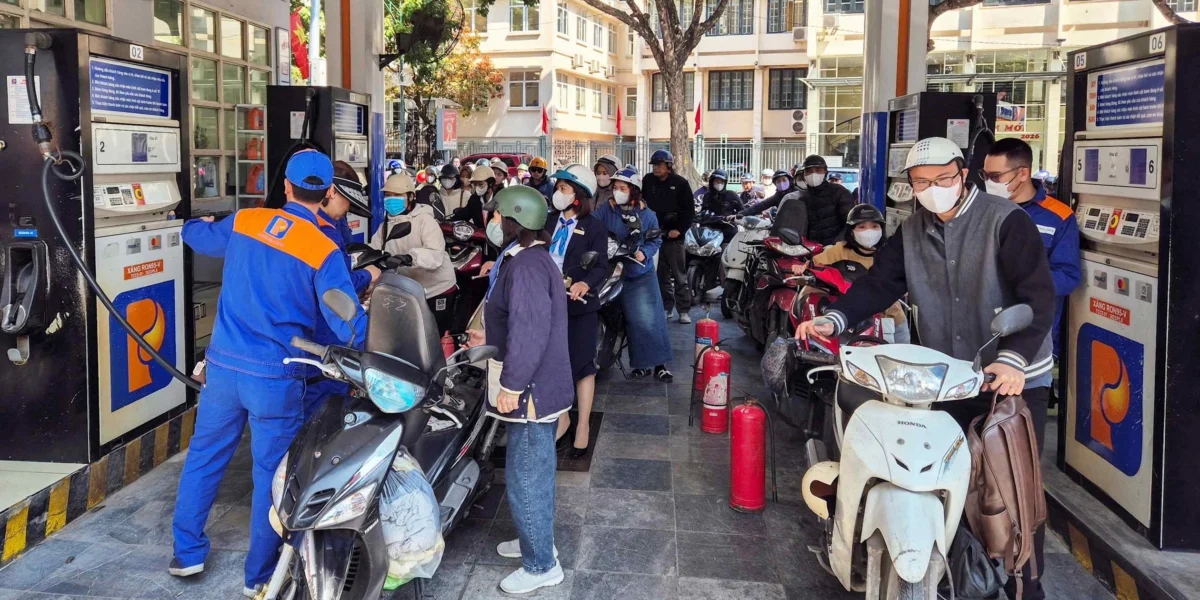
In the days following the announcement, reports from LPG filling stations in Phnom Penh have indicated a palpable sense of urgency. Sellers, many of whom are small business owners operating independently or as part of larger networks, are already observing an uptick in demand as drivers scramble to secure their fuel supply. This surge in demand, coupled with the impending cessation of sales from a major supplier, is a classic recipe for price inflation.
"We are already seeing prices creep up," stated a tuk-tuk driver, who wished to remain anonymous, as he waited in a queue at a Phnom Penh station on March 23rd. "If one big supplier stops, where will we get our gas? We need to drive to earn money. If the gas is too expensive, or if we can’t find it, we cannot work."
The panic buying phenomenon, driven by fear of future scarcity, is likely to exacerbate the situation. Drivers, anticipating shortages, may be filling their tanks more frequently and in larger quantities than usual, further depleting existing stocks and creating a self-fulfilling prophecy of scarcity. This behavior, while understandable from an individual driver’s perspective, can destabilize the market and create artificial shortages.
Timeline of Events and Potential Future Developments
While the exact reasons behind the supplier’s decision to cease sales have not been publicly disclosed, the timing, just weeks before the start of a new fiscal quarter, is significant. Industry observers suggest several potential contributing factors:
- International Price Volatility: Fluctuations in global LPG prices, driven by geopolitical tensions, production cuts by major exporting nations, or disruptions in shipping routes, could make it economically unviable for the supplier to continue operating under current market conditions. If the cost of importing LPG has risen significantly, the supplier might be unable to absorb these costs and maintain competitive pricing.
- Contractual Issues: The supplier might be facing challenges with its own import contracts, facing difficulties securing consistent and affordable supply from its international partners.
- Regulatory Changes: Unforeseen changes in import regulations, taxation policies, or licensing requirements could also prompt such a drastic business decision.
- Internal Business Strategy: The supplier might be undergoing a strategic shift, divesting from the LPG market to focus on other business ventures, or consolidating its operations.
The immediate future, therefore, hinges on how other suppliers respond and whether the Cambodian government intervenes. The Ministry of Mines and Energy is the primary government body responsible for overseeing the energy sector. Its response will be crucial in mitigating the potential crisis.
Official Responses and Broader Implications
As of the publication of this article, there has been no official statement from the Cambodian government regarding the announced cessation of LPG sales by the local supplier. However, it is expected that the Ministry of Mines and Energy will initiate an inquiry into the matter. Potential government actions could include:
- Facilitating Dialogue: Encouraging negotiations between the affected supplier and other market players, or with international suppliers, to find a resolution.
- Investigating Supply Chains: Conducting an audit of the LPG import and distribution network to identify vulnerabilities and potential bottlenecks.
- Exploring Alternative Suppliers: Actively seeking new import partners or negotiating with existing ones to increase supply to Cambodia.
- Strategic Reserves: In the long term, the government might consider establishing strategic fuel reserves to buffer against such shocks.
- Diversification of Energy Sources: Accelerating efforts to diversify Cambodia’s energy mix, reducing reliance on imported fossil fuels, although this is a long-term solution.
The implications of a sustained LPG shortage extend beyond the tuk-tuk sector. LPG is also used in many households for cooking and in some industrial applications. A disruption in its supply could lead to increased costs for essential services and potentially affect businesses that rely on LPG as a fuel source. The overall impact on inflation and the cost of living for Cambodian citizens could be significant.
The Tuk-Tuk Ecosystem: A Microcosm of Vulnerability
The tuk-tuk community, often operating on thin margins, is particularly vulnerable to fuel price shocks. For many drivers, the daily earnings are directly tied to the cost of fuel. An increase in LPG prices or a reduction in its availability means less disposable income and a greater struggle to meet basic living expenses. This could lead to:
- Reduced Transportation Services: Drivers may be forced to reduce their operating hours or even park their vehicles if fuel becomes prohibitively expensive or unavailable.
- Increased Fares: To compensate for higher fuel costs, drivers may be compelled to increase fares, which could impact the affordability of public transportation for many Cambodians.
- Shift to Other Fuels: Some drivers might consider switching to gasoline or other fuels if they become more readily available and economically viable, though this often requires costly vehicle modifications and may have different emission profiles.
- Social Impact: A widespread inability for tuk-tuk drivers to earn a living could lead to increased social and economic hardship in urban areas.
Looking Ahead: A Call for Energy Security
The current situation serves as a stark reminder of Cambodia’s ongoing challenges with energy security. While the immediate focus will be on resolving the LPG supply issue, this event underscores the urgent need for a more robust and diversified energy strategy. Investing in domestic energy production, exploring renewable energy sources like solar and wind, and strengthening bilateral energy partnerships with a focus on long-term stability are crucial steps towards mitigating future risks.
The coming weeks will be critical as the market adjusts to the impending withdrawal of a significant LPG supplier. The ability of other players to absorb the demand, the responsiveness of the Cambodian government, and the potential for new import agreements will all shape the outcome of this unfolding fuel crisis. For the thousands of tuk-tuk drivers and the wider Cambodian population, the hope is for a swift resolution that ensures the continued availability of essential fuel at affordable prices. The current reliance on a few key import channels has once again highlighted the fragile nature of Cambodia’s energy independence, a vulnerability that demands strategic attention and proactive solutions.