Ella Zulfa
Subscription health brands are often laser-focused on customer acquisition, channeling significant resources into advertisements, influencer collaborations, and initial launch promotions. However, a common pitfall emerges once a customer makes a purchase: a subsequent silence, punctuated only by a transactional welcome or shipping confirmation, followed by a lull until the next promotional campaign. This approach, the article argues, represents a retention strategy built on chance rather than strategic design.
Drawing from extensive experience with subscription health brands and an analysis of what truly fosters customer loyalty, the author posits that email, despite its widespread use, remains a profoundly underutilized asset. The issue, it is suggested, is not the volume of emails sent, but rather the lack of strategic timing and relevance. Email marketing consistently demonstrates a remarkable return on investment, with research from Litmus indicating an average of $36 returned for every $1 spent, positioning it as a leading channel in marketing ROI. Yet, many subscription brands relegate email to an afterthought. The brands that achieve sustained success differentiate themselves by moving beyond mere promotional blasts, instead cultivating a layered lifecycle communication system where each email serves a distinct purpose, meticulously designed to keep subscribers engaged, accountable, and connected to the brand’s ecosystem.
Layer One: The Post-Purchase Sequence – Setting the Foundation for Engagement
The immediate period following a customer’s purchase represents the apex of engagement potential. Subscribers are typically enthusiastic, attentive, and receptive to guidance. Many brands squander this critical window with perfunctory "thank you" messages and tracking links, failing to capitalize on the customer’s heightened receptivity.
A robust post-purchase email sequence is designed to achieve three primary objectives. Firstly, it unequivocally confirms the transaction and clearly outlines the anticipated next steps and delivery timelines. Secondly, it serves as an introduction to the brand’s comprehensive ecosystem, highlighting essential resources such as mobile applications, community forums, educational content platforms, and any other tools designed to support the subscriber’s journey. Thirdly, and crucially, it initiates the habit formation process. For brands with accompanying applications, this sequence is the opportune moment to encourage downloads. For platforms offering membership programs or extensive content libraries, it is the ideal juncture to prompt the initial login.
A prevalent error observed is the treatment of the post-purchase flow as a singular event. Instead, it should comprise a deliberate sequence of at least four to six touchpoints, strategically distributed over the initial two to three weeks. Each communication is intended to progressively guide the customer deeper into the brand’s product experience and value proposition.
Layer Two: Cadenced Content Emails – Cultivating Anticipation and Relationship
A key differentiator for successful email marketing is the ability to foster genuine anticipation among subscribers, making them eager to receive communications rather than merely opening them. This is achieved through the implementation of a predictable, themed content cadence. Rather than dispatching emails sporadically as content becomes available, brands can establish a consistent rhythm. For instance, dedicating specific weeks of the month to particular content themes allows subscribers to recognize a pattern, which in turn cultivates a stronger relationship.
This approach is particularly effective for health and wellness brands, whose content naturally aligns with distinct pillars such as movement, nutrition, mindset, and accountability. By assigning each pillar to a specific week or day, and giving it a recurring, branded name, these themes become an integral part of the brand’s identity. The specific subject matter is less critical than the unwavering consistency, which effectively builds a communication habit within the subscriber’s inbox.
Furthermore, a structured content cadence compels internal teams to engage in proactive planning. This leads to the development of higher-quality creative assets and more refined copy, reducing the likelihood of rushed, off-brand last-minute communications. Research from EmailTooltester suggests that sending between five and eight emails per month yields the highest ROI, approximately $48 for every $1 spent – a frequency range that a themed weekly cadence naturally achieves. This consistent delivery model not only enhances subscriber engagement but also optimizes marketing expenditure.
Layer Three: App Engagement Emails – Closing the Loop on Product Utilization
For subscription health brands that offer a mobile application – a common feature within the sector – email emerges as the most potent instrument for driving active user engagement. However, many brands treat their apps as secondary in their email strategies, relegating mentions to footers or promotional newsletters.
A more effective methodology involves dedicating a recurring email specifically to app engagement. Sent on a consistent day each week or bi-weekly, these emails should present a clear, singular call to action: log weight, track symptoms, or review progress. Each email focuses on one actionable item, providing a direct and unambiguous prompt.
This strategy is vital for two primary reasons. Firstly, app engagement is directly correlated with customer retention. Data from Adapty’s subscription app research indicates that highly engaged apps can achieve first-year retention rates as high as 35%, a significant increase compared to the industry average of 5-7%. This disparity is largely attributable to whether users actively interact with the product. A subscriber who consistently utilizes the app is substantially less inclined to cancel than one who has forgotten its existence. Secondly, these emails offer tangible value without a promotional overtone. The objective is not to solicit further purchases, but to assist users in maximizing the utility of a product they have already acquired. Over time, these communications evolve into a subtle accountability mechanism, directly addressing a core need that subscription health customers are seeking.
Layer Four: Community Emails – Fostering a Sense of Belonging
Subscription health brands that demonstrate the lowest churn rates consistently cultivate a strong sense of community among their members. Subscribers do not merely purchase a product; they become part of a collective. Research conducted by Higher Logic reveals that 60% of individuals exhibit increased loyalty to a brand specifically due to their access to a community, highlighting its potential as an underutilized retention lever.
Email serves as an exceptionally effective medium for invigorating this community for members who may not yet be fully integrated. A monthly community digest, perhaps branded as a "Weekend Brew" or "Monthly Wrap-Up," can consolidate the most impactful moments from the community into a single, digestible email. This digest can feature member success stories, highlight valuable content, showcase highlights from live events or webinars, and include a gentle prompt for those who have yet to join.
The critical element is that these emails must feel curated and personal, rather than automated. They should convey the impression of having been compiled by someone who actively participated in the community throughout the month, carefully selecting the most noteworthy highlights. This tone – warm, specific, and personal – is instrumental in transforming passive subscribers into engaged community members.
Layer Five: Event Emails – Cultivating Real-World Loyalty
Few experiences can deepen a subscriber’s connection to a brand as profoundly as attending a physical or live event. Whether it be a fitness class, a culinary workshop, a educational seminar, or a product unveiling, events generate memorable experiences that email sequences alone cannot replicate.
The email strategy surrounding these events carries more weight than many brands acknowledge. A well-structured event email flow typically commences with a teaser to build awareness, followed by a formal invitation detailing logistics, a reminder as the event date approaches, and a "what to expect" email in the final days. Post-event, a follow-up communication that captures the event’s energy and extends the experience to members who could not attend helps maintain momentum.
Each of these emails should possess a distinct tone. The teaser aims to pique curiosity, the invitation to generate urgency, and the reminder to build excitement. Successfully executing these communications can be the decisive factor between an event that sells out and one that is largely overlooked.
The Cohesive Thread: A Unified System for Subscriber Journey Management
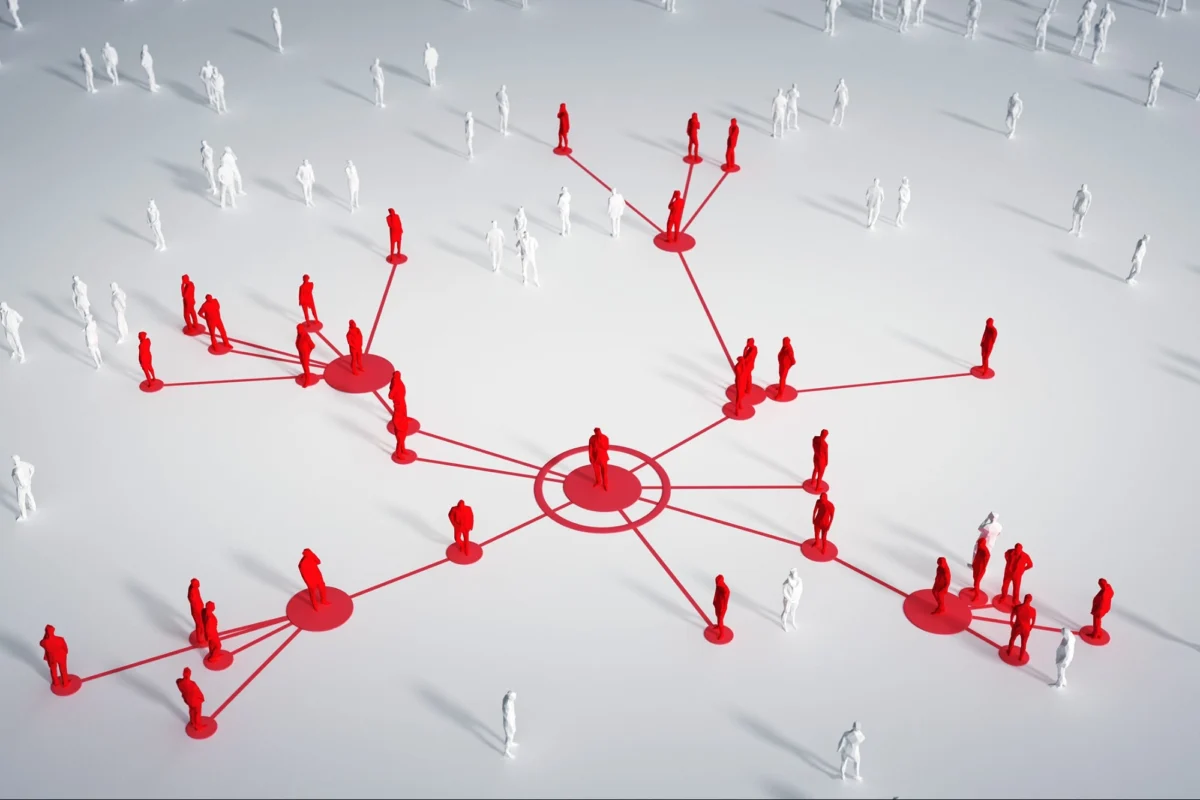
The efficacy of this comprehensive framework lies not in any single email, but in the coherence and integration of the entire system. Each layer is assigned a distinct role – onboarding, habit formation, engagement, community building, and experience enhancement – and collectively, they construct an intentional and supportive subscriber journey.
Brands that embrace this holistic approach transition from viewing email as a mere broadcast channel to understanding it as a foundational infrastructure for relationship building. This fundamental shift in perspective is where sustained customer retention is truly achieved. The strategic orchestration of these diverse email touchpoints creates a synergistic effect, fostering a deeper, more resilient connection between the subscriber and the brand, ultimately driving long-term loyalty and reducing churn in the competitive subscription health market.