Lina Wu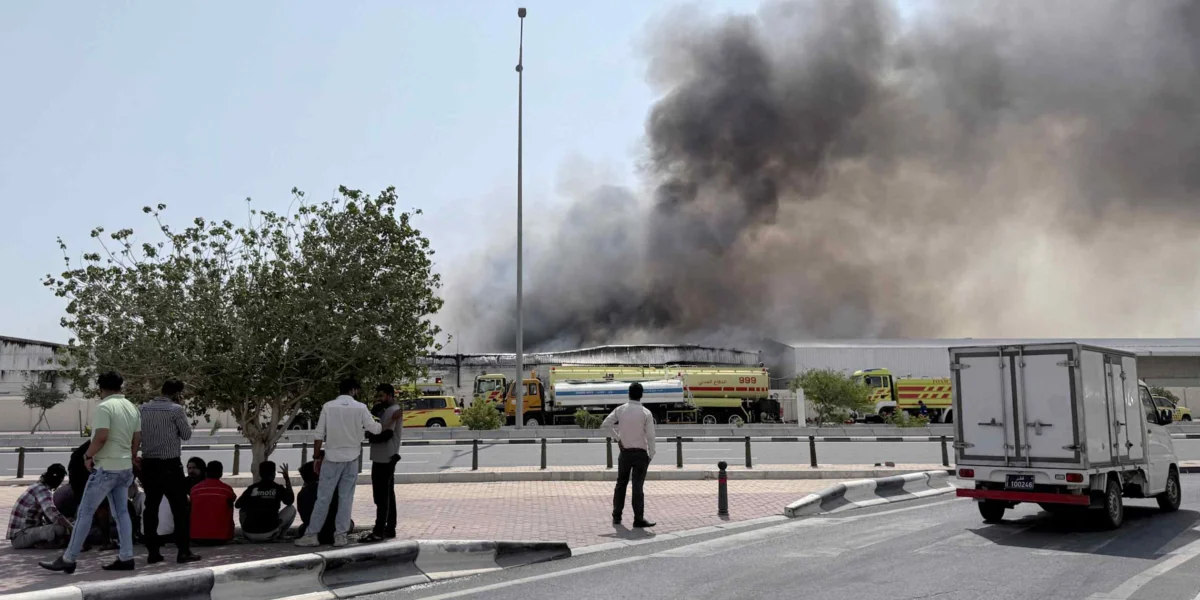
Despite Iranian missiles and drones raining down on neighboring states, Uber driver Yousef says he won’t be fleeing the Saudi Arabian capital of Riyadh for his home in India. His predicament is far from unique. While the escalating geopolitical tensions in the Middle East, fueled by Iran’s increasingly aggressive posture, have sparked fears of a wider conflict, a significant portion of the region’s vast migrant workforce remains tethered to their employers by the restrictive kafala system, effectively denying them a safe passage out of harm’s way.

The specter of regional instability, ignited by a series of retaliatory strikes and counter-strikes involving Iran and several of its neighbors, has cast a long shadow over the millions of foreign workers who form the backbone of the Gulf economies. These individuals, hailing from countries like India, Pakistan, Bangladesh, Nepal, the Philippines, and Sri Lanka, are vital to the functioning of sectors ranging from construction and hospitality to domestic service and transportation. However, the stringent labor sponsorship system, known as kafala, significantly complicates their ability to seek refuge or return home during times of crisis.
The Grip of the Kafala System
Under the traditional kafala system, which remains prevalent in several Gulf Cooperation Council (GCC) states, a foreign worker’s legal status is intrinsically linked to their employer, or "sponsor." This sponsorship grants the employer significant control over the migrant’s visa, residency, and ability to change jobs. Crucially, it often means that leaving the country requires the employer’s explicit permission, a provision that becomes a perilous obstacle when the employer is unwilling or unable to facilitate departure amidst escalating conflict.

Yousef, who has been driving for Uber in Riyadh for the past four years, earns a modest income that supports his family back in Kerala. "My visa is tied to my employer," he explained, his voice tinged with a weariness that belies his 30 years. "If I leave without their permission, it means I am an illegal immigrant. I will be arrested, deported, and I will never be able to work in Saudi Arabia again. My family depends on this money. Where else can I go with such limited options?"
This dependence extends beyond just the legal framework. Many migrant workers are in debt to recruitment agencies, having paid substantial fees to secure their jobs. This financial entanglement further discourages any thought of unauthorized departure, as it would leave them with insurmountable debts and no means of repayment. The fear of being blacklisted, facing legal repercussions, or losing their livelihood, often outweighs the immediate anxieties of a brewing conflict.

A Widening Conflict and Rising Concerns
The current surge in regional tensions is not an isolated event but rather an intensification of long-standing geopolitical rivalries. The strategic waterways of the Persian Gulf and the Strait of Hormuz, vital for global energy supplies, have been flashpoints for years. However, recent months have seen a marked escalation, with direct military actions and heightened rhetoric.
Timeline of Escalation (Illustrative based on typical patterns of regional conflict):

- Early 2026: Sporadic incidents, including alleged attacks on maritime shipping and drone incursions, begin to increase in frequency and severity.
- Mid-2026: A significant escalation occurs, potentially involving direct missile strikes on infrastructure or military targets in one or more GCC states, attributed to Iran or its proxies. This event triggers heightened international concern and increased military deployments in the region.
- Late 2026: The situation remains volatile, with ongoing diplomatic efforts to de-escalate, but the underlying threat of further conflict persists. Neighboring countries, while not directly involved in the initial strikes, begin to experience the ripple effects, including economic disruption and heightened security concerns.
The widening conflict has inevitably raised concerns about the plight of foreign workers. Organizations like the International Labour Organization (ILO) and various human rights advocacy groups have repeatedly called for reforms to the kafala system, highlighting its inherent vulnerabilities, particularly during crises.
"The kafala system, by its very design, creates an imbalance of power," stated a spokesperson for a prominent labor rights organization based in Geneva. "It can leave workers exceptionally vulnerable to exploitation, and this vulnerability is amplified exponentially when external threats emerge. The ability to leave a dangerous situation should be a fundamental right, not a privilege contingent on an employer’s goodwill or financial incentive."

Supporting Data and Precedents
The reliance on migrant labor in GCC countries is staggering. In Saudi Arabia, for instance, expatriates constitute approximately 30-40% of the total population, with a significant proportion employed in low-wage sectors. Qatar, host of the 2022 FIFA World Cup, faced intense scrutiny over its labor laws, leading to some reforms, but the fundamental structure of employer sponsorship remains a concern. Data from the World Bank consistently shows a high dependency of several Gulf nations on remittances sent home by their migrant workforce, underscoring the economic implications of any disruption to this labor flow.
Past events, such as the outbreak of the Yemen civil war, have demonstrated how quickly humanitarian crises can engulf migrant populations. While not directly involving Iran in the same capacity, these conflicts have shown the difficulties in evacuating large numbers of foreign nationals, especially when their legal status is precarious. The logistical and bureaucratic hurdles in facilitating mass repatriations are immense, and the kafala system adds a significant layer of complexity.

Reactions and Inactions
Official responses from governments in the region have largely focused on national security and maintaining stability. While statements often emphasize the safety and well-being of all residents, concrete measures to facilitate the departure of migrant workers in a conflict scenario have been limited.
Some employers, particularly larger corporations with established human resources departments and a vested interest in their workforce’s welfare, may offer support or facilitate necessary exit permits. However, for many smaller businesses or individual sponsors, the financial implications and administrative burdens of arranging repatriation can be prohibitive.

"We are monitoring the situation closely," a government official from a GCC nation stated anonymously, reflecting the cautious approach. "Our priority is the safety of our citizens and all residents. We are in communication with various embassies and are prepared to take necessary steps if the situation deteriorates further. However, the movement of large numbers of people presents significant logistical challenges."
The embassies of the countries of origin are often overwhelmed during such periods. While they work to assist their citizens, their capacity to intervene in employer-sponsor disputes or to fund mass evacuations is often constrained by resources and diplomatic limitations. Many workers find themselves in a bureaucratic limbo, waiting for instructions or assistance that may never come.

Broader Implications and Analysis
The current geopolitical climate, coupled with the restrictive labor laws, highlights a critical vulnerability in the economic and social fabric of the Gulf. The continued reliance on a system that can effectively trap individuals during a crisis poses significant reputational risks for the region and raises ethical questions about labor practices.
Key implications include:

- Humanitarian Crisis Potential: A significant escalation of conflict could lead to a humanitarian crisis for millions of migrant workers, with limited avenues for escape.
- Economic Disruption: The inability of migrant workers to leave or return could disrupt essential services and industries, impacting regional economies.
- Reputational Damage: The international community is likely to scrutinize the handling of migrant worker welfare during a crisis, potentially leading to further pressure for labor reforms.
- Social Unrest: The sense of abandonment and the exacerbation of existing inequalities could contribute to social unrest within migrant communities.
The situation of Yousef and millions like him underscores a fundamental disconnect: while the Gulf economies are built on the labor of these individuals, the existing legal and social structures often fail to provide them with adequate protection, especially when faced with existential threats. The ongoing regional tensions serve as a stark reminder that meaningful labor reforms, particularly the dismantling of the kafala system and the establishment of robust worker protection mechanisms, are not merely matters of social justice but also critical components of regional stability and preparedness. Without these reforms, the prospect of conflict will continue to cast a long, perilous shadow over the lives of the region’s most vulnerable workforce. The question remains whether the current geopolitical storm will finally be the catalyst for genuine change, or if these workers will continue to be left to navigate the storm’s fury with few safe harbors in sight.