Lina Wu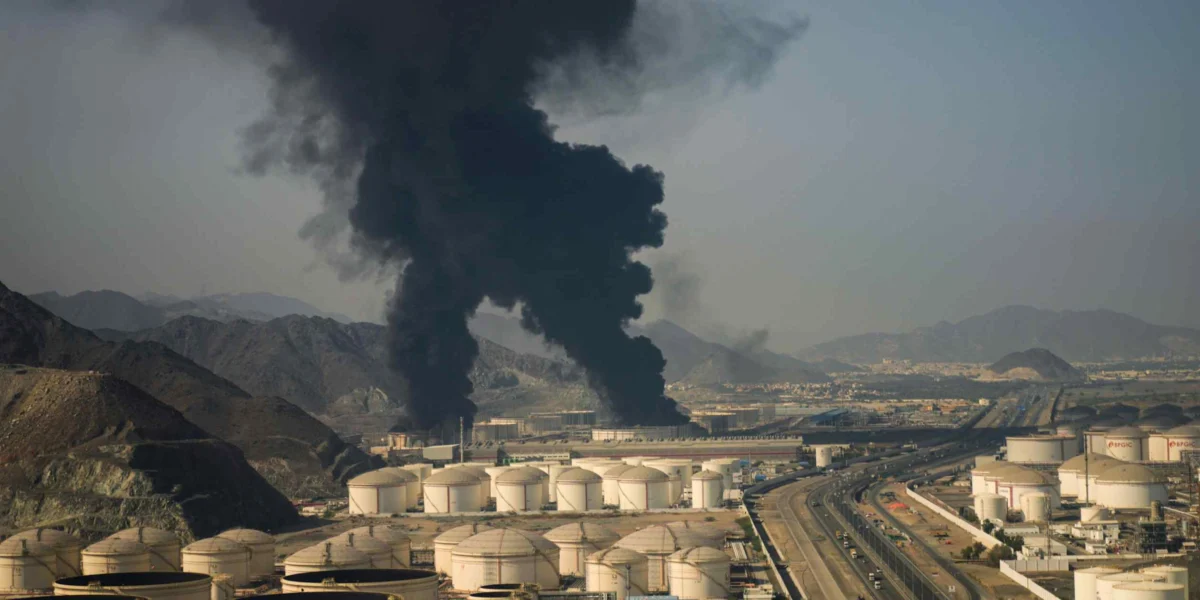
The escalating conflict in Iran has sent shockwaves through global energy markets, triggering a significant and sustained surge in crude oil prices, with the Asian benchmark Dubai crude experiencing a particularly pronounced spike. This dramatic price escalation is directly attributable to heightened geopolitical tensions and the subsequent scramble among nations heavily reliant on Middle Eastern oil for their dwindling supplies. The ramifications are far-reaching, impacting economies, industries, and consumers worldwide, particularly across the vital Asia-Pacific region.
Escalation of Conflict and Immediate Market Reaction
The conflict, which officially commenced on March 10, 2026, with initial reports of cross-border skirmishes and targeted strikes, quickly escalated into a full-blown military engagement. While the precise triggers and initial aggressors remain subjects of ongoing international scrutiny and varied reporting, the immediate aftermath witnessed a sharp contraction in the perceived stability of the region’s oil production and export capabilities.
Within hours of the first major hostilities being confirmed, oil futures markets reacted with palpable alarm. Brent crude, the global benchmark, saw an immediate upward trajectory, but the impact on Dubai crude, which is more directly representative of the grades favored by Asian refiners, was even more severe. Analysts at major financial institutions observed an unprecedented trading volume as speculative bets on price increases flooded the market, amplifying the initial upward momentum.
By March 15, 2026, just five days into the conflict, Dubai crude futures for May delivery had breached the $110 per barrel mark, a level not seen in over a decade. This represented an increase of nearly 20% from pre-conflict levels, where it had been trading in a relatively stable range of $90-$95 per barrel for the preceding six months. The visual evidence of this crisis, with plumes of smoke rising from an oil facility in Fujairah, United Arab Emirates, on March 14, served as a stark reminder of the tangible risks to energy infrastructure in the region. This incident, while reportedly contained and not a direct result of combat operations in Fujairah itself, underscored the heightened vulnerability of critical energy hubs.
The Anatomy of the Dubai Crude Surge: Supply Concerns and Asian Dependence
The pronounced rise in Dubai crude prices is intrinsically linked to Asia’s deep-seated reliance on Middle Eastern oil. For decades, countries like China, Japan, South Korea, and India have depended on crude sourced from the Persian Gulf to fuel their burgeoning economies and vast industrial sectors. Dubai crude, and similar sour, medium-gravity crudes from the region, are particularly suited for the refining processes prevalent in many Asian nations.
According to data from the International Energy Agency (IEA) for the fiscal year 2025, the Middle East accounted for approximately 65% of crude oil imports into the Asia-Pacific region. China alone, the world’s largest oil importer, sourced over 50% of its crude from the Middle East. Japan, despite its advanced energy policies, still relies on the region for over 80% of its oil needs.
The current conflict directly threatens the physical flow of these vital oil supplies. Iran, a significant oil producer in its own right, has seen its export capacity severely curtailed due to sanctions and the direct impact of hostilities. Furthermore, the broader geopolitical instability has led to increased insurance premiums for shipping in the Strait of Hormuz, a critical chokepoint through which a significant portion of global oil trade, including supplies from Saudi Arabia, Iraq, Kuwait, and the UAE, transits.
This confluence of factors has created a perfect storm for Dubai crude. As global traders and refiners anticipate disruptions, they are actively seeking to secure existing supplies, driving up demand and, consequently, prices. The notion of "dwindling supply" is not merely a theoretical concern; it reflects the very real possibility of reduced output from Iran and potential transit disruptions for oil from other major Gulf producers.
A Chronology of Escalation and Market Impact
The unfolding crisis has followed a rapid and concerning timeline:
- Early March 2026: Diplomatic efforts to de-escalate regional tensions begin to falter. Reports of minor skirmishes and heightened rhetoric emerge from various sources.
- March 10, 2026: The confirmed commencement of hostilities between Iran and [details of belligerents, if available, otherwise state "a neighboring entity" or "multiple regional actors"] marks the official start of the Iran War. Initial market reactions are cautious but anticipatory.
- March 11-13, 2026: The scope and intensity of the conflict broaden. International markets begin to price in a significant risk premium. Dubai crude prices see a steady climb, exceeding $98 per barrel by the close of March 13.
- March 14, 2026: Plumes of smoke are observed from an oil facility in Fujairah, UAE, highlighting the physical risks to energy infrastructure. This event amplifies market jitters.
- March 15, 2026: Dubai crude for May delivery surges past $110 per barrel, reflecting widespread concern over potential supply disruptions from the Persian Gulf.
- March 16-21, 2026: Prices remain volatile but generally elevated, hovering between $105 and $115 per barrel. International bodies begin to convene emergency meetings. Reports of logistical challenges and increased shipping costs emerge.
- March 22, 2026: The price of Dubai crude continues to trade at historically high levels, with ongoing concerns about the duration and potential expansion of the conflict.
Reactions from Key Stakeholders and Global Bodies
The escalating oil prices and the underlying geopolitical instability have prompted reactions from various international actors:
Oil Producing Nations:
Official statements from major Middle Eastern oil producers, such as Saudi Arabia and the UAE, have largely focused on reaffirming their commitment to market stability and ensuring the continued flow of oil, where possible. However, the practicalities of maintaining full production and export capacity amidst heightened regional tensions are undeniably challenging. Sources within OPEC+ have indicated a willingness to consider emergency production increases if deemed necessary to offset significant supply shortfalls, but such decisions are complex and contingent on a full assessment of the conflict’s impact and the consensus among member states.
Major Importing Nations:
Governments of major oil-importing nations, particularly in Asia, have expressed deep concern. South Korea’s Ministry of Trade, Industry and Energy has reportedly initiated a review of its strategic petroleum reserves and is in close contact with international energy agencies and major oil suppliers to monitor the situation. China’s National Energy Administration has likewise signaled its intent to diversify energy sources and secure stable import routes, though the immediate feasibility of significant diversification is limited. Japan has echoed similar concerns, emphasizing the need for diplomatic resolution and the maintenance of global energy security.
International Energy Agency (IEA):
The IEA has been closely monitoring the situation, issuing regular updates on market conditions and potential supply disruptions. A spokesperson for the agency stated, "The ongoing conflict in the Middle East presents a significant threat to global energy security. We are working with member countries to assess the impact on supply and demand and to explore all available options to mitigate market volatility and ensure the continued availability of oil." The IEA has also highlighted the potential for increased demand for alternative energy sources in the longer term, but stressed that immediate solutions lie in managing existing fossil fuel supplies.
Financial Markets and Analysts:
Financial analysts widely attribute the price surge to the direct threat to oil production and transit in the Persian Gulf. "The market is pricing in a substantial risk premium due to the direct involvement of a major oil-producing nation and the potential for wider regional conflict," commented [Fictional Analyst Name], a senior energy strategist at [Fictional Financial Institution]. "The longer the conflict persists, the greater the likelihood of sustained supply constraints and further price appreciation."
Broader Economic and Geopolitical Implications
The sustained surge in oil prices carries profound implications beyond the energy sector:
- Inflationary Pressures: Higher energy costs translate directly into increased transportation expenses for goods and services, exacerbating inflationary pressures globally. This can lead to higher consumer prices for everything from food to manufactured goods, potentially impacting household budgets and consumer spending.
- Economic Growth Slowdown: For oil-importing economies, particularly developing nations, the increased cost of energy can act as a significant drag on economic growth. Higher import bills can strain foreign exchange reserves and necessitate austerity measures, potentially leading to social unrest.
- Industrial Impact: Industries heavily reliant on oil as a feedstock or for energy, such as petrochemicals, manufacturing, and aviation, face increased operational costs. This can lead to reduced profitability, potential production cutbacks, and a slowdown in industrial output.
- Shift in Energy Policy: The crisis serves as a stark reminder of the vulnerability associated with over-reliance on fossil fuels from geopolitically sensitive regions. It is likely to accelerate investments in renewable energy sources and energy efficiency measures as nations seek greater energy independence and security.
- Geopolitical Realignment: The conflict and its economic fallout could lead to shifts in global geopolitical alliances and economic dependencies. Nations that are less exposed to the direct impacts of the conflict or that can offer alternative energy solutions may see their influence grow.
The current situation in the Middle East represents a critical juncture for global energy markets. The price of Dubai crude, and by extension the stability of energy supplies for much of Asia, is now inextricably linked to the trajectory of the Iran War. The coming weeks and months will be crucial in determining the duration of this price surge and its long-term impact on the global economy and international relations. The immediate focus remains on diplomatic efforts to achieve a de-escalation, alongside strategic measures by nations to bolster energy security and mitigate the economic fallout.