Ella Zulfa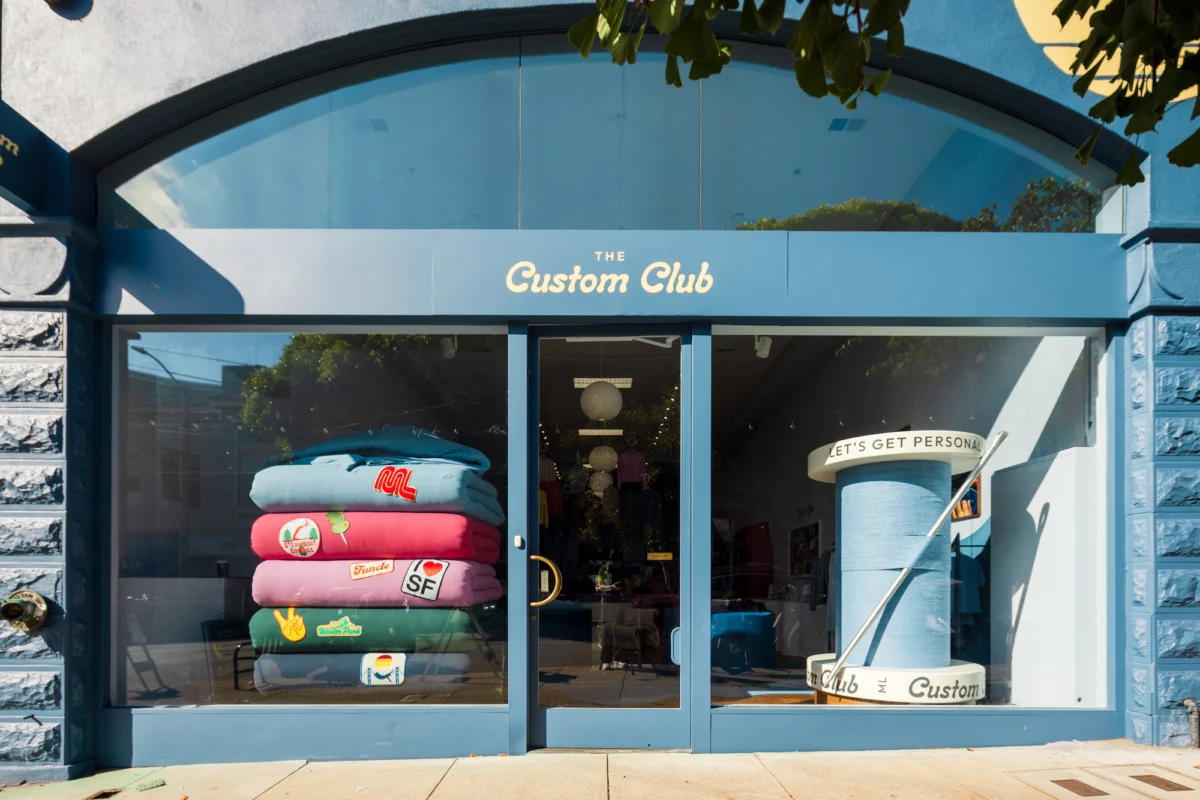
The seemingly insatiable allure of the endless digital scroll may be dimming, particularly for younger demographics. Emerging research indicates a significant shift in consumer behavior, with Gen Z and younger millennials increasingly seeking screen-free experiences and valuing tangible, personalized interactions. This trend is not only reshaping leisure activities but also profoundly influencing their shopping habits, prompting businesses to re-evaluate their strategies and lean into the power of experiential retail.
New research from Talker underscores this growing sentiment, revealing that younger generations are more inclined to schedule dedicated screen-free time in their daily routines. This deliberate disengagement from digital saturation is manifesting in a renewed interest in analog hobbies, often termed "granny core." Activities such as knitting, once associated with older generations, are being embraced by Gen Z as a therapeutic antidote to constant digital connectivity, as reported by NPR. This embrace of tactile, hands-on pursuits signals a broader desire for grounding and sensory engagement in an increasingly virtual world.
This inclination towards the tangible extends beyond leisure and into the realm of commerce. In an era where nearly every conceivable product is accessible with a few clicks or swipes, young consumers are exhibiting a surprising resurgence of old-school shopping preferences. Data from the financial technology platform Adyen reveals a compelling trend: over 70% of individuals aged 18 to 27 reported shopping in physical stores at least once a week. This figure notably surpasses the reported in-store shopping frequency of 65% among Baby Boomers. Furthermore, a significant 57% of Gen Z respondents view in-person shopping as an experience in itself, a stark contrast to the 35% of Baby Boomers who share this perspective. This data suggests that for younger consumers, brick-and-mortar retail is evolving from a transactional necessity to a form of immersive engagement and social interaction.
Recognizing this paradigm shift, businesses are strategically pivoting away from a singular focus on digital growth and are instead investing in the resurgence of traditional consumption models. However, the most forward-thinking companies are not simply replicating past retail paradigms; they are infusing them with a contemporary dynamism, culminating in the rise of experiential retail.
The Transformative Power of Experiential Retail
Experiential retail represents a fundamental reimagining of the physical store, transforming it from a mere point of transaction into a destination that offers memorable, engaging, and often highly shareable experiences. The core objective is to create an environment that draws consumers in, fosters a deeper connection with the brand, and provides a unique opportunity for self-expression. These experiences are frequently characterized by a customizable component, such as on-site embroidery, engraving, or unique product personalization. This hands-on interaction caters to the often-contradictory desires of modern consumers: a retreat from screen-based living, coupled with the creation of aesthetically pleasing content suitable for social media sharing.
The strategic implementation of in-store activations has proven to be a potent tool for enhancing brand awareness and cultivating customer loyalty. In many instances, the experience itself can become as significant, if not more so, than the product purchased. This approach leverages the inherent human need for connection, creativity, and tangible results, offering a refreshing alternative to the often impersonal nature of online shopping.
Marine Layer’s Innovative Pop-Ups: A Case Study in Experiential Success
The apparel brand Marine Layer, co-founded by Mike Natenshon and Adam Lynch, has recently provided a compelling demonstration of the efficacy of strategic experiential retail. Established in 2009 with the mission to create the perfect t-shirt, Marine Layer has already cultivated a strong presence in the brick-and-mortar landscape, boasting over 50 store locations across the United States and achieving $200 million in annual revenue in the previous year.
However, in the summer of 2025, the co-founders aimed to craft a distinct holiday shopping experience that transcended conventional retail. "We wanted to give people the opportunity to express their personality a little bit more," Natenshon stated. "We wanted to have a big color expression and an experience that’s temporary – something really special that people can go and check out." This vision led to the development of two innovative experiential pop-up concepts.
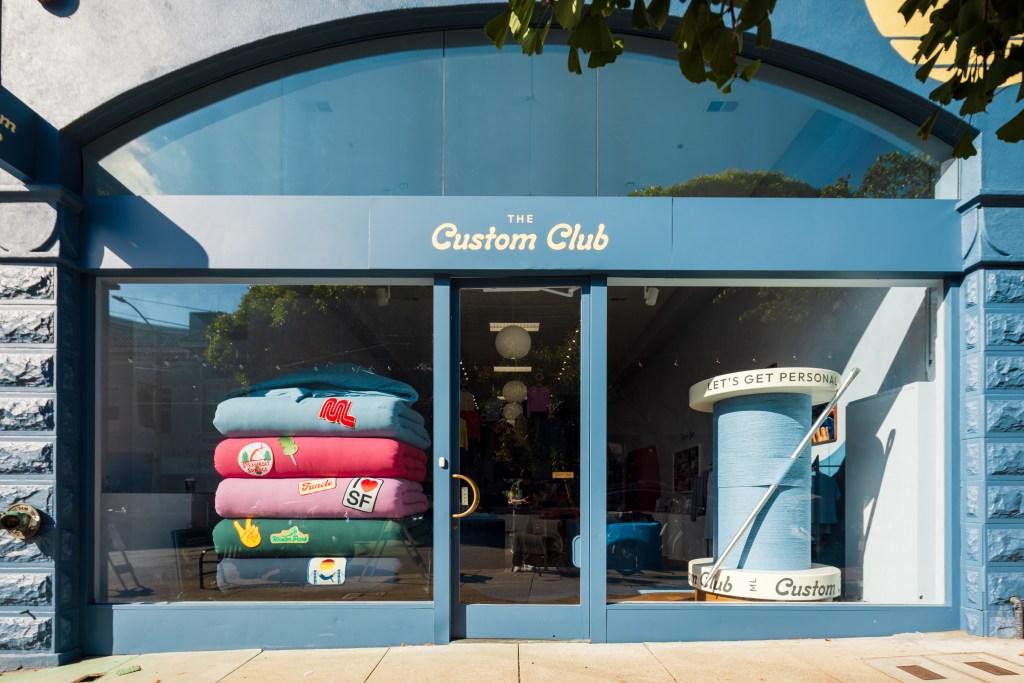
Curated Collections and Bespoke Creations: The Custom Club and Patch Bar
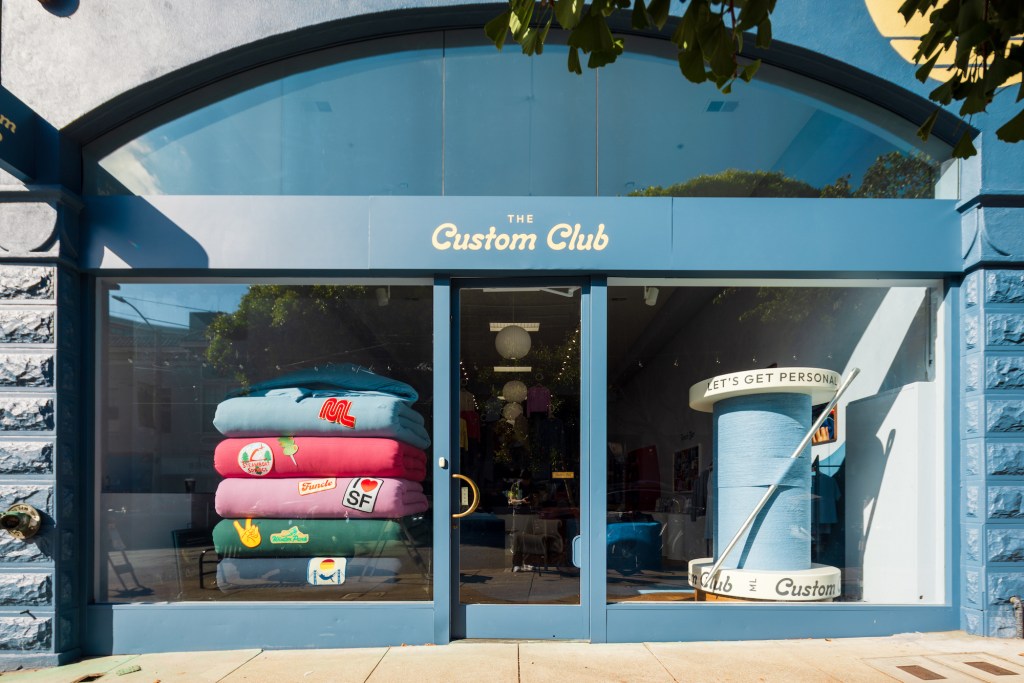
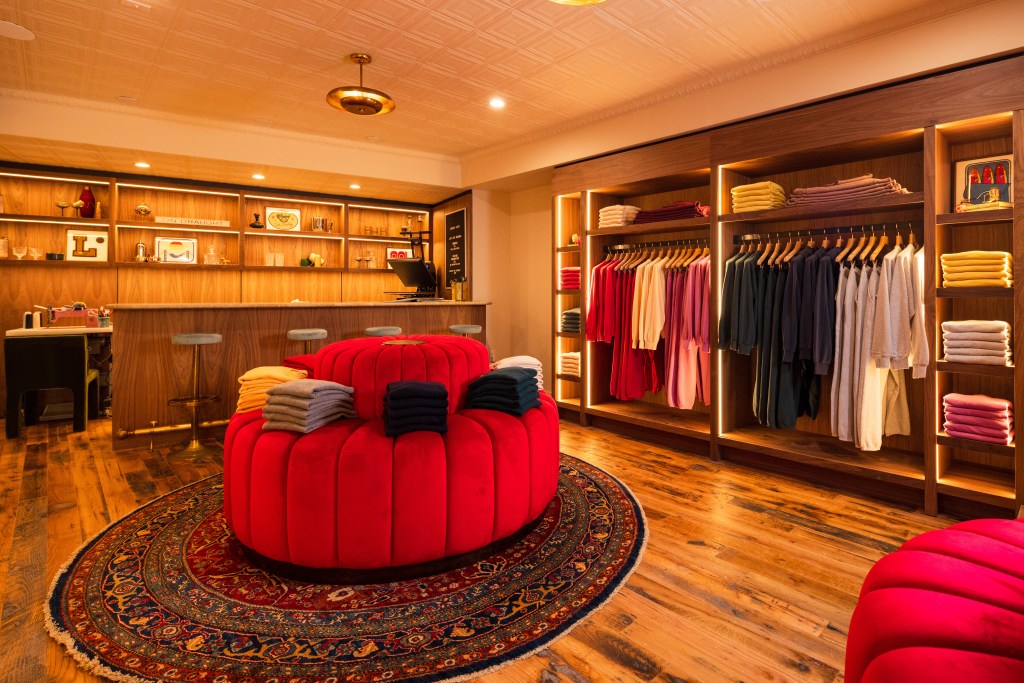
In October 2025, Marine Layer unveiled "The Custom Club" on Fillmore Street in San Francisco and "The Patch Bar" beneath its Nolita store in New York City. These pop-ups offered a curated selection of items, focusing on personalization through embroidery and patches. The Custom Club embraced a vibrant Californian aesthetic, featuring rounded edges and bright, inviting walls. The Patch Bar, in contrast, was designed as a reimagining of a 1930s speakeasy, infused with a distinct 1970s nostalgic ambiance.
The operational execution of these pop-ups presented unique challenges. "The team here [at Custom Club] and in Patch Bar had to stand up a completely crisp, brand-new operation," Lynch explained. "Everything is different from a standard Marine Layer store. [Down to] the way that people interact with the patches. We had to change the [customization] forms three times and figure out how that whole customer experience worked." This meticulous attention to detail in designing the customer journey was crucial to the success of the initiative.
The gamble paid off handsomely. The demand at both experiential locations was robust from the outset and continued to escalate. The Custom Club quickly became one of Marine Layer’s most frequented stores, generating significant social media buzz and consistent queues of customers eager to personalize their purchases. The overwhelming success of these pop-ups, originally intended to run through the holiday season, prompted their extension into early 2026, signaling their potential as a scalable concept for other Marine Layer locations.
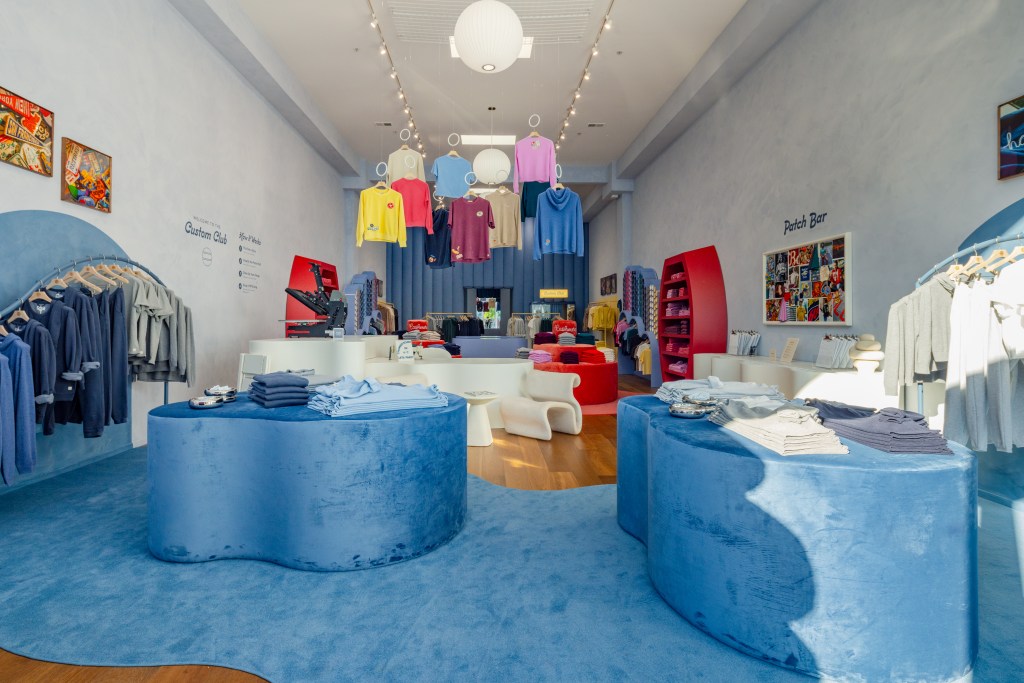
"Now we’re taking those learnings and having more fun with it," Natenshon remarked, "and coming up with different expressions each season. You never do something totally different perfectly right out of the gates. So this is the year we’re thinking about, How do we refine it, take something that’s good and make it really great." This iterative approach to innovation underscores Marine Layer’s commitment to continuously enhancing its customer engagement strategies.
Abbode: Forging a Brand Through Tangible Craftsmanship
Abigail Price, the founder of the New York City-based embroidery shop Abbode (co-owned by Daniel Kwak), exemplifies another successful application of experiential retail, where the customization component was not an addition to an existing brand but the very genesis of one. Price initially opened a home decor store in May 2021, capitalizing on the lower rents during the pandemic. Her venture into embroidery began serendipitously in early 2022 with the purchase of a $15,000 embroidery machine.
After a year of the machine remaining largely unused, Price invested in training her staff. The turning point arrived in March 2023 when she posted a TikTok video advertising complimentary embroidery with every purchase. This strategic move propelled Abbode into the spotlight. "People were responding, and because the vintage wasn’t working as much as it was in the beginning, we were like, Okay, let’s just go in this direction," Price recalled. "So it really was like a freak chance." This pivot towards on-demand personalization transformed the business model.
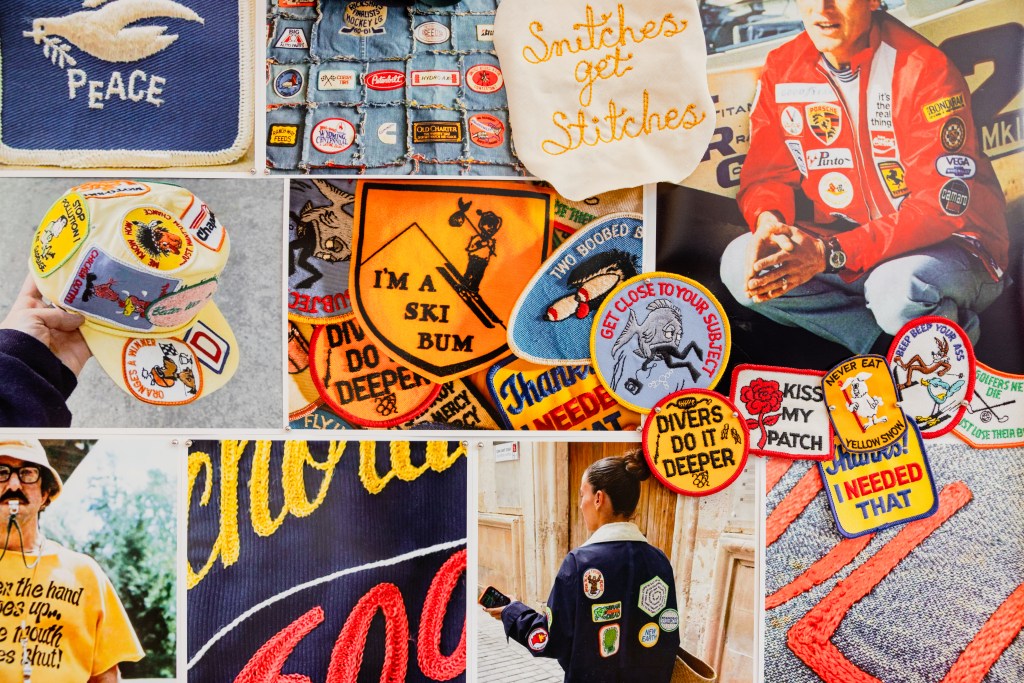
The Enduring Appeal of Tactile Personalization
Price observes that tangible elements, those that cannot be replicated by artificial intelligence, are currently capturing significant consumer attention. This trend resonates with the modern consumer’s appreciation for a contemporary twist on nostalgic experiences. Customers frequently share anecdotes of their childhoods, recalling L.L. Bean backpacks adorned with their initials or cherished embroidered items created by their grandmothers.
"Personalization [also feels] bigger than it’s ever been because people want to differentiate themselves," Price explained. "And it’s so hard to do that now with trend cycles and fast fashion. All of our pieces are pretty classic. It’s what you put on top of them, maybe, that’s the trendy thing, or maybe it’s something that really speaks to you – that makes it last forever." This sentiment highlights how personalization serves as a powerful tool for individuality and enduring product relevance in a fast-paced consumer landscape.
The Intricacies and Growth of the Customization Business
Abbode concluded 2025 with an impressive $4 million in annual sales, a testament to its ability to repeatedly go viral on social media, fostering a powerful compounding effect. Price notes that the increased visibility generated by customers sharing their in-store experiences has led to a consistent influx of new customers, inquiries, and valuable partnerships. The business has also attracted considerable interest for collaborations and pop-up events, leading to successful partnerships with prominent brands such as Charlotte Tilbury, The Ritz-Carlton, and L.L. Bean.
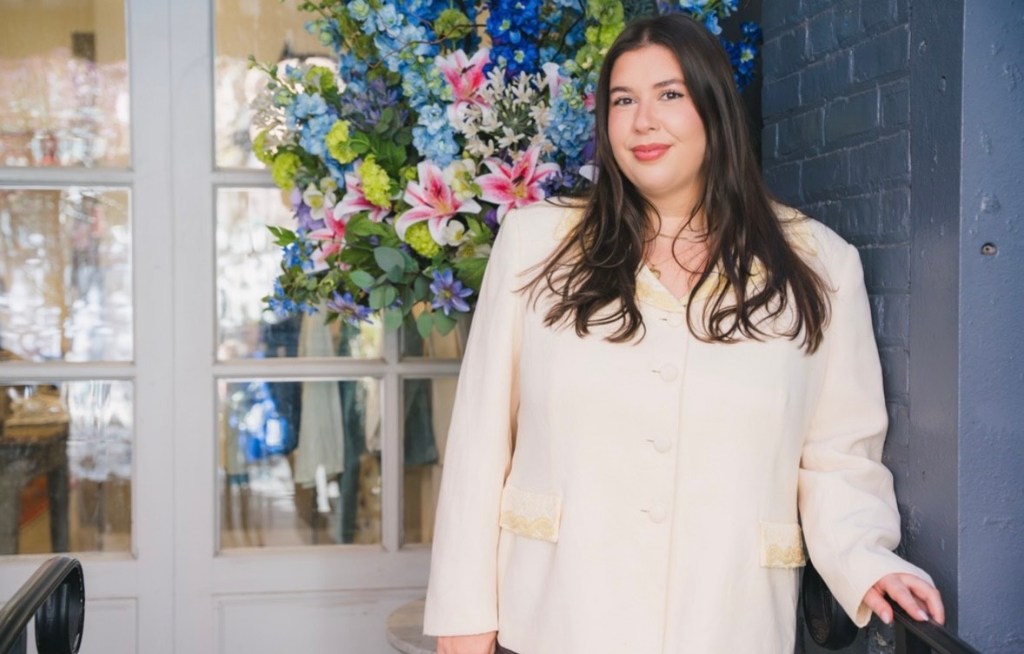
"The goal of this business is to bring customization to as many people that want it," Price stated. "But doing that has been really challenging. There’s a reason so many brands don’t offer customization like we do – because of how complex it is." The intricate nature of managing bespoke orders, ensuring quality control, and scaling production presents significant operational hurdles.
Despite these complexities, Price remains optimistic about the future of customization. "I know without a doubt that we will figure it out," she asserted. "It’s just going to take a little bit of time." Her confidence is rooted in the increasing consumer demand for unique, hands-on experiences that offer a departure from the norm.
As more consumers seek out products and services that feel bespoke, tangible, and genuinely worth leaving their homes for, brands like Marine Layer and Abbode are at the forefront of a retail revolution. They are proving that the next chapter of retail may not be a complete departure from the past, but rather an evolution that honors heritage while embracing the power of personalization and immersive experiences. This movement signifies a broader societal shift, where consumers are actively seeking authenticity, connection, and a sense of ownership in their purchasing journey, moving beyond the ephemeral allure of the digital world towards the enduring satisfaction of the tangible and the personal.