Evan Lee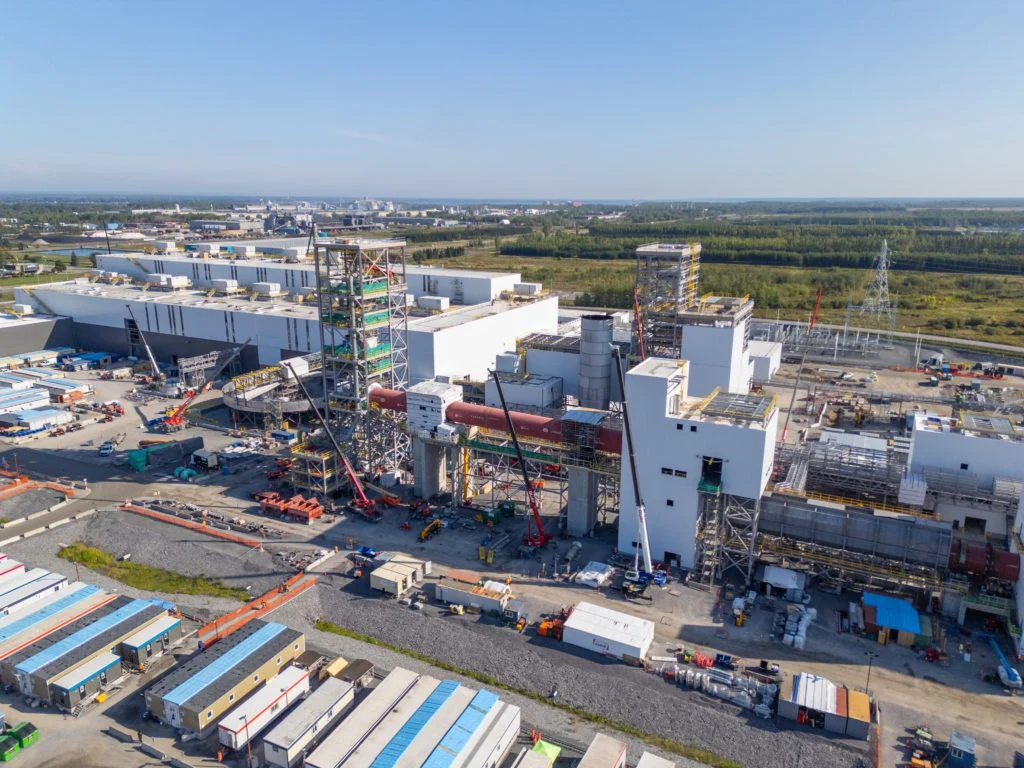
Rio Tinto is strategically adjusting the construction pace of its Nemaska lithium processing plant in Bécancour, Quebec, citing escalating costs as the primary driver for the decision. While the company will decelerate build activities in the coming months, allowing for extensive optimization work by the project team, it maintains that the projected timeline for production remains largely intact. This recalibration will lead to a reduction in the project’s contractual workforce.
The Australian mining giant announced its intention to slow construction in a statement released on Friday. This move comes shortly after Rio Tinto solidified its control over Nemaska Lithium, a pivotal step in its ambitious strategy to bolster its battery materials business. The Bécancour facility, a cornerstone of this expansion, is designed to be a high-capacity lithium hydroxide conversion plant, crucial for supplying the burgeoning electric vehicle (EV) and energy storage markets.
Strategic Optimization and Workforce Adjustments
In a detailed clarification provided to MINING.COM, Rio Tinto elaborated on the workforce changes. While the contractual workforce is slated to be reduced by approximately half, the company emphasized that several hundred workers will remain on-site to continue critical project tasks. This phased approach is intended to allow for a thorough review and refinement of construction processes and material procurement strategies, aiming to mitigate further cost overruns and enhance operational efficiency as the project progresses. The optimization phase is expected to be a period of intensive planning and engineering review, ensuring that the subsequent acceleration of construction is as cost-effective and timely as possible.
The Nemaska lithium project represents a significant investment for Rio Tinto, underscoring its commitment to diversifying its commodity portfolio and capitalizing on the global energy transition. The Bécancour plant, upon completion, is projected to boast an impressive annual production capacity of 32,000 tonnes of lithium hydroxide, a key component in the manufacturing of lithium-ion batteries. The facility is currently reported to be approximately 70% complete, signifying substantial progress despite the current construction slowdown.
A Deepening Commitment to Quebec’s Lithium Future
This strategic pause in construction follows a period of significant financial and operational commitment from Rio Tinto. In mid-February, the company increased its ownership stake in Nemaska Lithium to 53.9%, officially becoming the majority shareholder. This move was accompanied by a planned investment of $300 million into the Quebec-based lithium operation. The Quebec government, a long-standing partner and co-owner holding the remaining 46.1% stake, also pledged a substantial investment of $200 million, signaling a unified commitment to the project’s success and Quebec’s emergence as a critical hub for lithium production.
The Bécancour plant’s commissioning was initially scheduled for this year, with the first commercial production anticipated in 2028. While the current slowdown might raise concerns about delays, Rio Tinto has firmly stated its intention to maintain this production timeline. The company’s strategy involves pausing or deferring certain non-critical activities at the Bécancour site while ensuring that essential construction and preparation for future phases continue unabated. This selective approach aims to minimize any impact on the overall project schedule.
Timeline Intact: A Calculated Pause
Rio Tinto’s statement reiterated its unwavering dedication to the Bécancour project and to Quebec as a whole. The province is viewed as a cornerstone of the company’s global lithium growth strategy, benefiting from its rich mineral resources, skilled workforce, and supportive regulatory environment. The company views Quebec as a strategic advantage in securing a stable and responsible supply of lithium for the global market.
Earlier reports, citing a source familiar with the matter and reported by Bloomberg, had suggested that the full restart of construction activities at the lithium facility might be anticipated in 2027. While this aligns with the general timeframe, Rio Tinto’s official communication emphasizes that the current slowdown is an optimization phase rather than a definitive pause on all construction work. The company’s focus is on ensuring that when construction fully resumes its accelerated pace, it does so with maximum efficiency and cost-effectiveness.
The Integrated Nemaska Lithium Project: From Mine to Market
The Bécancour plant is an integral part of Nemaska Lithium’s larger, fully integrated spodumene-to-lithium project in Quebec. This ambitious endeavor is anchored by the Whabouchi deposit, located in the James Bay region of Quebec. The Whabouchi mine is planned as a 26-year operation, utilizing both open-pit and underground mining techniques to extract approximately 200,000 tonnes of spodumene concentrate annually. This concentrate serves as the primary feedstock for the Bécancour conversion plant.
Rio Tinto’s involvement in the Nemaska project was initiated through its acquisition of a company with existing interests in the project a year prior to its majority stake acquisition. Currently, the company is undertaking a critical review to determine the optimal spodumene supply strategy for the Bécancour facility. This evaluation includes comparing the Whabouchi deposit’s output with that of its own Galaxy hard rock lithium project, also situated in the James Bay region. This strategic assessment is crucial for ensuring the long-term viability and cost-competitiveness of the Bécancour operation.
The outcome of this supply strategy review is expected in the latter half of 2026. Speculation, as reported by Bloomberg, suggests that Rio Tinto may be leaning towards utilizing the Galaxy project as the primary source of spodumene for Bécancour. Such a decision would have significant implications for the development and operational plans of both the Whabouchi and Galaxy deposits, as well as the overall logistics and supply chain for Rio Tinto’s lithium business in Quebec.
Broader Market Implications and the Energy Transition
The global demand for lithium is projected to experience substantial growth in the coming decade, driven primarily by the exponential rise in electric vehicle sales and the expansion of renewable energy storage solutions. Governments and industries worldwide are actively seeking to secure stable and ethical sources of lithium to meet this escalating demand. Quebec, with its abundant lithium resources and commitment to sustainable mining practices, is strategically positioned to play a significant role in this global supply chain.
Rio Tinto’s investment in the Nemaska lithium project, despite the current construction adjustments, underscores the strategic importance of lithium to its future growth. By controlling both upstream mining operations and downstream processing facilities, Rio Tinto aims to create a vertically integrated lithium business that can offer a reliable and high-quality product to battery manufacturers. The successful development of the Bécancour plant will not only contribute to Rio Tinto’s financial performance but also support Quebec’s economic development through job creation and technological advancement in the critical minerals sector.
The company’s commitment to optimization and maintaining its production timeline signals a measured but determined approach. The lithium market is characterized by volatility, and strategic planning to navigate rising costs while ensuring long-term supply is paramount. Rio Tinto’s current actions reflect a pragmatic response to economic realities, aiming to deliver a world-class lithium operation that aligns with the evolving needs of the battery materials industry and contributes to the global transition to cleaner energy. The ongoing evaluation of supply sources and the continued investment by both Rio Tinto and the Quebec government demonstrate a robust belief in the long-term prospects of lithium and Quebec’s pivotal role in its future.