Lina Wu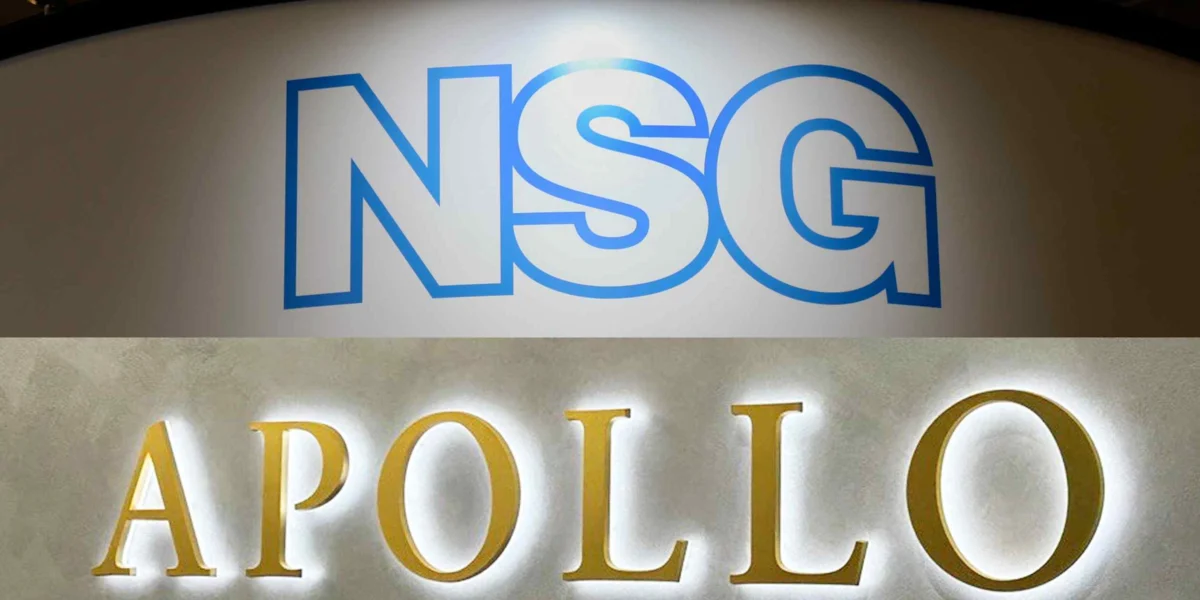
TOKYO – Nippon Sheet Glass (NSG), the Japanese glass manufacturer that embarked on a transformative, yet ultimately burdensome, acquisition of the UK’s Pilkington Group two decades ago, is reportedly in advanced discussions with U.S. private equity giant Apollo Global Management and its lenders to secure a substantial financial lifeline of approximately $1.9 billion. This significant capital injection is poised to facilitate the company’s delisting from the Tokyo Stock Exchange, signaling a profound shift in its corporate structure and strategic direction. The development, revealed by Nikkei, marks a pivotal moment for NSG, which has grappled with the immense debt accrued from the ambitious Pilkington deal for years.
The Pilkington Acquisition: A Strategic Bet with Lingering Consequences
The 2006 acquisition of Pilkington, a venerable British glass producer with a global footprint, was a landmark event for NSG. At the time, the deal was lauded as a strategic masterstroke, aimed at significantly expanding NSG’s market share, enhancing its technological capabilities, and solidifying its position as a leading global player in the architectural and automotive glass sectors. The acquisition propelled NSG into the top tier of global glass manufacturers, creating a combined entity with a formidable presence across Europe, North America, and Asia.
However, the integration proved to be far more challenging and costly than initially anticipated. The acquisition was financed through a significant amount of debt, which placed a considerable financial strain on NSG’s balance sheet. Over the subsequent years, the company has faced persistent difficulties in servicing this debt, compounded by fluctuating global economic conditions, intense competition, and evolving industry demands. The weight of this debt has acted as a significant impediment to NSG’s growth and strategic flexibility, diverting resources that could have been channeled into research and development, capital expenditures, or shareholder returns.
Apollo’s Intervention: A Strategic Move to Stabilize and Restructure
The reported involvement of Apollo Global Management, a renowned private equity firm with a track record of investing in and restructuring underperforming companies, suggests a strategic intervention aimed at alleviating NSG’s debt burden and ushering in a new era of financial stability. The $1.9 billion in financial support is expected to be structured in a manner that allows NSG to significantly deleverage its balance sheet, thereby reducing interest expenses and improving its overall financial health.
For Apollo, this potential acquisition represents an opportunity to acquire a substantial industrial asset with established market positions and a global operational network. Private equity firms often seek to acquire companies at a valuation that reflects their current challenges, with the intention of implementing operational improvements, financial restructuring, and strategic repositioning to enhance profitability and ultimately achieve a profitable exit through a sale or initial public offering.
The delisting from the Tokyo Stock Exchange is a common consequence of such large-scale private equity transactions. Once a company is taken private, the regulatory and reporting requirements associated with public trading are no longer necessary. This allows management, under the guidance of the private equity owner, to focus on implementing long-term strategic initiatives without the short-term pressures and scrutiny of public markets. It also often facilitates more decisive decision-making and the implementation of potentially unpopular but necessary restructuring measures.
Timeline of Events and Key Developments
While the specific details of the negotiations are confidential, the timeline leading to this potential transaction can be inferred from NSG’s financial history and public disclosures:
- 2006: Nippon Sheet Glass completes the acquisition of Pilkington Group for approximately £2.0 billion (around $3.7 billion at the time). This marks the beginning of a period of significant debt accumulation for NSG.
- 2007-2015: NSG navigates through the global financial crisis and subsequent economic downturn, facing challenges in managing its debt obligations. The company undertakes various cost-cutting measures and operational optimizations.
- 2016: NSG celebrates the 10th anniversary of the Pilkington acquisition, but the financial legacy of the deal continues to be a significant factor in its performance.
- 2017-2023: The company continues to focus on debt reduction and operational efficiency. Reports of potential strategic reviews and asset sales may have emerged during this period as NSG sought to strengthen its financial position.
- Late 2023 – Early 2024: As economic conditions begin to stabilize, and with a renewed focus on corporate restructuring, discussions with potential financial partners, including private equity firms, likely intensify.
- Early 2025: Confidential negotiations with Apollo Global Management gain momentum, focusing on the terms of a financial support package and a potential takeover.
- March 2026: Nikkei reports that NSG is in talks with Apollo and its lenders for financial support totaling $1.9 billion and plans to delist from the Tokyo Stock Exchange. This indicates that discussions have reached a critical stage, with a deal potentially imminent.
Supporting Data and Financial Context
To understand the magnitude of NSG’s financial challenges, examining its balance sheet and debt servicing costs would be crucial. While specific figures for the $1.9 billion support are not yet publicly detailed, historical data provides context:
- Debt-to-Equity Ratio: A high debt-to-equity ratio would indicate a significant reliance on borrowed funds, a characteristic often associated with companies burdened by large acquisition debt.
- Interest Expenses: A substantial portion of NSG’s operating income would likely have been allocated to servicing interest payments on its debt, impacting profitability and cash flow available for investment.
- Credit Ratings: NSG’s credit ratings, if available, would offer insights into its financial risk profile as perceived by credit rating agencies. A lower credit rating would typically translate to higher borrowing costs.
- Revenue and Profitability Trends: Analyzing NSG’s revenue growth and net profit margins over the past decade would reveal the extent to which the debt burden has impacted its operational performance and its ability to generate sufficient profits to repay its obligations.
The $1.9 billion in financial support from Apollo and lenders is a significant sum, likely designed to address both existing debt and provide working capital for ongoing operations and strategic initiatives under new ownership. This injection of capital suggests a comprehensive restructuring plan that goes beyond mere debt refinancing.
Potential Reactions and Stakeholder Perspectives
While official statements from NSG and Apollo Global Management are pending, the news is likely to elicit a range of reactions from various stakeholders:
- Nippon Sheet Glass Management and Employees: The management team may view this as an opportunity to escape the constraints of public market scrutiny and financial limitations, allowing for a more focused approach to business operations and long-term strategy. Employees might experience uncertainty regarding potential restructuring and job security, but also potential benefits from a financially healthier company.
- Shareholders: Existing shareholders would likely be awaiting details of the delisting offer, which would typically involve a premium over the current market price. The terms of the buyout will be critical in determining the financial outcome for investors.
- Lenders: Banks and other financial institutions that have provided loans to NSG would be closely involved in the restructuring process. The $1.9 billion package likely involves a refinancing or restructuring of existing debt, ensuring the continued viability of their investments.
- Competitors: Rival glass manufacturers may view this development with interest, observing how the restructuring under Apollo might impact NSG’s competitive positioning in the global market.
- Industry Analysts: Analysts will be scrutinizing the deal to assess its long-term implications for the glass industry, including potential shifts in market dynamics, technological innovation, and M&A activity.
Broader Impact and Implications
The potential takeover of NSG by Apollo Global Management and its subsequent delisting carry significant implications for the company and the broader industrial landscape:
- Operational Transformation: Under Apollo’s ownership, NSG is likely to undergo a period of significant operational and strategic transformation. This could involve streamlining operations, divesting non-core assets, investing in new technologies, and potentially pursuing growth through strategic acquisitions.
- Financial Rejuvenation: The primary objective of this transaction is to relieve NSG of its debt burden. A stronger financial footing will enable the company to invest in future growth, enhance its competitiveness, and potentially improve its profitability.
- Shifts in Corporate Governance: The transition from a publicly traded company to a privately held entity will alter NSG’s corporate governance structure. Decision-making may become more centralized and focused on long-term value creation, as is characteristic of private equity-backed firms.
- Impact on the Global Glass Market: As a major player in the architectural and automotive glass sectors, any significant changes in NSG’s strategy or operational capacity under new ownership could influence market dynamics, pricing, and innovation across the industry. The automotive sector, in particular, is undergoing rapid transformation with the rise of electric vehicles and autonomous driving, requiring significant investment in new glass technologies, which a financially revitalized NSG might be better positioned to pursue.
- Investment Landscape: This deal underscores the continued appetite of private equity firms for large industrial assets, particularly those with potential for turnaround and value creation through financial and operational restructuring. It also highlights the ongoing challenges faced by companies that have undertaken significant debt-financed acquisitions.
The coming weeks and months will be crucial as negotiations progress and further details emerge regarding the terms of the financial support and the proposed delisting. The outcome of these discussions will undoubtedly shape the future trajectory of Nippon Sheet Glass, a company whose journey from a national champion to a global contender has been marked by both ambition and considerable financial headwinds. The intervention by Apollo Global Management signals a determined effort to rewrite that narrative and chart a path towards renewed financial strength and strategic clarity.