Reynand Wu
The New Zealand Dollar (NZD) experienced a significant upward trajectory on Monday, with the NZD/USD pair trading around 0.5850 at the time of writing, marking a substantial gain of 1.42% on the day. This rebound follows several days of decline, signaling a notable shift in market sentiment driven by a confluence of improving global risk appetite and specific macroeconomic factors highly favorable to the Kiwi currency. The currency’s impressive performance today positions it as one of the strongest performers against the US Dollar, according to inter-market analyses, underscoring a broader recalibration of investor focus towards growth-oriented assets and away from traditional safe havens.
The Kiwi’s Resurgence: A Deeper Dive into NZD/USD Dynamics
The pronounced rally in NZD/USD reflects a complex interplay of international and domestic economic forces. After a period where the pair faced downward pressure, largely due to a strengthening US Dollar driven by robust US economic data and persistent inflation concerns, Monday’s surge marks a significant inflection point. The 1.42% rise is not merely a technical correction but appears fundamentally underpinned by a renewed optimism regarding global economic health and a specific brightening of prospects for New Zealand’s key trading relationships. The New Zealand Dollar, often characterized as a "risk-on" currency, tends to perform well when global investors are willing to take on more risk, moving capital into assets perceived to have higher growth potential. This environment, contrasted with "risk-off" periods where safe-haven assets like the US Dollar are preferred, is precisely what appears to be unfolding. The daily trading range and volume observed during this upward movement further suggest a conviction among market participants, moving beyond speculative short-term trading to potentially price in more enduring trends.
China’s Economic Revival: A Lifeline for New Zealand Exports
A primary catalyst for the New Zealand Dollar’s strength today originates from unexpectedly robust economic data out of China, New Zealand’s single most important trading partner. Data released by the National Bureau of Statistics (NBS) painted a decidedly optimistic picture of the Chinese economy’s health, significantly exceeding market expectations. Retail Sales, a crucial indicator of consumer demand and economic vitality, increased by an impressive 2.8% year-on-year (YoY) in February. This figure not only surpassed analysts’ consensus forecast of 2.5% but also marked a significant improvement from the previous reading of 0.9%, indicating a clear acceleration in consumer spending. Simultaneously, Industrial Production, a gauge of manufacturing and mining output, demonstrated strong growth, rising by 6.3% annually. This too outperformed forecasts of 5.1%, suggesting a resilient and expanding industrial sector.
The significance of these figures for New Zealand cannot be overstated. China accounts for a substantial portion of New Zealand’s exports, including dairy products, meat, wood, and increasingly, tourism and education services. Stronger economic activity in China directly translates into increased demand for these New Zealand-origin goods and services. For instance, a rise in Chinese consumer spending (as indicated by retail sales) often correlates with higher demand for premium food products like New Zealand dairy and meat. Similarly, robust industrial production can boost demand for raw materials and processed goods. This direct economic linkage means that China’s prosperity is inextricably tied to New Zealand’s export performance and, by extension, its overall economic stability. Economists at leading financial institutions have been quick to highlight that these robust figures from Beijing offer a much-needed boost to global growth prospects, particularly for commodity-exporting nations like New Zealand, potentially alleviating concerns about a prolonged slowdown in the world’s second-largest economy. The positive spillover effect is not just theoretical; it translates into tangible benefits for New Zealand’s balance of payments and contributes to a more optimistic outlook for its domestic economy.
RBNZ’s Hawkish Stance: Fueling Rate Hike Expectations
Beyond external drivers, the New Zealand Dollar is also benefiting from domestic monetary policy expectations. Markets continue to price in a possible tightening of monetary policy by the Reserve Bank of New Zealand (RBNZ) later this year. The prevailing sentiment among investors suggests a high probability, with some scenarios already incorporating a 25-basis-point rate hike around September, and a meaningful probability of another increase by the end of the year. This contrasts with many other developed nations’ central banks, where the focus has largely shifted towards the timing and magnitude of potential rate cuts.
The RBNZ has maintained a relatively hawkish stance, even as some other central banks begin to signal a pivot. The current Official Cash Rate (OCR) in New Zealand stands at 5.50%, having been aggressively raised in a series of hikes over the past two years to combat persistent inflation. The RBNZ’s commitment to bringing inflation back within its target band of 1-3% remains firm, even if it entails maintaining higher interest rates for longer or, as markets now anticipate, potentially implementing further hikes. Factors contributing to these hawkish expectations include still-elevated domestic inflation, a tight labor market characterized by low unemployment and wage growth, and robust domestic demand that could fuel inflationary pressures. Higher interest rates typically attract foreign capital seeking better returns, thereby increasing demand for the domestic currency. This expectation of a potentially more restrictive RBNZ policy, especially when juxtaposed with the softening stance of other major central banks, creates a favorable interest rate differential that supports the NZD.
The Retreat of the Greenback: A Broader Market Shift
While the New Zealand Dollar’s ascent is largely driven by its own specific catalysts, the concurrent weakening of the US Dollar (USD) against most of its major peers provides an additional tailwind. The US Dollar Index (DXY), which measures the Greenback’s value against a basket of six major currencies, pulled back from its recent highs and slipped back below the psychologically significant 100 level. This broad-based softening of the US currency is a critical component of the NZD/USD rally.
The primary driver behind the US Dollar’s softer tone is the improvement in overall market sentiment. The USD typically functions as a global safe-haven asset, meaning investors flock to it during periods of heightened uncertainty or risk aversion. Conversely, when global economic prospects appear brighter and geopolitical risks recede, investors tend to divest from safe-haven assets and reallocate capital towards higher-yielding or growth-sensitive currencies, such as the New Zealand Dollar. This rotation out of the US Dollar amplifies the gains seen in currencies like the NZD. Prior to this shift, the US Dollar had enjoyed a period of strength, bolstered by the Federal Reserve’s aggressive rate hike cycle, robust US economic performance defying recession fears, and various geopolitical uncertainties that kept demand for safe assets elevated. The current pullback suggests a significant change in this dynamic, indicating that the market’s perception of global risk has diminished, making the US Dollar less attractive as a primary store of value.
Easing Geopolitical Tensions: A Catalyst for Risk Appetite
A significant factor contributing to the improvement in global risk appetite is the perceived easing of geopolitical tensions, particularly those related to the Middle East. For several months, the region has been a source of considerable global concern, with attacks on shipping in the Red Sea and broader instability threatening vital trade routes and energy supplies. These tensions had previously fueled uncertainty, driving up oil prices and encouraging a flight to safety among investors.
Recent reports suggest that the United States may announce the creation of an international coalition aimed at escorting ships through the Strait of Hormuz. This strategic waterway is one of the world’s most critical chokepoints for global energy flows, with a significant portion of the world’s seaborne oil passing through it daily. Any disruption to traffic in the Strait of Hormuz has immediate and severe implications for global energy markets and the broader economy. A concerted international effort to secure these shipping lanes would be a powerful signal of de-escalation and a commitment to maintaining the unimpeded flow of global trade and energy. Such a move would directly address concerns about supply disruptions, reduce volatility in energy prices, and inject a sense of stability into global markets. Geopolitical analysts note that while the situation remains fluid, any concrete steps towards securing vital shipping lanes are immediately viewed positively by global markets, reducing systemic risk and encouraging a more optimistic outlook for global economic stability. This reduction in geopolitical uncertainty directly contributes to the "risk-on" environment benefiting currencies like the NZD.
The Federal Reserve’s Shadow: Awaiting Policy Direction
Despite the prevailing optimism and improving risk sentiment, investors nevertheless remain cautious, particularly ahead of the next monetary policy decision from the Federal Reserve (Fed). While the immediate focus is on global risk appetite and specific regional economic data, the Fed’s future trajectory continues to cast a significant shadow over global financial markets, including the relative strength of the US Dollar.
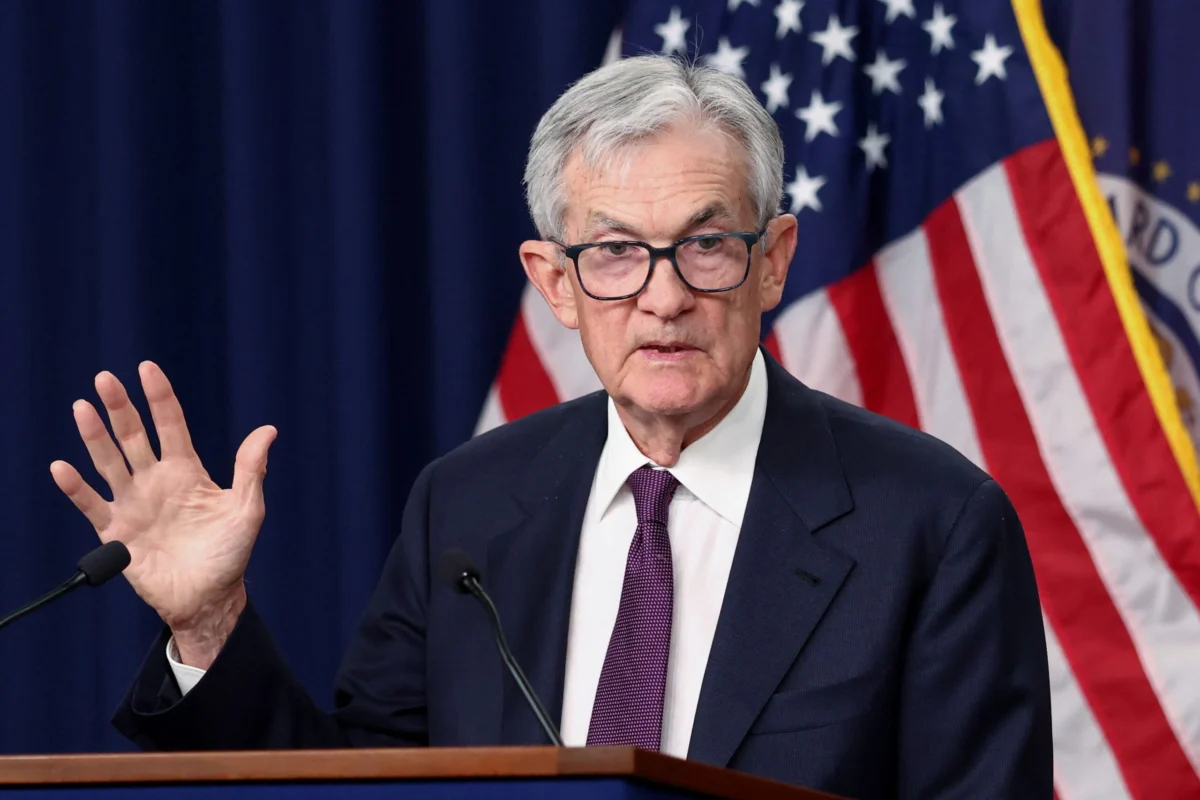
Markets are in a continuous state of adjustment regarding their expectations for interest rate cuts from the Federal Reserve in the months ahead. Earlier in the year, there were aggressive bets on multiple, significant rate cuts by the Fed starting relatively early in the year. However, persistent inflation, particularly in services, and a resilient US labor market have led the Fed to maintain a more cautious stance, signaling that it is not in a hurry to cut rates. This has prompted markets to recalibrate, pushing back the expected timing and reducing the anticipated magnitude of rate cuts. The upcoming Federal Open Market Committee (FOMC) meeting will be closely scrutinized for any new signals from Fed officials, including updated economic projections and the "dot plot" which outlines individual policymakers’ interest rate forecasts. Chair Jerome Powell’s statements during the post-meeting press conference will be critical in shaping market expectations. A Fed that delays rate cuts or signals a more conservative approach to easing monetary policy could still offer some underlying support to the US Dollar, even amidst improving global risk sentiment, creating a potential headwind for further significant NZD/USD gains if the sentiment around Fed policy shifts. The balancing act between global risk appetite and the relative hawkishness or dovishness of major central banks like the Fed will continue to define currency movements.
The Interconnected Global Economy: Broader Implications
The current surge in NZD/USD serves as a potent reminder of the interconnected nature of the global economy. The robust economic performance in China, a manufacturing powerhouse and a colossal consumer market, directly translates into economic benefits for commodity-exporting nations like New Zealand. This flow of trade and capital is further influenced by the nuanced dance of monetary policy expectations from central banks across the globe, including the RBNZ and the Federal Reserve.
Moreover, the fragile balance of geopolitical stability, particularly in critical energy transit regions, plays an outsized role in shaping investor confidence and risk appetite. When these diverse elements align positively, as they appear to have on Monday, the impact on currency markets can be swift and substantial. For New Zealand, a sustained period of Chinese economic strength, coupled with a proactive RBNZ, could foster a more robust domestic economic environment, potentially leading to increased investment and further appreciation of the Kiwi. Conversely, any reversal in these trends – a slowdown in China, a more dovish RBNZ, or a resurgence of global tensions – could quickly temper the NZD’s recent gains. The ongoing narrative of global trade, commodity demand, and the delicate calibration of monetary policy will continue to be pivotal in determining the long-term trajectory of the NZD/USD pair and the broader financial landscape.