Lina Wu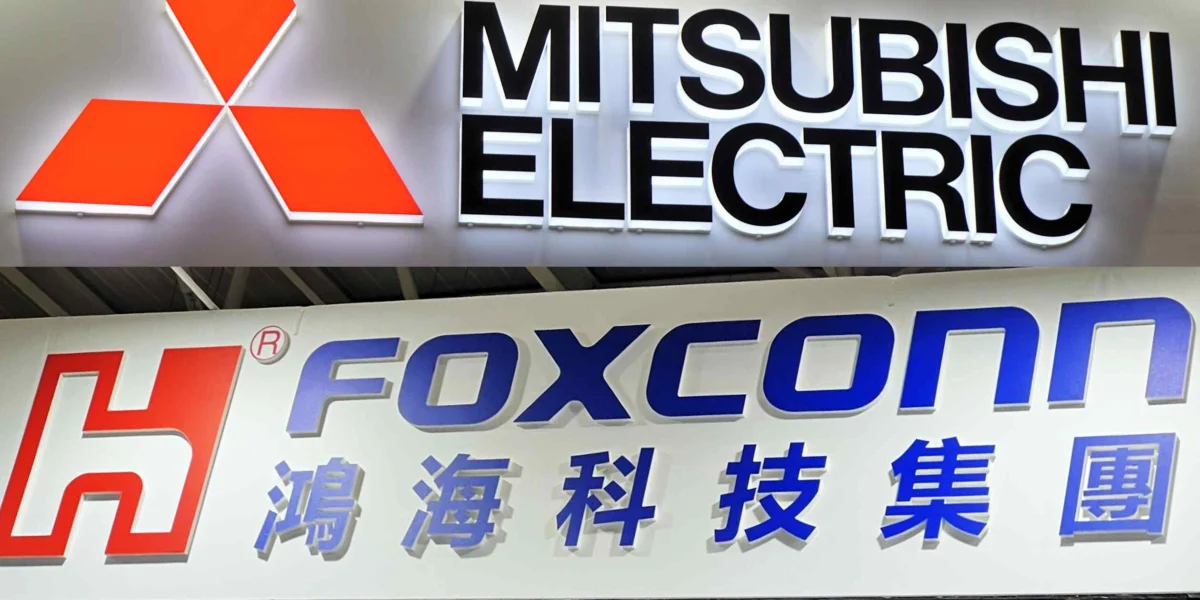
TOKYO – Mitsubishi Electric has officially announced its strategic decision to accept a significant investment from Taiwan’s Hon Hai Precision Industry, commonly known as Foxconn, into its automotive parts subsidiary. This landmark move, confirmed by sources close to the matter and anticipated by industry analysts, signals a profound shift in Mitsubishi Electric’s approach to navigating the increasingly competitive global automotive supply chain. The primary objective behind this alliance is to leverage Foxconn’s renowned price competitiveness and manufacturing prowess to enhance the subsidiary’s market position and accelerate its growth trajectory.
Strategic Alliance Formed to Counter Market Pressures
The agreement marks a departure from Mitsubishi Electric’s previous strategy of competing independently in the fiercely contested automotive components sector. Faced with escalating R&D costs, the rapid evolution of automotive technology, particularly in electrification and autonomous driving, and the relentless pressure for cost efficiency from global automakers, the Japanese conglomerate has opted for a symbiotic partnership. Foxconn, a titan in electronics manufacturing with a burgeoning interest in the automotive industry, particularly through its electric vehicle ventures, brings unparalleled scale and a deeply ingrained culture of cost optimization.
This collaboration is not merely a financial transaction; it represents a strategic reorientation for Mitsubishi Electric’s automotive division. By integrating Foxconn’s operational expertise, the company aims to streamline production processes, optimize supply chain management, and ultimately deliver more cost-effective solutions to its automotive clients. The partnership is expected to inject new capital, technological insights, and manufacturing agility into Mitsubishi Electric’s existing automotive parts operations, which have historically been characterized by high quality and reliability but have faced challenges in matching the aggressive pricing strategies of some global competitors.
A Timeline of Evolving Automotive Landscapes and Strategic Responses
The roots of this strategic alignment can be traced back to the evolving dynamics of the automotive industry over the past decade. The global automotive market has undergone a seismic transformation, driven by several key factors:
- The Electrification Revolution: The accelerating shift towards electric vehicles (EVs) necessitates substantial investments in battery technology, electric powertrains, and charging infrastructure. This requires component suppliers to adapt rapidly, often with significant upfront capital expenditure for new production lines and research.
- The Rise of Autonomous Driving: The development and implementation of advanced driver-assistance systems (ADAS) and fully autonomous driving capabilities demand sophisticated electronic components, sensors, software, and integrated systems. The complexity and cost of these technologies place immense pressure on suppliers.
- Global Supply Chain Volatility: Recent global events, including pandemics and geopolitical tensions, have exposed the fragility of traditional supply chains. Automakers are increasingly demanding greater resilience, diversification, and cost control from their suppliers.
- Intensified Competition: The automotive parts market is crowded, with established players, new entrants, and technology companies vying for market share. Price competitiveness has become a critical differentiator, especially as automakers strive to control the cost of vehicles for consumers.
Mitsubishi Electric, a long-standing and respected name in the automotive supply sector, has been instrumental in providing a wide array of components, from power electronics and electric motors to control units and sensors. However, the pace of technological change and the economic pressures have necessitated a re-evaluation of its long-term strategy. The company has likely recognized that continued solo competition, while maintaining its high standards, might limit its ability to capture market share in an era where volume and cost efficiency are paramount.
Foxconn, on the other hand, has aggressively expanded its footprint beyond its traditional consumer electronics manufacturing base. Recognizing the immense growth potential of the automotive sector, particularly in EVs, the Taiwanese giant has been actively forging partnerships and investing in automotive technology. Its acquisition of a stake in Sharp, a display and electronics manufacturer, and its own EV development projects, such as the Foxtron platform, underscore its commitment to becoming a significant player in the automotive ecosystem. This strategic investment in Mitsubishi Electric’s automotive unit represents a natural progression of Foxconn’s automotive ambitions, allowing it to gain a deeper foothold in established automotive component supply through a reputable partner.
Supporting Data: The Competitive Landscape of Automotive Components
The automotive component industry is a multi-trillion-dollar global market. According to various industry reports, the market for automotive parts and components is projected to grow at a compound annual growth rate (CAGR) of approximately 5-7% in the coming years. However, this growth is unevenly distributed.
- Electrification Spending: Global spending on EV components, including batteries, electric motors, and power electronics, is expected to surge. Analysts predict that the market for EV batteries alone could reach hundreds of billions of dollars by the end of the decade. This necessitates massive scaling of production and significant cost reductions.
- ADAS Market Growth: The ADAS market is also experiencing rapid expansion, driven by regulatory mandates and consumer demand for safety features. The market for ADAS sensors, processors, and software is projected to grow significantly, requiring suppliers to invest heavily in advanced technologies.
- Price Sensitivity: Automakers are under immense pressure to reduce the overall cost of vehicles, especially as they introduce new technologies like EVs and autonomous systems. This pressure trickles down to component suppliers, who must find ways to optimize their production costs without compromising quality. For instance, the cost of EV batteries, a major component of an electric vehicle, has seen a steady decline due to manufacturing efficiencies and economies of scale, but further reductions are sought by automakers.
Mitsubishi Electric’s automotive division, while strong in its technological capabilities, has likely faced challenges in competing on sheer volume and cost against manufacturers with the scale and operational model of Foxconn. Foxconn’s ability to produce millions of units of electronics at highly competitive price points, honed through its extensive experience with global tech giants, is a significant advantage.
Potential Implications and Strategic Analysis
The implications of this merger are far-reaching for both Mitsubishi Electric and the broader automotive industry:
- Enhanced Competitiveness for Mitsubishi Electric: The partnership is expected to significantly bolster the competitiveness of Mitsubishi Electric’s automotive parts business. By gaining access to Foxconn’s manufacturing scale, supply chain efficiencies, and potentially lower material costs, the subsidiary can offer more competitive pricing to automakers. This could lead to increased market share and new contract wins.
- Accelerated Innovation in EVs and Autonomous Driving: Foxconn’s investment could provide the necessary capital and operational support for Mitsubishi Electric to accelerate its R&D and production of advanced components for EVs and autonomous vehicles. This could include next-generation battery management systems, advanced power semiconductors, and integrated sensor modules.
- Foxconn’s Deepening Automotive Integration: For Foxconn, this alliance is a strategic move to solidify its position in the automotive supply chain. It allows the company to gain valuable experience and market access in a sector where it aims to become a major player, potentially complementing its own EV manufacturing ambitions.
- Impact on Competitors: Other automotive component suppliers will likely face increased pressure to innovate and optimize their cost structures. The partnership between a traditional Japanese manufacturer and a global manufacturing powerhouse could redefine competitive benchmarks in the industry.
- Supply Chain Resilience: The combined strengths of Mitsubishi Electric and Foxconn could lead to a more robust and resilient supply chain for key automotive components, benefiting automakers facing ongoing global disruptions.
Official Responses and Industry Reactions (Inferred)
While specific official statements beyond the initial confirmation are likely to emerge, industry analysts anticipate a cautious but optimistic reception.
Mitsubishi Electric, in its official statements, would likely emphasize the synergistic benefits of the partnership, highlighting how the collaboration will enable them to better serve their automotive clients in a rapidly evolving market. They would likely stress the preservation of their core values of quality and innovation, augmented by Foxconn’s operational strengths.
Foxconn, on the other hand, would likely articulate its commitment to the automotive sector’s future and its role in enabling the transition to electric and autonomous mobility. Their statements would probably focus on their expertise in scaling production and driving cost efficiencies, contributing to the accessibility of advanced automotive technologies.
Industry observers and automotive manufacturers would likely view this as a positive development, potentially leading to more competitive pricing and a more reliable supply of critical components. However, some might also be watching closely to see how this consolidation of power impacts market dynamics and the diversity of suppliers.
Conclusion: A New Era of Collaboration in Automotive Supply
The decision by Mitsubishi Electric to partner with Foxconn in its automotive parts subsidiary is a clear indicator of the seismic shifts occurring within the global automotive industry. It underscores the growing importance of scale, cost competitiveness, and strategic alliances in navigating the complex landscape of vehicle electrification and autonomous driving. As the industry continues its rapid evolution, such collaborations are likely to become increasingly common, reshaping the supply chain and driving innovation forward. This strategic move by Mitsubishi Electric and Foxconn is poised to create a more formidable entity in the automotive components market, with significant implications for manufacturers and consumers alike.