Putri Inara
The Critical Role of the Hook in Modern Content Consumption
The shift from print to digital media has fundamentally altered how audiences consume information. According to research from the Nielsen Norman Group, most users follow an F-shaped pattern when reading web content, scanning the top of the page before moving vertically. This behavior underscores the necessity of a "hook"—a strategic opening designed to interrupt the scanning process and initiate deep reading.
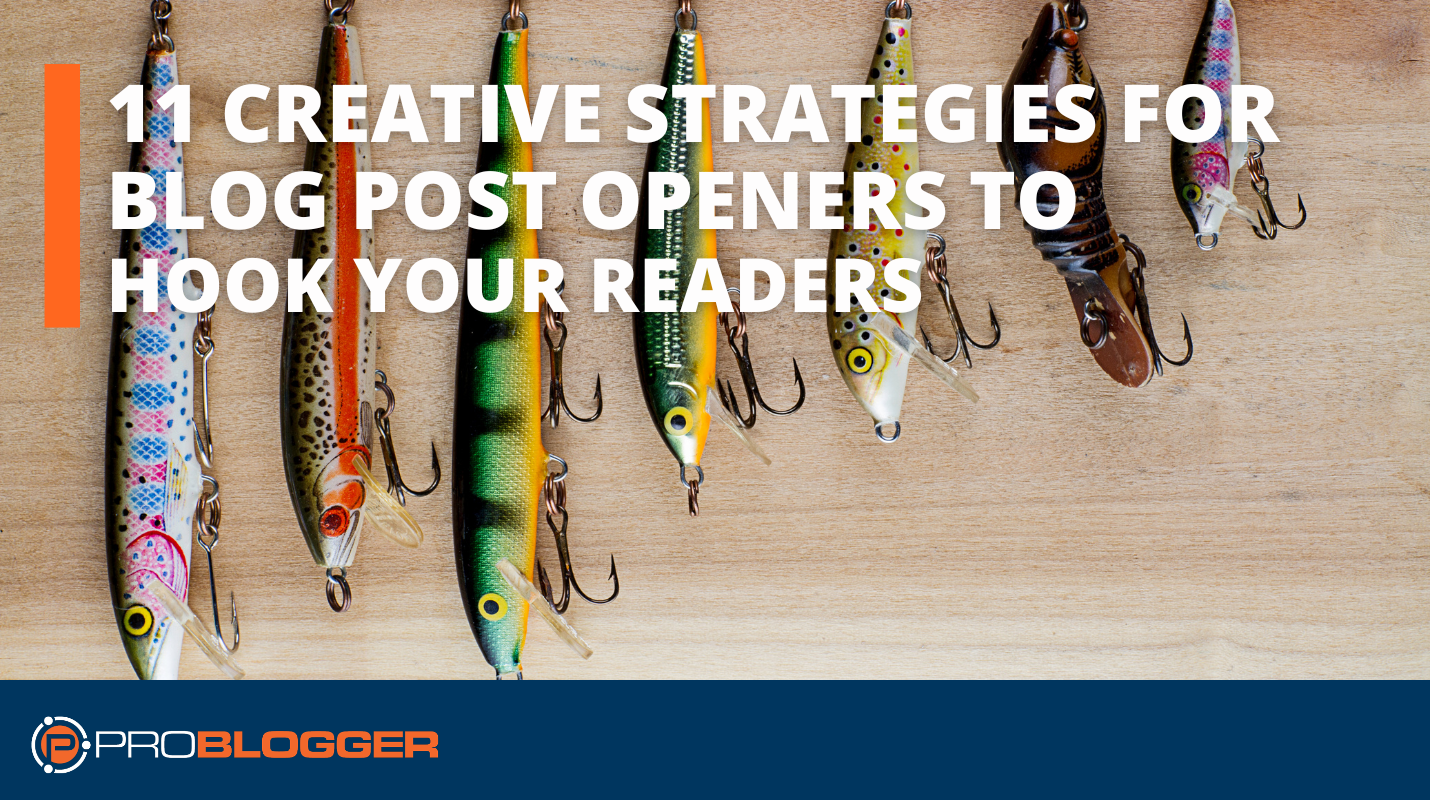
Industry experts, including Darren Rowse of ProBlogger, emphasize that the opening line acts as a bridge. If the title is the invitation, the opening line is the first handshake. Failure to establish a connection in these first few seconds often results in high bounce rates, which can negatively impact a site’s search engine optimization (SEO) and overall brand authority. The following analysis explores 11 specialized strategies utilized by top-tier digital publishers to maximize reader engagement.
A Chronology of Engagement: From Traditional Leads to Digital Hooks
To understand the current state of digital openings, it is necessary to examine the timeline of content evolution:
- Pre-2000s (The Print Era): Journalism relied on the "Inverted Pyramid," where the most crucial facts (Who, What, Where, When, Why) were delivered in the first paragraph to ensure readers received the core news even if they stopped reading early.
- 2000–2010 (The Blogging Revolution): As platforms like WordPress and TypePad emerged, the tone shifted toward the personal. Bloggers began experimenting with anecdotal openings, moving away from the dry objectivity of news wires.
- 2010–2020 (The SEO and Social Media Surge): The rise of Facebook and Twitter meant that content was often discovered via shared links. Opening lines had to compete with an infinite scroll of distractions, leading to the rise of "clickbait" and more aggressive curiosity gaps.
- 2020–Present (The Authority and Authenticity Era): In an age of AI-generated content and information overload, readers now prioritize authenticity and immediate value. Modern hooks must balance psychological triggers with genuine substance to build long-term trust.
Analytical Breakdown of 11 Creative Opening Strategies
1. Identifying the Reader’s Immediate Need
The most direct method for securing engagement is the immediate identification of a problem or "pain point." By articulating a specific challenge the reader is facing, the writer establishes immediate relevance. Data from content marketing institutes suggests that "how-to" and "problem-solving" content has a 38% higher retention rate when the problem is stated within the first two sentences. This approach signals to the reader that the subsequent text contains a tangible solution.
2. The Affirmative Response Technique
Commonly known as the "One-Answer Question," this strategy involves posing a query to which the reader is almost certain to answer "yes." For example, "Have you ever struggled to stay focused during a long meeting?" By eliciting an internal "yes," the writer creates a psychological "buy-in." This technique, rooted in the Socratic method, fosters a sense of alignment between the author and the audience from the outset.
3. Exploiting the Curiosity Gap
An intriguing question that does not have an immediate or obvious answer creates what psychologists call a "curiosity gap." This is a state of cognitive discomfort that can only be resolved by continuing to read. Questions that hint at a surprising revelation or an unconventional truth are particularly effective in long-form investigative pieces or deep-dive analyses.
4. The Pattern Interrupt: Offering a Surprise
Human brains are wired to ignore the mundane. An opening that presents an unexpected fact or a counter-intuitive personal anecdote serves as a "pattern interrupt." When an author shares a vulnerability or a surprising statistic that contradicts common knowledge, it forces the reader to pause their automatic scanning behavior and engage their analytical mind.
5. Narrative Transportation through Storytelling
Analogies and brief anecdotes are powerful tools for making abstract concepts relatable. "Narrative transportation theory" suggests that when individuals are lost in a story, they are more open to the message being delivered. Starting with a narrative—even a brief one—switches the reader’s cognitive mode from "information processing" to "experience sharing," which significantly boosts emotional engagement.
6. The Authority-Building Bold Claim
Starting with a strong assertion or a significant promise sets high expectations. This strategy is often used by industry leaders to establish immediate authority. However, analysts warn that this approach carries a "credibility risk." If the body of the article fails to provide evidence for the bold claim made in the opener, the publisher risks losing the reader’s trust permanently.
7. Strategic Use of Controversy
Controversy remains one of the most potent triggers for attention. By taking a firm stand on a divisive issue or challenging a popular industry "best practice," a writer can galvanize an audience. This method often results in higher comment volume and social shares, though it requires a nuanced approach to avoid alienating the audience or appearing purely provocative.
8. Visualizing Scenarios: The Vivid Picture
Engaging the reader’s imagination by asking them to "picture" or "imagine" a scenario makes the content more immersive. This technique is particularly effective in travel writing, real estate, and lifestyle blogging. Sensory language—words that evoke sight, sound, or feeling—helps to ground abstract ideas in a tangible reality.
9. Data-Driven Openings: Startling Statistics
In a "post-truth" era, verifiable data provides a sense of security and objectivity. Leading with a startling or significant statistic immediately communicates the importance of the topic. For instance, stating that "80% of small businesses fail within the first year" provides a gravity that a simple "business is hard" statement lacks.
10. Leveraging Social Proof: The Powerful Quote
Opening with a quote from a recognized authority figure allows the writer to "borrow" credibility. It sets a scholarly or professional tone and aligns the article with established thought leadership. This is a staple in academic and business journalism, where the weight of a historical or industry figure can validate the writer’s premise.
11. The Visual Lead: Impactful Imagery
In the visual-centric world of modern web design, the "opening line" is often preceded or accompanied by a hero image. Research into the "Picture Superiority Effect" shows that humans remember images more easily than words. A striking, relevant image can serve as the primary hook, drawing the reader into the text to find the context behind the visual.
Industry Reactions and Expert Perspectives
The shift toward more sophisticated opening strategies has drawn praise from digital marketing strategists. Ann Handley, a leading voice in content marketing, has frequently noted that "the first sentence exists to get the reader to read the second sentence." This sentiment is echoed across the industry, with many professional editors now spending a disproportionate amount of time refining the first 50 words of a 2,000-word piece.
Critics, however, warn of "hook fatigue." As more publishers adopt these strategies, there is a risk that readers will become desensitized to bold claims and "yes" questions. The consensus among elite publishers is that while the strategy may vary, the underlying requirement for honesty and value remains constant.
Broader Impact and Implications for Content Strategy
The mastery of opening lines has implications beyond individual blog posts. For organizations, it is a key component of brand voice and user experience. A consistent style of "hooking" readers can become a signature of a publication, much like the witty leads of The Economist or the data-heavy openings of FiveThirtyEight.
Furthermore, the rise of Artificial Intelligence (AI) in writing has created a new challenge. While AI can easily generate "one-answer questions" or "bold claims," it often struggles with the nuanced "surprise" or "personal anecdote" strategies that require genuine human experience. Consequently, the ability to craft unique, human-centric opening lines is likely to become a primary differentiator for professional writers in an increasingly automated market.
In conclusion, the opening line is no longer just a starting point; it is a strategic asset. By employing these 11 strategies, writers can navigate the challenges of declining attention spans and rising competition, ensuring that their content is not just clicked, but actually read and remembered. As the digital medium continues to mature, the intersection of psychology, data, and creative writing will remain the foundation of effective audience engagement.