Putri Inara
In the increasingly competitive landscape of digital publishing, the initial seconds of reader interaction have become the primary battleground for content creators and marketers alike. Industry experts assert that while a headline serves as the functional gateway to a piece of content, the opening line—the lead—determines whether a visitor transitions from a casual browser to an engaged reader. This transition is critical in an era where digital attention spans are often compared to the fleeting nature of a few seconds, a phenomenon frequently cited in user experience research. The strategy of crafting these opening lines is not merely a creative endeavor but a psychological necessity for maintaining low bounce rates and high dwell times, both of which are significant signals for search engine optimization (SEO) and brand authority.
The evolution of digital storytelling has necessitated a shift from traditional journalistic inverted pyramids to more dynamic, engagement-focused introductions. This shift is highlighted in the comprehensive "How to Craft a Blog Post" series, which identifies the opening sentence as the second most important element of any written work, trailing only the headline in strategic value. The primary objective of the lead is singular: to compel the reader to consume the subsequent sentence, thereby drawing them deeper into the narrative or informational structure of the post.
Historical Context and the Attention Economy
To understand the necessity of these 11 strategies, one must look at the historical progression of content consumption. In the early days of the internet, information scarcity meant that readers were more likely to persist through dry introductions. However, the current state of "content shock"—a term coined to describe the emerging era where information supply vastly outstrips human consumption capacity—requires more sophisticated "hooks."
Data from the Nielsen Norman Group suggests that users follow an "F-shaped pattern" when reading web content, scanning the top of the page before deciding to invest further time. If the opening lines fail to resonate within the first 10 to 20 percent of the content, the probability of the reader exiting the page increases exponentially. Consequently, professional writers have adapted techniques from classic copywriting and behavioral psychology to secure immediate buy-in.
A Chronology of Engagement: The 11 Strategic Pillars
The development of these strategies follows a logical progression of psychological triggers, ranging from the identification of pain points to the use of visual stimuli.
1. The Identification of Reader Needs
The most fundamental strategy involves the immediate pinpointing of a reader’s problem. By acknowledging a specific challenge or desire in the first sentence, the author establishes a "problem-solution" framework. This technique builds on the premise that successful content is inherently utilitarian. While the solution may not be delivered until the conclusion, the promise of a resolution acts as the initial tether.
2. The One-Answer Question (The "Yes-Ladder")
Borrowing from sales psychology, the "one-answer question" seeks to elicit an immediate, internal "yes" from the reader. For example, asking "Ever wondered how some posts keep you hooked?" forces the reader to acknowledge a shared experience. This creates a cognitive momentum known as the "yes-ladder," where a series of small agreements makes the reader more receptive to the larger message that follows.
3. The Intriguing Revelation
Curiosity is a powerful biological driver. By posing questions that promise an unconventional or surprising answer—such as "What is the one thing every successful blogger does before breakfast?"—writers tap into the "information gap" theory. This theory suggests that when humans notice a gap between what they know and what they want to know, they feel a sense of deprivation that can only be relieved by acquiring the missing information.
4. The Element of Surprise and Pattern Interruption
Using an unexpected fact or a personal anecdote that seems "off-topic" can serve as a pattern interrupt. In a digital environment where most content follows a predictable structure, a sudden shift in tone or a surprising personal revelation—such as a story about being addressed by the wrong name—forces the brain to pay closer attention to the anomaly.
5. Narrative and Analogical Openings
Storytelling remains the most effective tool for human connection. By opening with a brief anecdote or an analogy, writers can transform abstract or technical topics into relatable human experiences. Professional analysis suggests that narratives trigger the release of oxytocin in the brain, which enhances empathy and trust between the reader and the author.
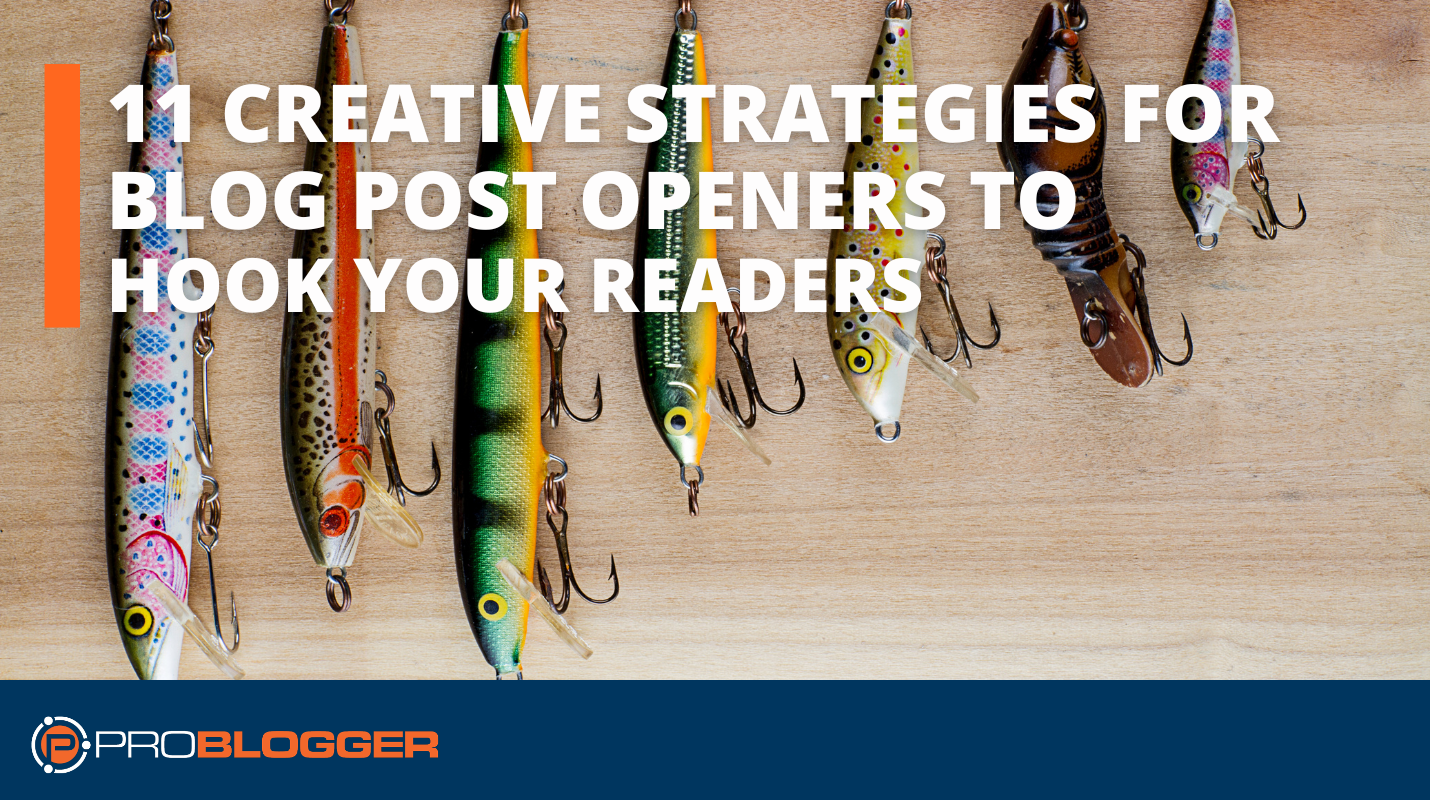
6. The Bold Claim and High-Stakes Promise
For content aiming to establish immediate authority, a bold assertion is often the most direct route. Starting with a claim like "This strategy will double your traffic in 30 days" sets a high bar. While effective, industry analysts warn that this approach carries significant risk; if the subsequent content fails to validate the claim, the brand’s credibility may be irreparably damaged.
7. Strategic Controversy
Stirring controversy is a high-reward, high-risk tactic. By taking a strong stand on a polarizing topic or challenging a widely held industry belief, an author can command immediate attention. This strategy leverages the "social proof" and "in-group/out-group" dynamics of social media, often leading to higher engagement and shareability, though it requires careful management to avoid alienating the core audience.
8. The Sensory and Vivid Imagery Technique
Encouraging readers to visualize a specific scenario engages the sensory cortex of the brain. Whether the scenario is positive (visualizing success) or negative (visualizing a failure to be avoided), creating a "mental movie" makes the content more tangible and memorable.
9. Empirical Evidence and Startling Statistics
In an era of misinformation, data-backed openings provide a sense of security and professionalism. A startling statistic—such as "Only 1% of readers ever leave a comment"—serves as an objective "hook" that quantifies a problem and justifies the time spent reading the rest of the article.
10. The Authority Quote
Starting with a quote from a recognized figure lends immediate prestige to the content. This "halo effect" allows the author to borrow the credibility of the quoted individual, setting a serious and thoughtful tone for the discussion that follows.
11. Visual-First Integration
In modern blogging, the "opening line" is often preceded by a visual lead. A striking, relevant image can act as a non-verbal opening line. Research into the "Picture Superiority Effect" indicates that humans process images significantly faster than text, meaning the right visual can "hook" a reader before they even process the first word of the introduction.
Data-Driven Insights and Industry Reactions
The efficacy of these strategies is supported by heat-map data and click-through rate (CTR) analysis across various publishing platforms. Marketing firms have noted that posts utilizing "Intriguing Questions" (Strategy 3) and "Startling Statistics" (Strategy 9) often see a 20-30% increase in average time-on-page compared to posts with standard descriptive introductions.
Digital strategy experts have reacted positively to this structured approach to engagement. "The science of the ‘hook’ is no longer optional," says one senior content strategist. "With the rise of AI-generated content, the human element—the story, the surprise, the bold claim—is what will differentiate high-quality journalism from generic information."
Broader Impact and Strategic Implications
The implications of mastering opening lines extend beyond individual blog posts. For businesses, high engagement at the start of a post is a lead indicator of conversion. If a reader is successfully "hooked," they are more likely to reach the "Call to Action" (CTA) at the end of the piece.
Furthermore, search engines like Google have increasingly prioritized "user intent" and "engagement signals." A post that captures and holds a reader’s attention from the first sentence is less likely to result in a "pogo-sticking" effect (where a user clicks a search result and immediately hits the back button). Consequently, these creative strategies are now considered a core component of technical SEO and content marketing ROI.
In conclusion, the art of the opening line is a sophisticated blend of psychology, data, and narrative craft. As the volume of digital noise continues to grow, the ability to effectively "hook" a reader in the opening moments of an encounter will remain the hallmark of successful digital communication. Writers who fail to innovate their introductions risk obsolescence in an economy where attention is the most valuable currency.