Ena Muazin
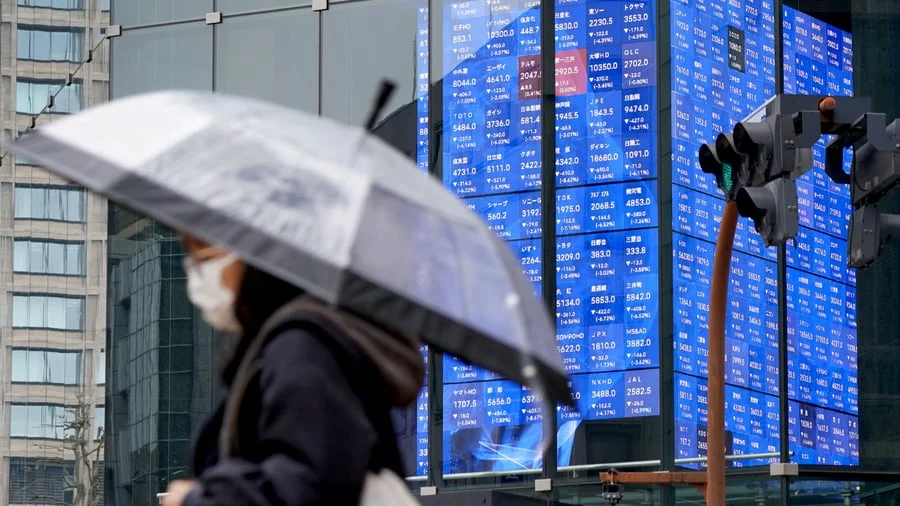
Düsseldorf – Global financial markets are demonstrating a degree of resilience this Friday morning, exhibiting signs of stabilization after a tumultuous week dominated by escalating tensions in the Middle East, particularly concerning Iran. The German DAX index, which had experienced a notable downturn in recent days, showed an uptick of 0.5 percent, trading at 23,942 points by Friday morning. This modest recovery suggests that investors are beginning to digest the geopolitical developments and are shifting their focus towards key economic indicators expected later today.
The week’s market sentiment was heavily influenced by the potential for a broader conflict stemming from recent events involving Iran. This uncertainty had cast a shadow over equity markets worldwide, prompting a cautious approach from investors. However, as the week draws to a close, a sense of tentative calm appears to be settling, allowing for a slight rebound in some of the most closely watched indices.
Economic Data on the Horizon
Crucially, the afternoon trading session is expected to be heavily influenced by the release of the United States’ monthly jobs report for February. This data is considered a vital barometer of the health of the world’s largest economy and carries significant weight for monetary policy decisions by the U.S. Federal Reserve.

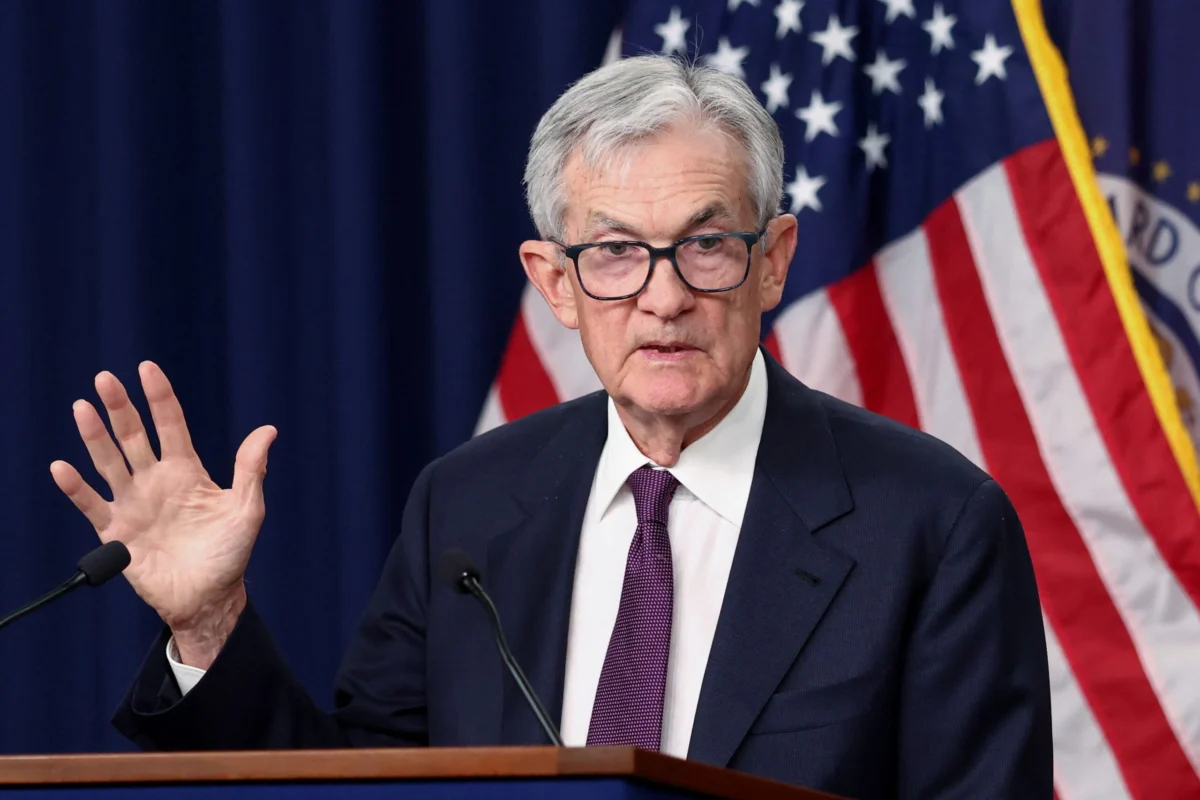
"An unexpectedly weak labor market could put the U.S. Federal Reserve, which simultaneously pursues the dual goals of low inflation and full employment, in a difficult situation," commented Thomas Altmann of QC Partners. The Federal Reserve’s dual mandate means that any significant deviation in employment figures from expectations could complicate its strategy for managing interest rates and inflation. A weaker-than-anticipated jobs report might increase the likelihood of interest rate cuts sooner rather than later, a prospect that often boosts equity markets, but it could also signal underlying economic weakness that would temper enthusiasm. Conversely, a robust report could reinforce expectations of a "higher for longer" interest rate environment, which might put pressure back on stock valuations.
In addition to the employment figures, investors will also be closely monitoring U.S. retail sales data for February. This indicator provides insights into consumer spending patterns, a significant driver of economic growth. On the domestic front, Germany’s industrial orders for February will be released this morning, offering a glimpse into the manufacturing sector’s performance. Stronger-than-expected industrial orders could provide a positive boost to European markets.
Corporate Spotlight: Lufthansa Navigates a Path to Profitability
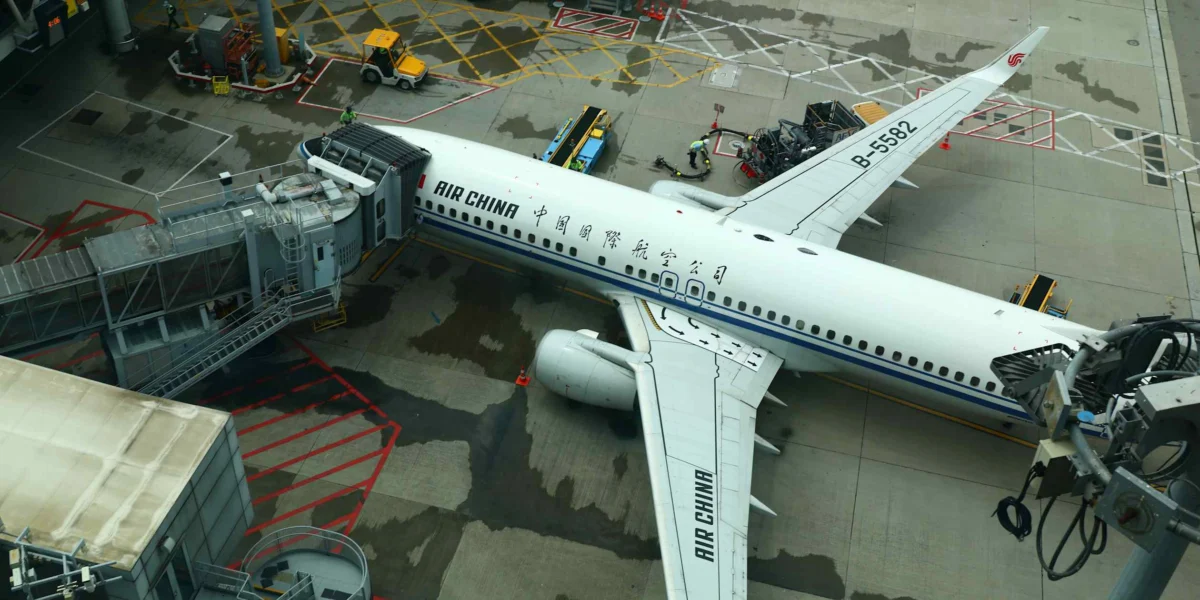
Within the corporate arena, German flag carrier Lufthansa is once again drawing significant attention. Following a challenging fiscal year, the airline has reported progress in its efforts to improve profitability for 2025, attributing this to a more stable operational environment. The company announced on Friday that its adjusted operating profit rose by an impressive 19 percent, reaching €1.96 billion. This improvement was achieved against a backdrop of record revenues, which climbed by five percent to €39.6 billion. The airline’s profitability margin also saw a positive adjustment, increasing by half a percentage point to 4.9 percent.
The market has responded favorably to this news, with Lufthansa’s shares gaining 3 percent in early trading. This performance underscores investor confidence in the airline’s strategic direction and its ability to overcome past headwinds. The aviation industry, often sensitive to geopolitical events and economic fluctuations, is closely watched for its resilience and recovery patterns. Lufthansa’s recent results suggest a successful navigation of these complexities.

Oil Prices Stabilize Amidst Geopolitical Uncertainty
The week’s significant surge in oil prices, which had seen a climb of over 16 percent since Monday, has seen some moderation by the week’s end. Both North Sea Brent crude and U.S. WTI (West Texas Intermediate) crude saw a decrease of approximately one percent, settling at $84.73 and $80 per barrel, respectively. This price adjustment reflects a degree of investor relief as immediate fears of a major supply disruption in the Middle East appear to have subsided, at least for the moment.
Investors had been keenly observing the potential impact of any escalation in the Iran-related tensions on global oil supplies, given the region’s critical role in energy markets. The significant price jump earlier in the week was a direct reflection of these concerns. The current stabilization, however, is being underpinned by hopes that the U.S. administration might implement measures to temper further price increases. Such measures could include diplomatic efforts or strategic releases from oil reserves, aimed at mitigating the economic impact of supply-side shocks.
Despite this stabilization, the underlying geopolitical risks remain. The Strait of Hormuz, a vital chokepoint for global oil tanker traffic, continues to be a focal point of concern. Any disruption here could rapidly re-ignite upward pressure on oil prices.
"If investors have been measured until now, this price level could slowly become uncomfortable," noted market analyst Andreas Lipkow of broker CMC Markets. This sentiment highlights that while the immediate panic may have abated, the market remains sensitive to further developments. The sustained high levels of oil prices, even with the recent dip, pose a significant challenge for economies reliant on imported energy, potentially fueling inflation and impacting consumer spending. The ongoing closure of the Strait of Hormuz, even if symbolic or precautionary, serves as a constant reminder of the precariousness of the supply chain.

Corporate Fallout: Lanxess Faces Investment Setback
In a significant development for the chemical sector, shares of Lanxess experienced a notable decline in early trading on Lang & Schwarz, dropping by more than five percent. The company announced on Thursday that Advent International will not proceed with its planned acquisition of Lanxess’s stake in their joint plastics venture, Envalior, as originally agreed for September 2025.
Advent has cited a contractual financing clause as the reason for its withdrawal. This development raises questions about the future strategic direction of Lanxess’s involvement in the joint venture and could impact the company’s financial planning and restructuring efforts. The market reaction underscores the importance of this particular transaction for Lanxess and highlights investor concerns regarding the implications of Advent’s decision. The withdrawal of a key investment partner can often lead to a reassessment of asset valuations and future growth prospects, reflected in the immediate stock price movement.
Broader Economic Context and Implications
The current market environment is a complex interplay of geopolitical risks and fundamental economic data. The recent surge in oil prices, driven by Middle Eastern tensions, had threatened to derail efforts to curb inflation globally. Higher energy costs have a cascading effect, increasing transportation expenses, manufacturing costs, and ultimately consumer prices. This could put central banks in a difficult position, forcing them to choose between taming inflation through potentially higher interest rates (which could dampen economic growth) or accepting a higher inflation trajectory.
The U.S. jobs report will be a critical determinant of how investors and policymakers perceive the strength of the U.S. economy. A strong report could support the narrative of a resilient economy capable of withstanding higher interest rates, potentially leading to a "soft landing." Conversely, a weak report might heighten recession fears and increase pressure on the Federal Reserve to consider easing monetary policy.

The performance of companies like Lufthansa also provides a broader economic signal. As a key player in the travel and logistics sector, its financial health is often indicative of consumer confidence and business activity. The airline’s improved profitability suggests a rebound in travel demand and a more stable operating environment, which bodes well for sectors that rely on transportation and global connectivity.
The setback for Lanxess, while specific to the company and its joint venture, also points to the broader challenges within the chemical and manufacturing industries. These sectors are often sensitive to global economic trends, supply chain disruptions, and investor confidence in long-term strategic partnerships. The ability of companies to secure and maintain crucial investments is paramount for their growth and innovation.
Looking Ahead: Navigating Uncertainty
As the trading week concludes, investors will be closely watching for any further developments on the geopolitical front and analyzing the incoming economic data. The stabilization in markets is a positive sign, but the underlying uncertainties remain. The coming days and weeks will be crucial in determining whether this period of tentative calm can translate into sustained market recovery or if the geopolitical and economic headwinds will reassert their influence. The interplay between global political stability, energy market dynamics, and the trajectory of key economic indicators will continue to shape market sentiment and investment strategies. The ability of companies to adapt to these evolving conditions, as exemplified by Lufthansa’s efforts, will be a key differentiator in the period ahead.