Ena Muazin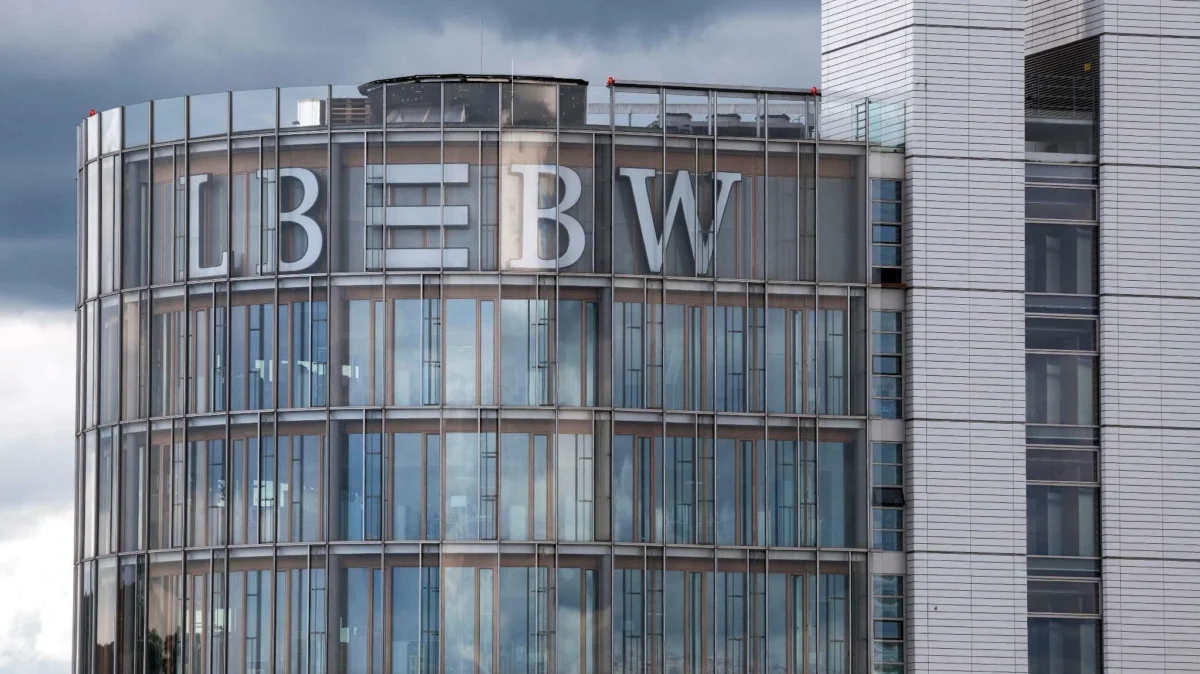
Despite widespread concerns about the health of German industry, LBBW CEO Rainer Neske has expressed a cautiously optimistic outlook, attributing the current lack of significant impact on the bank’s figures to the inherent resilience of many businesses and the continued strength of certain economic sectors. Neske’s remarks, made in a recent interview, suggest that while the industrial landscape faces headwinds, a substantial portion of companies are actively adapting and demonstrating a capacity to weather the current economic climate, thereby avoiding the status of potential defaults.
The sentiment from the LBBW chief comes at a time when Germany, the Eurozone’s largest economy, is grappling with a complex mix of challenges. These include persistent inflation, rising energy costs exacerbated by geopolitical events, global supply chain disruptions, and an increasingly stringent regulatory environment. These factors have collectively placed considerable pressure on manufacturing and export-oriented industries, which are the traditional backbone of the German economy.
The Nuance of Industrial Performance
Neske’s primary argument for the disconnect between broad industrial woes and LBBW’s current financial metrics centers on the adaptive capabilities of German businesses. He posits that a significant number of companies are not simply enduring the current economic shifts but are actively engaged in strategic realignments. This proactive approach, Neske suggests, is enabling them to navigate the complexities and emerge in a healthier position. "A large part of the companies that are now restructuring their business is strong enough to adapt and recover," Neske stated, emphasizing that these entities are unlikely to become candidates for default. This perspective highlights a crucial distinction: not all businesses within the industrial sector are experiencing the same level of distress.
Furthermore, Neske injected a vital note of broader economic perspective, reminding observers that the narrative of a struggling Germany is incomplete. "There are also companies, and one should not forget this in all the discussion about the location of Germany, that are doing well," he added. This observation points to a bifurcated economic reality, where certain industries and companies are thriving, potentially offsetting the weaknesses in others.
Contextualizing the German Economic Landscape
To understand Neske’s assessment, it’s essential to consider the broader economic context of Germany. For decades, the German industrial model, heavily reliant on exports and high-quality manufacturing (automobiles, machinery, chemicals, pharmaceuticals), has been a global benchmark. However, this model is now facing unprecedented pressures.
- Energy Costs: The reliance on affordable energy, particularly from Russia, has been a significant vulnerability exposed by the war in Ukraine. German industrial production is energy-intensive, and the surge in energy prices has directly impacted operational costs and competitiveness. Data from Destatis, the German Federal Statistical Office, has consistently shown increases in production costs for industrial enterprises, with energy being a primary driver.
- Supply Chain Fragility: The COVID-19 pandemic and subsequent geopolitical tensions have laid bare the vulnerabilities of globalized supply chains. German industries, deeply integrated into international networks, have faced shortages of critical components and raw materials, leading to production delays and increased costs.
- Global Demand Slowdown: As major economies worldwide grapple with inflation and potential recessions, global demand for German exports has softened. This decline in international orders directly affects the output and profitability of manufacturing firms.
- Regulatory Burden and Digitalization: Germany is also navigating a complex transition towards greater environmental sustainability and digitalization. While these are long-term imperatives, the associated regulatory changes and investment requirements can impose immediate costs and challenges on businesses.
Despite these headwinds, certain sectors within the German economy continue to demonstrate robust performance. The renewable energy sector, for instance, is experiencing significant growth, driven by government policy and private investment. The pharmaceutical and medical technology sectors also maintain a strong global position, characterized by innovation and consistent demand. Moreover, specialized niche manufacturers, often referred to as "Mittelstand" (small and medium-sized enterprises), are frequently agile and innovative, capable of adapting to changing market conditions.
LBBW’s Role and Potential Implications
As a major regional bank, LBBW (Landesbank Baden-Württemberg) plays a critical role in financing German businesses, particularly in its home region, a powerhouse of German industry. Neske’s comments, therefore, carry significant weight. If the bank is not yet seeing a widespread increase in loan defaults, it suggests several possibilities:
- Lagging Indicators: Financial distress often manifests with a delay. It’s possible that the full impact of current economic pressures on corporate balance sheets has not yet translated into actual defaults, but rather into increased financial strain and reduced profitability.
- Strong Capital Buffers: Many German companies, especially larger ones, have historically maintained strong capital reserves, allowing them to absorb temporary shocks.
- Effective Restructuring: As Neske highlighted, proactive restructuring efforts, such as cost-cutting, diversification of markets, or investment in new technologies, may be successfully mitigating the risks.
- Government Support and Moratoriums: While not explicitly mentioned by Neske, government support programs and potential moratoriums on loan repayments can also temporarily mask underlying financial weaknesses.
The implication of Neske’s statement is that while the overall industrial climate might appear challenging from macro-economic indicators, the micro-level reality for many of LBBW’s clients is more resilient. This could mean that the bank’s risk exposure is better managed than some might assume. However, it also suggests that the bank, like other financial institutions, will need to remain vigilant, closely monitoring its loan portfolio for any signs of deteriorating credit quality.
Broader Economic Analysis and Future Outlook
Neske’s optimistic assessment, while welcome, needs to be placed within a broader analytical framework. The resilience he speaks of is likely concentrated among well-established companies with diversified revenue streams, strong management teams, and access to capital. The more vulnerable segments of the industrial landscape – smaller firms with less financial cushion, those heavily reliant on specific export markets, or those in sectors facing acute structural challenges – may indeed be struggling more acutely.
The "location of Germany" discussion that Neske alludes to is a critical ongoing debate. Concerns about deindustrialization, the attractiveness of Germany as an investment destination, and the potential loss of competitiveness are legitimate. Factors such as high labor costs, complex bureaucracy, and the pace of the energy transition are all part of this conversation.
However, Neske’s point about companies doing well serves as a crucial counter-narrative. It suggests that the narrative of decline is not universal and that innovation, adaptability, and strategic foresight can still lead to success in the German industrial context. The success of these companies could be driven by factors such as:
- Specialization and Niche Markets: Many German companies excel in highly specialized areas where they hold global leadership positions, making them less susceptible to broad market downturns.
- High-Quality Products and Innovation: The enduring reputation for quality and continuous innovation in German engineering and manufacturing continues to command premium pricing and customer loyalty.
- Diversification of Markets: Companies that have successfully expanded their customer base beyond traditional European markets may be better insulated from regional economic slowdowns.
- Investment in Future Technologies: Proactive investment in digitalization, automation, and sustainable production methods can enhance efficiency and long-term competitiveness.
Official Responses and Market Reactions (Inferred)
While specific reactions from other financial institutions or industry associations directly to Neske’s comments may not be immediately available, his statements are likely to be closely scrutinized by market participants. Banking analysts will be looking for further data to support or challenge his optimistic outlook. Industry leaders will likely welcome any indication of resilience, using it to bolster confidence. Policymakers, who are constantly seeking to support German industry, will take note of the factors Neske identifies as contributing to corporate strength, potentially informing future policy decisions.
The German banking sector, in general, has learned lessons from past financial crises and has generally maintained robust capital requirements. However, the current economic environment presents a unique set of challenges that differ from previous downturns. The focus on energy security, supply chain resilience, and the green transition are structural shifts that require long-term strategic adaptation.
Conclusion: A Balanced Perspective
Rainer Neske’s assessment from LBBW offers a valuable counterpoint to more generalized pessimistic narratives surrounding German industry. By highlighting the resilience and adaptability of a significant portion of businesses, and by acknowledging the existence of strong performing sectors, he provides a more nuanced picture of the current economic situation.
While the challenges facing German industry are undeniable and require sustained attention from businesses, policymakers, and financial institutions, Neske’s perspective suggests that the story is not one of uniform decline. The ability of companies to restructure, innovate, and adapt will be paramount in navigating the current economic headwinds and ensuring the long-term competitiveness of the German industrial model. The coming months and years will be crucial in observing whether this demonstrated resilience can translate into sustained economic recovery and growth, or if the underlying structural weaknesses will eventually weigh more heavily on the aggregate performance of the industrial sector. The LBBW chief’s remarks serve as a reminder that even in times of significant economic pressure, strategic agility and underlying strength can provide a pathway to survival and eventual recovery.