Lina Wu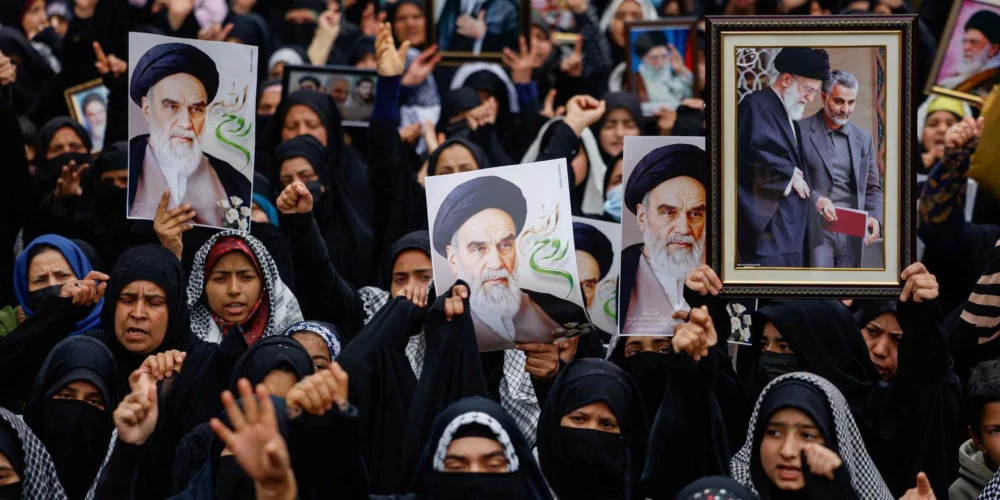
The disputed territory of Indian-administered Kashmir became a focal point of regional and international concern on March 4, 2026, as thousands of Shia Muslims took to the streets in spontaneous demonstrations following unconfirmed reports of the killing of Iran’s Supreme Leader, Ayatollah Ali Khamenei. The protests, characterized by fervent anti-U.S. and anti-Israel chants and the display of black and Iranian flags, underscored the deep-seated geopolitical allegiances and sensitivities within the region, prompting an immediate and significant increase in security measures by Indian authorities.
The initial reports, which rapidly disseminated through social media and hushed conversations, alleged that Ayatollah Khamenei had been killed in a coordinated strike attributed to the United States and Israel. While no official confirmation of his demise was immediately forthcoming from Iranian authorities or international bodies, the sheer gravity of the unsubstantiated news was enough to ignite widespread outrage and solidarity among Shia communities in Kashmir, a region already navigating complex political and social dynamics.
Chronology of Events and Initial Reactions
The cascade of events began in the early hours of March 4, 2026, with unverified social media posts and whispers circulating within local communities in Kashmir. By mid-morning, these nascent reports had coalesced into widespread belief, triggering spontaneous gatherings in several towns and villages, most notably in Magam, north of Srinagar. Witnesses described scenes of profound grief and anger, with mourners carrying effigies and chanting slogans that directly condemned perceived aggressors.
"We heard the news, and our hearts sank. He was our leader, a symbol of resistance," stated one participant in the Magam demonstration, who requested anonymity. "This is an act of aggression, and we will not remain silent. America and Israel will pay for this." The intensity of the protests, though largely peaceful, raised immediate alarms for law enforcement.
By the afternoon of March 4th, the Jammu and Kashmir Police, in coordination with paramilitary forces, had implemented a heightened security posture across the valley. Barricades were erected, internet services were reportedly throttled in sensitive areas, and additional checkpoints were established to monitor movement and prevent further large-scale gatherings. The authorities’ swift response aimed to pre-empt any escalation and maintain public order, a recurring challenge in the politically volatile region.
Background Context: Kashmir’s Shia Community and Geopolitical Affiliations
Indian-administered Kashmir is home to a significant Shia Muslim population, concentrated in areas such as Kargil, Srinagar, and parts of the Jammu division. While the majority of Kashmir’s Muslim population is Sunni, the Shia community has historically maintained strong religious and cultural ties with Iran. These connections are often amplified by shared geopolitical sentiments, particularly concerning the Israeli-Palestinian conflict and broader anti-Western narratives, which resonate deeply within certain segments of the Kashmiri populace.
Ayatollah Ali Khamenei, as the Supreme Leader of Iran since 1989, has been a pivotal figure in shaping Iran’s foreign policy and its stance on international affairs. His pronouncements, particularly his unwavering support for Palestinian rights and his often-critical rhetoric towards the United States and Israel, have garnered him a significant following among Shia Muslims globally, including in India and Pakistan. For many in Kashmir, he represented a potent voice against what they perceive as imperialistic and oppressive global powers.
The timing of these reports was particularly sensitive. The region had recently experienced heightened tensions following a series of cross-border incidents and a general increase in regional instability. Any perception of a direct attack on a prominent religious and political figure of Iran, especially one with significant symbolic importance to a segment of the Kashmiri population, was bound to elicit a strong emotional response.
Supporting Data and Observational Evidence
Visual evidence from the protests, captured by local and international news agencies, corroborated the scale and fervor of the demonstrations. Images depicted large crowds, many women among them, holding aloft banners and raising their voices in unison. The ubiquitous presence of black flags, a traditional symbol of mourning in Shia Islam, alongside Iranian national flags, underscored the specific nature of the solidarity expressed.
Local media reports from March 4th and 5th indicated that protests, while most concentrated in Magam, also occurred in other Shia-majority areas. While official casualty figures or widespread destruction were not reported, the sheer volume of people engaging in public protest highlighted the depth of the emotional impact of the news, however unconfirmed. The security forces’ cautious approach appeared to prioritize de-escalation, opting for containment rather than confrontation, a strategy often employed in sensitive areas.
Official Responses and Diplomatic Undercurrents
The Indian government, through its Ministry of Home Affairs and the administration in Jammu and Kashmir, maintained a measured public stance. While acknowledging the protests, official statements emphasized the importance of maintaining law and order and urged citizens to refrain from spreading unsubstantiated rumors. A spokesperson for the Jammu and Kashmir administration stated, "We are monitoring the situation closely and are taking all necessary steps to ensure the safety and security of our citizens. We appeal to the public to rely on verified information and cooperate with the authorities."
The absence of an immediate and definitive statement from Iran regarding the Supreme Leader’s status added a layer of uncertainty and fueled speculation. This silence, whether by design to control information or due to the unfolding nature of events, allowed the narrative of his demise to gain traction in regions with strong ideological links to Iran.
Internationally, the situation drew cautious attention. Diplomatic channels were likely abuzz with efforts to ascertain the veracity of the reports and to assess the potential for regional fallout. Analysts suggested that any confirmation of the Supreme Leader’s death would trigger a significant geopolitical crisis, with potential implications for the Strait of Hormuz, ongoing nuclear negotiations, and proxy conflicts in the Middle East. The protests in Kashmir, while geographically distant from the epicenter of such potential conflict, served as an immediate indicator of the ripple effects such an event could have.
Broader Impact and Implications
The events of March 4th in Indian-administered Kashmir served as a stark reminder of the interconnectedness of global geopolitics and local sentiments. The swift and passionate response from a segment of the Kashmiri population underscores:
- The Enduring Influence of Iran: Despite sanctions and international isolation, Iran’s religious and political leadership continues to command significant influence and loyalty among Shia communities worldwide.
- Geopolitical Flashpoints: Regions like Kashmir, with their complex histories and existing sensitivities, can quickly become microcosms of larger international conflicts. The protests demonstrated how events in the Middle East can directly translate into local unrest.
- Information Warfare and Rumor Mills: The speed at which unconfirmed reports spread and gained credence highlights the challenges of combating misinformation in the digital age, particularly in regions with restricted internet access or where existing narratives are already highly charged.
- Security Apparatus Strain: The need for heightened security in Kashmir, while a routine response to potential unrest, underscores the continuous strain on security forces in managing a volatile environment where external events can trigger internal mobilization.
- Potential for Escalation: Should the reports of Ayatollah Khamenei’s death prove true, the protests in Kashmir, though currently contained, could represent a precursor to more significant diplomatic and security challenges. Any retaliatory actions by Iran would undoubtedly have far-reaching consequences, impacting global energy markets, international alliances, and the security landscape of South Asia.
As of the publication of this report, official confirmation of Ayatollah Ali Khamenei’s fate remained elusive. However, the events in Kashmir served as a potent illustration of the deep emotional and ideological currents that flow across borders, capable of igniting public expression even in the most remote of theaters. The heightened security measures in the region are expected to remain in place as authorities await definitive news and assess the evolving geopolitical situation. The resilience of these protests, even in the face of official appeals for calm, points to the profound impact that leadership and ideology can have on communities, irrespective of their geographical location. The coming days and weeks will be critical in determining the veracity of the initial reports and the subsequent trajectory of regional and international affairs.