Lina Wu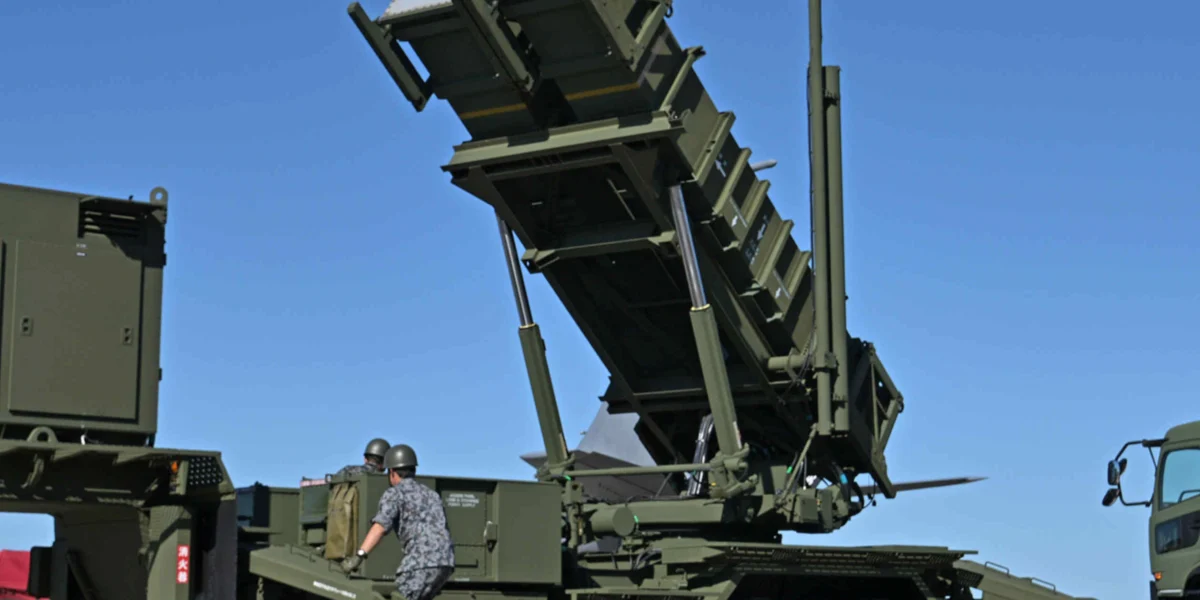
Extensive use of air defense missiles in the Middle East is prompting the U.S. to transfer overseas resources to the region, and could lead Washington to request Japan’s support for producing such systems if the conflict drags on. This developing situation highlights a growing strain on global defense supply chains, particularly for advanced missile technologies, and raises significant questions about Japan’s capacity and willingness to bolster its own defense production in response to evolving geopolitical demands. Reports suggest that critical components and systems, potentially including those related to air defense, are being moved out of South Korea, indicating a strategic recalibration by the U.S. to address immediate threats in the Middle East.
Escalating Demand and Shifting Priorities
The current surge in demand for air defense systems is directly attributable to the ongoing military engagements in the Middle East. The persistent use of these sophisticated weapons by various actors, coupled with defensive operations by international forces, has led to a rapid depletion of existing stockpiles. This situation is not unique to any single nation; defense analysts have observed a global trend of increased consumption of precision-guided munitions and air defense interceptors across multiple theaters of operation. The U.S., as a major supplier and operator of such systems, is finding its reserves significantly taxed.
The decision to reallocate resources from other regions, including potentially from East Asia, underscores the urgency of the situation in the Middle East. While specific details regarding the nature and extent of these transfers remain largely undisclosed, the implications for allied nations like Japan are considerable. Japan, a key security partner of the U.S. in the Indo-Pacific, has its own robust defense industrial base, though it is often focused on meeting domestic requirements and specific export markets. The potential for the U.S. to request assistance in production signals a shift towards a more integrated and demand-driven approach to defense manufacturing within the alliance.
The Patriot Missile System: A Case Study
The image accompanying the initial report depicts a Patriot surface-to-air missile system, a cornerstone of modern air defense for both the U.S. and its allies, including Japan. The Patriot system, developed by Raytheon, is a complex and highly effective weapon capable of intercepting tactical ballistic missiles, cruise missiles, and advanced aircraft. Its widespread deployment and continuous operational use in various conflict zones have placed immense pressure on its production lines.
Japan operates its own variant of the Patriot Advanced Capability-3 (PAC-3) missile defense system, an integral part of its layered air defense strategy. The country has invested heavily in modernizing its air defense capabilities, recognizing the growing missile threats from regional adversaries. If the U.S. were to request Japan’s support in producing Patriot missiles or their components, it would necessitate a significant ramp-up in manufacturing capacity and potentially a diversion of resources from existing Japanese defense priorities. This could involve scaling up production at domestic facilities or collaborating more closely with U.S. manufacturers.
Background: The Evolving Threat Landscape
The current geopolitical climate has been characterized by a resurgence of interstate conflicts and a proliferation of advanced weaponry. The Middle East, in particular, has been a focal point of instability, with various proxy conflicts and direct confrontations contributing to a heightened demand for defensive capabilities. The use of drones and ballistic missiles by non-state actors and regional powers has necessitated a robust and responsive air defense infrastructure.
Japan, while geographically distant from the immediate Middle East theater, is not insulated from these global defense dynamics. The Indo-Pacific region itself faces growing security challenges, including North Korea’s persistent missile development and China’s expanding military capabilities. Japan’s own defense posture is increasingly geared towards deterring aggression and defending its territory, which relies heavily on advanced air and missile defense systems.
Potential Implications for Japan’s Defense Industry
A request from the U.S. for production support would present both opportunities and challenges for Japan’s defense sector. On one hand, it could lead to increased orders, technology transfer, and a potential expansion of manufacturing capabilities. This could foster greater interoperability with U.S. forces and strengthen the U.S.-Japan alliance. It might also provide a boost to Japan’s defense export ambitions, as successful collaboration with the U.S. could enhance the international competitiveness of its defense products.
However, there are also significant hurdles to overcome. Japan’s defense industry, while advanced, has historically been geared towards meeting domestic requirements and has faced limitations in its export capabilities due to constitutional and policy constraints. Any significant increase in production for foreign demand would require careful consideration of national security implications, resource allocation, and potential impacts on domestic supply chains. Furthermore, the complexity and cost associated with producing advanced missile systems mean that any such undertaking would require substantial investment and long-term planning.
Chronology of Demand and Reallocation (Hypothetical based on trends)
While specific dates for the reported resource transfers are not provided, the trend can be inferred from broader geopolitical events:
- Late 2023 – Early 2024: Intensification of conflict in the Middle East leads to increased operational tempo for air defense systems. Initial signs of strain on global stockpiles begin to emerge in defense industry analyses.
- Mid-2024: Reports of significant missile and drone attacks in the Middle East necessitate sustained defensive operations, further depleting available inventories. U.S. military leadership begins assessing global resource allocation to meet escalating demand.
- Late 2024 – Early 2025: U.S. begins to identify strategic areas where resources can be temporarily reallocated to bolster Middle East operations. Discussions commence regarding potential support from allied nations with advanced defense industrial capabilities.
- Early 2026 (as reported): Reports surface regarding the movement of defense systems, including potentially those related to air defense, out of South Korea. This indicates the active phase of resource reallocation and a potential precursor to requests for production support from allies like Japan.
Broader Impact on Global Defense Supply Chains
The situation underscores a broader vulnerability in global defense supply chains. The concentration of manufacturing for critical defense components in a limited number of countries, coupled with the rapid and sustained demand from ongoing conflicts, can create bottlenecks and shortages. This is particularly true for highly specialized and technologically advanced systems like air defense missiles, which involve intricate manufacturing processes and a complex network of suppliers.
The reliance on a few key production centers also raises concerns about the resilience of defense supply chains in the face of geopolitical disruptions, natural disasters, or cyberattacks. As nations grapple with these challenges, there is a growing impetus to diversify production, invest in domestic manufacturing capabilities, and foster greater cooperation among allies to ensure the timely availability of essential defense equipment.
Official Responses and Future Outlook
While specific official statements from the Japanese government regarding potential production support requests have not been detailed, it is reasonable to infer that such discussions would be handled at the highest levels of defense and diplomatic engagement between Japan and the United States. Japan’s defense policy, guided by its constitution, emphasizes self-defense and maintains strict controls on arms exports. However, the nation has been progressively reassessing its defense posture, particularly in light of the deteriorating security environment in the Indo-Pacific.
Any decision to significantly increase production of U.S.-designed defense systems would likely involve extensive intergovernmental consultations, technological assessments, and potential amendments to existing export control regulations. The debate within Japan would likely focus on balancing its own defense needs with its commitments to alliance security and its capacity to contribute to global stability.
The long-term implications of this situation could include a re-evaluation of defense industrial strategies by both Japan and the United States. This might involve increased investment in research and development, the establishment of joint production facilities, and a more proactive approach to anticipating and mitigating potential supply chain disruptions. The current demand surge serves as a stark reminder of the interconnectedness of global security and the critical importance of robust and resilient defense industrial bases in maintaining peace and stability.
The ongoing conflict in the Middle East, therefore, is not merely a regional issue but a global one, with far-reaching consequences that extend to the production lines of advanced weaponry and the strategic alliances that underpin international security. Japan’s role in this evolving landscape will be closely watched as it navigates the complex demands of its own defense and its responsibilities as a key U.S. ally. The potential for increased defense production, while challenging, could also mark a significant step in Japan’s evolving role on the global security stage.