Lina Wu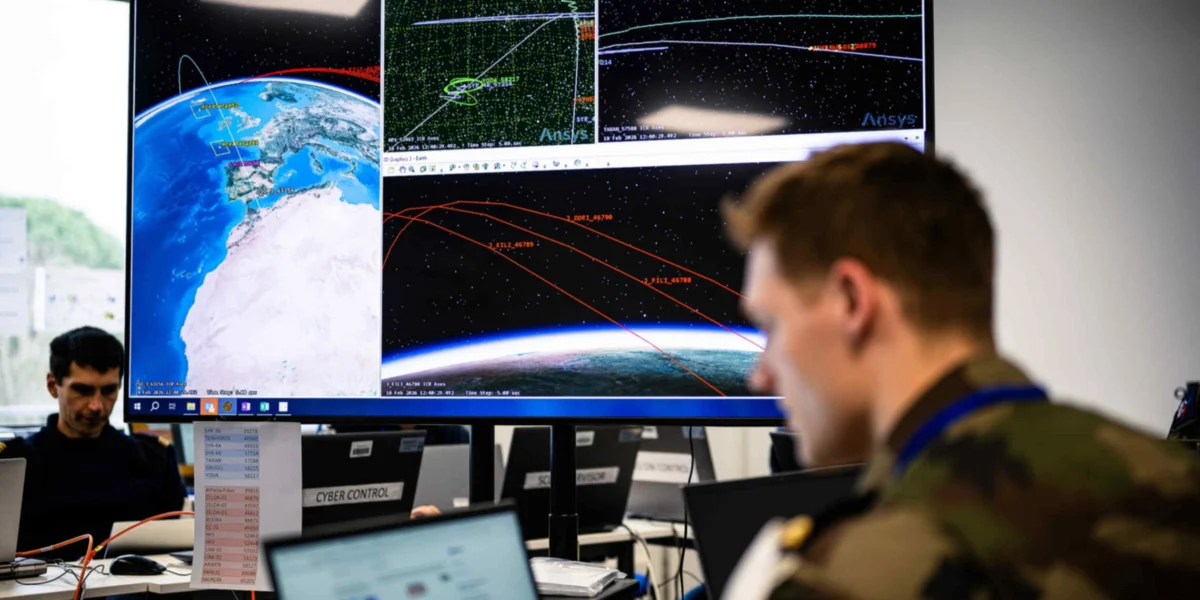
Japan and France are poised to deepen their collaboration in the critical domain of space defense, a move signaling a concerted effort by two key Indo-Pacific and European powers to bolster their capabilities in response to escalating threats from China and Russia. The enhanced partnership is expected to facilitate the sharing of vital satellite data, a significant step that underscores the evolving geopolitical landscape and the increasing reliance on space-based assets for national security. This initiative follows Japan’s participation in the French-led space military exercise SparteX earlier this year, marking a tangible progression in bilateral defense cooperation.

A Strategic Pivot in Space Security
The decision by Tokyo and Paris to explore closer space defense integration is not an isolated event but a strategic pivot driven by a shared recognition of the growing vulnerabilities in the space domain. Both nations have observed with increasing concern the rapid advancements in China’s and Russia’s counter-space capabilities, which include sophisticated anti-satellite weapons, electronic warfare systems, and cyberattack vectors designed to disrupt or disable satellite operations. These developments pose a direct threat to the communication, navigation, and intelligence, surveillance, and reconnaissance (ISR) satellites that are indispensable for modern military operations and civilian infrastructure.
For Japan, this deepening alliance with France, a leading European power with a robust space program and significant influence within the European Union and NATO, is particularly salient. Japan has been actively seeking to strengthen its alliances and partnerships to counter China’s assertive military posture in the Indo-Pacific, particularly its growing naval presence and territorial claims. The recent activation of Japan’s Space Operations Command within the Air Self-Defense Force in May 2020, and its subsequent efforts to enhance space situational awareness and counter-space capabilities, highlight Tokyo’s commitment to securing its interests in orbit.

France, under President Emmanuel Macron, has consistently advocated for greater European strategic autonomy and has identified space as a key pillar of its defense strategy. The French Space Command (Commandement de l’Espace), established in 2019, spearheads the nation’s efforts to ensure freedom of action in space and protect its space assets. France’s active role in international space security dialogues and its participation in multinational exercises like SparteX underscore its ambition to be a leading player in shaping the future of space defense.
SparteX: A Catalyst for Collaboration
The French-led space military exercise SparteX, which Japan participated in earlier this year, served as a crucial testing ground and a potent symbol of this burgeoning cooperation. While specific details of SparteX are classified, such exercises typically involve simulating various space-related scenarios, including the detection and tracking of space debris, the monitoring of potential threats from adversarial satellites, and the coordination of responses to space-based emergencies. Japan’s involvement signals a commitment to interoperability and the development of common operating procedures with its French counterparts.

The exercise likely provided invaluable opportunities for Japanese and French space operators to exchange best practices, test communication protocols, and gain a deeper understanding of each other’s capabilities and operational doctrines. This hands-on experience is vital for building trust and establishing the foundations for more complex joint operations in the future, especially in data sharing, which requires robust security measures and mutual confidence.
The Significance of Satellite Data Sharing
The prospect of sharing satellite data is a game-changer in space defense. Satellites provide critical intelligence, offering real-time situational awareness of terrestrial, maritime, and aerial activities. This data is essential for a wide range of military functions, including early warning systems, target identification, force protection, and strategic planning.

For Japan, access to French satellite reconnaissance and surveillance capabilities could significantly enhance its understanding of China’s military movements in the East and South China Seas, as well as its broader Indo-Pacific ambitions. Conversely, Japan’s advanced satellite technologies, particularly in areas like Earth observation and signals intelligence, could offer valuable insights to France regarding activities in the Indo-Pacific theater and beyond.
This data sharing is not merely about increased intelligence; it’s about creating a more resilient and comprehensive surveillance network. By pooling resources and information, both nations can achieve a more persistent and detailed picture of the space environment and potential threats. This could involve sharing data from optical, radar, and signals intelligence satellites, as well as data related to space domain awareness – the ability to track and identify all objects in orbit.

Addressing the Dual-Domain Threat
The strategic impetus for this partnership is rooted in the recognition that future conflicts will increasingly be fought across multiple domains, including space. China and Russia have both been vocal about their capabilities in developing anti-satellite weapons, including kinetic kill vehicles, directed energy weapons, and electronic jamming systems. These threats are designed not only to disable adversary satellites but also to create a disincentive for their use.
-
China’s Counter-Space Program: Beijing has made substantial investments in its space program, with a clear military objective. Reports from various defense intelligence agencies have documented China’s development and testing of direct-ascent anti-satellite missiles, co-orbital weapons, and electronic warfare capabilities. The People’s Liberation Army’s integration of space assets into its doctrine emphasizes their critical role in enabling multi-domain operations and achieving strategic objectives.

-
Russia’s Space Capabilities: Moscow has also demonstrated its commitment to developing and fielding counter-space capabilities. Russia has a long history of expertise in electronic warfare and has been observed to possess capabilities that could be used to disrupt or jam satellite communications and navigation signals. Its development of direct-ascent and co-orbital anti-satellite weapons remains a significant concern for Western defense planners.
The potential for these adversaries to disrupt or destroy a nation’s satellite constellations presents a profound strategic risk. The loss of critical space-based assets could cripple a nation’s ability to communicate, navigate, and gather intelligence, severely degrading its military effectiveness and potentially leaving it vulnerable to attack.

A Broader Geopolitical Context
The Japan-France space defense collaboration is also situated within a broader geopolitical realignment. Both nations are increasingly aligned on strategic issues, particularly concerning the free and open Indo-Pacific and the need to uphold international law and norms. France, as a nation with overseas territories in the Indo-Pacific, has a vested interest in regional stability and security.
This partnership complements other security initiatives involving Japan, such as its strengthened alliance with the United States, its deepening security ties with Australia, and its growing trilateral cooperation with the US and Australia on advanced capabilities. For France, it aligns with its efforts to bolster European defense capabilities and its engagement with like-minded partners in the Indo-Pacific.

The implications of this intensified cooperation are far-reaching. It signals a commitment to a more integrated and proactive approach to space security, moving beyond passive defense to active deterrence. The sharing of sensitive satellite data requires a high degree of trust and robust legal and technical frameworks. The establishment of such frameworks between Japan and France will be a complex but crucial undertaking.
Future Outlook and Potential Challenges
The path forward will likely involve several key steps:

- Establishing Data Sharing Agreements: Formal agreements will be needed to define the types of data to be shared, the security protocols, the legal liabilities, and the conditions under which data can be accessed and used.
- Enhancing Interoperability: Continued joint exercises and training will be essential to ensure that Japanese and French space systems and personnel can seamlessly operate together.
- Developing Common Standards: Harmonizing technical standards for satellite operations, data formats, and communication protocols will facilitate smoother data exchange and joint operations.
- Joint Research and Development: Future collaborations could extend to joint research and development of new space defense technologies, such as advanced space situational awareness systems, resilient communication networks, and counter-space capabilities.
However, challenges remain. The classification of sensitive military data, differing national regulations, and the potential for cyber vulnerabilities will require careful management. Furthermore, the expansion of space defense cooperation could be perceived by China and Russia as escalatory, potentially leading to a further intensification of the space arms race.
Despite these challenges, the deepening Japan-France space defense partnership represents a significant development in global space security. It underscores the growing importance of space as a strategic domain and the imperative for allied nations to collaborate to ensure its peaceful and secure use for the benefit of all. The move signals a proactive stance against emerging threats and a commitment to safeguarding vital national interests in an increasingly contested orbital environment. The continued evolution of this partnership will be closely watched as a bellwether for broader trends in international space defense cooperation.