Lina Wu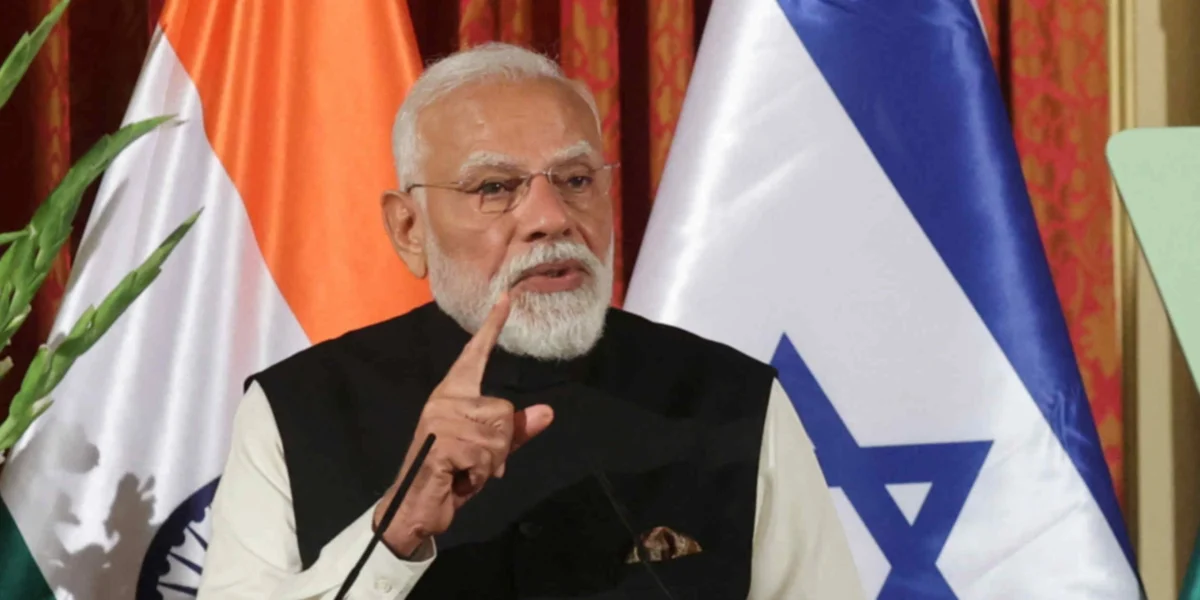
NEW DELHI — India is poised for a pivotal series of state elections next month, a contest where Prime Minister Narendra Modi’s Bharatiya Janata Party (BJP) seeks to solidify its political dominance and secure vital gains. However, the electoral landscape is increasingly overshadowed by escalating anxieties regarding the nation’s energy security, directly impacted by the unfolding U.S.-Israeli military campaign against Iran. The ongoing conflict in the Middle East has sent ripples across global energy markets, and for India, a significant importer of crude oil, the implications are profound and multifaceted, potentially influencing both domestic policy and international relations.
The upcoming state polls, scheduled to commence in April 2026, represent a critical juncture for the BJP. Having governed for over a decade at the federal level, the party’s performance in these sub-national elections is often viewed as a barometer of its continued public support and a precursor to national electoral trends. Modi himself has been actively engaged in campaigning, seeking to leverage his government’s achievements and address public concerns. Yet, the persistent instability in the Persian Gulf region presents a complex challenge, introducing an element of economic uncertainty that could sway voter sentiment.
Background to the Escalating Tensions
The current U.S.-Israeli military operations against Iran are the culmination of years of escalating tensions, primarily stemming from Iran’s nuclear program, its regional proxy activities, and a series of tit-for-tat aggressions. While the precise trigger for the current phase of direct conflict remains subject to ongoing geopolitical analysis, its roots can be traced back to a series of events:
- Early 2020s: A period marked by heightened rhetoric and sporadic incidents, including attacks on oil tankers and drone strikes, often attributed to Iranian proxies or directly to Iran itself, prompting retaliatory measures.
- Mid-2020s: A significant escalation in Iranian missile tests and alleged cyberattacks targeting critical infrastructure in the region, leading to increased diplomatic pressure and sanctions from the U.S. and its allies.
- Late 2025/Early 2026: A series of coordinated military actions, reportedly involving targeted strikes on Iranian military installations and alleged involvement in disrupting regional shipping lanes, which have been widely described as a U.S.-Israeli led campaign. While official pronouncements from Washington and Tel Aviv have been cautious, the operational scope and intensity of these actions point to a concerted effort to degrade Iran’s military capabilities and influence.
This prolonged period of geopolitical friction has consistently exerted pressure on global oil prices. Fluctuations in supply, fears of regional conflict spreading, and the imposition of sanctions have created a volatile market environment. For India, which imports approximately 80% of its crude oil, this translates into direct economic vulnerability.
India’s Energy Dependency: A Critical Vulnerability
India’s economic growth trajectory is intrinsically linked to its energy consumption. The nation’s burgeoning industrial sector, expanding transportation network, and rising middle class all contribute to a significant and growing demand for oil and gas. This dependency makes the country susceptible to external shocks in the global energy market.
- Import Bill: India’s annual oil import bill runs into tens of billions of dollars. Any sustained increase in global crude prices directly translates into a higher import cost, widening the trade deficit and putting pressure on the Indian Rupee.
- Inflationary Pressures: Higher fuel prices have a cascading effect on the Indian economy, increasing transportation costs for goods and services, which in turn fuels broader inflation. This can erode household purchasing power and impact consumer spending, a crucial driver of India’s GDP.
- Strategic Reserves: While India maintains strategic petroleum reserves (SPRs) to buffer against short-term supply disruptions, these reserves are finite and primarily designed for emergencies rather than prolonged periods of high prices. The current geopolitical climate raises concerns about the adequacy and long-term sustainability of these reserves if the conflict were to significantly impact global supply chains.
Modi’s Jerusalem Visit: A Diplomatic Balancing Act
Prime Minister Narendra Modi’s visit to Jerusalem on February 26, 2026, as captured in the accompanying photograph, occurred amidst this backdrop of geopolitical and economic uncertainty. While the stated purpose of such high-level visits is typically to foster bilateral cooperation and address shared interests, the timing of Modi’s engagement with Israeli leadership, particularly in the context of the ongoing U.S.-Israeli operations against Iran, is noteworthy.
India has historically maintained a policy of strategic autonomy, balancing its relationships with various regional powers. It has robust diplomatic and economic ties with both Israel and Iran. This delicate balancing act is crucial for maintaining India’s energy security, as Iran has historically been a significant supplier of crude oil to India.
- Pre-Conflict Trade: Prior to the imposition of stringent international sanctions, Iran was one of India’s top oil suppliers. However, sanctions have significantly curtailed this trade, forcing India to seek alternative sources, often at higher prices.
- Geopolitical Nuances: Modi’s visit to Jerusalem, while focused on strengthening ties with Israel, inevitably occurs within the broader context of regional security. India’s official stance on the U.S.-Israeli operations against Iran has been characterized by calls for de-escalation and adherence to international law, reflecting its commitment to regional stability without overtly taking sides in a manner that could jeopardize its complex relationships.
Election Dynamics and Energy Security Concerns
The impending state elections provide a crucial electoral test for the BJP. The party’s campaign narrative typically emphasizes economic development, national security, and effective governance. However, the growing concerns over energy security introduce a new dimension to the electoral discourse.
- Voter Sentiment: Rising fuel prices and the potential for economic disruption due to the Iran conflict could translate into voter dissatisfaction. Opposition parties are likely to seize upon these concerns, highlighting the government’s perceived vulnerability in managing external economic pressures.
- Policy Responses: In response to these anxieties, the Indian government has been exploring a range of strategies:
- Diversification of Energy Sources: Efforts are underway to reduce reliance on any single supplier by forging stronger energy partnerships with countries in the Middle East, Africa, and North America.
- Promotion of Renewable Energy: The long-term strategy of accelerating the transition to renewable energy sources like solar and wind power remains a priority, aiming to reduce overall fossil fuel dependency.
- Diplomatic Engagement: India continues to engage in diplomatic channels, advocating for de-escalation and a peaceful resolution to the conflict, which is crucial for stabilizing global energy markets.
- Strategic Reserve Management: Close monitoring and strategic deployment of existing oil reserves are being undertaken to mitigate immediate supply shocks.
Supporting Data and Analysis
The impact of the U.S.-Israeli war against Iran on global energy markets can be observed through several key indicators:
- Crude Oil Prices: Following significant escalations in the conflict, benchmark crude oil prices, such as Brent and WTI, have historically witnessed sharp increases, often exceeding $100 per barrel and at times approaching $120-$130 per barrel during periods of peak uncertainty. While prices may fluctuate based on supply news and diplomatic developments, the underlying risk premium associated with the conflict remains a significant factor.
- Shipping and Insurance Costs: The disruption of shipping lanes in the Persian Gulf and surrounding areas leads to increased maritime insurance premiums and rerouting of vessels, adding to the overall cost of oil transportation.
- Indian Rupee Depreciation: A widening trade deficit, exacerbated by higher oil import bills, typically puts downward pressure on the Indian Rupee against the U.S. Dollar, further increasing the cost of dollar-denominated oil imports. For instance, a depreciation of the Rupee by 5-10% can add significantly to the annual import bill.
Broader Implications and Future Outlook
The ongoing conflict and its ramifications for India’s energy security extend beyond immediate economic concerns. They have the potential to shape India’s foreign policy, its defense preparedness, and its long-term economic planning.
- Geopolitical Realignment: The U.S.-Israeli military campaign could lead to significant shifts in regional alliances and power dynamics. India, as a major power in Asia, will need to navigate these evolving geopolitical currents carefully to protect its strategic interests.
- Technological Advancements: The crisis might accelerate investment in and adoption of alternative energy technologies, pushing India closer to its renewable energy targets in the long run, albeit driven by necessity rather than purely environmental considerations.
- Domestic Policy Focus: The government may be compelled to prioritize energy security in its policy agenda, potentially leading to increased budgetary allocations for energy infrastructure, strategic reserves, and research into alternative fuels.
The upcoming state elections, therefore, are not just about political mandates but also about how India will respond to a complex and volatile global environment. Prime Minister Modi and the BJP face the dual challenge of securing electoral victories while reassuring the nation about its economic stability and energy security in the face of a protracted geopolitical conflict in the Middle East. The outcome of these elections will not only determine the political landscape of several key Indian states but also reflect the nation’s resilience and adaptability in an increasingly uncertain world. The coming months will be critical in observing how these interconnected issues of domestic politics and international security unfold, shaping India’s trajectory in the years to come.