Putri Inara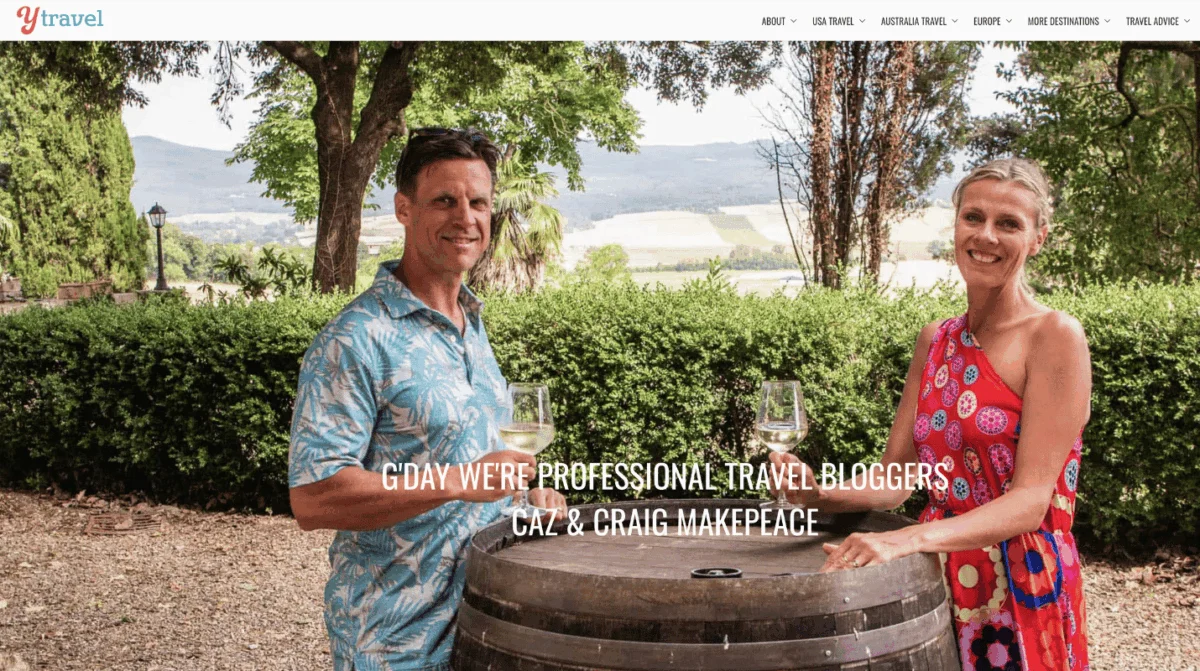
The global digital landscape has reached a point of extreme saturation, with over 600 million blogs currently active on the internet. In this competitive environment, technical proficiency—encompassing search engine optimization (SEO), mobile responsiveness, and high-quality prose—is no longer the sole determinant of commercial or editorial success. Industry analysts and digital marketing experts increasingly point to "brand personality" as the primary differentiator between high-traffic platforms and those that fail to gain traction. Personality in the context of digital publishing is defined as the unique set of human characteristics associated with a brand, which facilitates deeper psychological connections with an audience.
The Evolution of the Personal Brand in Digital Publishing
The history of blogging has transitioned through several distinct phases. In the late 1990s and early 2000s, "weblogs" were primarily online diaries with minimal commercial intent. By 2010, the "professionalization phase" saw bloggers adopting corporate standards, often at the expense of individual voice. However, the current era, beginning roughly in 2018 and accelerating through the 2020s, is defined by the "Human-to-Human" (H2H) marketing model. Data from the 2023 Orbit Media Annual Blogger Survey indicates that bloggers who incorporate personal elements, such as original photography and opinionated commentary, report "strong results" at a rate 2.5 times higher than those who rely solely on informational content.
The following analysis examines ten specific strategies employed by industry-leading bloggers to synthesize technical excellence with distinct personal branding.
Visual Storytelling and Personal Media Integration
The strategic use of visual assets is the first point of contact between a publisher and a reader. For travel-focused platforms like YTravel, managed by Caz and Craig Makepeace, the personalization of content is achieved through high-resolution, candid photography of their family. This approach serves a dual purpose: it validates the authenticity of the travel advice provided and creates a relatable narrative for their primary demographic—traveling families.
Supporting data from HubSpot suggests that content with relevant images receives 94% more views than content without. In the case of YTravel, the imagery is not merely decorative; it is a trust-building mechanism. By showcasing the "real-world" application of their travel tips, the publishers move from being anonymous advisors to trusted peers.
The Psychology of the "Flair" and Quirky Identity
Pat Flynn of Smart Passive Income exemplifies the use of "flair"—the inclusion of specific, sometimes irrelevant, personal details that humanize a professional figure. Flynn’s self-identification as a "father, husband, and protector of Baby Yoda" serves as a psychological "pattern interrupt." In a niche often dominated by aggressive, sterile financial advice, these personal descriptors foster parasocial relationships.

According to the Journal of Marketing Research, consumers are more likely to remain loyal to a brand that exhibits human-like personality traits, as it reduces the perceived risk of the transaction. Flynn’s strategy demonstrates that professional authority is not diminished by personal transparency; rather, it is enhanced by it.
The Polarization Effect in Editorial Tone
Shannon Kelly White utilizes a high-intensity, often provocative editorial tone to differentiate her platform. While the use of "salty language" is a polarizing choice, it is an effective branding tool for audience segmentation. By adopting a voice that mirrors authentic, unfiltered conversation, White creates a "tribe" of loyal readers who appreciate transparency, while simultaneously filtering out readers who are not a cultural fit for her brand.
Marketing analysis of "polarizing brands" suggests they often enjoy higher levels of engagement and word-of-mouth advocacy. When a brand takes a firm stance on its identity—including its linguistic style—it fosters a sense of belonging among its core audience.

Mascot Marketing and Custom Illustrations
Ramsey, the creator of Blog Tyrant, employs a different method of personalization: the use of a custom-illustrated avatar. The red-shirted superhero character serves as a visual shorthand for the brand’s mission of empowering "tyrant" bloggers to take control of their professional lives.
The use of custom illustrations, rather than generic stock photography, provides a unique brand asset that is easily recognizable across multiple digital touchpoints, from social media headers to lead magnets. This strategy aligns with cognitive load theory; a consistent visual mascot reduces the effort required for a reader to identify the source of the content.
The Strategic Importance of the "About" Page
Elsie Larson and Emma Chapman of A Beautiful Mess have optimized their "About" page as a primary conversion tool. On most professional blogs, the "About" page is the second or third most visited URL. The sisters use this space to offer a bright, bold visual introduction and a concise narrative that explains their "why" rather than just their "what."

Chronologically, the "About" page has shifted from a resume-style listing of achievements to a mission statement that invites the reader into the brand’s lifestyle. This transition is essential for lifestyle blogs where the "product" being sold is the taste and perspective of the creators.
Omnichannel Branding Consistency
Chris Ducker, a specialist in "Youpreneurship," maintains a rigorous level of branding consistency across all platforms. Whether a user is on his blog, Twitter, or LinkedIn, the visual identity—specifically his professional headshot and color palette—remains identical.
The "Rule of 7" in marketing states that a prospect needs to see a brand at least seven times before they take action. Consistency in personalization ensures that each of those seven touches is attributed to the same individual, thereby accelerating the trust-building process.

Color Psychology and Visual Harmony
Jadah Sellner’s platform demonstrates the sophisticated use of color psychology to reinforce brand personality. Her site utilizes a warm, earthy palette that extends from the web design to the clothing she wears in her professional photography.
Research published in the journal Management Decision found that up to 90% of snap judgments made about products can be based on color alone. Sellner’s choice of colors communicates warmth, health, and accessibility—core tenets of her coaching and wellness brand. This visual harmony creates a "mood" that personalizes the user experience before a single word is read.
The Brand Statement as a Filtering Mechanism
James Schramko of SuperFastBusiness utilizes a direct brand statement to personalize the professional experience. By immediately stating who his services are for and the specific problems he solves, Schramko personalizes the content for the reader.

This "outward-facing personalization" is a high-level strategy. It moves the focus from the blogger’s personality to the reader’s identity. When a visitor sees a statement that describes their current professional struggle, they feel a personal connection to the publisher, who is perceived as having a unique understanding of their situation.
Frictionless Calls to Action
Kelly Exeter’s approach to personalization involves clarity and the removal of digital friction. Her tagline and Call to Action (CTA) are designed to cut through the noise of traditional marketing. By telling the reader exactly what she does and providing a direct path to a solution ("FIND OUT HERE"), she respects the reader’s time—a personal gesture that is often overlooked in digital design.
This approach reflects the "Don’t Make Me Think" philosophy of web usability. Personalization, in this context, is an act of service: providing the reader with exactly what they need without unnecessary complexity.

Audience Identification through Psychological Frameworks
Emily Wapnick of Puttylike has built a significant digital presence by defining a personality type: the "Multipotentialite." Through her TED talk and subsequent blog content, she has provided a label for a segment of the population that previously felt fragmented.
Her use of a quiz ("Are You a Multipotentialite?") as a lead magnet is a masterclass in personalization. It allows the visitor to engage in self-discovery, which then ties their personal identity to her brand. This strategy shifts the relationship from a passive consumer of information to an active member of a defined community.
Broader Impact and Implications for the Creator Economy
The move toward hyper-personalization in blogging carries significant implications for the future of the creator economy. As Artificial Intelligence (AI) becomes increasingly capable of generating high-quality, informational text, the value of "pure information" is trending toward zero. In this landscape, the "human element"—personality, lived experience, and unique voice—is the only asset that cannot be easily replicated by algorithmic models.

Data from the 2024 Digital Trends Report suggests that 71% of consumers feel frustrated when a shopping or content experience is impersonal. For bloggers, this means that the integration of personality is no longer an optional "extra" but a fundamental requirement for long-term viability.
The strategies outlined above—from visual consistency and color psychology to the use of mascottry and polarizing tone—provide a roadmap for publishers looking to insulate their brands against the commoditization of content. By fostering genuine human connections, these bloggers have transformed their platforms from simple websites into influential communities and robust business entities. The final takeaway for modern publishers is clear: technical excellence gets a reader to a site, but personality keeps them there.