Putri Inara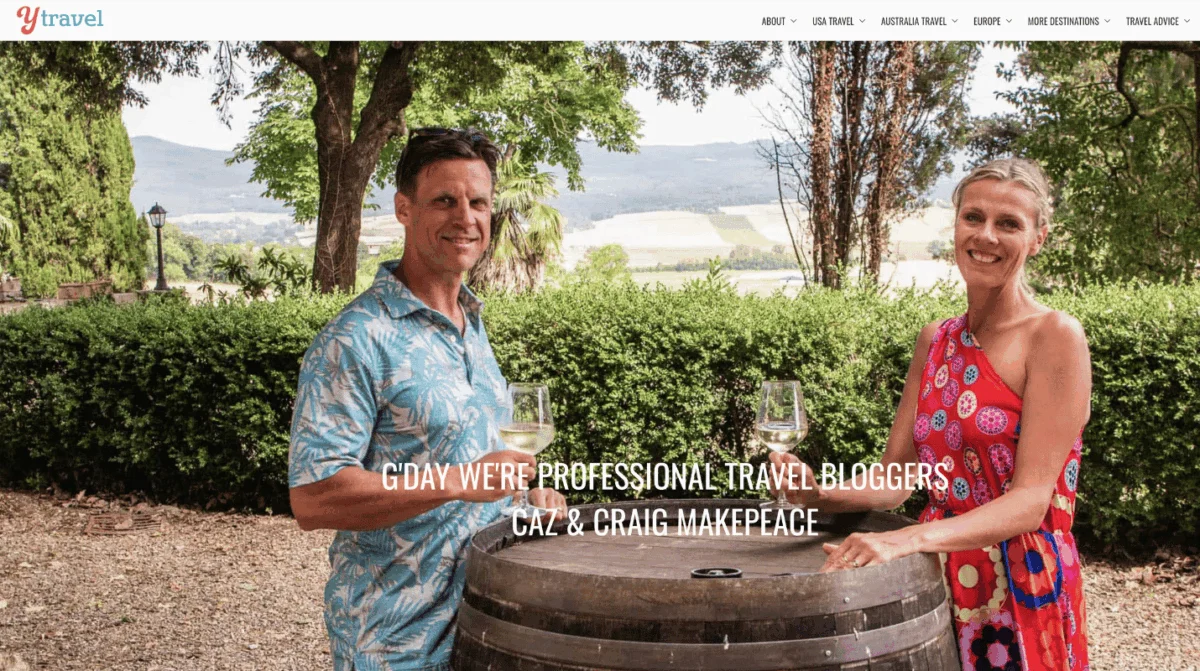
The digital publishing landscape has reached a point of saturation where technical proficiency and search engine optimization (SEO) are no longer sufficient to guarantee audience retention or commercial success. In an era where artificial intelligence can generate well-structured, factually accurate content in seconds, the differentiator for human-led platforms has shifted toward "personality branding." Industry data suggests that while SEO drives initial discovery, personality-driven content is the primary driver of repeat traffic and community engagement. Digital marketing analysts have observed that blogs lacking a distinct "human" element often suffer from high bounce rates, as readers fail to form a psychological connection with the brand. To remain competitive, modern creators are increasingly adopting sophisticated personalization strategies that blend visual identity, unique narrative voices, and interactive audience segmentation.
The Evolution of the Blogging Identity: A Brief Chronology
The trajectory of blogging has undergone three distinct phases over the last two decades. In the late 1990s and early 2000s, the "Diary Era" was characterized by raw, unpolished personal accounts with little regard for monetization or design. By 2010, the "Corporate-Professional Era" took hold, where bloggers prioritized SEO, keywords, and standardized layouts to appease search engine algorithms. This led to a homogenization of content, often referred to by critics as "the sea of sameness."
Beginning around 2017, the industry entered the "Personality Brand Era." In this current phase, the most successful digital entrepreneurs treat their blogs as holistic brands rather than mere repositories for articles. This shift is supported by consumer psychology data; a 2023 study on digital trust indicated that 81% of consumers need to be able to trust a brand before they buy from them, and personal connection is a leading indicator of that trust.
Visual Storytelling and Familial Connection: The YTravel Model
Caz and Craig of YTravel have established a benchmark for personalization through high-quality, candid photography. In the travel blogging niche, where stock imagery is prevalent, YTravel utilizes original photography that features the creators and their family. This approach serves a dual purpose: it validates the authenticity of the travel advice and creates a "parasocial relationship" with the audience.
According to data from HubSpot, content featuring relevant images sees a 94% increase in views compared to text-only content. However, YTravel goes a step further by ensuring their photos are not just high-resolution, but high-emotion. By documenting the challenges of flying with children or the reality of settling into a new country, they humanize their brand, making their success feel attainable to their readers.

Authentic Branding and Quirky Humor: The Pat Flynn Approach
Pat Flynn, founder of Smart Passive Income, demonstrates how personalization can bridge the gap between professional authority and personal relatability. Flynn’s site prominently features his roles as a "father, husband, and serial entrepreneur," but adds a layer of "geek culture" humor, such as his self-proclamation as a "protector of Baby Yoda."
This strategy leverages the "Prattfall Effect," a psychological phenomenon where individuals who are perceived as highly competent become more likable when they show a minor flaw or a quirky human interest. By blending high-level business coaching with lighthearted personal interests, Flynn creates a brand that is both aspirational and accessible.
The Polarization of Tone: Shannon Kelly White and Authenticity Marketing
In the realm of lifestyle blogging, Shannon Kelly White utilizes a high-intensity narrative voice characterized by unfiltered language. While "salty" language is traditionally discouraged in professional writing, White uses it as a strategic filter. This "Authenticity Marketing" approach intentionally polarizes the audience, quickly alienating those who are not a cultural fit while deepening the loyalty of those who are.

From a data perspective, this reduces "passive" followers and increases "active" engagement. Research into community building suggests that a shared language or "in-group" vocabulary—even if controversial—is one of the strongest drivers of community cohesion.
Custom Visual Assets: Blog Tyrant’s Mascot Strategy
Ramsey of Blog Tyrant utilizes custom illustrations, specifically a red-shirted "super-hero" avatar, to maintain brand recall. In a digital environment where users are bombarded with thousands of images daily, custom illustrations provide a unique visual anchor that stock photos cannot replicate.
Marketing experts note that custom mascots can increase brand recognition by up to 30%. By featuring this avatar across his blog, free reports, and social media, Ramsey creates a cohesive "universe" for his content, making the Blog Tyrant brand instantly recognizable even when stripped of its URL.

The "About Page" as a Conversion Funnel: A Beautiful Mess
Sisters Elsie and Emma of A Beautiful Mess treat their "About Us" page not as a secondary biography, but as a primary engagement tool. They utilize bright, bold photography and a catchy introduction to establish their aesthetic and mission immediately.
Data indicates that the "About" page is often the second or third most-visited page on a blog. A Beautiful Mess optimizes this real estate to transition a casual reader into a brand enthusiast. By presenting their history and values with high-production value, they set the tone for the entire user experience.
Cross-Platform Consistency: The Chris Ducker Method
Chris Ducker, author of Youpreneur, emphasizes the importance of a consistent visual identity across multiple touchpoints. By using the same professional headshot and color palette on his blog, Twitter, Facebook, and LinkedIn, Ducker ensures that his brand is reinforced every time a user encounters him.

In a fragmented media landscape, consistency is key to building "Brand Salience"—the degree to which a brand is noticed or thought of in buying situations. Ducker’s strategy minimizes cognitive load for the reader; they do not have to "re-learn" who he is on different platforms, which accelerates the trust-building process.
Color Psychology in Web Design: The Jadah Sellner Case Study
Jadah Sellner’s platform is a masterclass in the use of color theory to evoke specific emotional responses. Her site utilizes a warm, earthy palette that extends to her wardrobe in her professional photography. This creates a "seamless" brand experience that feels intentional and curated.
Color psychology data suggests that warm tones can evoke feelings of comfort and reliability. By aligning her visual identity with these colors, Sellner subconsciously signals to her audience that her brand is a safe space for personal and professional growth. This level of detail in personalization suggests a high degree of brand maturity.

Defining the Value Proposition: SuperFastBusiness and Brand Statements
James Schramko of SuperFastBusiness utilizes a direct brand statement to personalize his content for a specific audience. By immediately identifying who his coaching services are for, he eliminates ambiguity. This is a critical component of "niche personalization."
In the B2B (business-to-business) sector, efficiency is a primary driver of value. Schramko’s approach respects the reader’s time by providing an immediate answer to the question: "Is this for me?" This transparency builds professional respect and ensures that his lead-generation efforts are highly targeted.
Strategic Calls to Action: Kelly Exeter’s User Experience
Kelly Exeter demonstrates how personalization can be applied to the user interface (UI). Her blog utilizes a "tagline and call to action" (CTA) that cuts through digital noise. Instead of a generic "Subscribe" button, she uses direct language like "FIND OUT HERE" to guide readers toward specific solutions.

Conversion rate optimization (CRO) data shows that personalized CTAs perform 202% better than basic ones. Exeter’s strategy involves identifying the reader’s pain points and providing a clear, direct path to a solution, thereby personalizing the user’s journey through the site.
Audience Segmentation through Interactive Tools: Puttylike
Emily Wapnick of Puttylike has pioneered a unique form of "reader personalization" by helping her audience define themselves. Her "Multipotentialite" quiz serves as a lead magnet that encourages visitors to identify with a specific personality type.
This is a sophisticated use of "First-Party Data." By providing a quiz, Wapnick not only provides value to the reader through self-discovery but also segments her audience based on their results. This allows for highly personalized email marketing and content delivery, which significantly improves long-term retention rates.

Broader Implications and Industry Analysis
The shift toward extreme personalization in blogging reflects a broader trend in the global creator economy. As digital platforms become more crowded, the "human factor" has become the ultimate competitive advantage. Market analysis suggests that the most resilient digital brands are those that prioritize "emotional equity" alongside content quality.
For independent creators, the implications are clear: technical excellence is the baseline, but personality is the ceiling. The 10 bloggers analyzed here demonstrate that personalization is not a single action but a multi-layered strategy involving visual design, narrative voice, psychological triggers, and interactive technology.
Official responses from digital marketing agencies and platform developers (such as WordPress and HubSpot) have mirrored these findings, with a renewed focus on "human-centric" design tools and features that allow for greater customization. As the industry continues to evolve, the ability to project a clear, authentic, and consistent personality will likely remain the primary factor distinguishing market leaders from the rest of the digital landscape. In conclusion, personalizing a blog is no longer an optional "extra"—it is a strategic necessity for anyone seeking to build a sustainable and impactful presence in the modern digital age.