Gilang Muhammad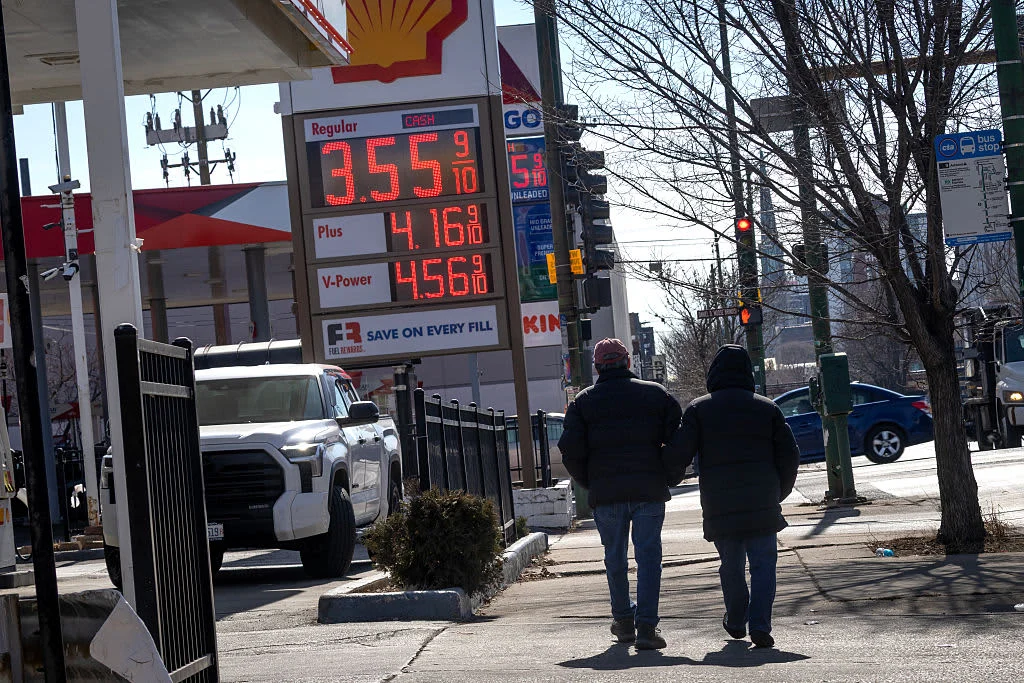
The geopolitical landscape has shifted dramatically, initiating a cascade of economic repercussions that are now palpable for American consumers, thousands of miles from the immediate theater of conflict. Following a series of U.S.-Israeli strikes targeting Iran over the past weekend, financial markets have reacted with pronounced volatility, pushing mortgage rates higher, and sending gasoline prices soaring. These immediate changes are poised to further dampen an already fragile consumer sentiment and elevate the pervasive issue of affordability to an even more critical political concern ahead of upcoming elections.
The Genesis of Economic Instability: A Geopolitical Flashpoint
The recent U.S.-Israeli military actions against Iran mark a significant escalation in an already fraught regional dynamic, rooted in decades of complex geopolitical rivalries, proxy conflicts, and security concerns. While the precise details and immediate triggers of the weekend’s strikes remain under close scrutiny by international observers, the market’s response was swift and unambiguous. Investors and consumers alike reacted to the heightened risk of a broader regional conflict, particularly one involving major oil-producing nations in the Middle East. This apprehension translated rapidly into a flight to safety in certain assets and a surge in commodity prices, particularly crude oil, due to fears of supply disruptions in the vital Strait of Hormuz, a critical chokepoint for global oil shipments.
Mark Brennan, an associate professor at New York University’s Stern School of Business, succinctly captured the sentiment, stating, "Wars are never good for consumer sentiment. They might be good for munitions, manufacturers and lobbyists and all these clowns, but not good for the average consumer." This perspective underscores the broad economic detriment that military conflicts typically impose on household budgets and financial stability.
Energy Markets Under Pressure: A Sharp Rise at the Pump
One of the most immediate and tangible impacts for American households has been the abrupt and significant increase in gasoline prices. By Thursday, the national average for a gallon of gas in the U.S. reached $3.25, according to data from AAA. This figure represents a dramatic one-week jump of 27 cents, a magnitude of increase reminiscent of the initial shockwaves felt across energy markets at the onset of Russia’s full-scale invasion of Ukraine in February 2022. That earlier conflict also triggered a sharp global energy crisis, demonstrating the interconnectedness of geopolitical stability and global commodity prices.
Further analysis from Bespoke Investment Group highlighted the severity of this recent surge, noting that gas prices experienced an 8.5% increase over just three days. This marks the largest such three-day jump since Hurricane Katrina devastated the U.S. Gulf Coast in 2005, an event that severely disrupted oil production and refining capacity in the region. The comparison to such historical disruptions underscores the gravity of the current situation.
The upward trajectory in energy costs is far from over. Following Friday’s continued surge in global oil prices, projections indicate that gasoline prices are poised to climb even higher in the coming days. Gasoline futures trading in New York recorded an additional 2% increase on Friday, signaling continued pressure on retail prices.
This recent shock comes after a period where consumers had experienced some welcome relief at the pump. Late last year, the average price of a gallon of gas had fallen to its lowest level since 2021, according to AAA, offering a brief respite from the persistent inflationary pressures that had characterized the post-pandemic economy. This prior downward trend had been attributed to a combination of increased global supply, concerns about a potential economic slowdown, and a relatively mild winter in some key consumption regions. The sudden reversal due to geopolitical tensions highlights the inherent volatility and sensitivity of energy markets to external shocks.
The Strategic Petroleum Reserve (SPR), a crucial emergency supply of crude oil maintained by the U.S. government, often becomes a point of discussion during periods of extreme oil price volatility. While the original article noted that there has been "no discussion the SPR will be released any time soon," this context is vital. The SPR’s purpose is to mitigate severe supply disruptions and price spikes, as demonstrated during previous crises. Its non-deployment in the current scenario suggests that, at least for now, policymakers may view the current situation as manageable through other means, or that the criteria for an emergency release have not yet been met. However, should the conflict escalate or persist, and global oil supplies face more direct threats, the SPR could re-emerge as a tool for market stabilization.
The Housing Market Reacts: Mortgage Rates Climb
Beyond the gas pump, the U.S. housing market has also felt the immediate financial repercussions. The widely watched 30-year fixed mortgage rate, a benchmark for millions of prospective homebuyers, jumped above 6.1% this week, according to Mortgage News Daily. This increase reverses a recent trend where the popular fixed-rate loan had been trading below 6%, hovering around multi-year lows and offering a glimmer of hope for a more accessible housing market.

The mechanism behind this rise is intrinsically linked to broader financial market movements. Mortgage rates generally track the yield on the 10-year Treasury bond, which serves as a bellwether for long-term interest rates. In the wake of the attacks on Iran, the 10-year Treasury yield climbed back above 4% this week. The primary driver for this increase in bond yields is renewed concern within the bond market about inflation. Higher oil prices, acting as a significant input cost across the economy, are reigniting fears that inflationary pressures, which had shown signs of moderating, could rev back up. To compensate for the erosion of future purchasing power due to inflation, bond investors demand higher yields, which in turn pushes up the cost of borrowing for consumers, including mortgage rates.
This latest spike in mortgage rates further exacerbates the existing affordability crisis in the housing market. For potential homebuyers, even a fractional increase in interest rates can translate into hundreds of dollars added to their monthly mortgage payments, significantly reducing their purchasing power and pricing many out of the market entirely. This is particularly challenging in a market already characterized by elevated home prices and limited inventory, making the dream of homeownership increasingly elusive for many American families.
Financial Markets in Turmoil: Volatility and Recession Fears
The ripple effects of the geopolitical events have also manifested profoundly in the U.S. stock markets, introducing a period of whipsawing volatility that contributes to a broader sense of economic uncertainty among consumers. Many Americans, whether directly active in trading stocks or indirectly exposed through retirement savings plans like 401(k)s and IRAs, see their financial health tied to market performance.
The Dow Jones Industrial Average, a key indicator of blue-chip stock performance, experienced a significant drop, falling nearly 800 points on Thursday. This decline coincided with U.S. crude oil prices breaking above $80 per barrel, reigniting investor concerns about how a protracted conflict and escalating energy costs could hamper global economic growth and corporate earnings. By the end of the week, the Dow had shed more than 2%, while the broader S&P 500, which encompasses a wider range of U.S. companies, also saw a decline of 0.7%.
The fear among market participants is that sustained high oil prices could trigger a global economic downturn. Dan Niles, founder of Niles Investment Management, articulated this concern in an interview on CNBC’s "Power Lunch," suggesting that if U.S. crude prices were to climb above $100 per barrel, a global recession could ensue. While Niles tempered this warning by expressing anticipation that the conflict might be relatively short-lived, potentially lasting only about a month, the mere possibility of such a scenario underscores the fragility of the global economy to geopolitical shocks. Investors often react to uncertainty by moving capital out of riskier assets like stocks and into safer havens, leading to market corrections and increased volatility.
Eroding Consumer Sentiment and Heightened Affordability Concerns
These accumulating ripple effects are intensifying the existing economic anxieties that have plagued Americans since the period of runaway inflation following the pandemic. The rapid increase in the cost of living over recent years has significantly weakened the financial footing of many households, making everyday expenses a constant struggle. Consumer sentiment, as measured by the University of Michigan’s closely followed Surveys of Consumers, has tumbled to near record lows in recent months, reflecting a deep-seated pessimism about the current and future state of the economy.
Even prior to the recent geopolitical developments rattling markets, growing economic inequality and the persistently high cost of living had already propelled "affordability" to the forefront of political discourse. As Americans prepare to head to the polls for midterm elections, candidates across the political spectrum have been forced to address how they plan to tackle the financial pressures facing ordinary citizens. The current economic fallout from the U.S.-Iran tensions is likely to further cement affordability as a leading campaign issue, potentially influencing voter behavior significantly.
The psychological impact of military conflicts on consumer behavior is well-documented. As Professor Brennan noted, "Wars put everybody ill at ease. It’s hard to paint a rosy scenario coming out of any of this stuff." This unease translates into increased caution in spending, investment, and long-term financial planning. When consumers feel uncertain about the future, they tend to retrench, which can slow economic growth, particularly in consumption-driven economies like that of the United States. This current geopolitical escalation, therefore, adds another layer of complexity to an economy already grappling with post-pandemic adjustments, inflationary pressures, and a widening wealth gap.
Official Reactions and Future Outlook
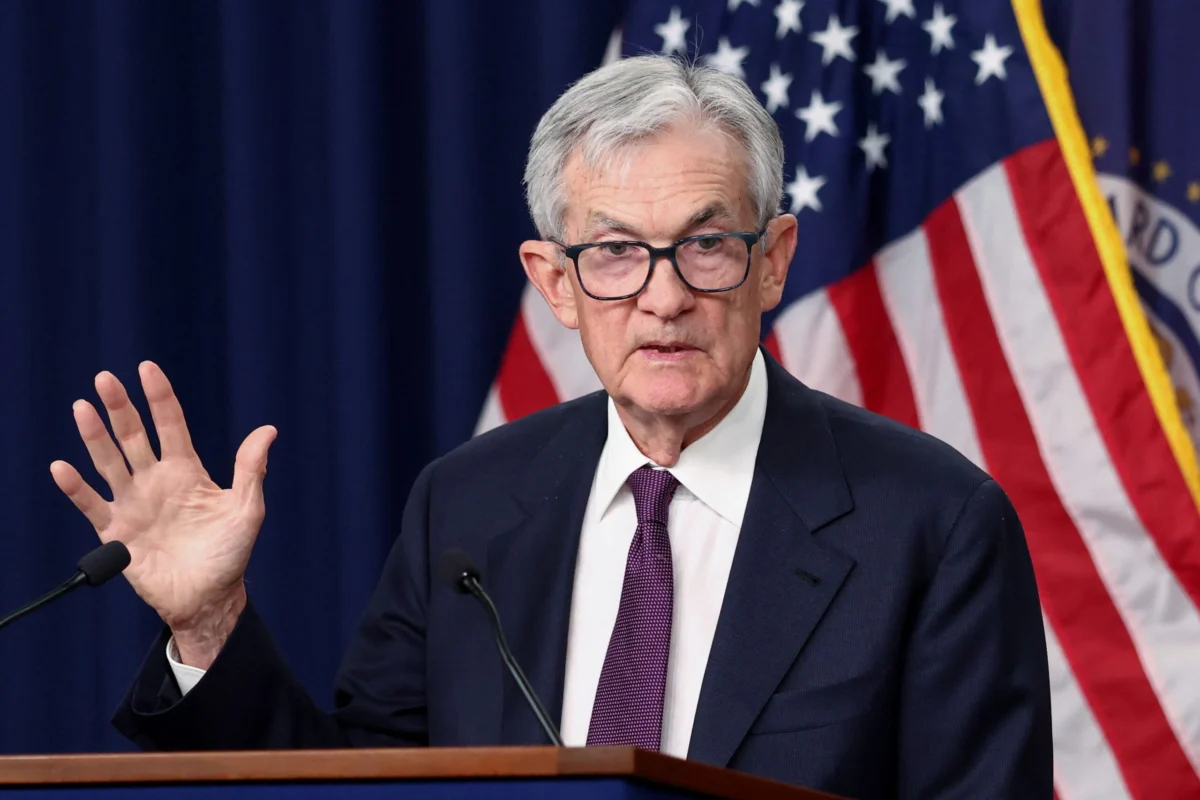
While the original article did not detail official government responses, in a typical scenario of such significant economic impact, central banks and treasury departments closely monitor developments. The Federal Reserve, for instance, would be faced with a delicate balancing act: addressing potential inflationary pressures stemming from higher energy prices without stifling economic growth already under strain from consumer caution and market volatility. Statements from government officials might emphasize the resilience of the U.S. economy, highlight efforts to ensure energy market stability, and express commitment to monitoring the situation closely.
Economic analysts generally agree that the duration and intensity of the geopolitical conflict will be key determinants of its ultimate economic toll. A swift de-escalation, as anticipated by some like Dan Niles, could see markets stabilize and some economic pressures abate. However, any prolonged engagement or further escalation could lead to more significant and lasting economic damage, including a more pronounced inflationary cycle, sustained higher interest rates, and a greater risk of recession. The interconnectedness of global supply chains and financial markets means that the U.S. economy cannot be insulated from major international upheavals, making the ongoing developments in the Middle East a critical factor in the economic well-being of American households for the foreseeable future. The confluence of rising energy costs, climbing mortgage rates, and volatile stock markets creates a challenging economic environment that will undoubtedly test the resilience of consumers and policymakers alike.