Evan Lee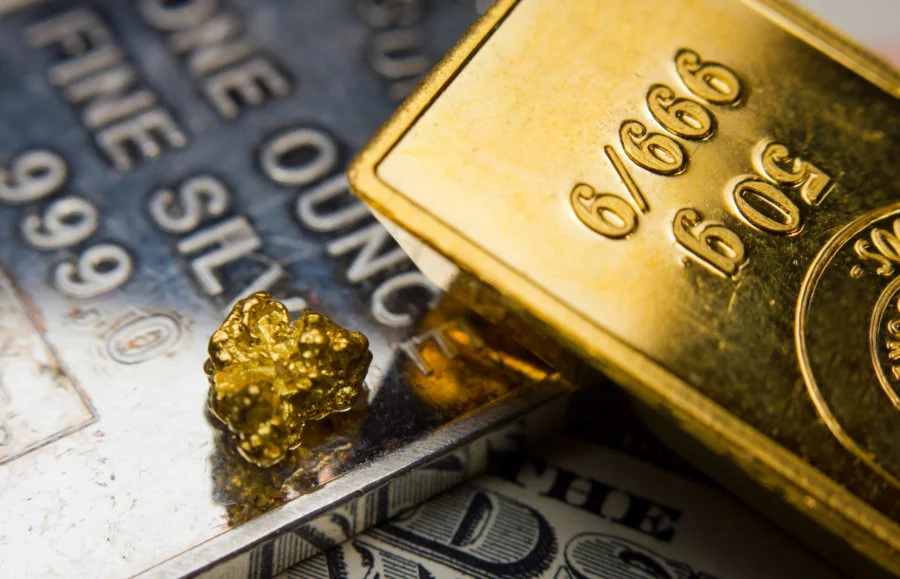
Gold prices experienced a notable dip on Friday, trading below the significant psychological threshold of $5,100 per ounce, and appearing poised for a second consecutive week of declines. This downward pressure on the precious metal is largely attributed to the persistent geopolitical instability in the Middle East, which is fanning the flames of higher energy prices and, consequently, bolstering expectations for continued elevated interest rates from global central banks.
The benchmark spot gold price saw a decline of up to 1% on Friday, briefly touching approximately $5,020 an ounce before regaining some of its lost ground. In contrast, silver, often a more volatile counterpart to gold, bore the brunt of the market’s sentiment, plummeting by nearly 5% and teetering precariously close to the $80-an-ounce mark. This divergence highlights the market’s immediate reaction to inflation-driven concerns, where the broader commodity basket, including silver, is more sensitive to supply-side shocks.
A Complex Geopolitical Landscape and its Impact on Precious Metals
The precious metals market has been navigating a period of sideways trading in recent sessions, a reflection of the protracted conflict in the Middle East, which shows no immediate signs of de-escalation. An initial surge in gold prices earlier this month, following a significant US-Israeli strike on Iran, proved to be a fleeting reaction. This initial spike was subsequently overshadowed by a more pronounced decline, and the metal has since found itself largely confined within a narrow trading range, oscillating between $5,000 and $5,200 per ounce. This trading pattern suggests a market grappling with conflicting narratives: the safe-haven appeal of gold versus the dampening effect of anticipated higher interest rates.
The persistent inflationary concerns stemming from the ongoing Middle East conflict have acted as a significant headwind for gold during this period. Investors are increasingly factoring in the diminished likelihood of the Federal Reserve and other major global central banks initiating interest rate cuts in the near future. For bullion, which offers no yield, a higher interest rate environment makes alternative, interest-bearing assets more attractive, thereby reducing demand for non-yielding investments like gold. Conversely, a lower interest rate environment typically bolsters gold’s appeal, as the opportunity cost of holding the metal decreases.
Increased Inflation Risks: A Central Bank Dilemma
"The gold price continues to fail to benefit from the geopolitical crisis," observed Barbara Lambrecht, a commodity analyst at Commerzbank Research, in a note released on Friday. "After all, with oil and gas prices rising significantly again this week, the risks of inflation are also increasing. This could force central banks to take countermeasures." This sentiment encapsulates the current market conundrum. While geopolitical turmoil often serves as a catalyst for gold’s safe-haven demand, the prevailing economic backdrop is complicating this traditional relationship.
The rising cost of energy, a direct consequence of geopolitical tensions in the Middle East, is a primary driver of inflationary pressures. This week’s surge in oil and gas prices has reignited concerns about a potential resurgence of inflation, forcing central bankers to recalibrate their monetary policy outlooks. The specter of sustained inflation could compel monetary authorities to maintain a restrictive stance for longer than previously anticipated, or even to consider further tightening measures to quell price increases. This scenario is inherently bearish for gold.
Economic Data Reinforces Inflationary Worries
Adding to the inflationary anxieties are recent economic indicators from the United States. The latest data revealed that consumer spending experienced only marginal growth in January, a sign that price pressures were already building even before the recent escalations in the Middle East. This indicates that underlying inflationary forces were at play, making the economy more susceptible to further price shocks stemming from external events.
The impact of these developments on consumer confidence is also becoming apparent. Approximately two weeks into the heightened conflict, US consumer sentiment has retreated to a three-month low. This decline is directly linked to growing fears of persistent high inflation, and in some quarters, concerns about stagflation – a scenario characterized by stagnant economic growth accompanied by high inflation. Such an environment, while typically supportive of gold as an inflation hedge, is also complicated by the potential for central bank action to combat inflation, which would then weigh on the metal.
Market Performance: A Tale of Two Metals and Shifting Fortunes
With Friday’s trading activity, gold is now on track for its second consecutive week of losses. This comes after a period of significant gains earlier in the year. Late in January, gold achieved a record closing price of approximately $5,600 per ounce. However, since reaching that zenith, the metal has seen a substantial pullback, shedding nearly 9% of its value. Despite this recent downturn, gold remains remarkably resilient on a year-to-date basis, boasting an impressive gain of 17%.
Silver, while experiencing a more severe price correction on Friday, has managed to eke out gains for the week, indicating a degree of divergence in the short-term performance of the two precious metals. Year-to-date, silver has lagged behind gold, accumulating a gain of 10%. The greater volatility in silver’s price is a common characteristic, driven by its dual nature as both a precious metal and an industrial commodity, making it more susceptible to shifts in both investment sentiment and industrial demand.
Historical Context and Geopolitical Triggers
The current market dynamics surrounding gold are not unprecedented. Historically, periods of geopolitical uncertainty and conflict have often triggered a flight to safety, with investors flocking to gold as a perceived store of value. The Middle East, a region of perennial strategic importance and frequent geopolitical flare-ups, has a well-established history of influencing global commodity markets, including gold.
The current conflict, originating from the October 7th Hamas attack on Israel and the subsequent Israeli military response in Gaza, has reverberated across global markets. The initial fears of a broader regional conflagration, which could disrupt oil supplies and further destabilize the global economy, sent gold prices soaring. However, as the conflict has progressed, and with specific actions targeting Iran, the market’s reaction has become more nuanced. The absence of a wider, supply-disrupting war has allowed other economic considerations, such as inflation and interest rate policy, to take precedence in shaping gold’s price trajectory.
The Federal Reserve’s Stance: A Crucial Factor
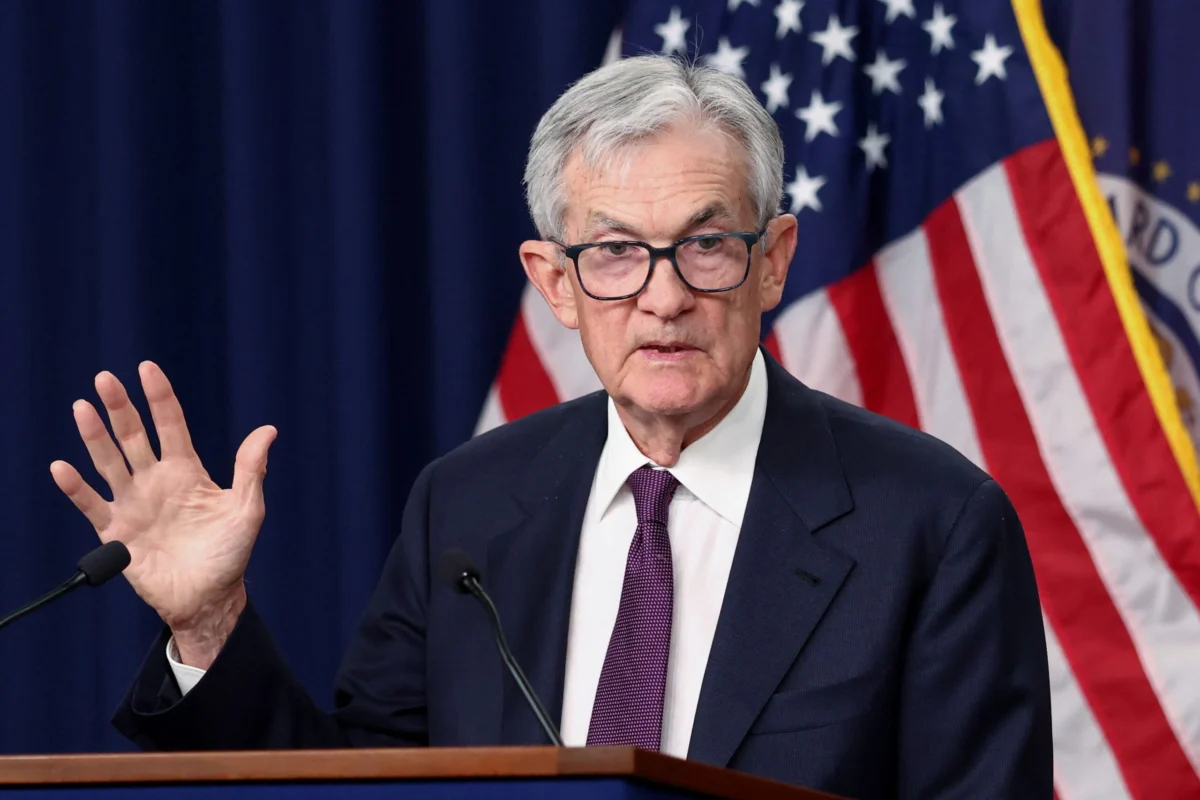
The pronouncements and actions of the US Federal Reserve and its global counterparts are paramount in determining the near-to-medium term outlook for gold. In recent months, the Fed has signaled a cautious approach to monetary policy easing, emphasizing the need for more data to confirm that inflation is on a sustainable path back to its 2% target. Remarks from Fed officials have consistently highlighted the importance of inflation data, employment figures, and broader economic growth trends in shaping their decisions.
The current inflationary pressures, exacerbated by the geopolitical situation, are likely to reinforce the Fed’s cautious stance. This means that the window for aggressive interest rate cuts may be narrowing, a development that presents a challenge for gold investors. Any indication from the Fed that it is prepared to hold rates higher for longer would likely exert continued downward pressure on bullion. Conversely, any unexpected signs of economic weakness that prompt a more dovish pivot from the Fed could provide a significant boost to gold prices.
Broader Economic Implications: Inflation, Stagflation, and Growth
The persistent inflationary risks have broader implications for the global economy. Sustained high inflation can erode purchasing power, stifle consumer and business confidence, and complicate investment decisions. In a worst-case scenario, the confluence of high inflation and sluggish economic growth could lead to stagflation, a particularly challenging economic environment for policymakers.
For central banks, the dilemma is acute. They must balance the need to combat inflation with the imperative to support economic growth. Aggressive interest rate hikes to curb inflation could tip economies into recession, while a premature easing of monetary policy risks entrenching inflation. This delicate balancing act creates an environment of uncertainty that can be both a tailwind and a headwind for gold, depending on the prevailing narrative and the specific economic data points.
Outlook and Future Considerations
The immediate future for gold will likely be dictated by the evolving geopolitical situation in the Middle East and the subsequent impact on energy prices, as well as by the pronouncements and actions of global central banks, particularly the Federal Reserve. Investors will be closely monitoring economic data releases for signs of moderating inflation and for any shifts in central bank sentiment regarding interest rate policy.
Should the geopolitical tensions escalate further, leading to significant disruptions in oil supply, gold could experience another surge in demand as a safe-haven asset. However, if inflationary pressures remain elevated and central banks maintain their hawkish stance, gold’s upward momentum could be constrained. The current trading range suggests a market in equilibrium, awaiting a clear catalyst to break decisively in either direction. The interplay between geopolitical risk, inflation, and monetary policy will continue to be the dominant narrative for gold in the coming weeks and months. The resilience of gold, even amidst headwinds, underscores its enduring role as a strategic asset in uncertain times.