Reynand Wu
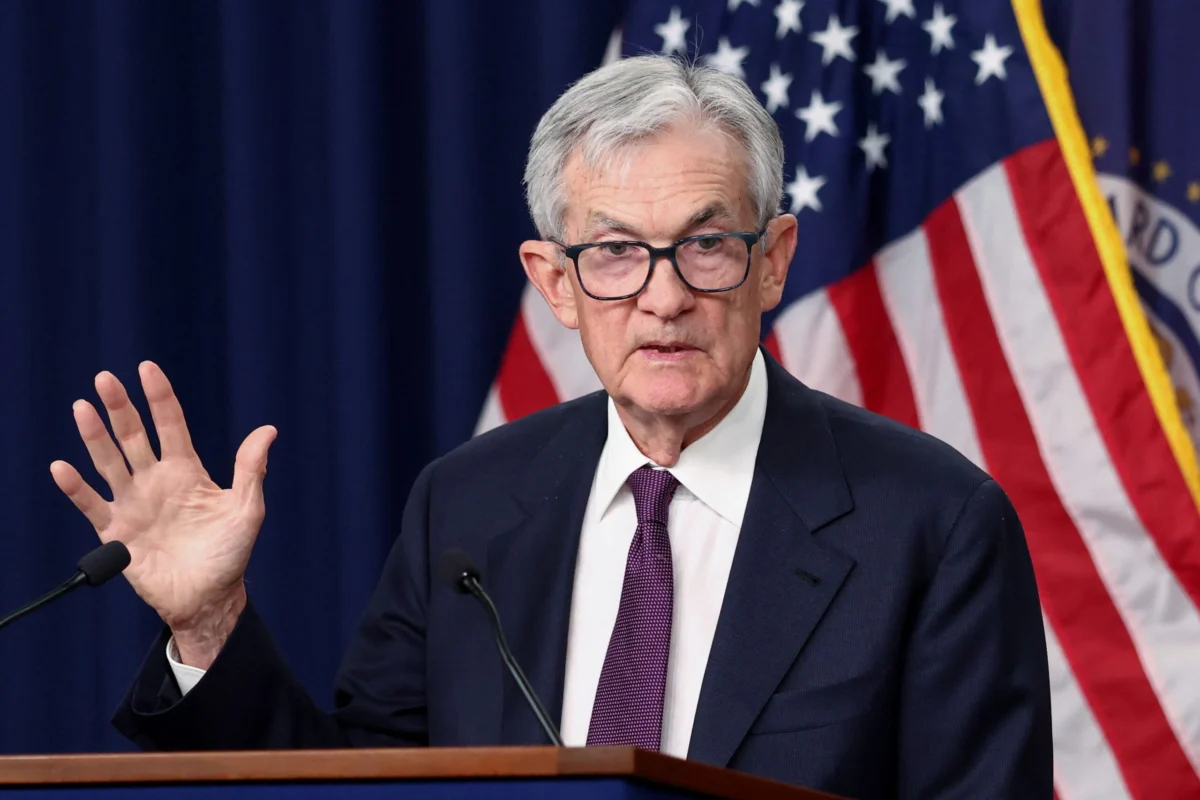
The US Dollar (USD) experienced a significant weakening this week, with the US Dollar Index (DXY) retreating below the critical 100.00 threshold to settle at 99.60 on Friday. This decline followed an earlier mid-week surge that was initially sparked by the Federal Reserve’s (Fed) decision to maintain its benchmark interest rates within the 3.50%-3.75% range. However, this monetary policy decision, coupled with an intensifying geopolitical landscape in the Middle East and increasingly hawkish stances from other major central banks, quickly shifted market sentiment against the greenback. Adding to the complex picture, Fed Chair Jerome Powell issued a cautionary note, suggesting that inflationary pressures could still see an uptick, further clouding the economic outlook.
The Federal Reserve’s Stance and Dollar Dynamics
The week began with intense anticipation surrounding the Federal Reserve’s latest monetary policy announcement. On Wednesday, the Federal Open Market Committee (FOMC) concluded its meeting by deciding to hold the federal funds rate steady at 3.50%-3.75%. This decision, while widely expected by many analysts, initially provided a fleeting boost to the dollar as some investors interpreted the Fed’s accompanying statement as cautiously optimistic, hinting at potential future tightening if economic conditions warranted. The DXY briefly climbed above 100.00, reflecting this initial market reaction.
However, this rally proved short-lived. A deeper analysis of the Fed’s forward guidance and Chair Powell’s subsequent press conference revealed a nuanced position that markets ultimately interpreted as less hawkish than some of its global counterparts. Powell reiterated the Fed’s commitment to bringing inflation down to its 2% target but acknowledged the persistence of underlying price pressures. His specific warning that "inflationary pressures could still rise" signaled ongoing vigilance, yet the lack of an immediate rate hike, especially when juxtaposed with the aggressive tightening rhetoric from other central banks, led to a reassessment of the dollar’s strength. Analysts from major investment banks noted that the market might be increasingly pricing in an earlier "pivot" or rate cut from the Fed compared to other economies, contributing to the dollar’s decline. This divergence in expected monetary policy trajectories became a dominant theme, pushing the DXY back below the psychological 100.00 level by Friday. The retreat below this key technical and psychological benchmark indicates a potential shift in momentum, with traders now closely watching for further signs of sustained dollar weakness.
Geopolitical Escalation: The Iran Conflict and Its Oil Market Repercussions
Concurrently with the monetary policy developments, geopolitical tensions in the Middle East have dramatically intensified, casting a long shadow over global markets, particularly the energy sector. The conflict in Iran is now nearing the end of its third week, with no signs of de-escalation. The most critical flashpoint remains the Strait of Hormuz, a vital maritime choke point through which approximately one-fifth of the world’s total oil consumption, and a substantial portion of its liquefied natural gas, passes daily. Reports confirm the Strait remains effectively closed to commercial shipping, leading to profound implications for global supply chains and energy security.
The closure of the Strait of Hormuz has predictably sent shockwaves through the oil markets. West Texas Intermediate (WTI) crude oil surged, trading near $98 per barrel by the end of the week, close to its weekly high. This sustained elevation in oil prices reflects deep-seated fears about supply disruptions and the potential for a prolonged conflict. The immediate impact on consumers and businesses globally is evident in rising fuel costs and increased operational expenses. The Pentagon’s announcement of deploying thousands of additional Marines to the region underscores the gravity of the situation and suggests that military planners anticipate a protracted engagement rather than a swift resolution. A spokesperson for the U.S. Department of Defense stated that the deployment is intended to "ensure freedom of navigation and protect vital international shipping lanes," signaling a firm resolve to counter any threats to global trade. This military buildup further exacerbates risk premiums across various asset classes, as investors brace for potential wider regional instability.
Adding another layer of complexity, Israeli Prime Minister Benjamin Netanyahu reportedly stated his country’s commitment to helping reopen the Strait of Hormuz. While the specifics of this assistance remain unclear, such a declaration highlights the international concern over the Strait’s closure and potentially foreshadows broader international involvement in resolving the crisis, which could further escalate tensions depending on the nature of intervention.
Divergent Monetary Policies: A Global Overview
While the Fed grappled with its inflation mandate, other major central banks demonstrated increasingly hawkish inclinations, contributing to the dollar’s relative weakening against several major currencies.
European Central Bank (ECB): The Euro (EUR) showed resilience, with EUR/USD trading near the 1.1550 region, even after touching fresh 2026 lows earlier in the week. This recovery can be attributed to a pronounced hawkish tilt from the European Central Bank. Following its latest policy meeting, markets are now pricing in an 85% probability of a rate hike from the ECB this year. ECB President Christine Lagarde, while acknowledging economic headwinds, emphasized the bank’s firm commitment to combating persistent inflation, driven by energy costs and supply chain bottlenecks. This shift suggests the ECB is prepared to prioritize price stability even if it entails slower economic growth, making the Euro a more attractive currency for carry trades compared to a relatively dovish Fed.
Bank of England (BoE): The British Pound (GBP) also found some footing, with GBP/USD hovering around 1.3330. The Bank of England, following its Thursday meeting, opted to hold rates steady but issued a clear signal that it might need to tighten policy if energy-driven inflation continues to persist. Governor Andrew Bailey underscored the unique challenges facing the UK economy, particularly the vulnerability to global energy price shocks, which are now being exacerbated by the Strait of Hormuz closure. The BoE’s readiness to act, despite a fragile economic backdrop, contrasts with the Fed’s current holding pattern, providing relative support for the Pound.
Bank of Japan (BoJ): The Japanese Yen (JPY) experienced a notable strengthening, catching a bid that pushed USD/JPY near 159.30. This shift came after the Bank of Japan signaled its intention to resume its normalization path. For years, the BoJ has maintained an ultra-loose monetary policy, including negative interest rates and yield curve control, making it an outlier among major central banks. The prospect of even a gradual unwinding of these accommodative measures, however slight, represents a significant policy pivot and makes the Yen more appealing to investors, reversing some of its long-standing weakness.
Reserve Bank of Australia (RBA): The Australian Dollar (AUD) faced a more mixed picture, with AUD/USD trading near 0.7010. While the Reserve Bank of Australia raised rates for a second consecutive meeting, demonstrating its commitment to taming domestic inflation, the broader "risk-off" sentiment stemming from the Middle East conflict continued to weigh on the commodity-linked currency. The Aussie often functions as a proxy for global growth sentiment, and escalating geopolitical risks tend to dampen its appeal despite domestic policy tightening.
The collective impact of these divergent monetary policies has been a complex repricing of global currencies. While the Fed’s stance suggested a potential pause or even an eventual pivot, other central banks are either actively tightening or signaling their readiness to do so. This policy divergence is a significant driver of currency volatility, contributing directly to the dollar’s weakening trend this week as capital flows seek higher yields and more hawkish policy environments elsewhere.
Gold’s Tumultuous Week: Yields Outweigh Safe-Haven Demand
Despite the escalating geopolitical tensions that typically bolster safe-haven assets, Gold experienced a "brutal selloff," plummeting to $4,583 per ounce. This sharp decline, which surprised many given the Middle East conflict, was primarily driven by two powerful forces: rising Treasury yields and forced liquidation of leveraged positions.
Treasury yields climbed throughout the week, reflecting renewed concerns about inflation and the market’s expectation of persistent price pressures, even if the Fed held rates. Higher yields increase the opportunity cost of holding non-yielding assets like gold, making government bonds more attractive. Furthermore, the volatility across financial markets, coupled with margin calls on highly leveraged positions, likely triggered a wave of forced selling in gold futures. Many investors had piled into gold earlier in anticipation of its traditional safe-haven role amidst geopolitical uncertainty. However, when faced with rising yields and the need to cover losses elsewhere, these leveraged positions were liquidated, creating a cascading effect that overwhelmed any underlying safe-haven demand generated by the conflict. This situation underscores that in times of extreme market stress, even traditional safe havens can be subject to significant selling pressure if other market dynamics, such as liquidity constraints and deleveraging, take precedence.
Anticipating Economic Perspectives and Upcoming Catalysts
Looking ahead, global markets will remain acutely focused on a confluence of economic data releases, central bank communications, and geopolitical developments. Investors will be scrutinizing inflation reports from key economies for any signs that price pressures are either moderating or intensifying, which will heavily influence future monetary policy decisions. Employment figures, consumer confidence surveys, and manufacturing indices will provide crucial insights into the health of various economies and their resilience in the face of current headwinds.
Beyond scheduled data, speeches and public statements from central bank governors, including further commentary from Fed Chair Powell, ECB President Lagarde, and BoE Governor Bailey, will be closely watched for any shifts in policy rhetoric. Any hint of a change in stance regarding inflation targets, growth outlooks, or the pace of future rate adjustments could trigger significant market reactions.
On the geopolitical front, the trajectory of the Iran conflict remains the most critical unknown. Developments concerning the Strait of Hormuz, the duration and intensity of military operations, and any diplomatic efforts towards de-escalation will have an immediate and profound impact on oil prices, global shipping costs, and overall market sentiment. Any escalation or de-escalation could rapidly alter risk premiums and asset valuations across the board.
Broader Economic and Geopolitical Implications
The current environment of a weakening dollar, escalating conflict, and divergent monetary policies presents significant implications for the global economy.
Inflationary Pressures: The sustained high oil prices due to the Strait of Hormuz closure will inevitably feed into global inflation, impacting energy costs for consumers and transportation expenses for businesses. This could complicate central banks’ efforts to bring inflation under control, potentially forcing them to maintain tighter monetary policies for longer, even at the risk of slower economic growth.
Global Trade and Supply Chains: The closure of the Strait of Hormuz represents a major disruption to global trade, particularly for oil and gas shipments. Rerouting vessels around the Arabian Peninsula would significantly increase transit times and costs, impacting supply chains and potentially leading to shortages and higher prices for a range of goods.
Monetary Policy Divergence: The widening gap in monetary policy stances between the Fed and other major central banks will likely continue to fuel currency volatility. This divergence can create opportunities for investors but also poses risks, potentially leading to capital outflows from economies with relatively less attractive interest rates or more dovish outlooks.
Geopolitical Instability: The prolonged conflict in Iran and the military buildup in the region underscore the fragility of geopolitical stability in the Middle East. A wider regional conflict could have catastrophic consequences for global energy supplies, international relations, and the global economy, prompting a flight to quality and significant market dislocations.
In summary, the past week has underscored the intricate and often unpredictable interplay of monetary policy, economic data, and geopolitical events. The weakening dollar reflects a reassessment of the Fed’s policy path relative to increasingly hawkish global counterparts. Simultaneously, the escalating conflict in Iran and its impact on the Strait of Hormuz have injected significant uncertainty into the energy markets and global supply chains. As central banks navigate persistent inflation and geopolitical risks, and as the conflict in the Middle East continues to unfold, markets should anticipate sustained volatility and a complex landscape for the foreseeable future.